Artwork
The Surgeon
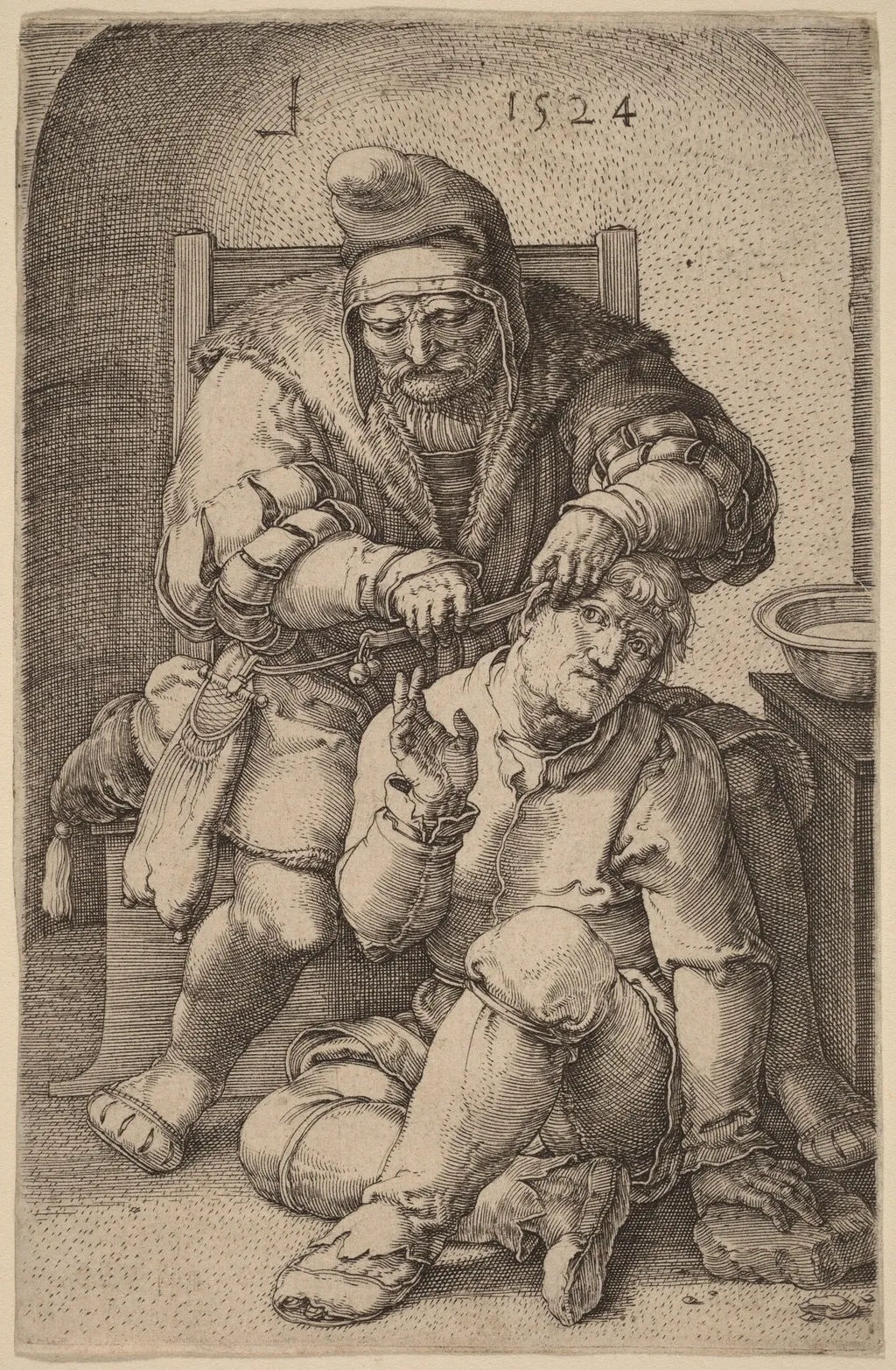
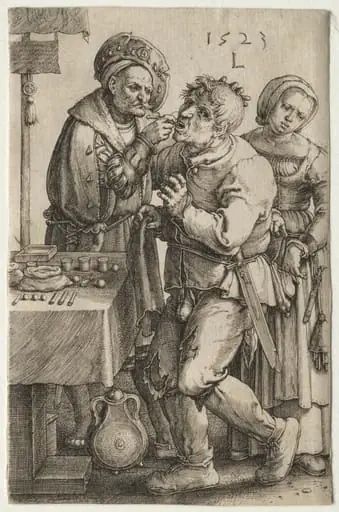
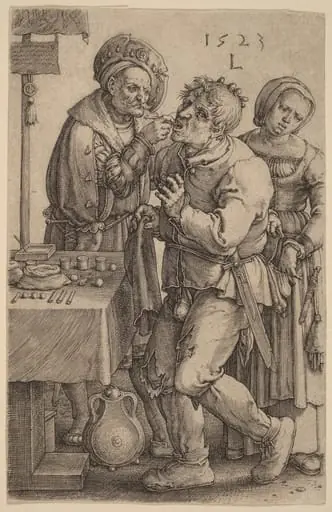
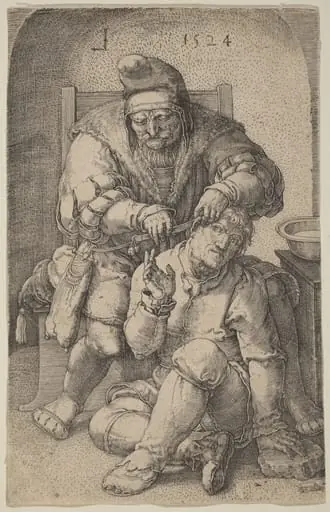
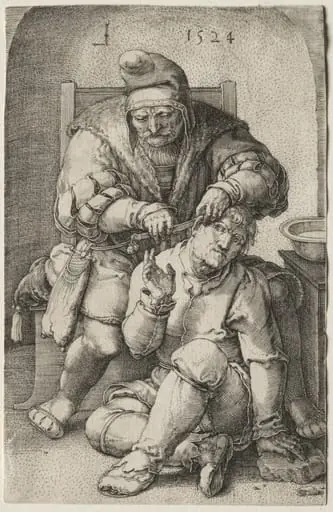
The Surgeon is an ink print by the Renaissance artist Lucas van Leyden. It dates from 1524 and is held in the collection of the National Gallery of Art.
About this work
Overview
Created in 1524 by the Dutch artist Lucas van Leyden, *The Surgeon* is an engraving that captures a moment of medical intervention in a private interior.
Created in 1524 by the Dutch artist Lucas van Leyden, *The Surgeon* is an engraving that captures a moment of medical intervention in a private interior. Van Leyden, known for his precision in printmaking, turned to secular and anatomical subjects during the Northern Renaissance, moving beyond religious themes to explore the physical realities of daily life. This work stands as an early example of genre-based printmaking in the Netherlands.
Subject & Meaning
The scene portrays a surgical procedure in which one man forcibly retracts the skin of another’s forearm, revealing underlying muscle. The patient’s face registers shock and discomfort, while the surgeon’s focused expression suggests clinical detachment. The composition avoids idealization, presenting the body as vulnerable and the act as unflinching. It may reflect contemporary anxieties about bodily integrity and the limits of medical practice.
Technique & Style
Van Leyden employed fine, controlled lines to render texture, tension, and anatomy with remarkable clarity. Shading is achieved through cross-hatching, emphasizing the strain of skin, the bulk of muscle, and the folds of coarse clothing. The background is minimal, eliminating distraction and directing attention to the physical interaction. The engraving’s detail rivals anatomical studies, suggesting an interest in observation over narrative.
History & Provenance
The print was produced during a period when engraving was gaining prominence as a medium for disseminating images beyond elite circles. Van Leyden’s works circulated widely across Europe, and *The Surgeon* was likely reproduced and collected by both physicians and art patrons. Its survival in multiple institutional collections attests to its early and sustained reception as a technically accomplished print.
Context
In early 16th-century Northern Europe, interest in human anatomy was growing, fueled by both medical curiosity and the revival of classical learning. While artists like Dürer studied the body for ideal proportions, van Leyden focused on its vulnerability in ordinary settings. *The Surgeon* aligns with a broader trend of depicting labor, medicine, and the body without romanticism, reflecting a shift toward empirical observation.
Legacy
The engraving influenced later artists who sought to portray medical and bodily subjects with unembellished realism. Its technical rigor set a standard for detail in printmaking, and its unflinching subject matter contributed to the acceptance of secular, even unsettling, themes in Northern European art. It remains a key example of how printmaking could bridge art and science in the Renaissance.
Artist & collection

Artist
Lucas van Leyden (1494 – 8 August 1533), was a Dutch painter and printmaker in engraving and woodcut. Lucas van Leyden was among the first Dutch exponents of genre painting and was a very accomplished engraver.

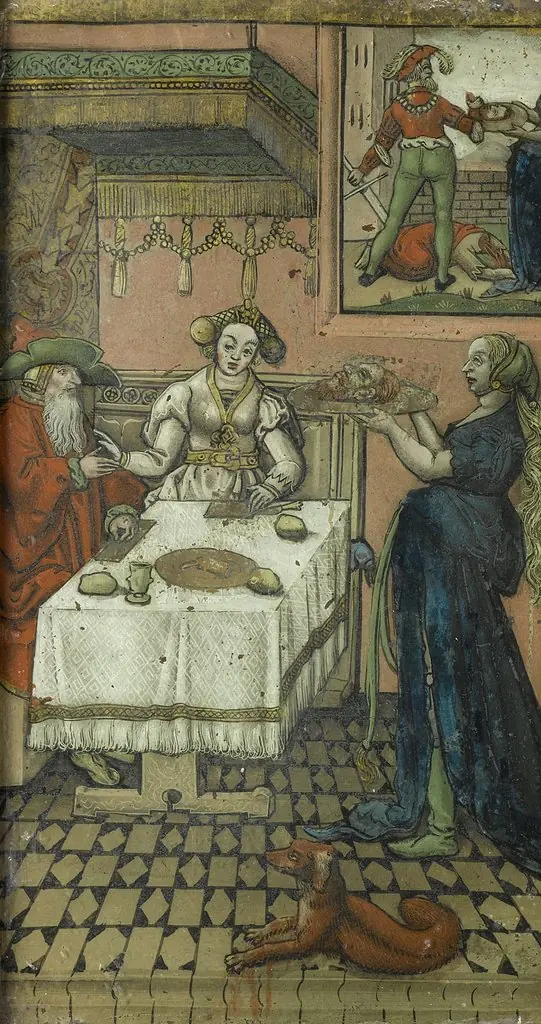 Salome with the head of St John the Baptist
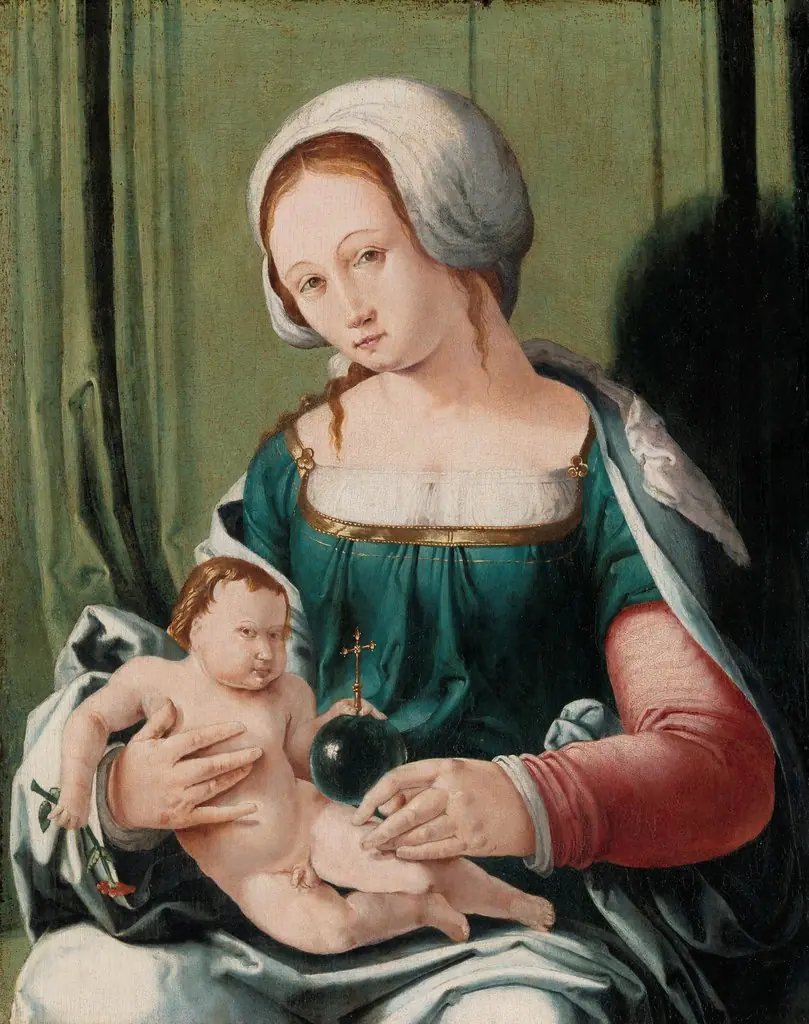 The Virgin and Child
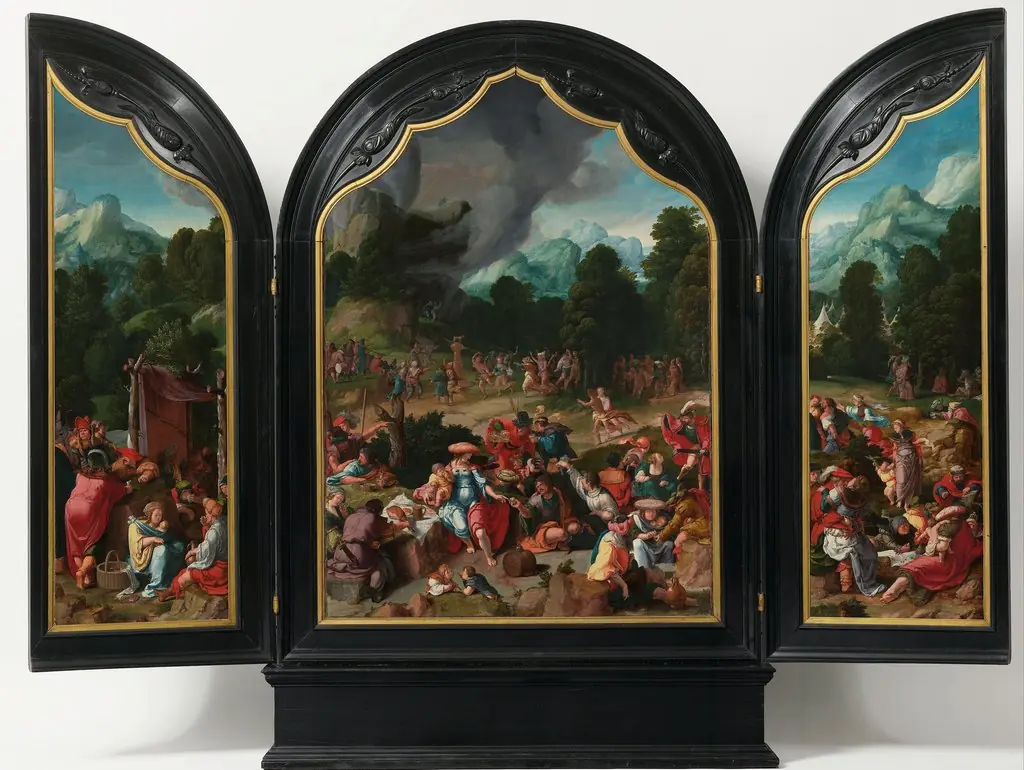 Worship of the Golden Calf
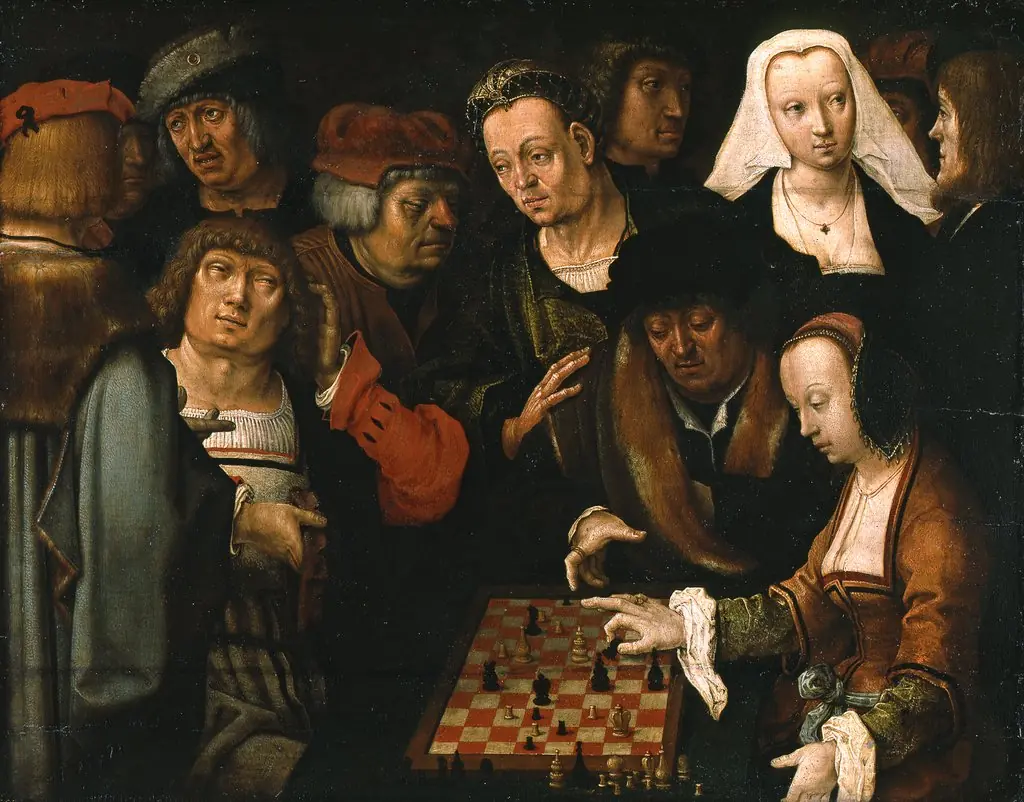 A Game of Chess
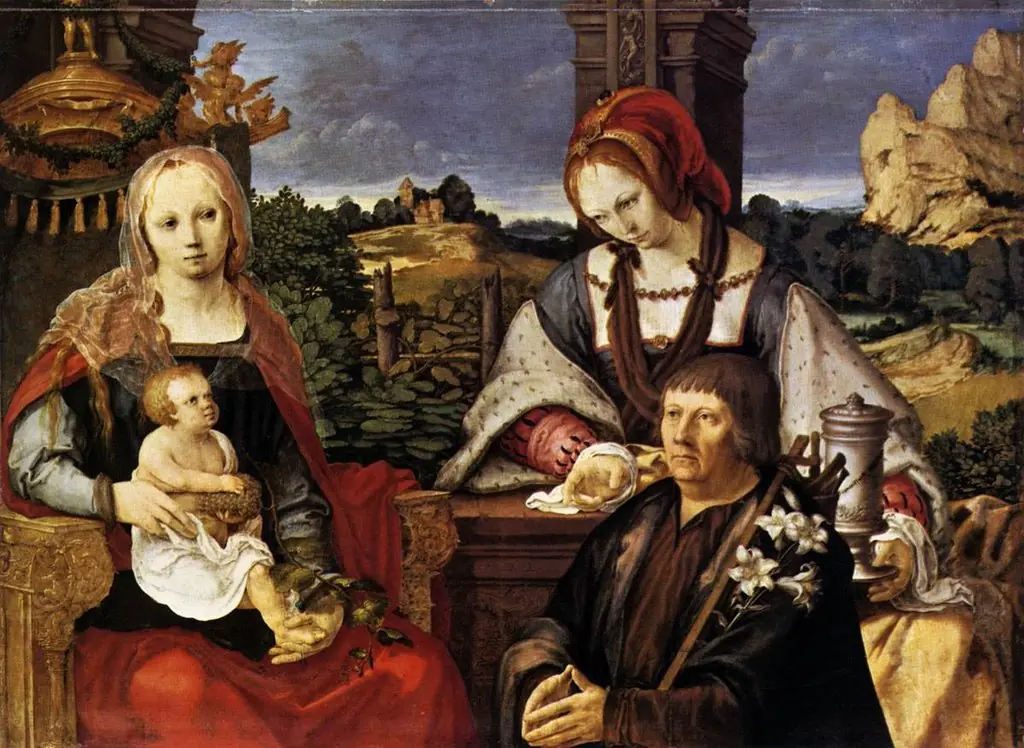 Mary with Child, St. Maria Magdalena and founder (separate outside, Inv. No. 7713)
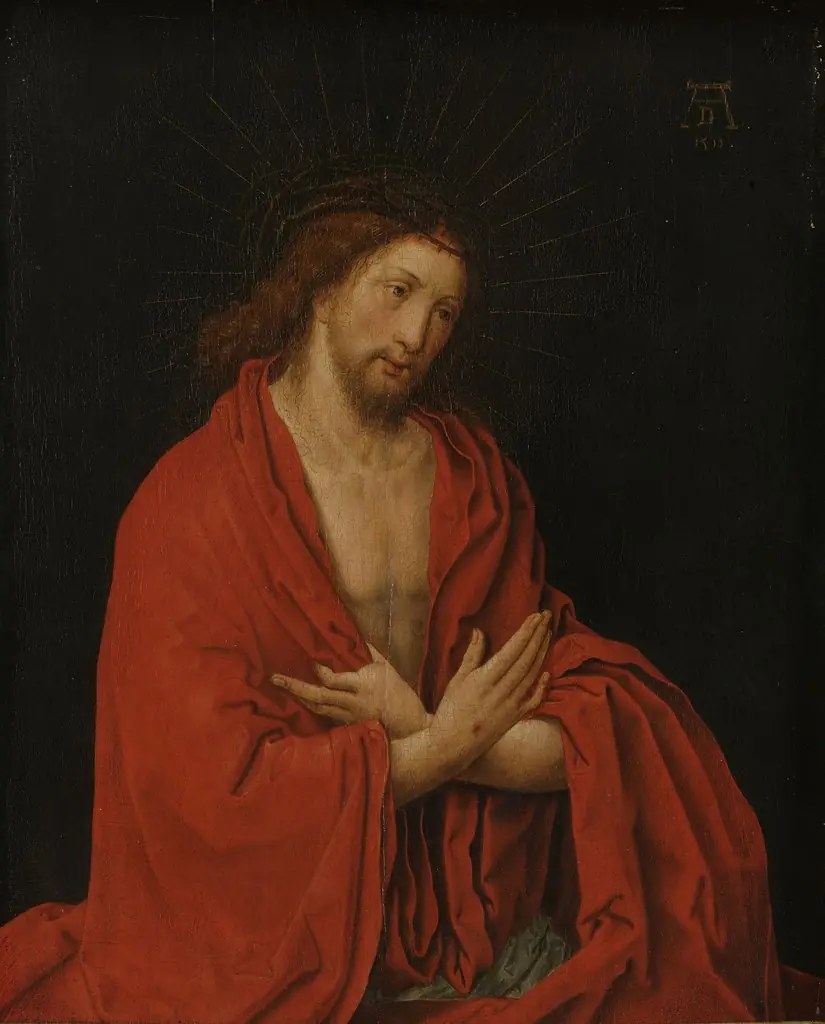 Inner left wing of a diptych with Christ as the Man of Sorrows
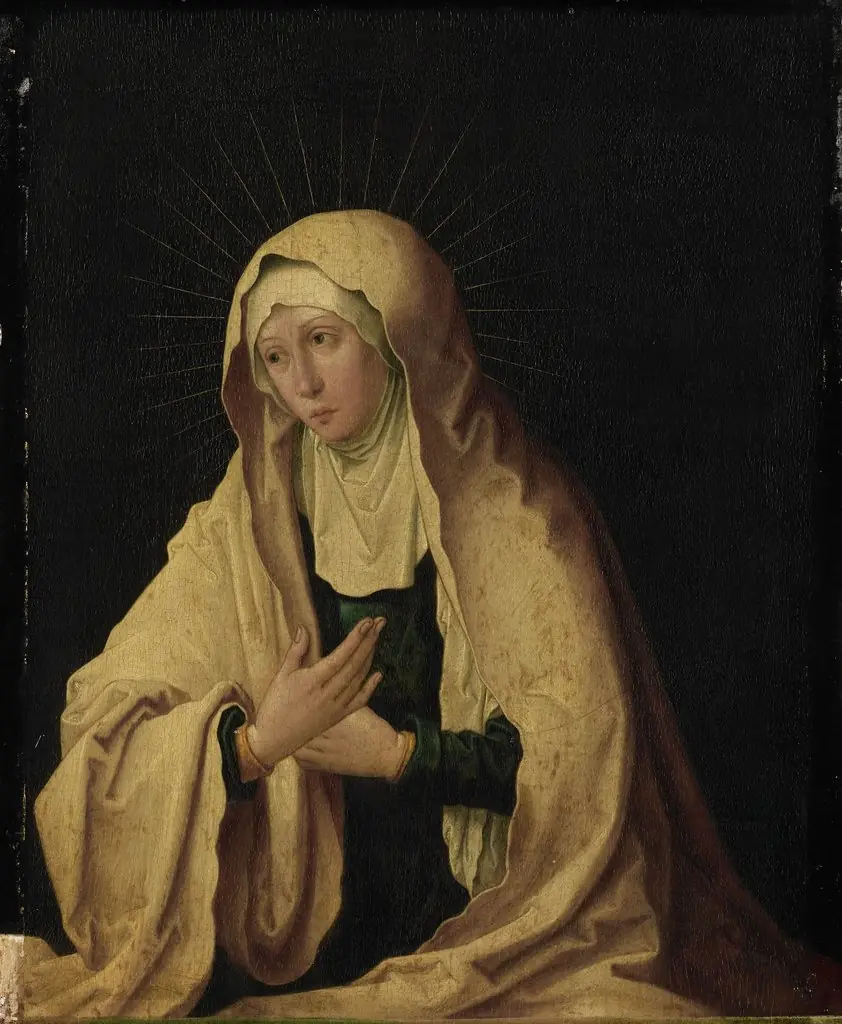 Inner right wing of a diptych with the Virgin as Mater Dolorosa
 Annunciation
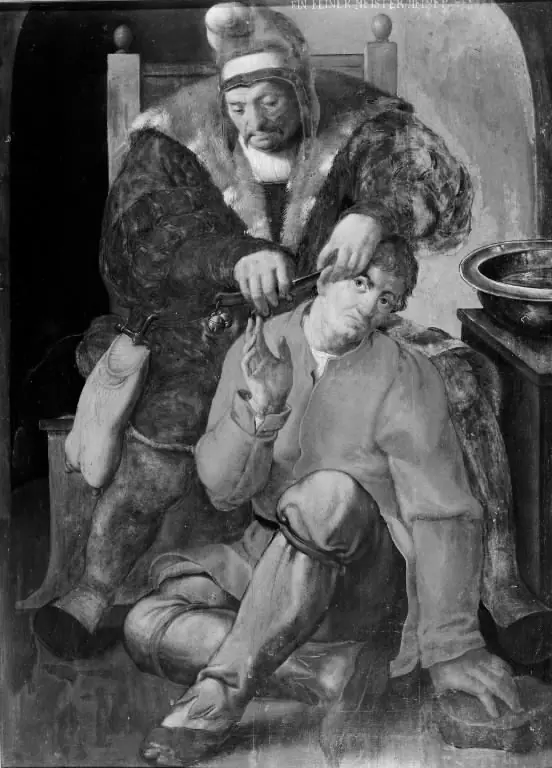
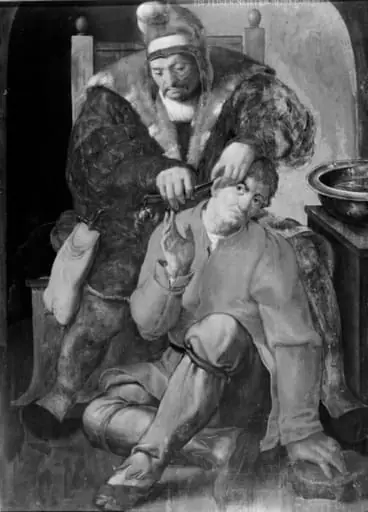
![The Surgeon [reverse copy], by Netherlandish 16th Century](https://artifactworldgallery.com/img/netherlandish-16th-century--the-surgeon-reverse-copy--12ced91956e84708-w320.webp)