Artwork
The Tribute Money
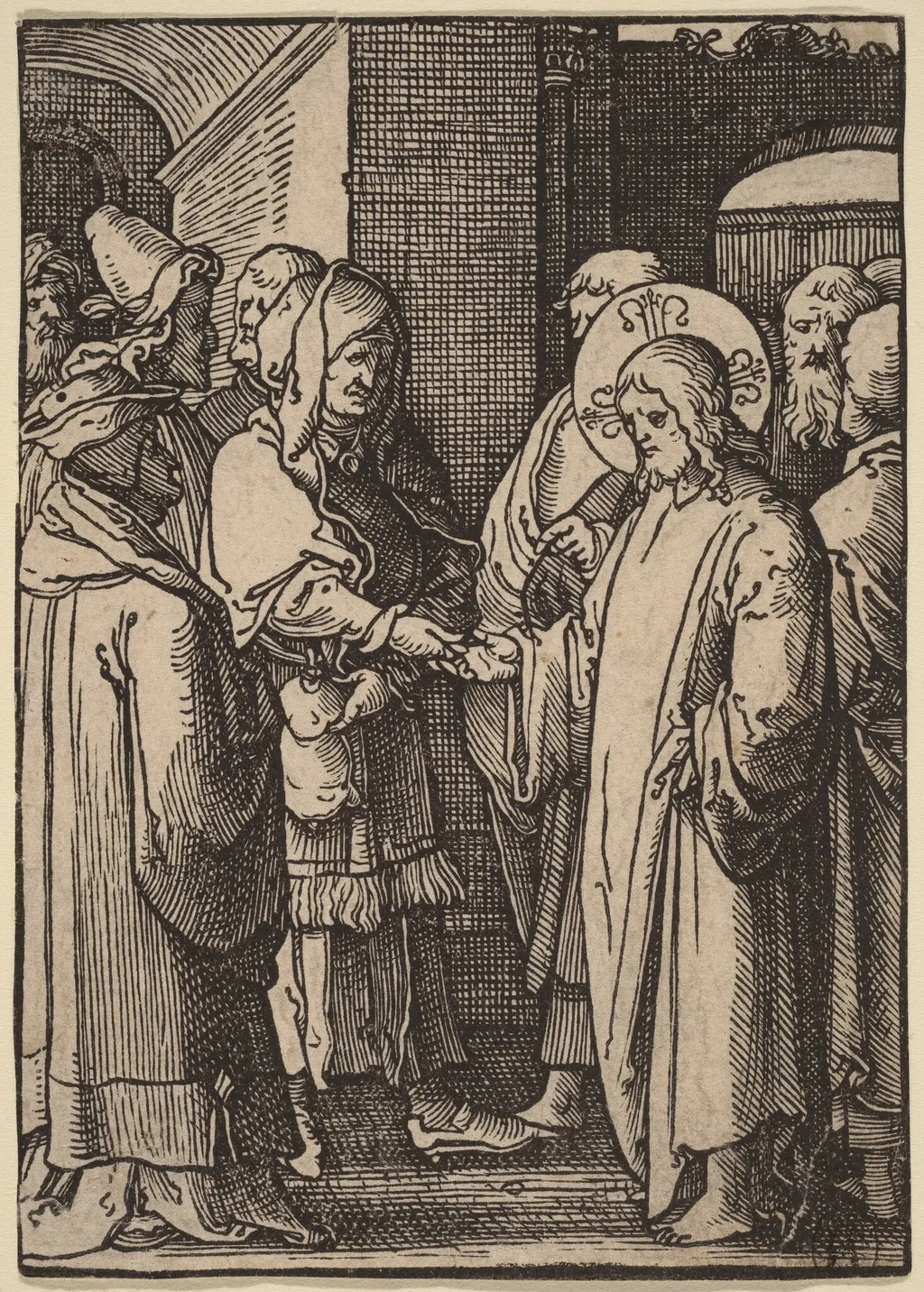
The Tribute Money is an ink print by the Renaissance artist Lucas van Leyden. It dates from 1523 and is held in the collection of the National Gallery of Art.
About this work
Overview
Created circa 1523, *The Tribute Money* is a woodcut by Dutch artist Lucas van Leyden. Executed during the Northern Renaissance, the print exemplifies van Leyden’s command of the medium, combining narrative clarity with a dense network of lines that define forms and space.
Subject & Meaning
The image illustrates the biblical episode in which a tax collector receives payment, a scene traditionally associated with the tension between civic duty and personal hardship. The figures are rendered with expressions of anxiety and displeasure, inviting viewers to contemplate the social pressures underlying the transaction.
Technique & Style
Van Leyden employs the woodcut process, carving intricate incisions into a wooden block to produce fine, intersecting lines. This approach allows for a high degree of detail, particularly in the faces and clothing, where subtle hatching conveys texture and emotional nuance.
History & Provenance
The print emerged from van Leyden’s prolific workshop, where he produced both engravings and woodcuts. While specific ownership records are scarce, the work circulated among collectors of Northern Renaissance prints and contributed to the artist’s reputation as a leading printmaker of his generation.
Context
At the time of its creation, the Northern Renaissance was marked by an increasing interest in everyday subjects and moral narratives. Van Leyden’s choice of a biblical tax scene reflects contemporary concerns about authority, economics, and the individual’s role within society.
Artist & collection

Artist
Lucas van Leyden (1494 – 8 August 1533), was a Dutch painter and printmaker in engraving and woodcut. Lucas van Leyden was among the first Dutch exponents of genre painting and was a very accomplished engraver.

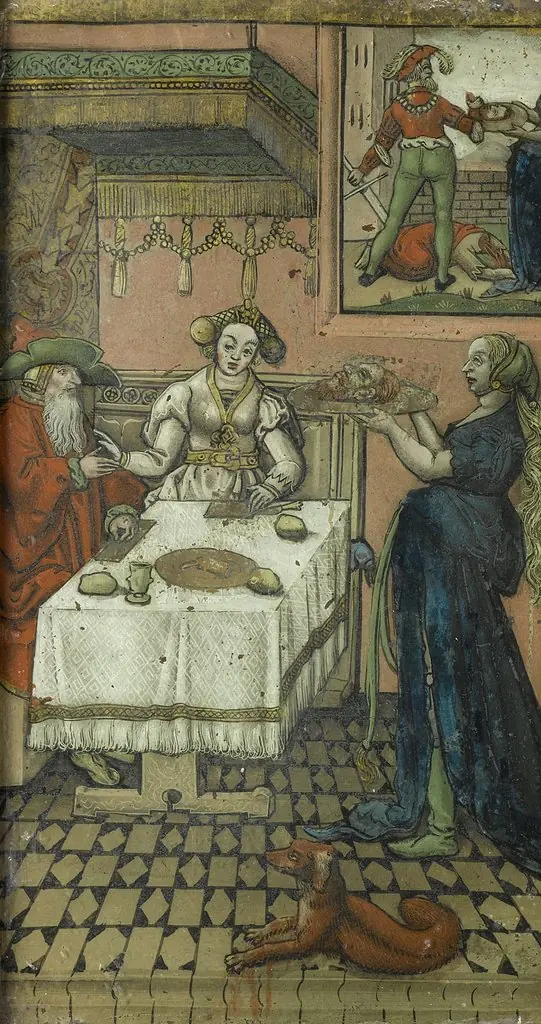 Salome with the head of St John the Baptist
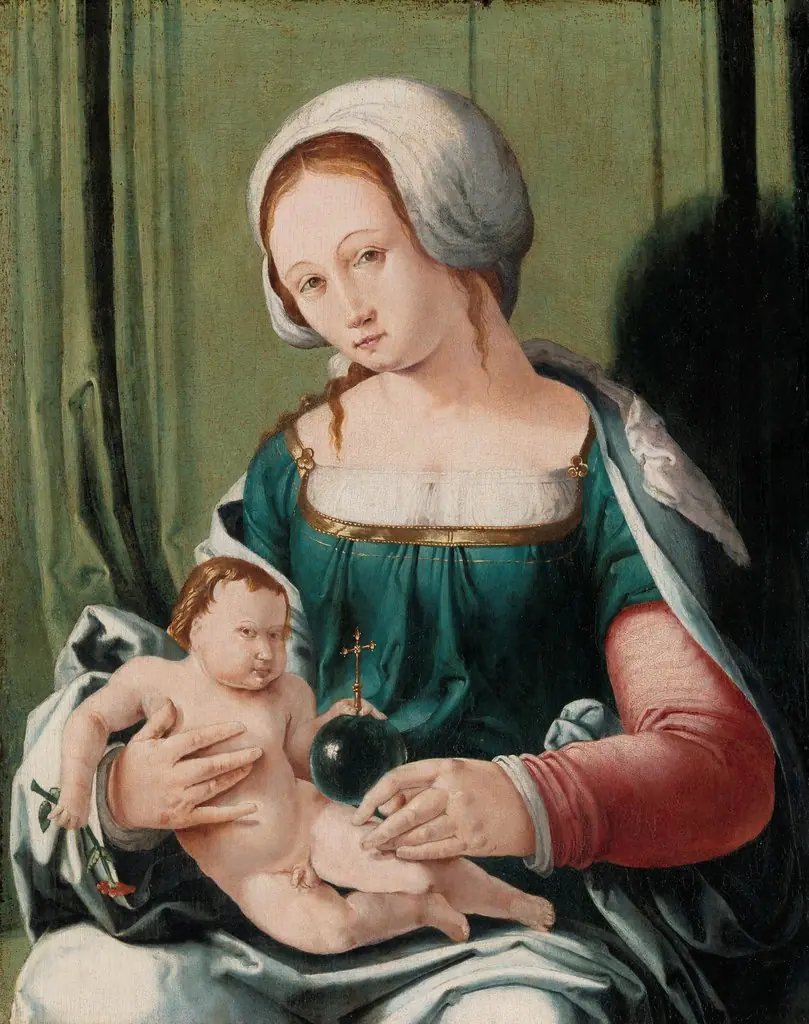 The Virgin and Child
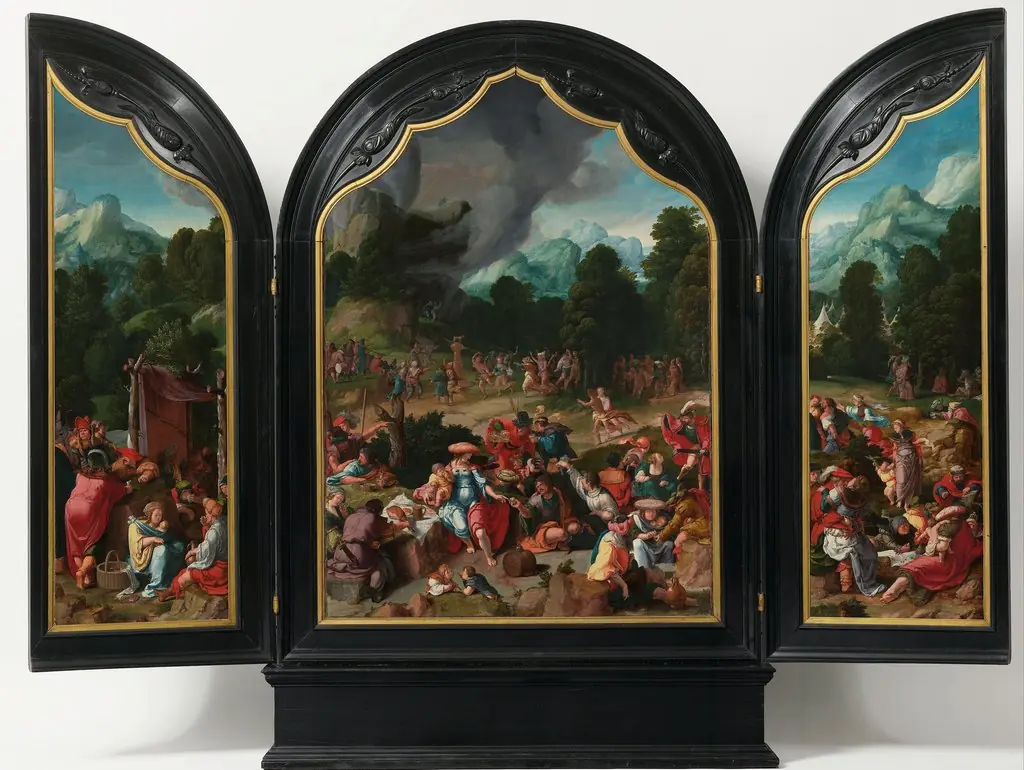 Worship of the Golden Calf
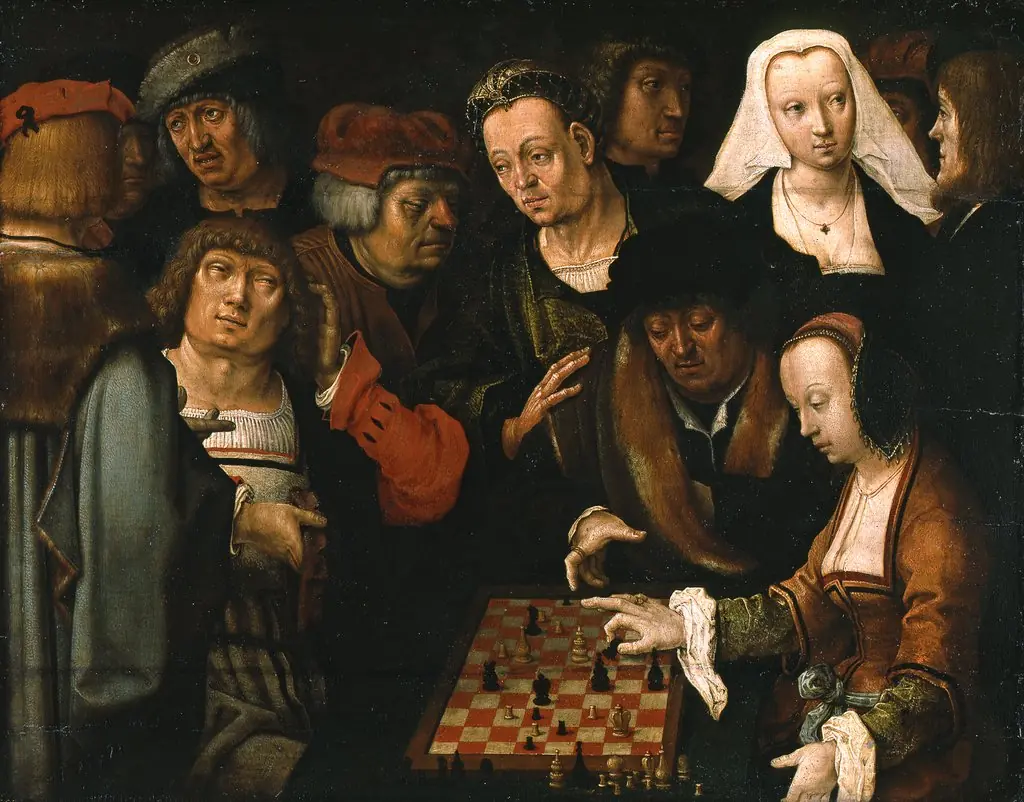 A Game of Chess
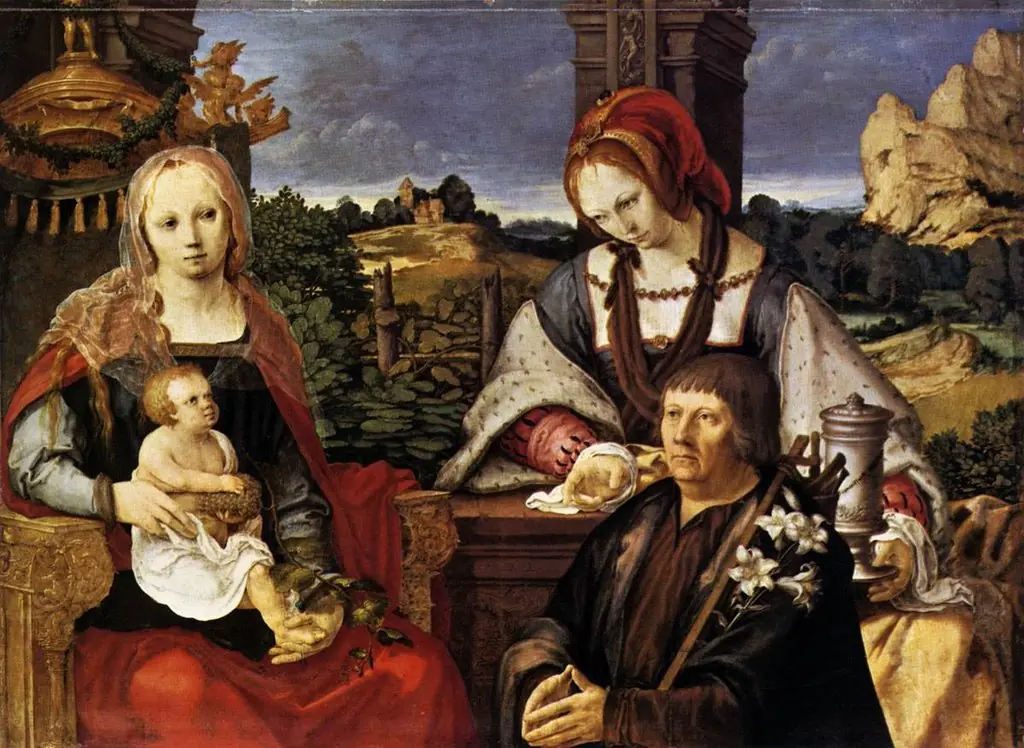 Mary with Child, St. Maria Magdalena and founder (separate outside, Inv. No. 7713)
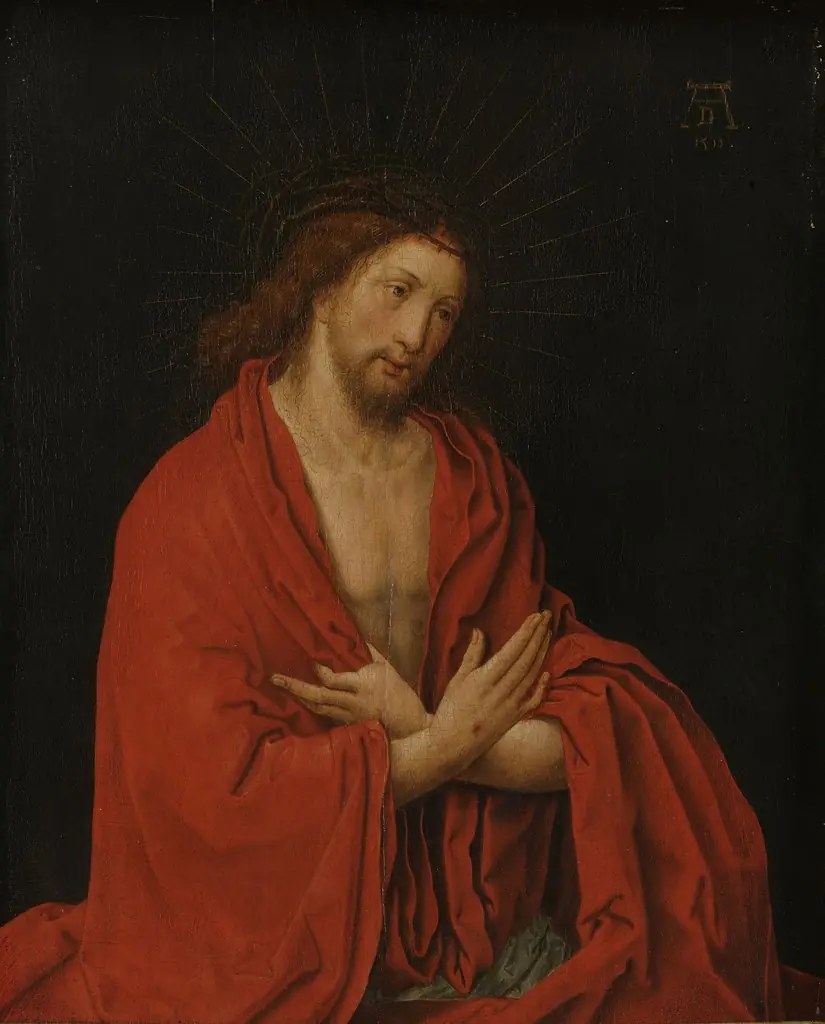 Inner left wing of a diptych with Christ as the Man of Sorrows
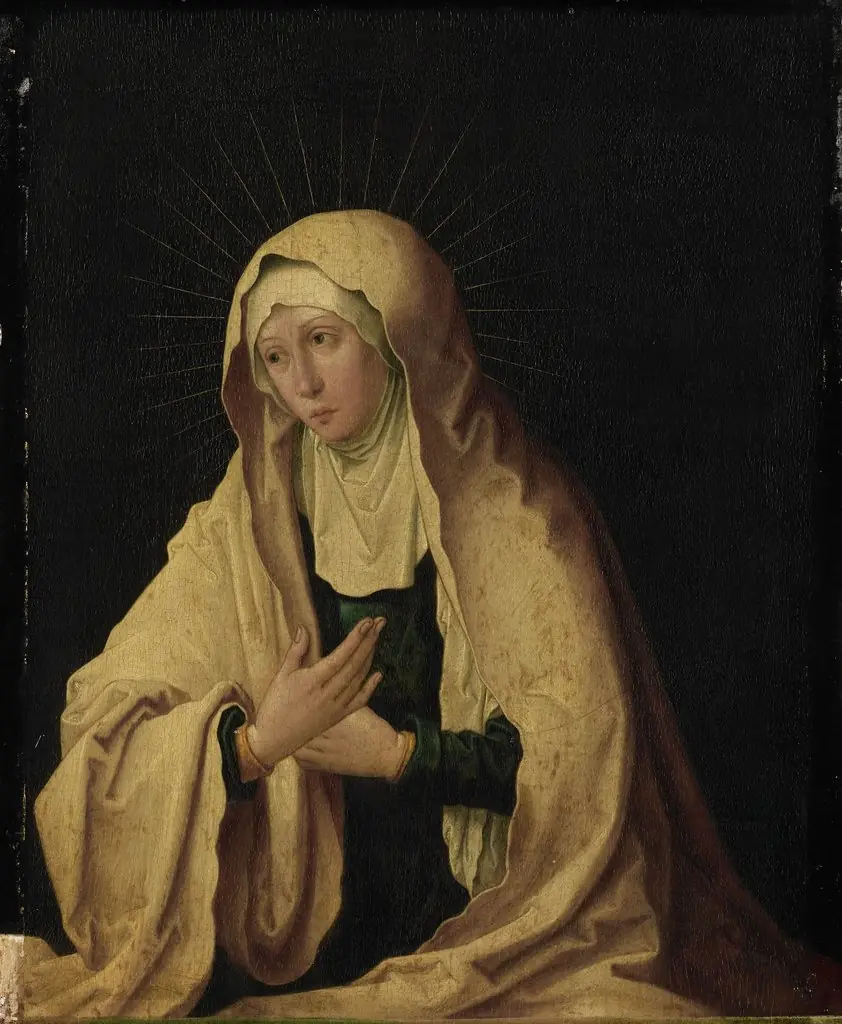 Inner right wing of a diptych with the Virgin as Mater Dolorosa
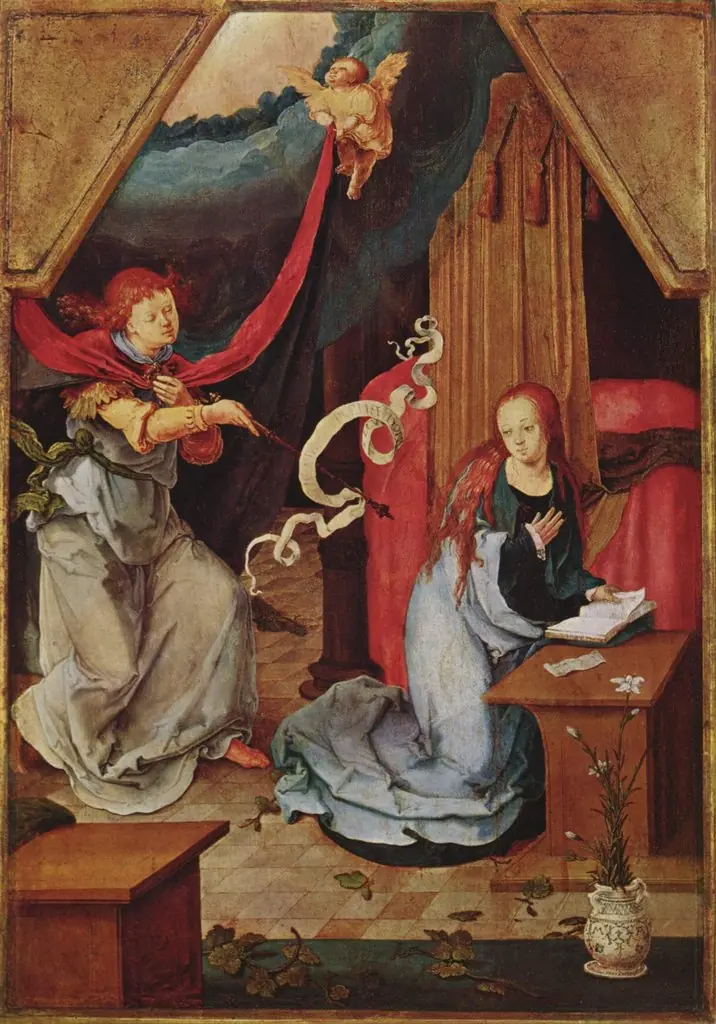 Annunciation
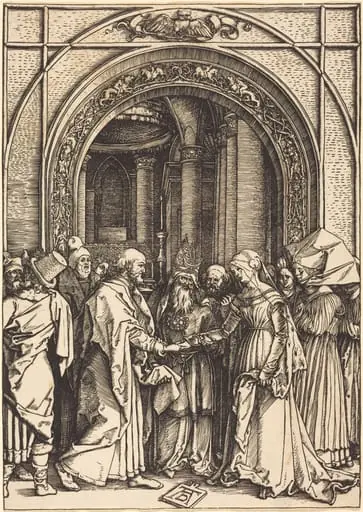 The Betrothal of the Virgin
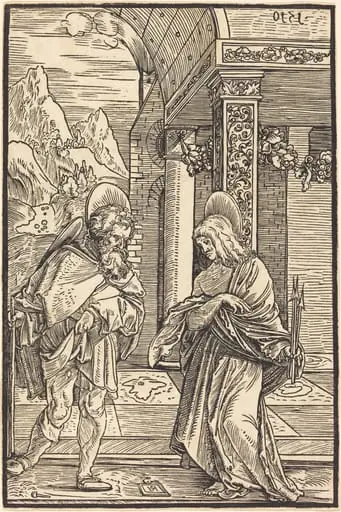 Saint Roch and Saint Sebastian
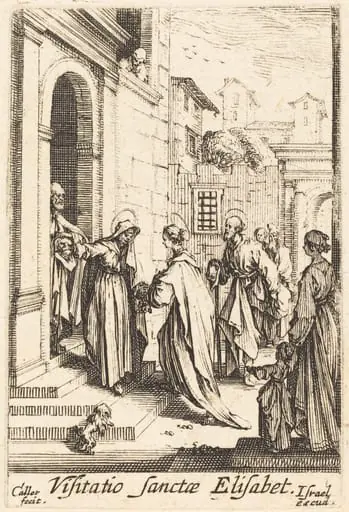 The Visitation
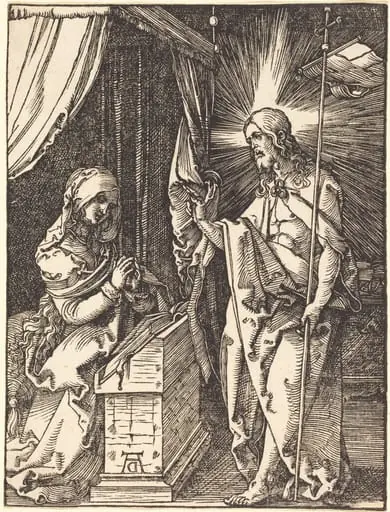 Christ Appearing to His Mother
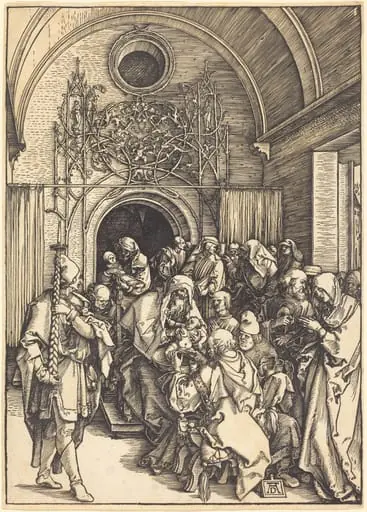 The Circumcision
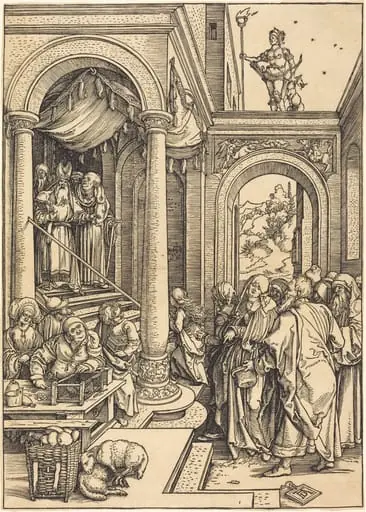 The Presentation of the Virgin in the Temple
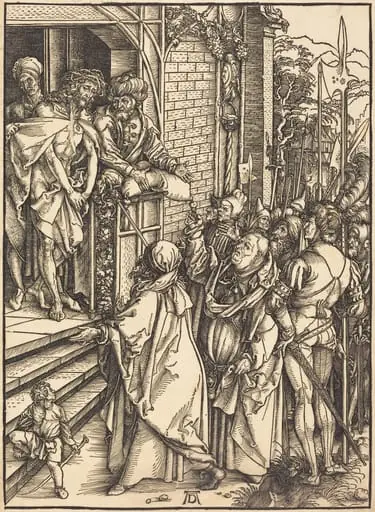 Ecce Homo
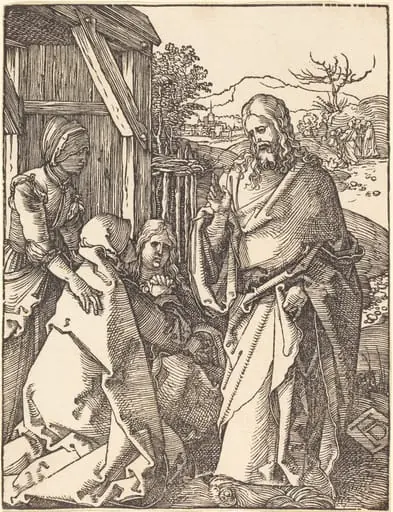 Christ Taking Leave from His Mother
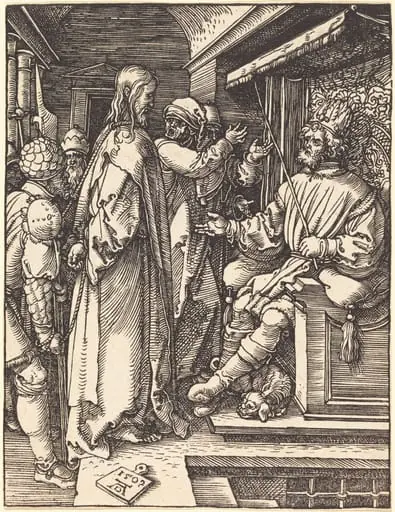 Christ before Herod
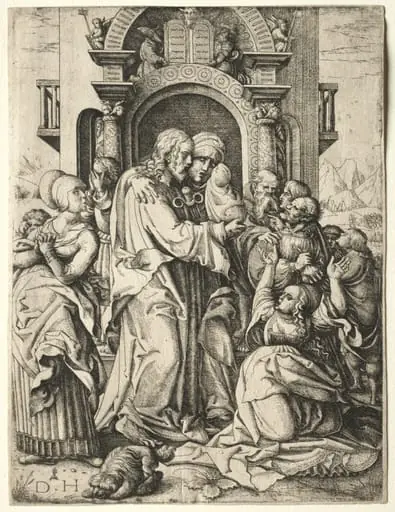 Christ Taking Leave of His Mother
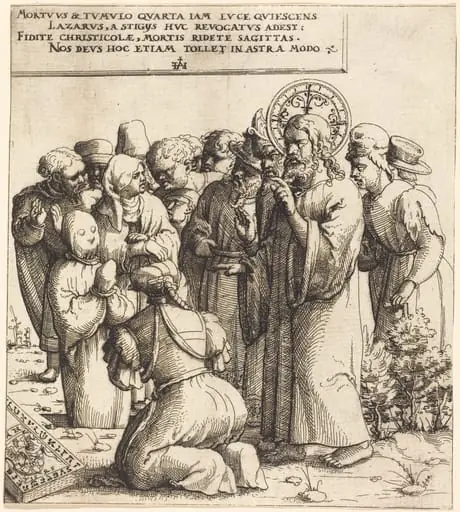 The Raising of Lazarus
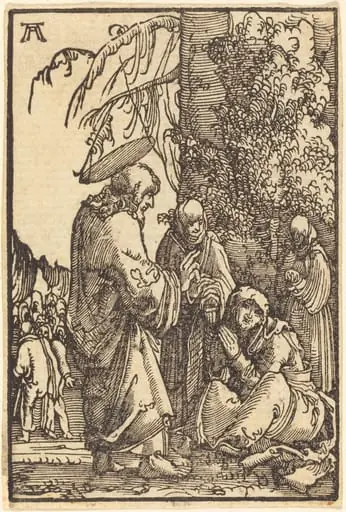 Christ Taking Leave of his Mother