Artwork
Two Boys with a Helmet and a Standard
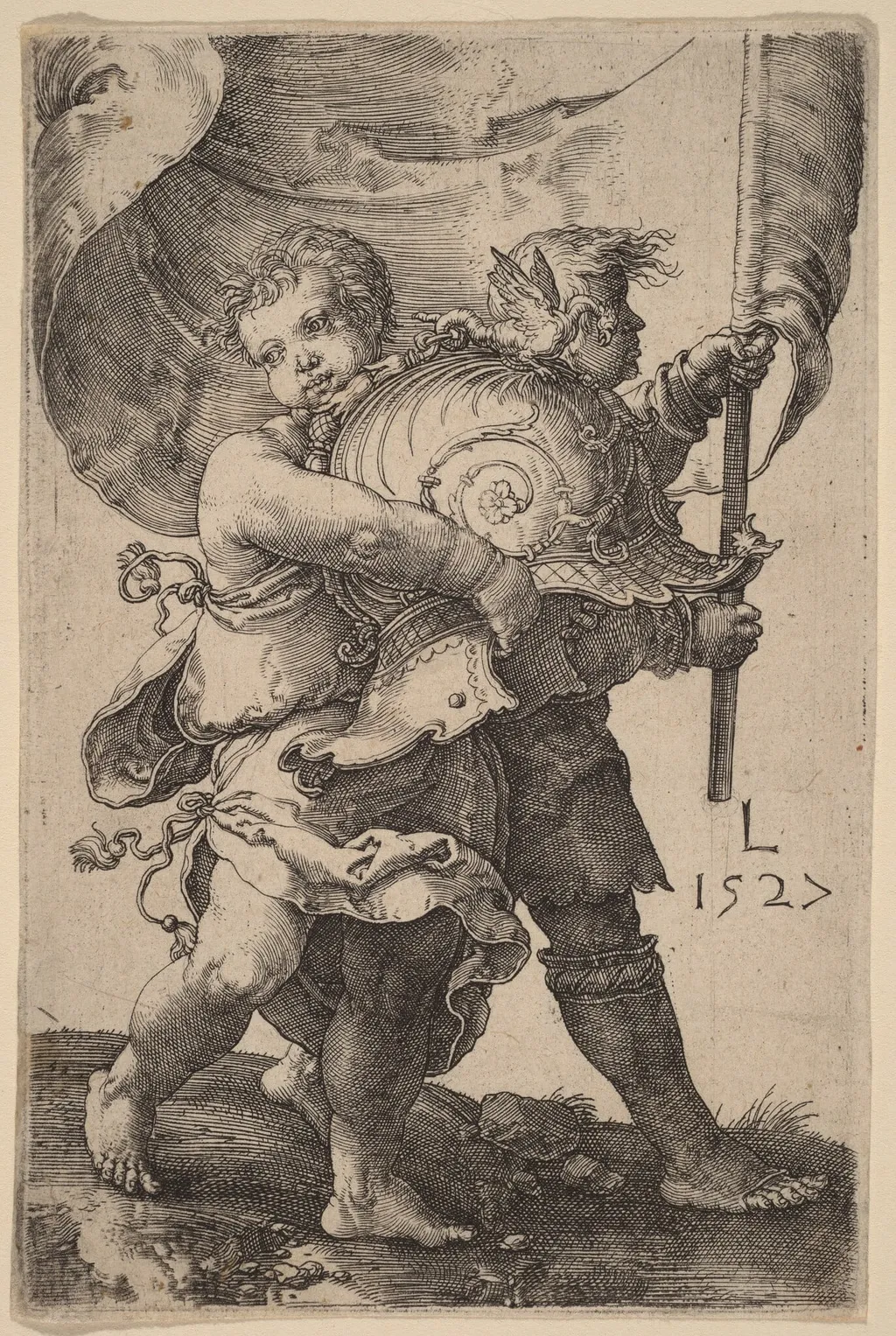
Two Boys with a Helmet and a Standard is an ink print by the Renaissance artist Lucas van Leyden. It dates from 1527 and is held in the collection of the National Gallery of Art.
About this work
Overview
Created in 1527 by Lucas van Leyden, this black-and-white engraving captures two boys in a rugged outdoor setting. The scene is rendered with fine, controlled lines typical of van Leyden’s printmaking precision. Though small in scale, the composition conveys a quiet narrative through gesture and setting, distinguishing it from grand historical or religious subjects common in the period.
Subject & Meaning
The two boys engage with a helmet and a ceremonial standard, suggesting play or mimicry of adult military roles. Their attire—elaborate collars and loose sleeves—hints at the fashion of early 16th-century Dutch youth. The objects may symbolize transition, training, or the appropriation of authority, but the tone remains intimate rather than didactic, emphasizing childhood rather than heroism.
Technique & Style
The boys’ hands and facial expressions are rendered with remarkable clarity, demonstrating the artist’s mastery of detail within the constraints of the medium.
Van Leyden employed fine engraving tools to carve intricate lines into a copper plate, achieving subtle gradations of tone and texture. The rocky ground, fabric folds, and cloud-like sky are rendered with delicate cross-hatching and controlled dot work. The boys’ hands and facial expressions are rendered with remarkable clarity, demonstrating the artist’s mastery of detail within the constraints of the medium.
History & Provenance
The engraving was produced during the height of van Leyden’s career, when he was among the most respected Northern European printmakers. It circulated widely in his lifetime, copied and collected across Europe. No definitive early ownership records survive, but its technical quality ensured its inclusion in major print collections by the 17th century.
Context
In early 16th-century Netherlands, printmaking flourished as a medium for both artistic expression and commercial distribution. Van Leyden’s focus on secular, everyday scenes aligned with a growing interest in human experience beyond religious themes. This work reflects a broader trend toward genre subjects, where ordinary moments gained artistic legitimacy through skilled execution.
Legacy
Though less celebrated than his larger religious engravings, this work exemplifies van Leyden’s ability to infuse simple subjects with psychological nuance and technical rigor. It influenced later Northern artists who sought to capture quiet, observational moments in print. Its enduring presence in museum collections underscores its role in the evolution of secular printmaking.
Artist & collection

Artist
Lucas van Leyden (1494 – 8 August 1533), was a Dutch painter and printmaker in engraving and woodcut. Lucas van Leyden was among the first Dutch exponents of genre painting and was a very accomplished engraver.

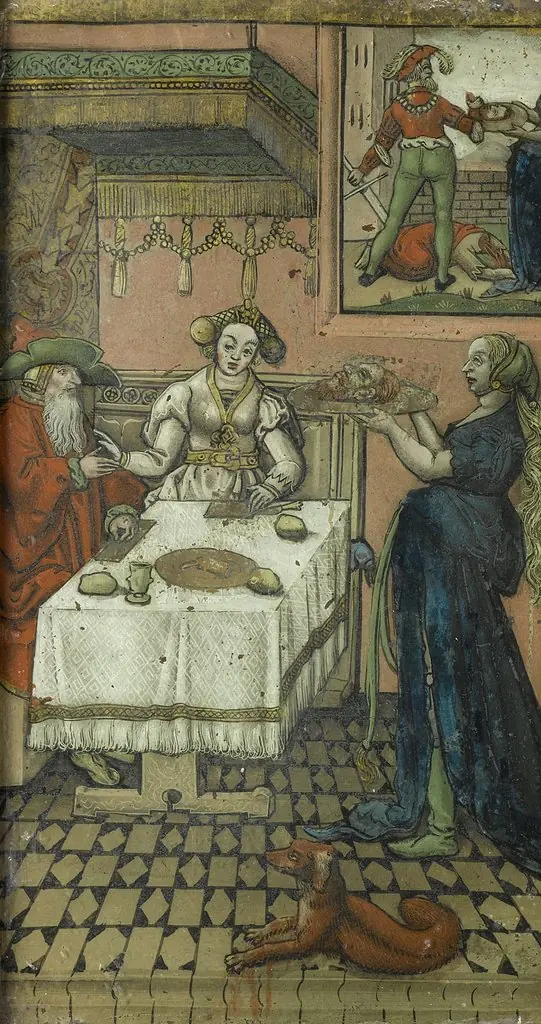 Salome with the head of St John the Baptist
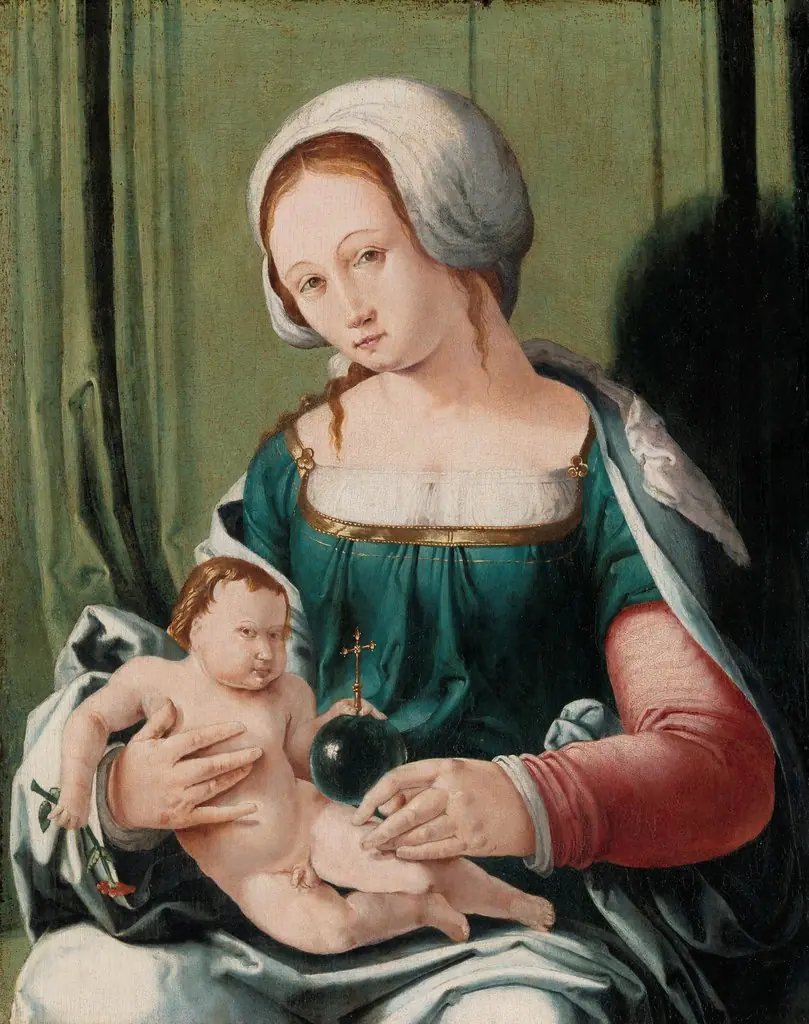 The Virgin and Child
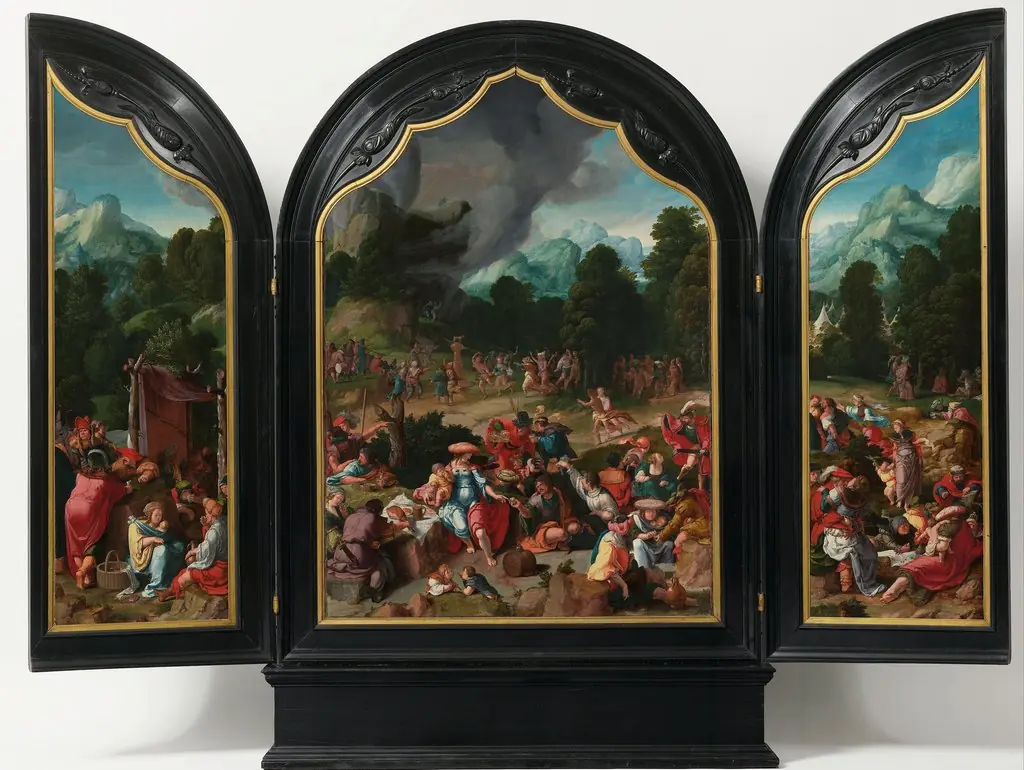 Worship of the Golden Calf
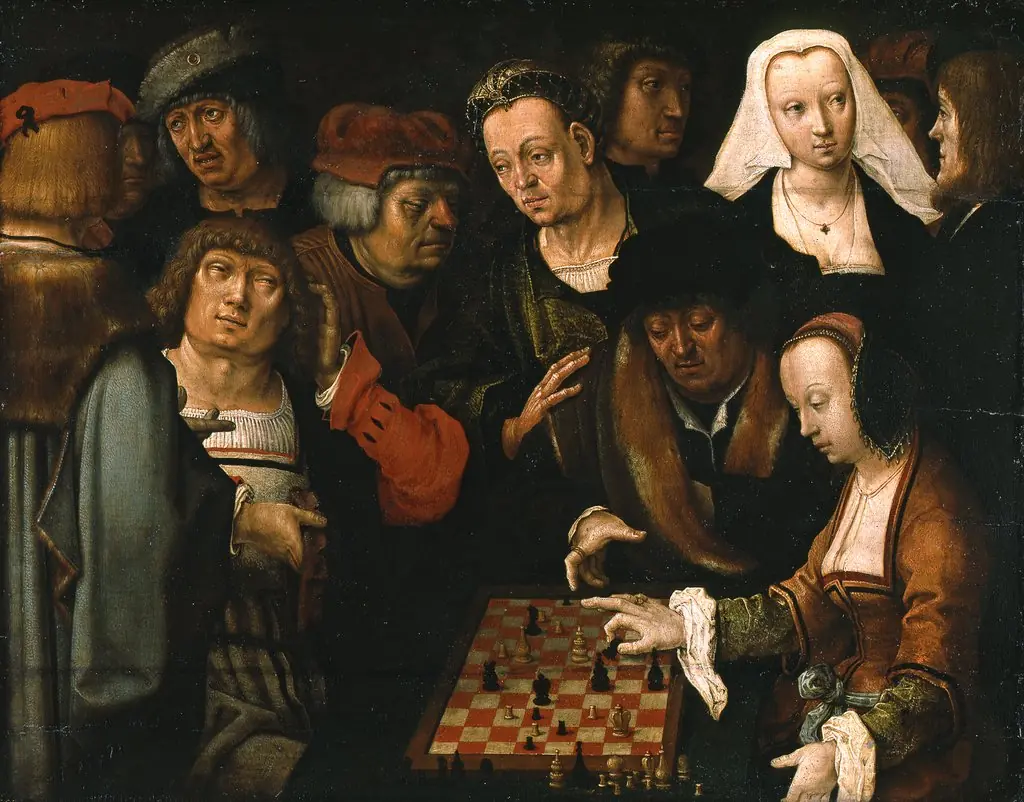 A Game of Chess
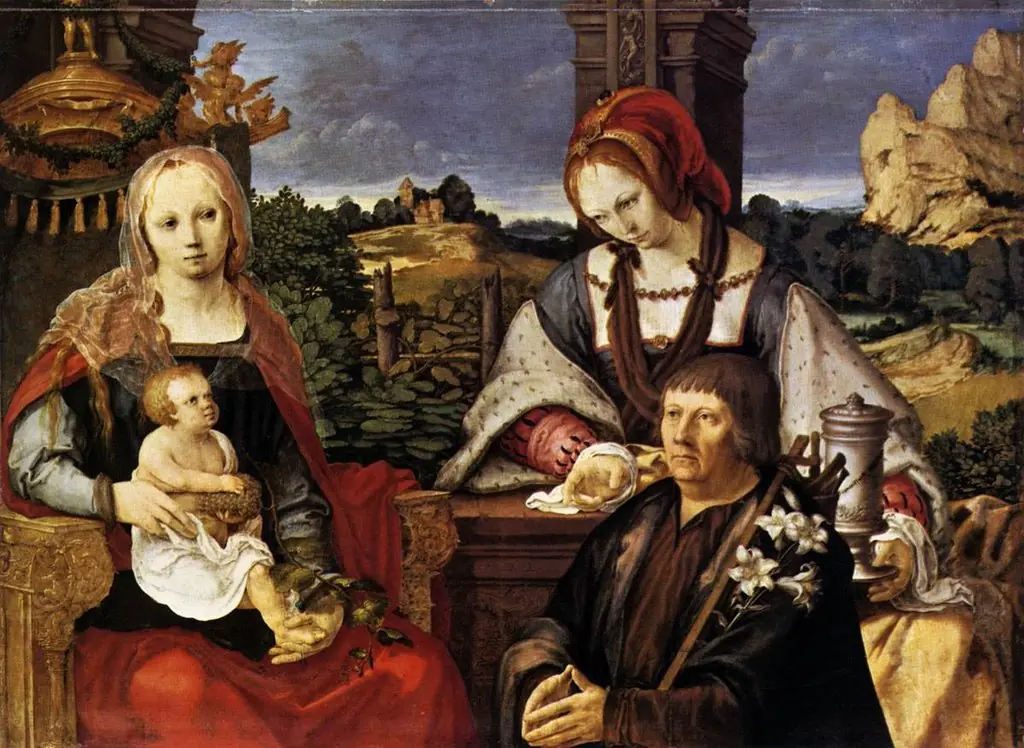 Mary with Child, St. Maria Magdalena and founder (separate outside, Inv. No. 7713)
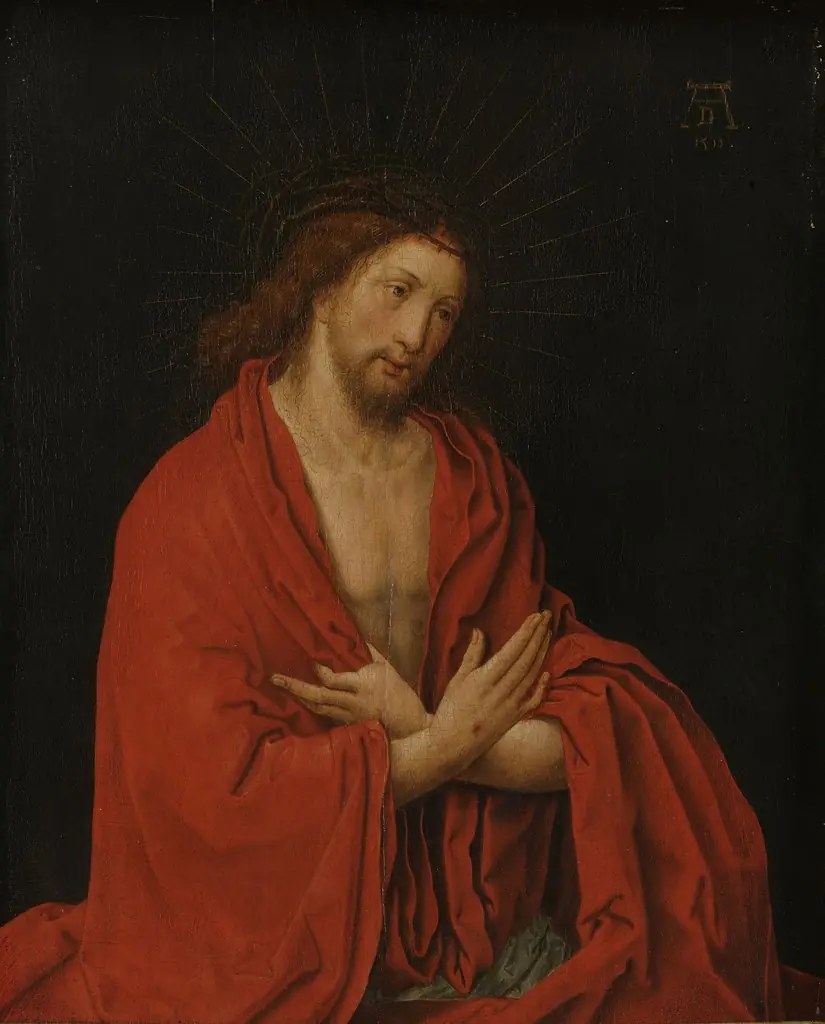 Inner left wing of a diptych with Christ as the Man of Sorrows
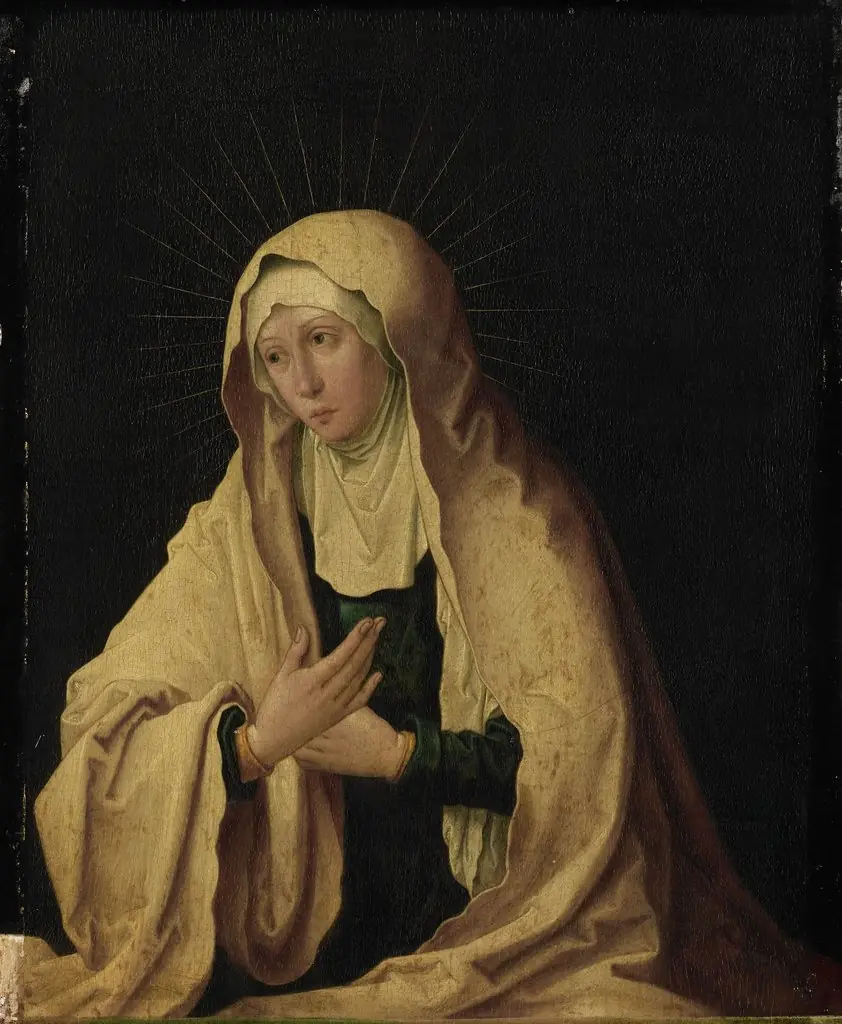 Inner right wing of a diptych with the Virgin as Mater Dolorosa
 Annunciation
 Titus Manlius Torquatus
 Female Genius Holding a Coat of Arms
 Foot Soldier in Front of a Tree
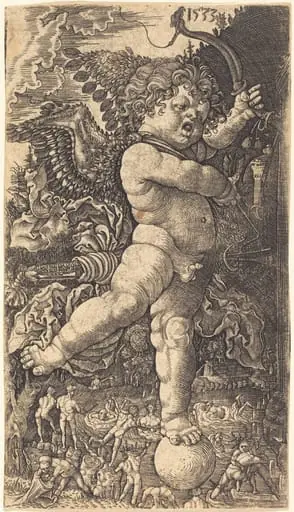 Cupid Balancing on a Globe
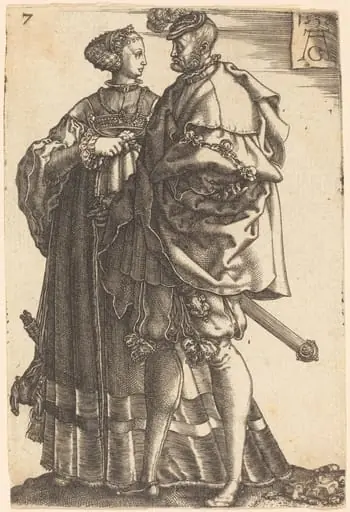 Large Wedding Dancers
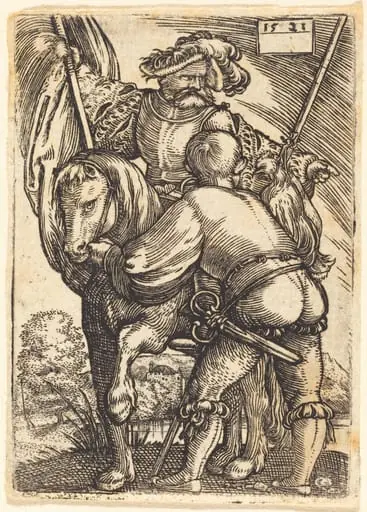 Riding Standard Bearer and Foot Soldier
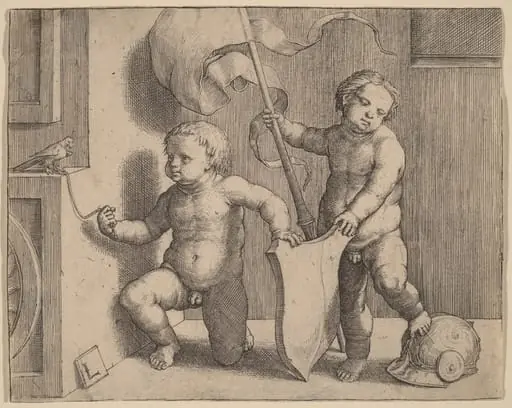 Two Naked Children Supporting a Blank Shield
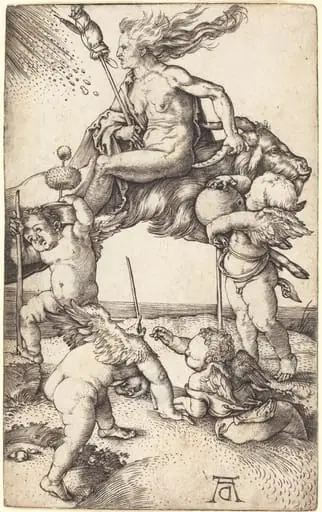 Witch Riding on a Goat
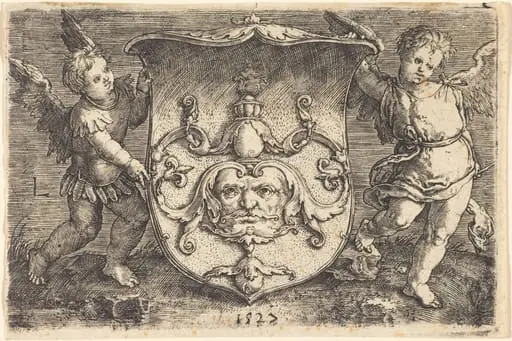 Shield with Mascaron
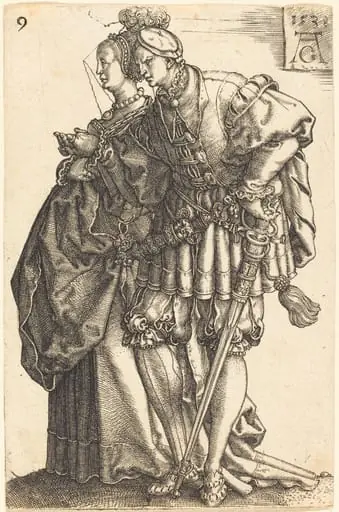 Large Wedding Dancers
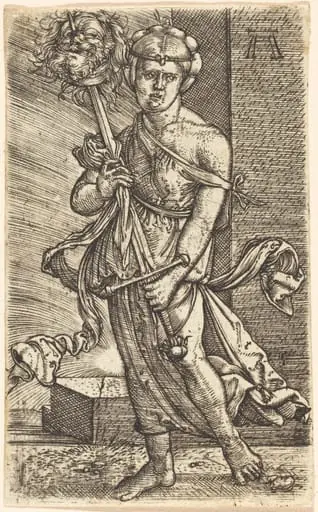 Judith with the Head of Holofernes
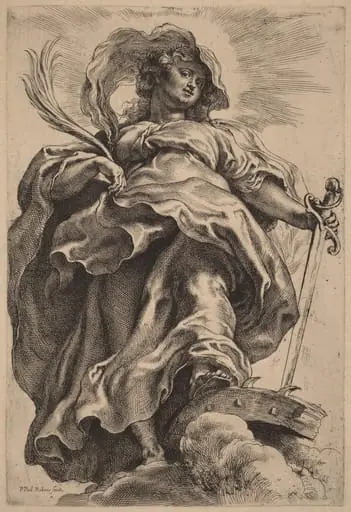 Saint Catherine in the Clouds