Artwork
Two Naked Children Supporting a Blank Shield
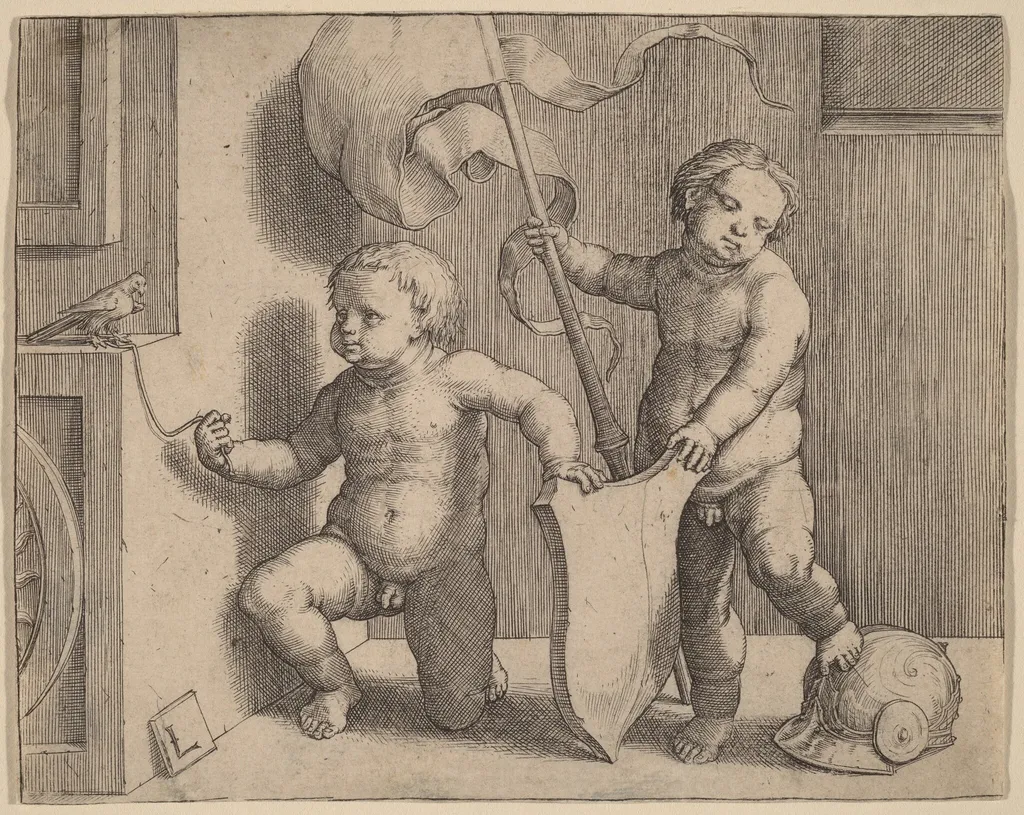
Two Naked Children Supporting a Blank Shield is an ink print by the Renaissance artist Lucas van Leyden. It dates from 1519 and is held in the collection of the National Gallery of Art.
About this work
Overview
Around 1519 Lucas van Leyden produced an engraving that presents two young children supporting a plain shield. The composition is confined to a modest interior, where one child kneels and the other stands, together bearing the unadorned surface. The work exemplifies the artist’s precise line work and his interest in everyday figures rendered with careful observation.
Subject & Meaning
The image features two barefoot, chubby youths—one seated, the other upright—holding a shield that bears no heraldic devices. Their solemn expressions and the stark emptiness of the shield invite contemplation of innocence, duty, or perhaps a symbolic void, while the surrounding objects, such as a bird on a sill and a barrel, ground the scene in domestic reality.
Technique & Style
Van Leyden employed fine, closely spaced lines to model the children’s rounded forms and to suggest the texture of skin and simple drapery. Subtle cross‑hatching creates depth in the interior space, while the crisp delineation of the shield’s smooth plane highlights the contrast between detailed figures and the blank surface they support.
History & Provenance
The Dutch artist, born in 1494, was a prominent early practitioner of genre scenes and an accomplished printmaker. This particular engraving, catalogued among his later works, reflects his mature skill in engraving. It has been preserved in several European print collections, illustrating the continued scholarly interest in van Leyden’s contributions to early Netherlandish printmaking.
Artist & collection

Artist
Lucas van Leyden (1494 – 8 August 1533), was a Dutch painter and printmaker in engraving and woodcut. Lucas van Leyden was among the first Dutch exponents of genre painting and was a very accomplished engraver.

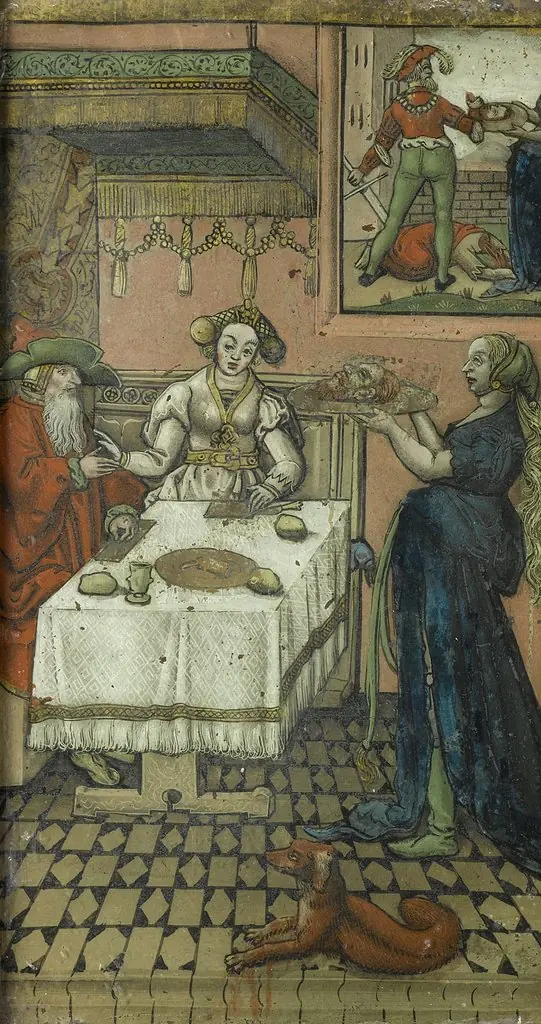 Salome with the head of St John the Baptist
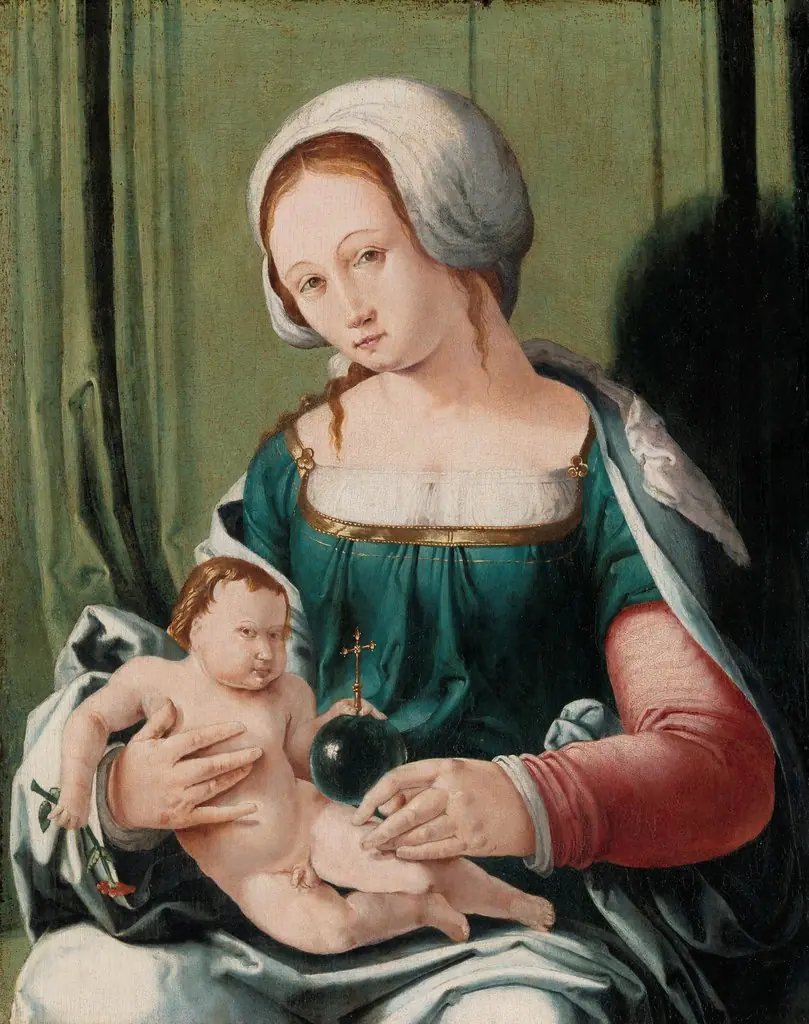 The Virgin and Child
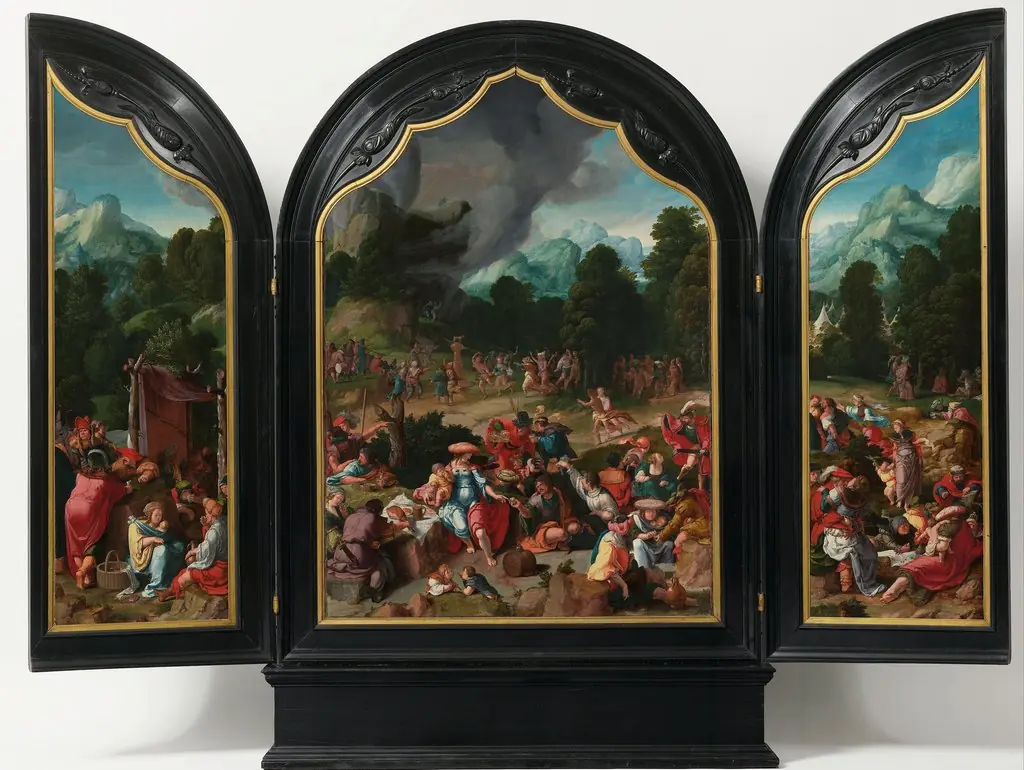 Worship of the Golden Calf
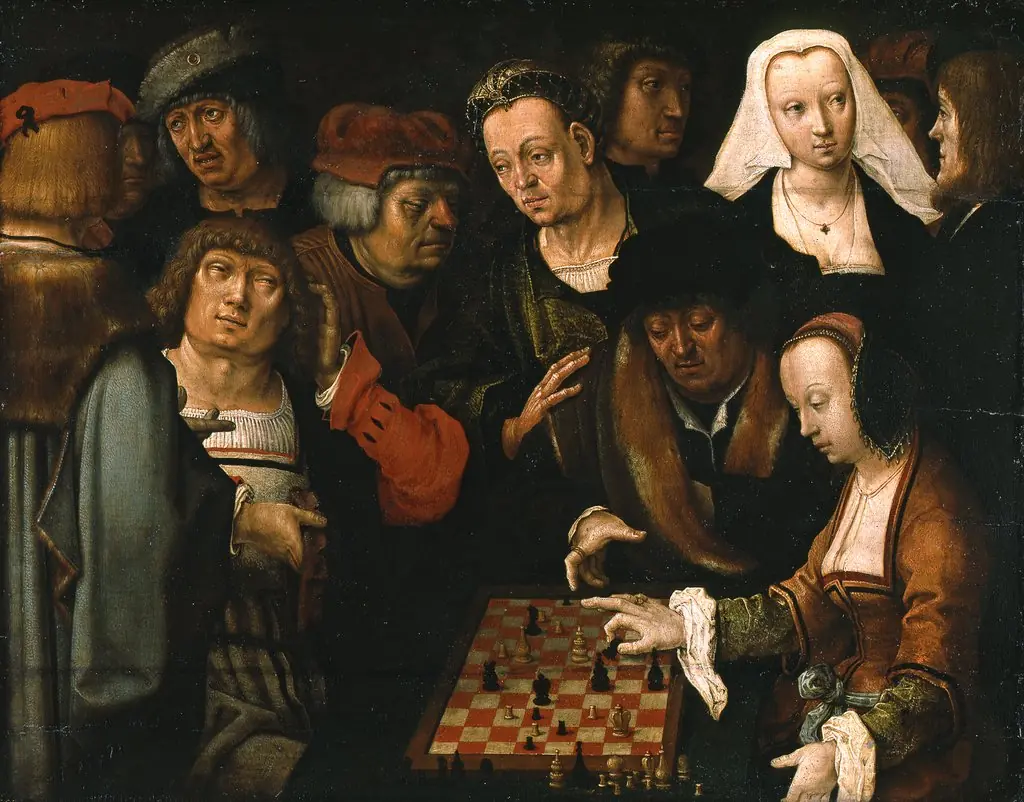 A Game of Chess
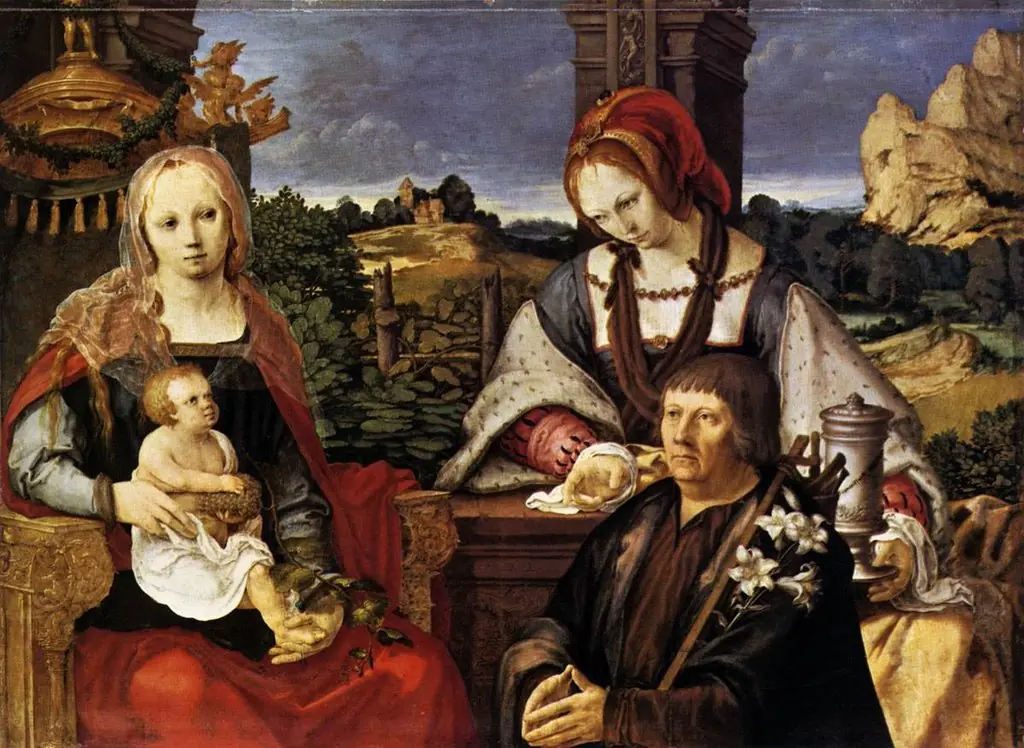 Mary with Child, St. Maria Magdalena and founder (separate outside, Inv. No. 7713)
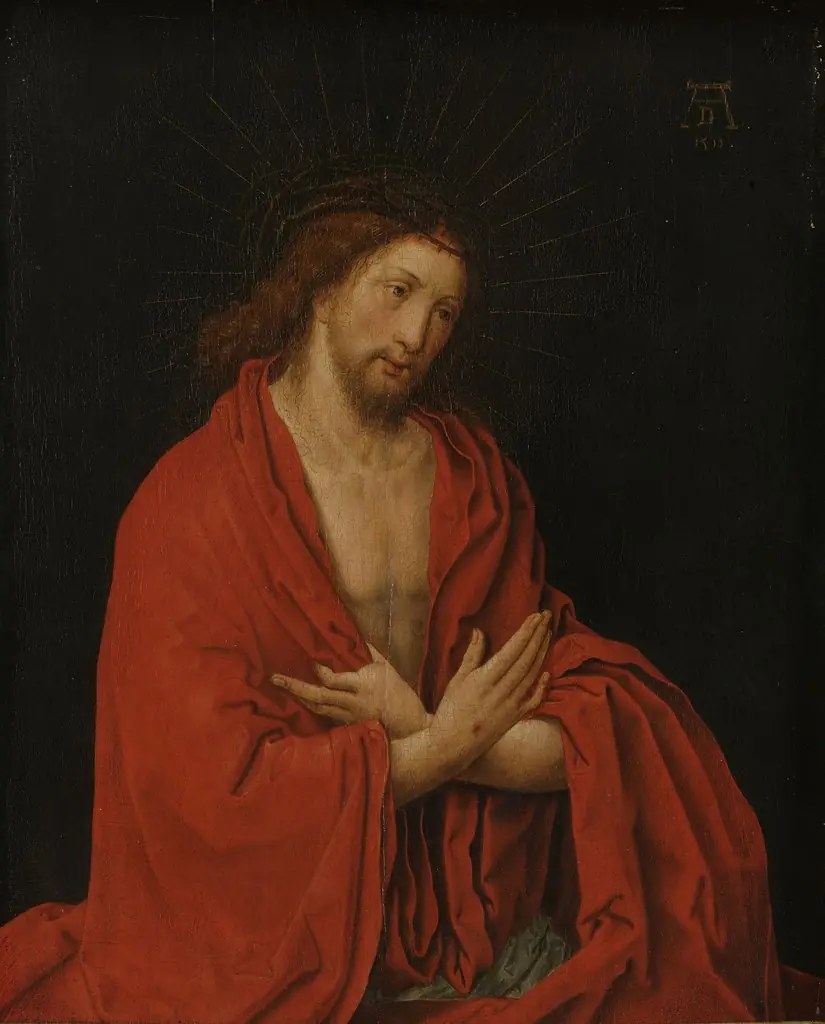 Inner left wing of a diptych with Christ as the Man of Sorrows
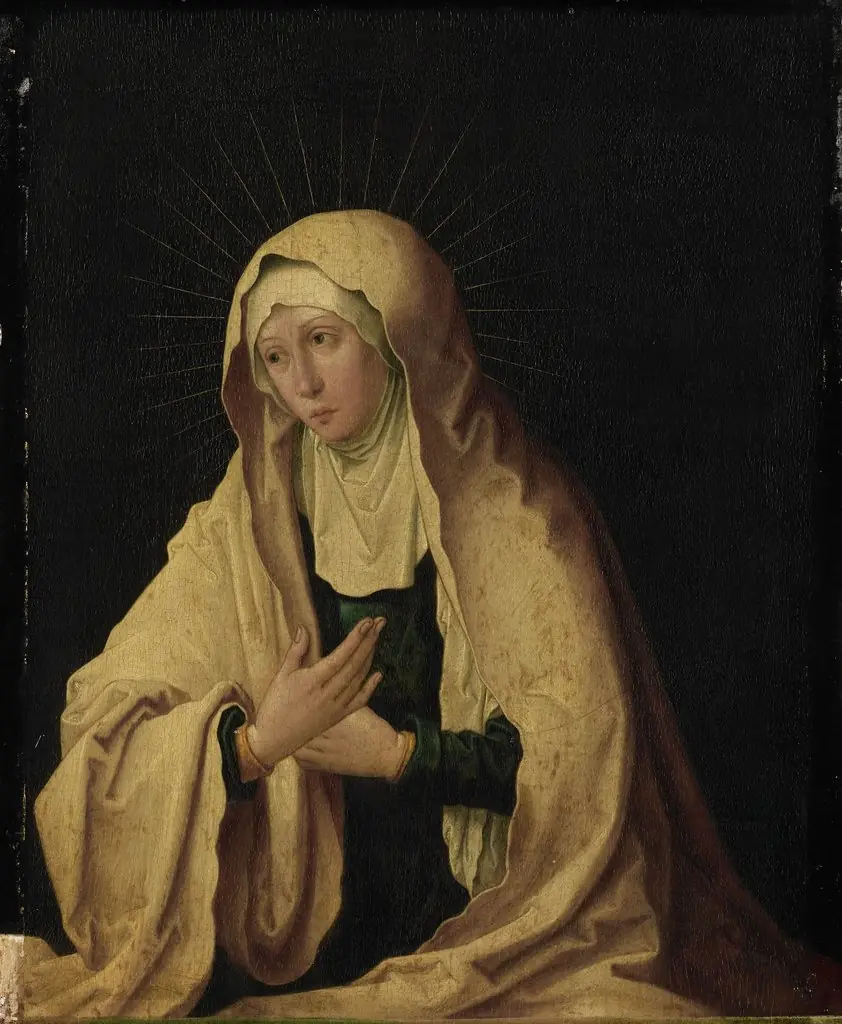 Inner right wing of a diptych with the Virgin as Mater Dolorosa
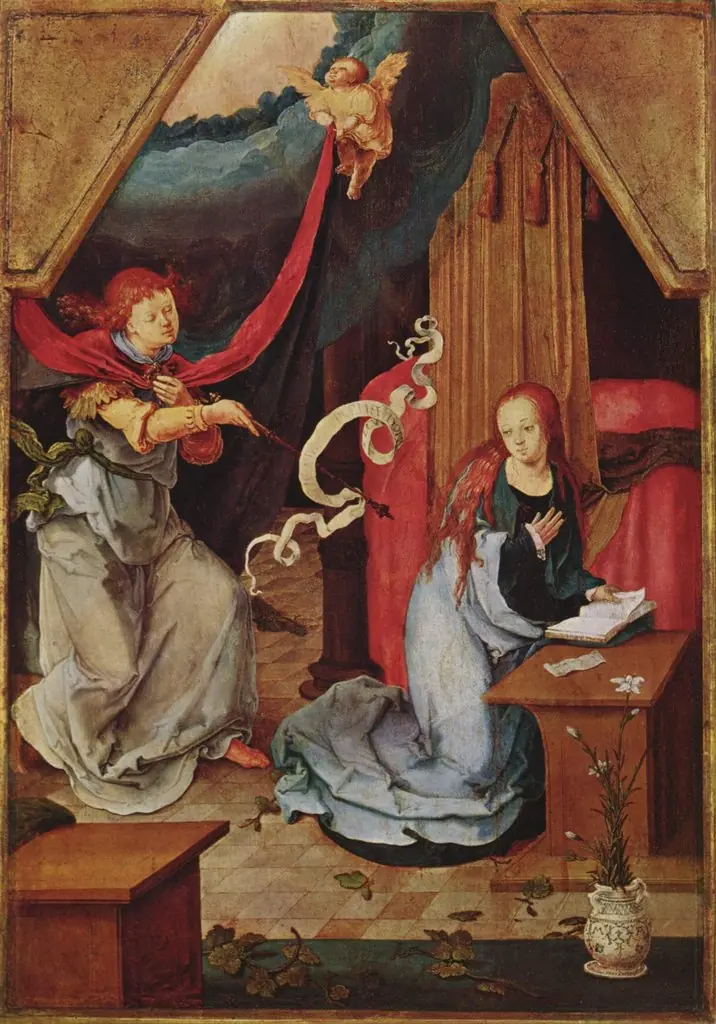 Annunciation
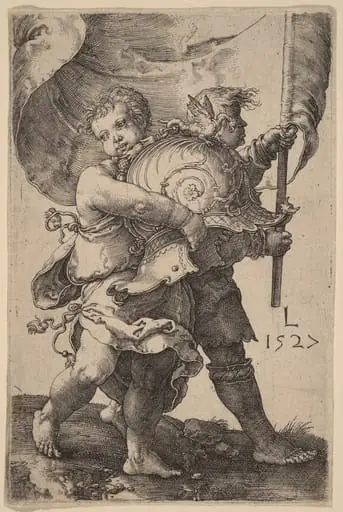 Two Boys with a Helmet and a Standard
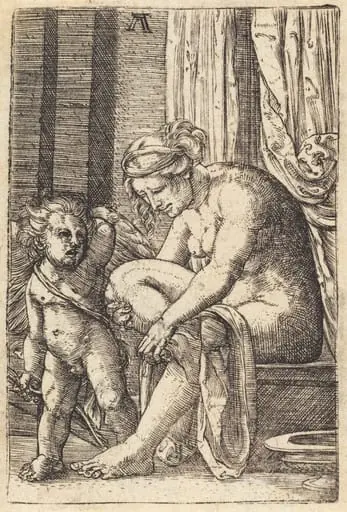 Venus after the Bath
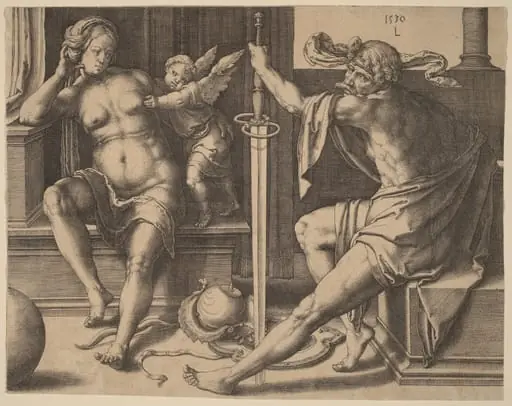 Mars, Venus, and Cupid
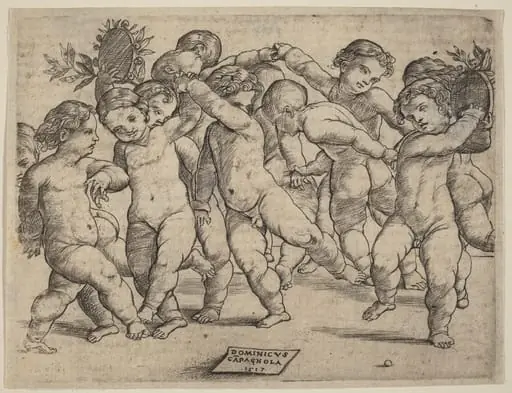 Twelve Children Dancing
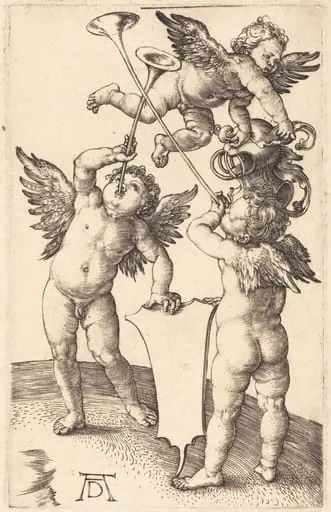 Three Genii
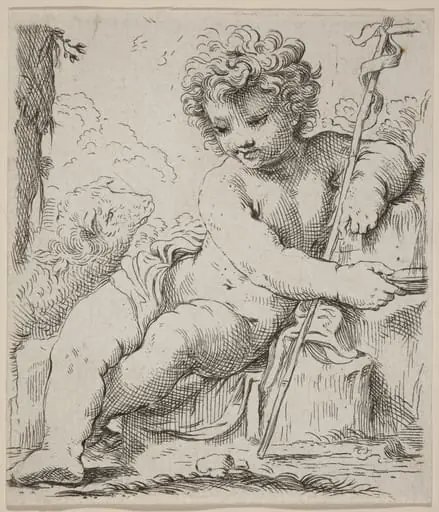 The Infant Saint John
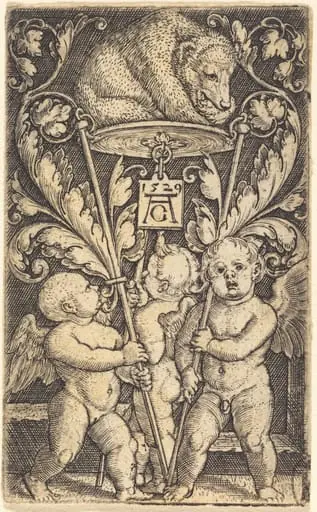 Three Cupids and a Bear
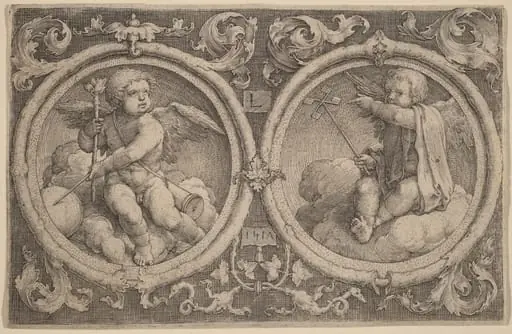 Two Cupids Seated on Clouds in Two Circles
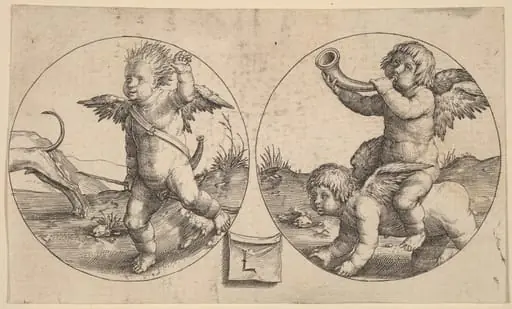 Two Cupids in Two Circles
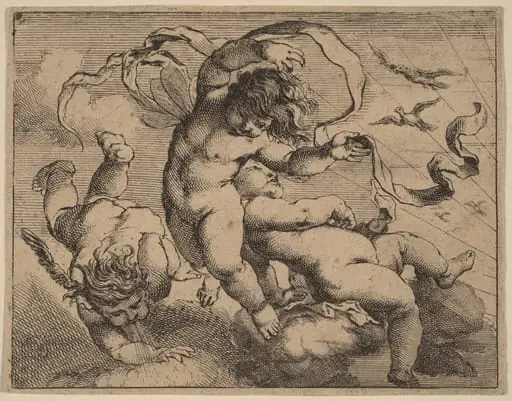 Three Flying Putti
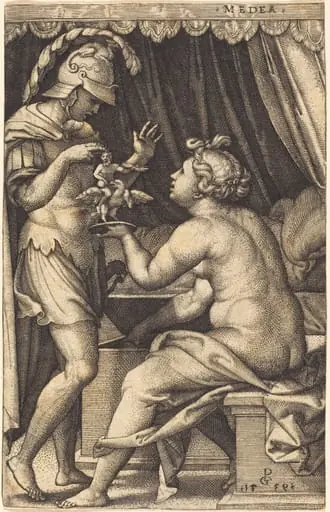 Medea Returning the Penates to Jason
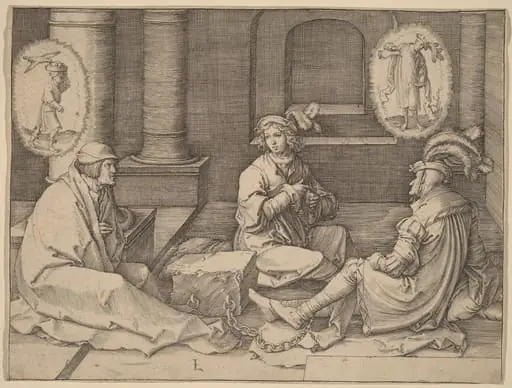 Joseph Interprets the Dreams in Prison