Artwork
Autorretrato
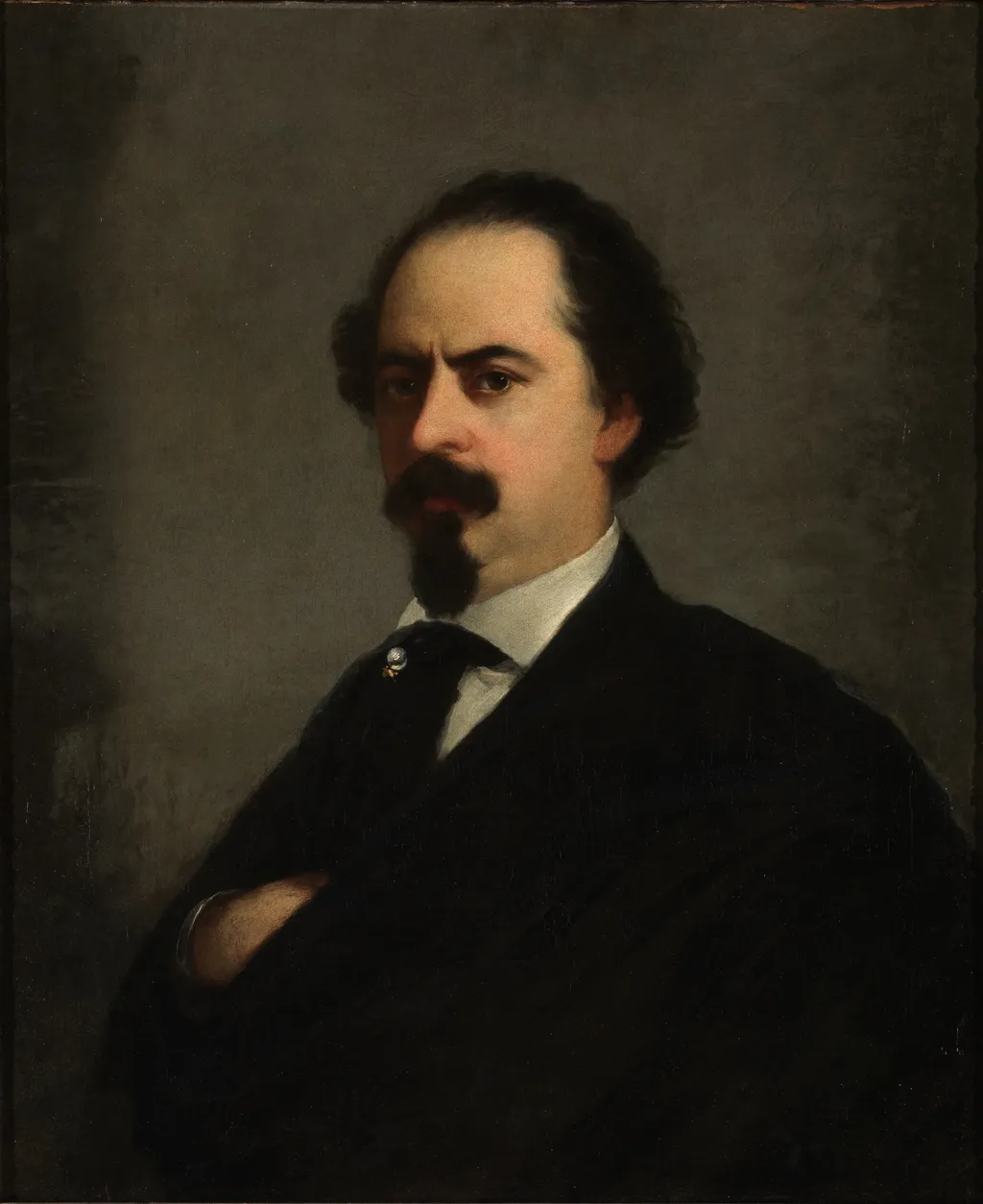
Autorretrato is an oil painting by Lucas Velázquez. It dates from 1860 and is held in the collection of the Museo del Prado.
About this work
Overview
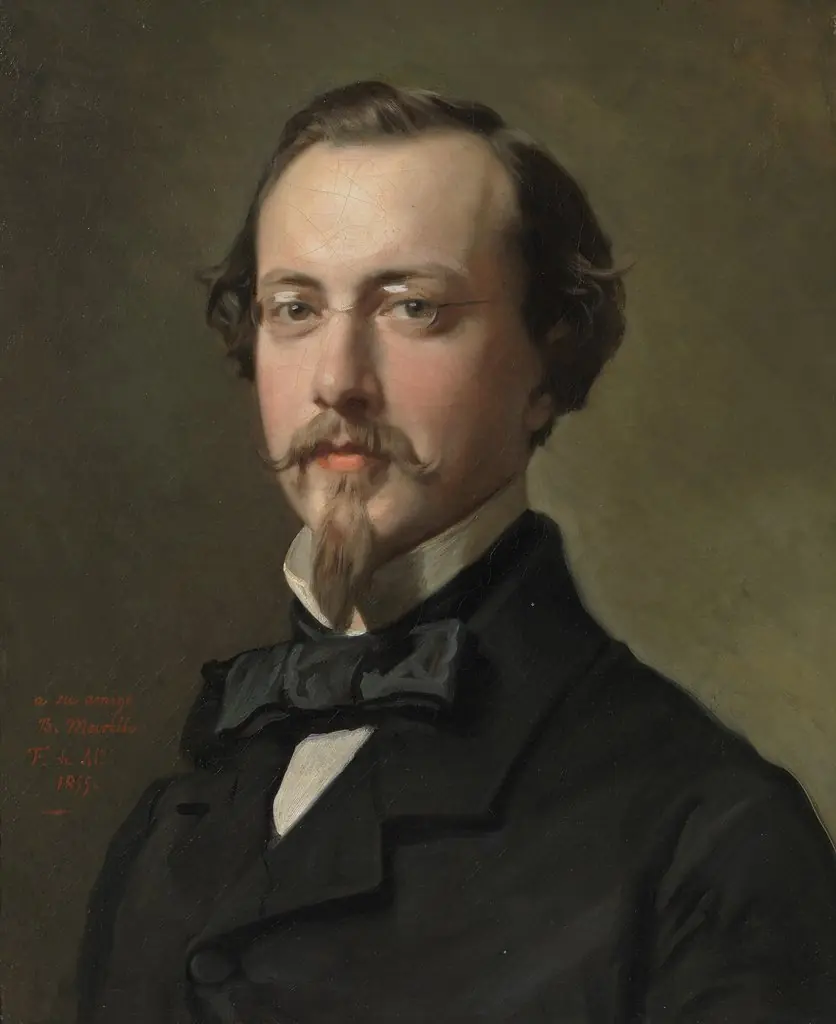
Created in 1860, this oil self‑portrait by Spanish painter Lucas Velázquez presents the artist in a dark suit with a crisp white collar and a prominent mustache. The composition isolates the figure against an unadorned, shadowy backdrop, directing attention to his facial features and attire. The work is currently housed in the Museo del Prado in Madrid.
Subject & Meaning
The portrait depicts Velázquez himself, his hand placed over his chest in a pose that suggests introspection or personal affirmation. The plain background and subdued palette emphasize the sitter’s identity rather than narrative context, aligning with the Romantic interest in individual experience and inner life.
Technique & Style
Velázquez employs a chiaroscuro scheme, using strong contrasts of light and dark to model the face and clothing with a three‑dimensional quality. Smooth, controlled brushstrokes render the textures of fabric and hair realistically, while the overall treatment reflects the genre and costumbrista tendencies that blend everyday realism with subtle, imaginative touches.
History & Provenance
After its completion, the painting entered the collection of the Museo del Prado, where it remains part of the institution’s holdings of 19th‑century Spanish art. Its presence in the Prado situates Velázquez within the broader narrative of Romantic painters who contributed to Spain’s artistic heritage during that period.
Own this work as a print
Artist & collection
Artist
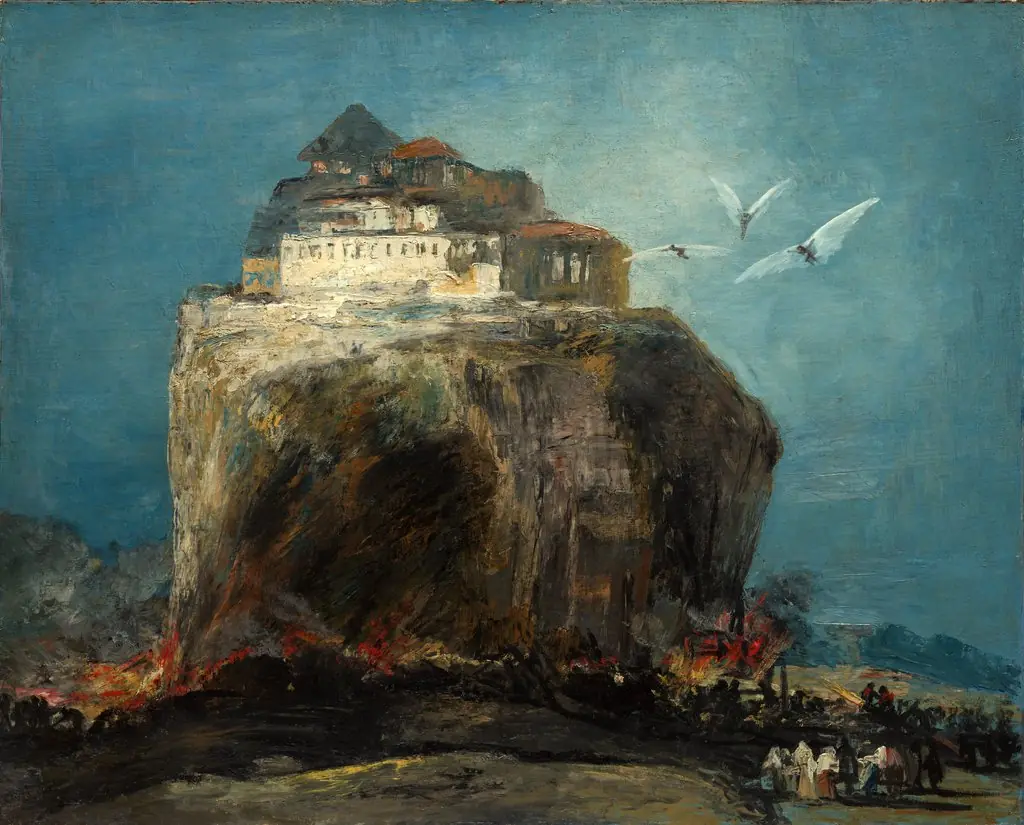
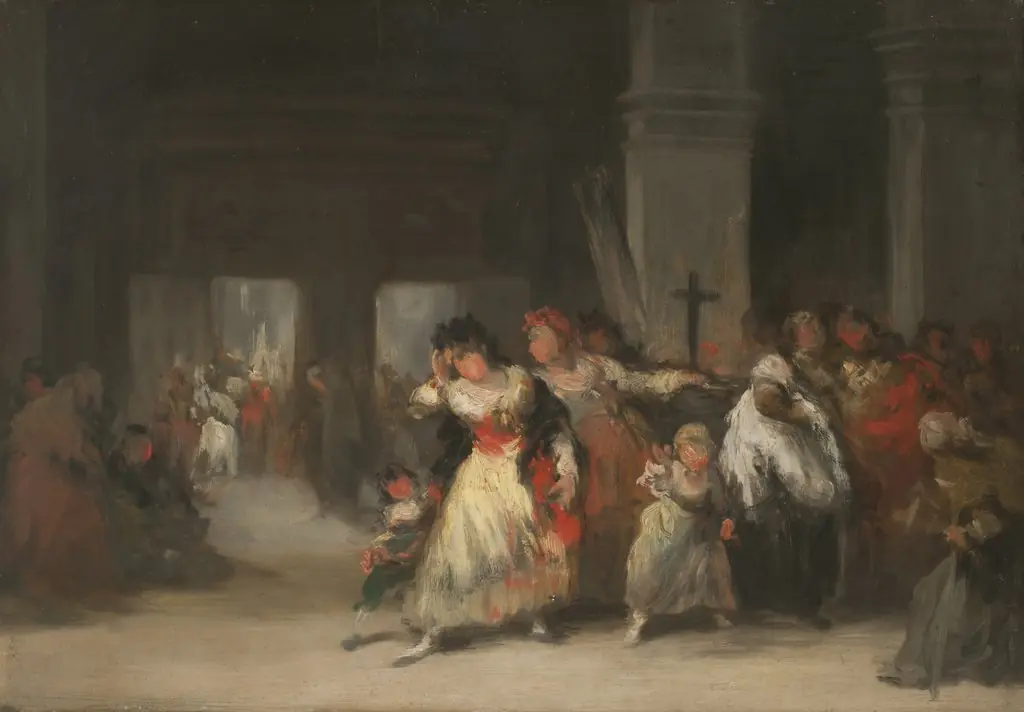
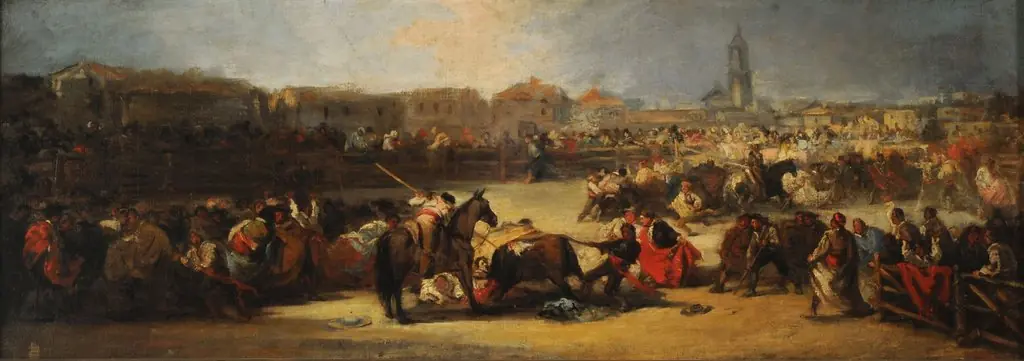
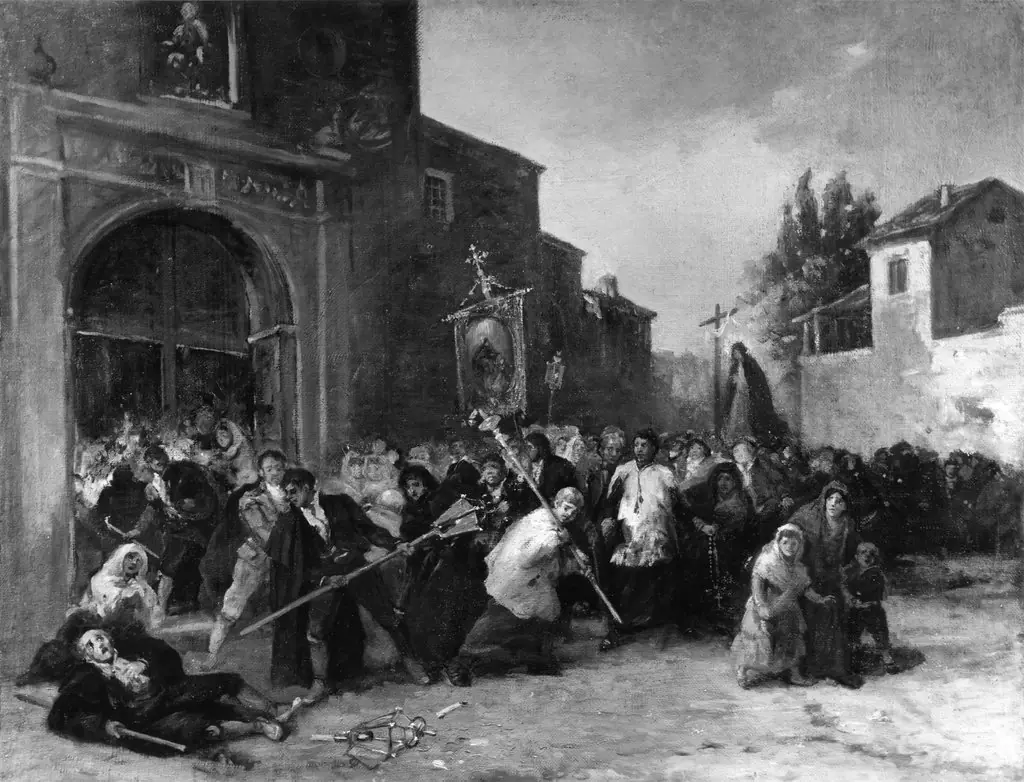
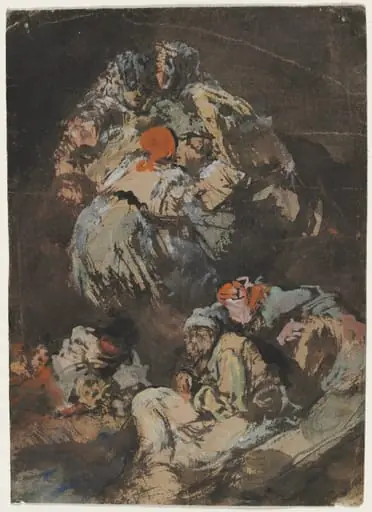
Eugenio Lucas Velázquez (9 February 1817 – 11 September 1870) was a Spanish painter in the Romantic style, known for genre and costumbrista scenes which often featured fantastic elements.

 El pintor Benito Soriano Murillo
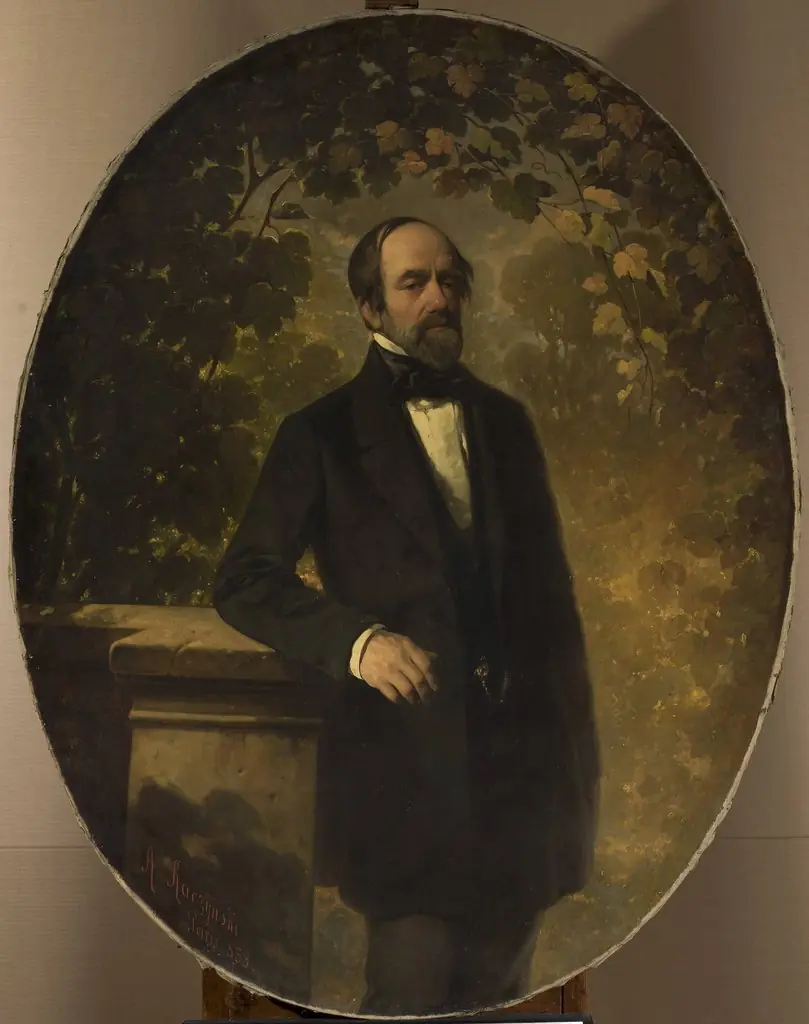 Portrait of Bohdan Zaleski
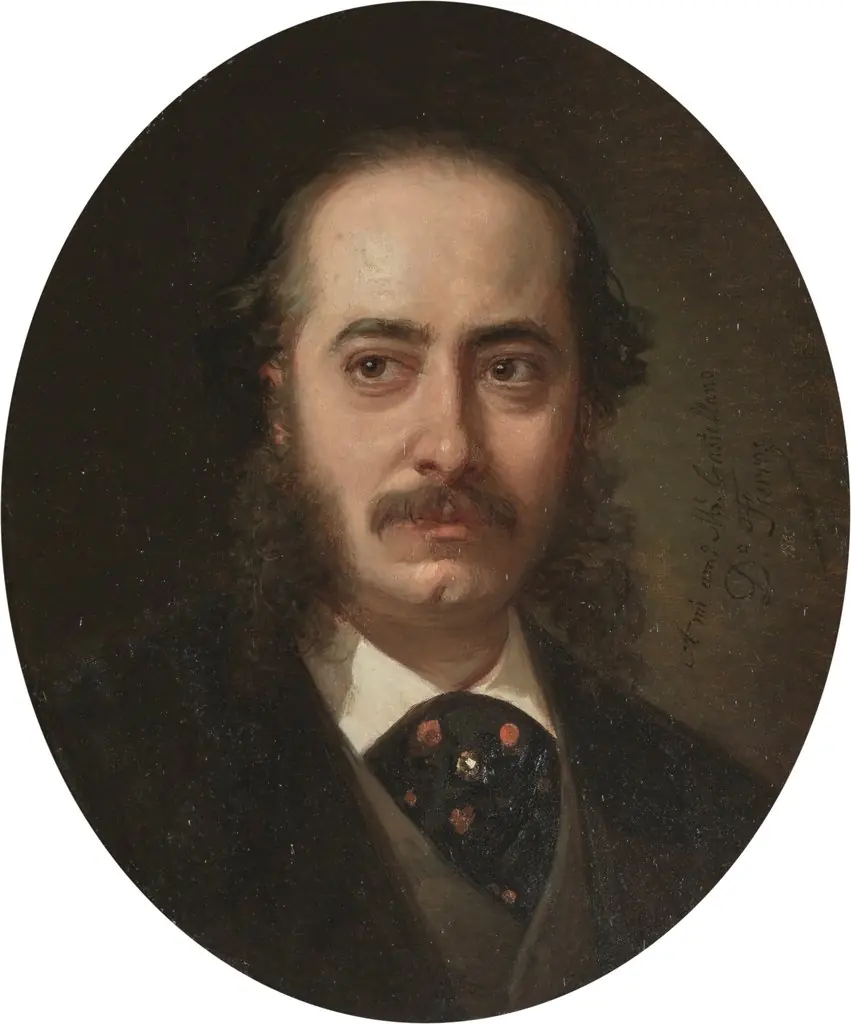 El pintor Manuel Castellano
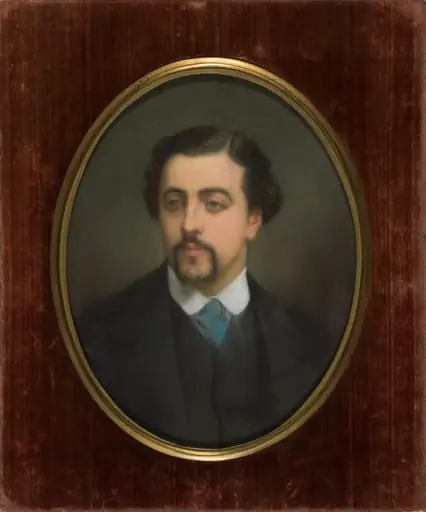 Paul Demidov nuorempi
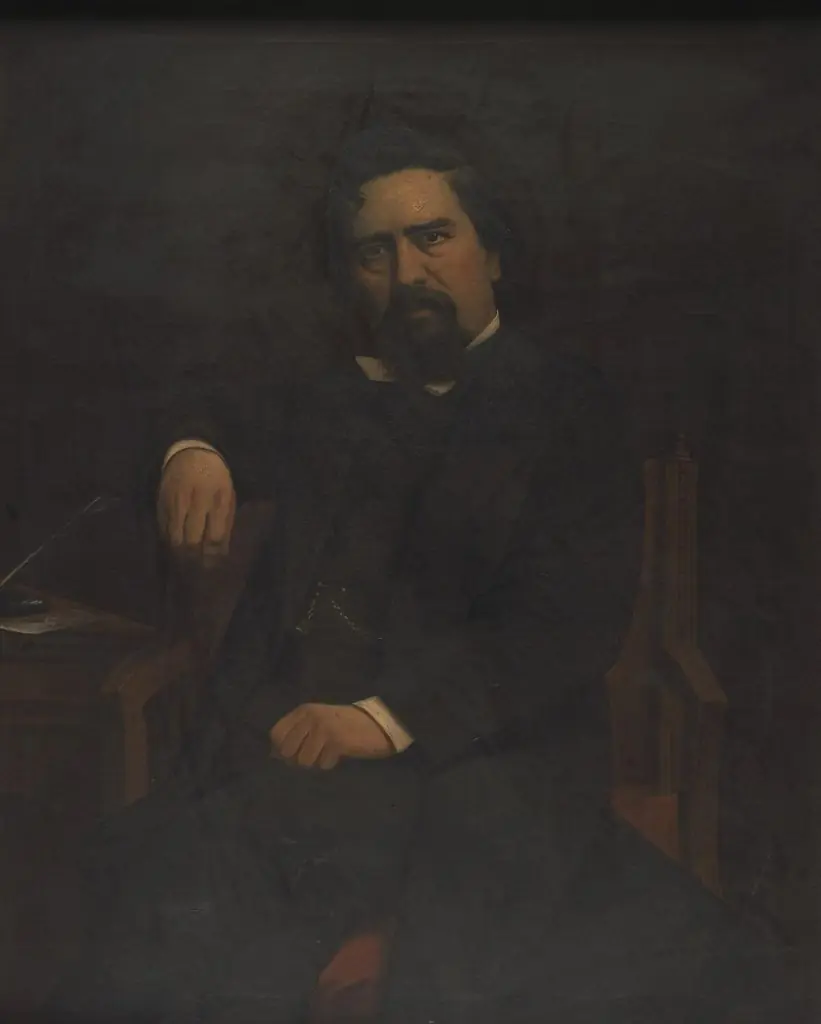 Portrait of a bearded minister
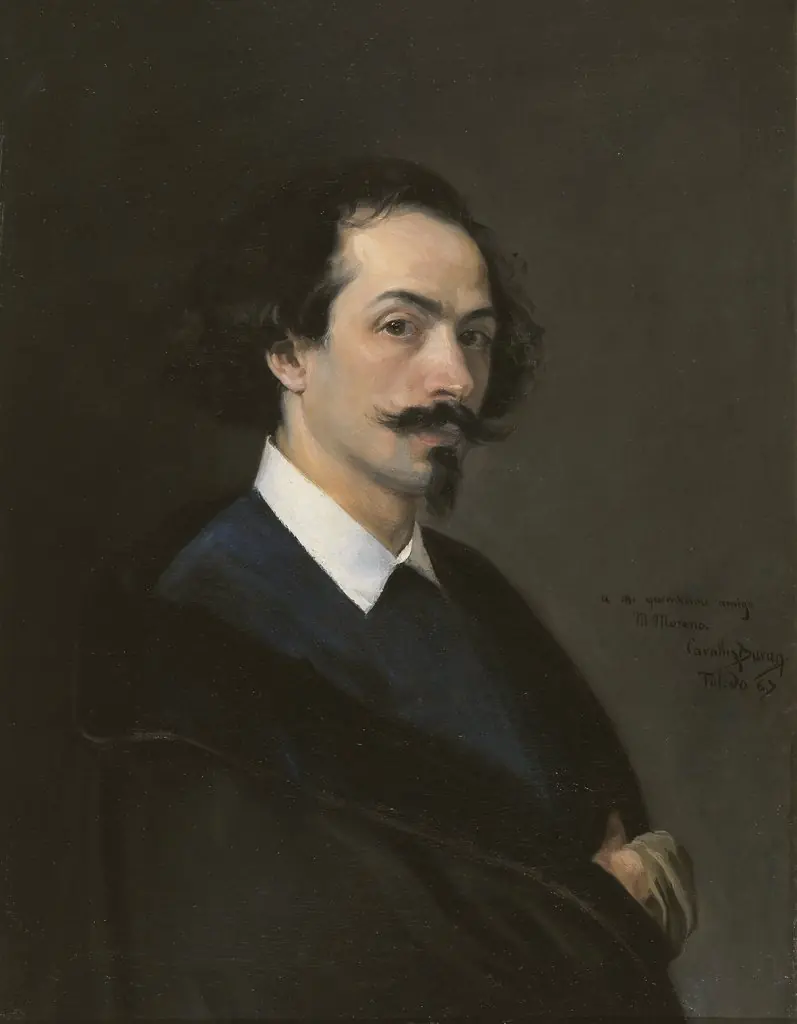 The Painter Matías Moreno
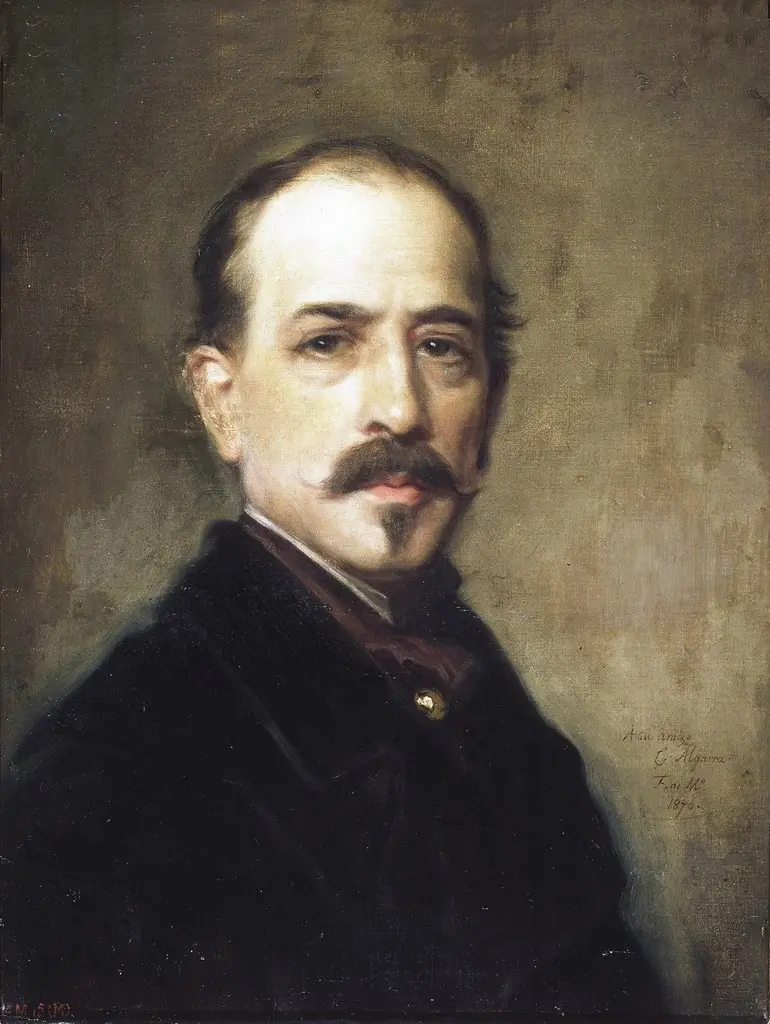 El pintor Cosme Algarra
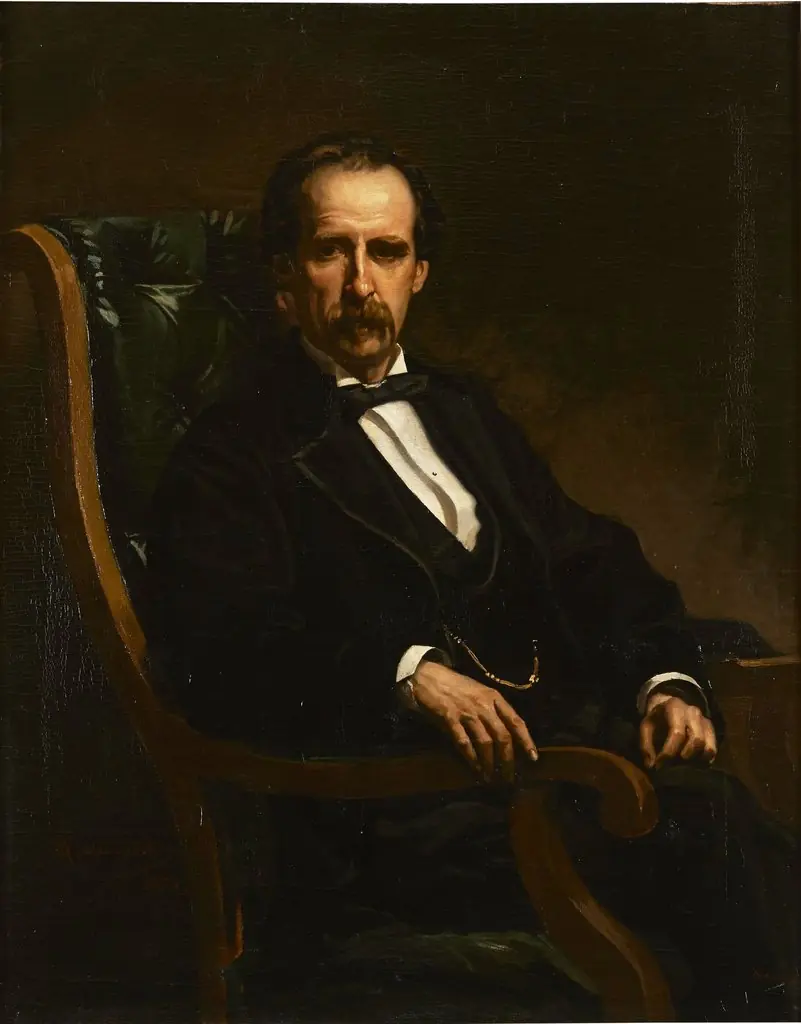 El escritor Enrique Pérez Escrich
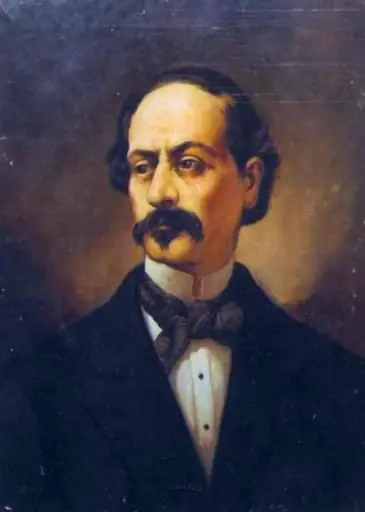 Dimitrie Bolintineanu
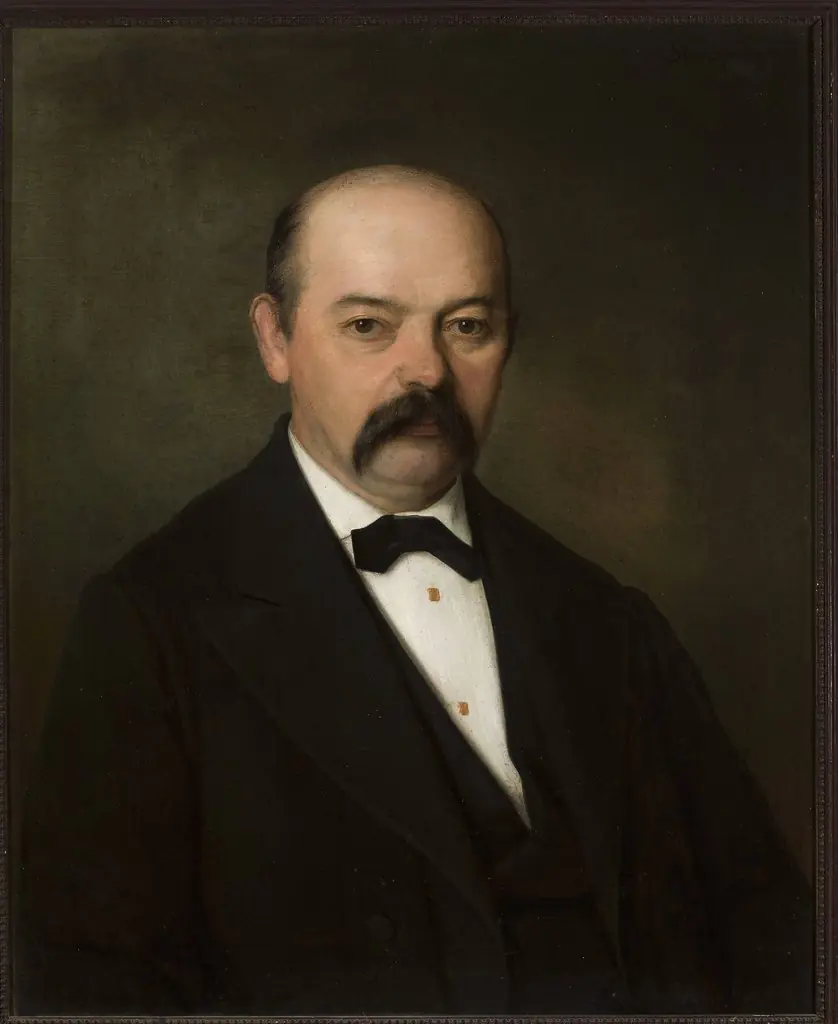 Portrait of Michał Rola Woszczyński
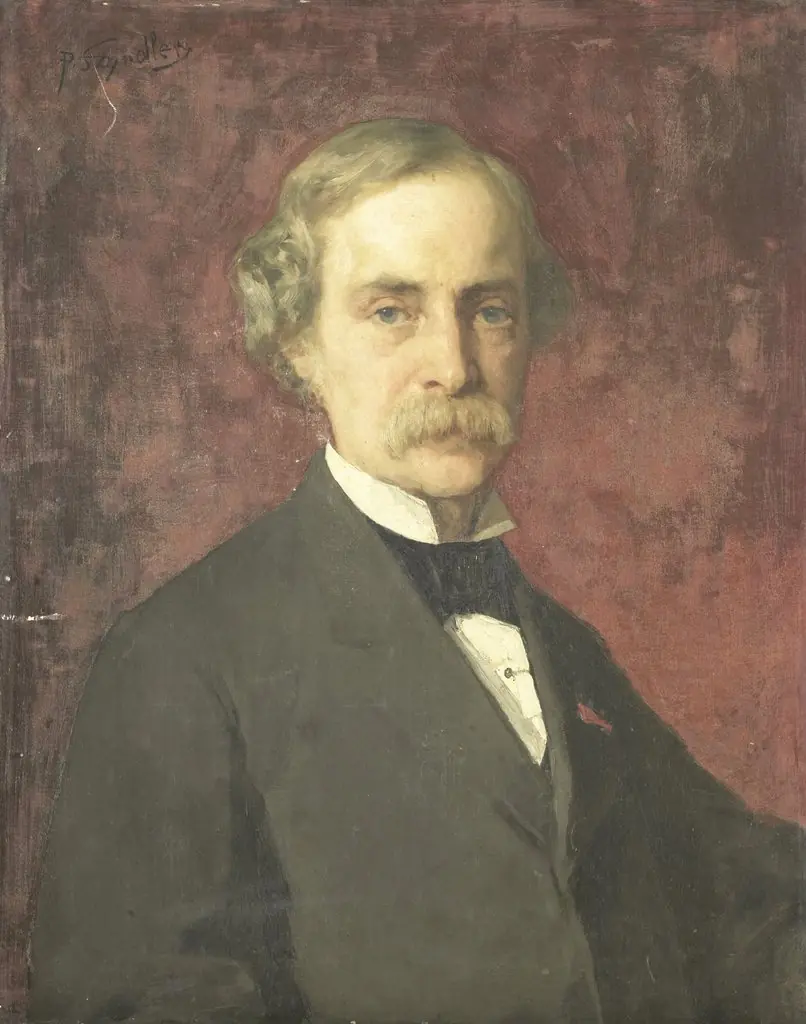 Johann Wilhelm Kaiser (1813-1900). Graficus, directeur van de Graveerschool en van het Rijksmuseum
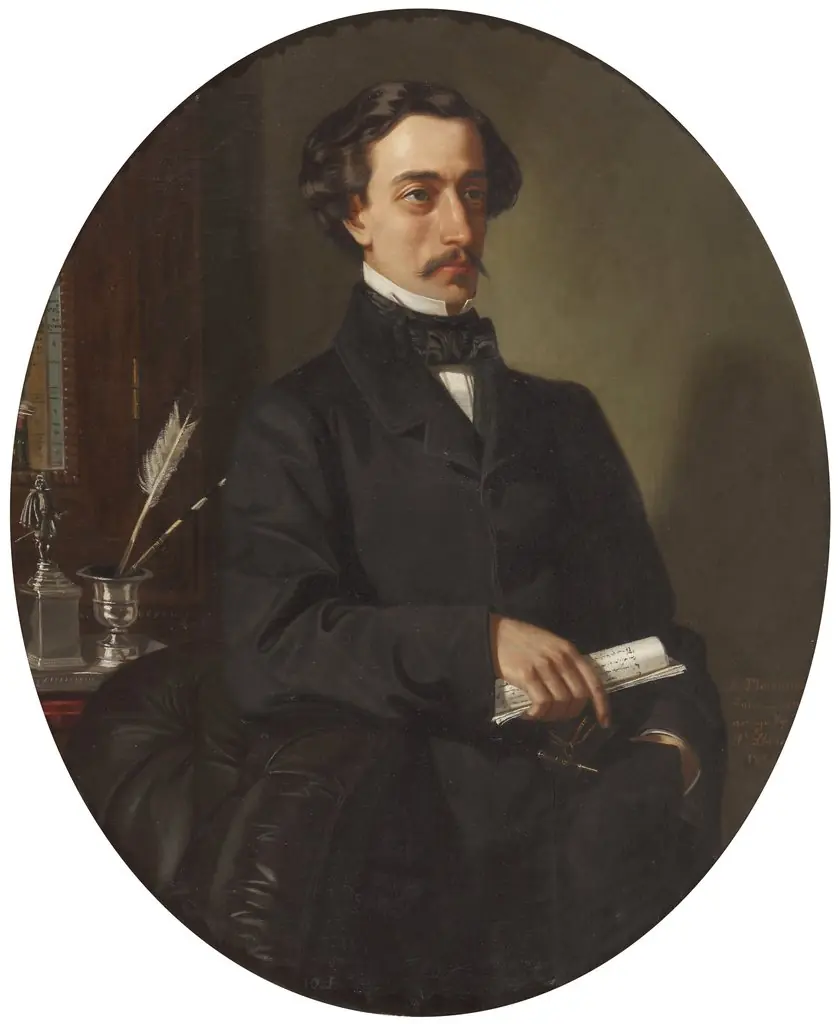 Eulogio Florentino Sanz y Sánchez