Artwork
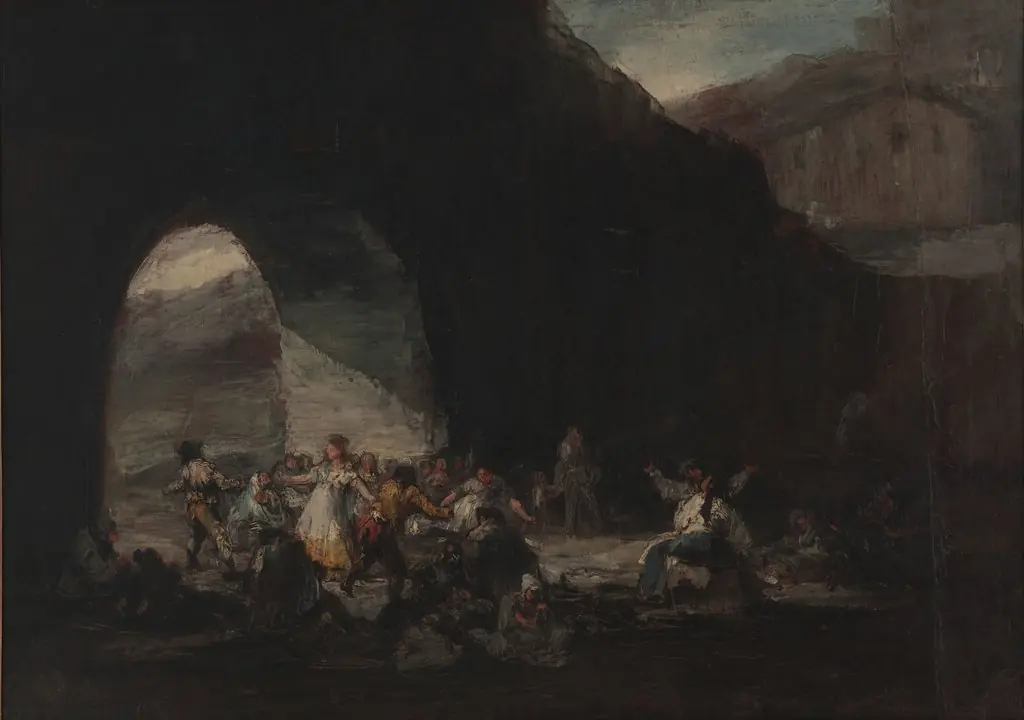
Bullfight in a village
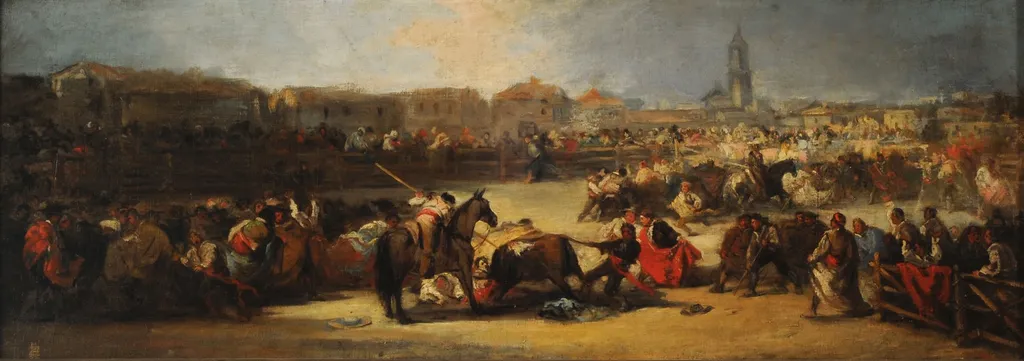
Bullfight in a village is an oil painting by Lucas Velázquez. It dates from 1850 and is held in the collection of the National Museum of Fine Arts, Argentina.
About this work
Overview
Painted around 1850, *Bullfight in a Village* is an oil work by Spanish artist Lucas Velázquez, a figure associated with Romantic-era genre painting.
Painted around 1850, *Bullfight in a Village* is an oil work by Spanish artist Lucas Velázquez, a figure associated with Romantic-era genre painting. It captures a moment of communal upheaval during a rural bullfight, rendered with a blend of observed detail and dramatic intensity. The painting resides in the National Museum of Fine Arts in Buenos Aires, where it stands as an example of 19th-century Spanish visual culture exported beyond its borders.
Subject & Meaning
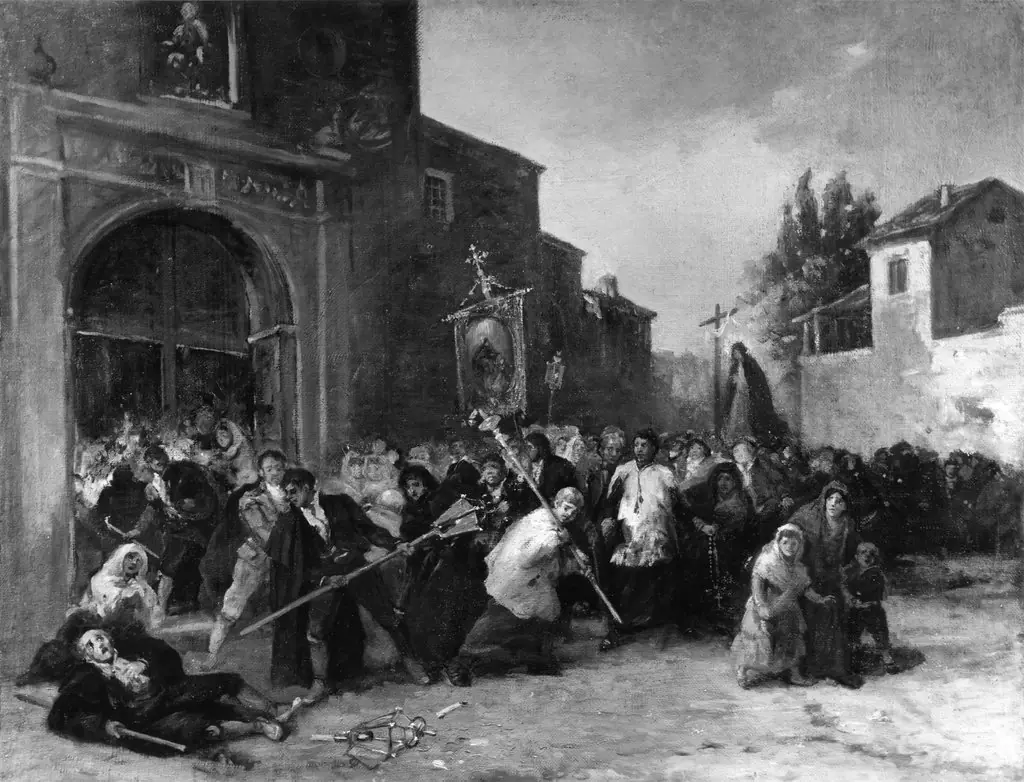
The scene depicts a village bullfight in full chaos: a bull charges toward a dense cluster of onlookers, while others scramble to escape. Figures are arranged in layers—some on the ground, others perched on benches—emphasizing the communal nature of the event. The presence of a church steeple in the background suggests the intertwining of sacred and violent traditions in rural Spanish life, hinting at deeper cultural tensions beneath the spectacle.
Technique & Style
Velázquez employs chiaroscuro to heighten the drama, directing light toward the central confrontation and letting shadows swallow the periphery. Warm tones—ochres, reds, and browns—imbue the scene with heat and urgency, while loose brushwork in the crowd conveys motion without overrefinement. His style merges acute observation of folk life with theatrical composition, avoiding idealization in favor of visceral immediacy.
History & Provenance
Created during Velázquez’s active period in mid-19th century Spain, the painting entered the collection of the National Museum of Fine Arts in Buenos Aires in the late 19th or early 20th century, likely through cultural exchange or acquisition. Its presence in Argentina reflects broader transatlantic interest in Spanish regional subjects during a time when Latin American institutions were building national collections.
Context
In mid-1800s Spain, bullfighting was both a popular spectacle and a contested symbol of national identity. Velázquez’s focus on a village setting, rather than an urban arena, highlights the practice’s roots in local tradition. His work aligns with costumbrismo—a movement documenting everyday customs—but infuses it with emotional gravity, distinguishing it from purely documentary depictions.
Legacy
Though not widely known outside specialist circles, Velázquez’s approach influenced later regional painters who sought to capture folk rituals with psychological depth. *Bullfight in a Village* remains a quiet testament to the persistence of traditional spectacles in modernizing societies, offering a nuanced view of rural Spain that resists romanticization or caricature.
Artist & collection
Artist
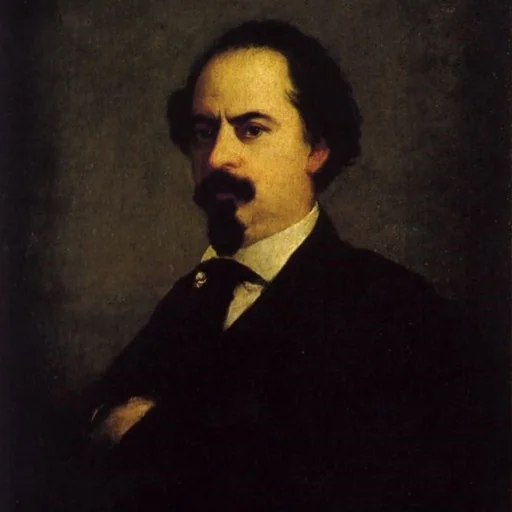
Eugenio Lucas Velázquez (9 February 1817 – 11 September 1870) was a Spanish painter in the Romantic style, known for genre and costumbrista scenes which often featured fantastic elements.

Museum
National Museum of Fine Arts, Argentina
Continue through works from the same source collection.