Artwork
Piața Sfântul Anton
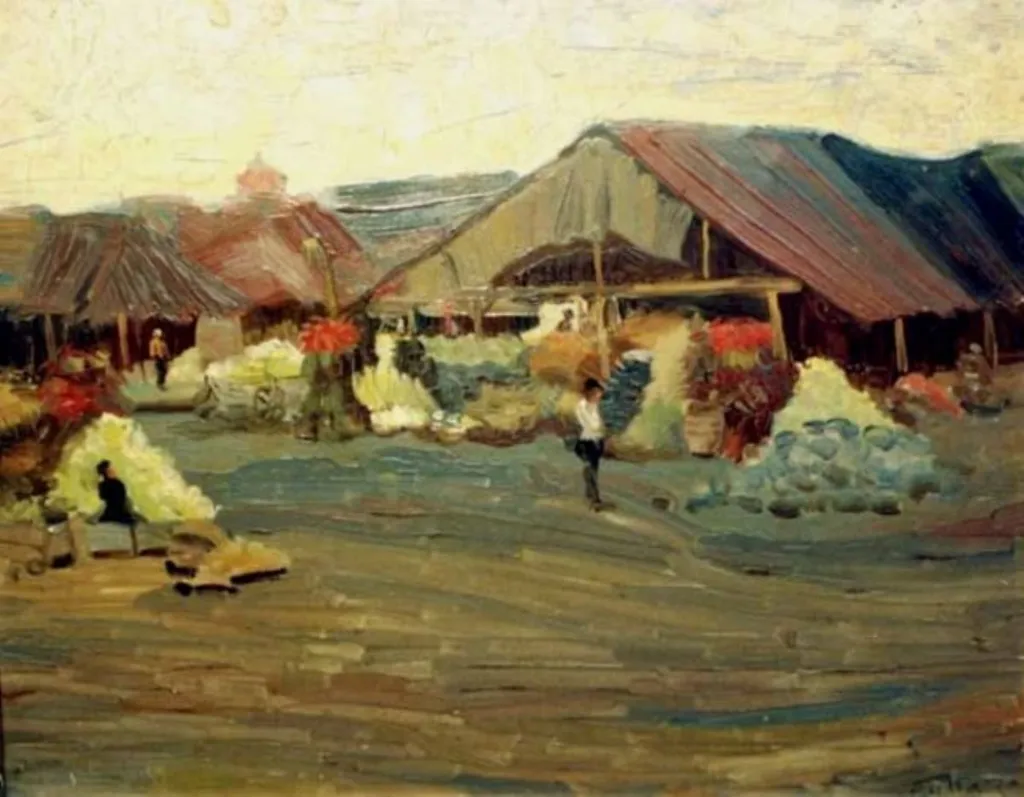
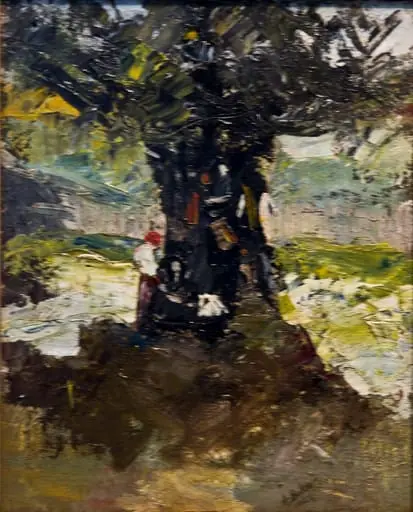
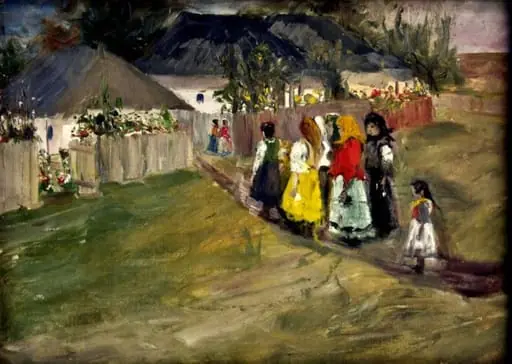
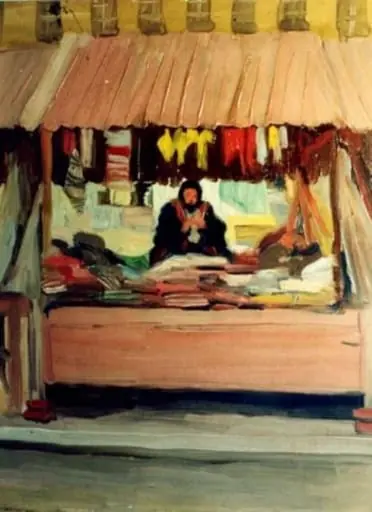
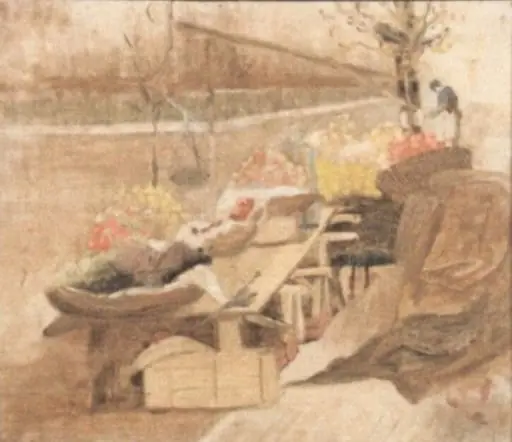
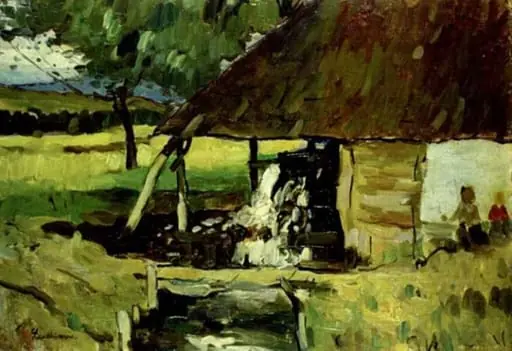
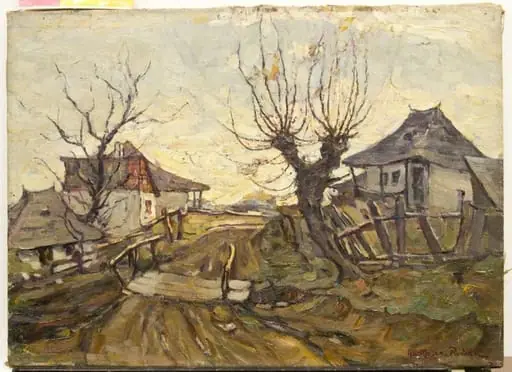
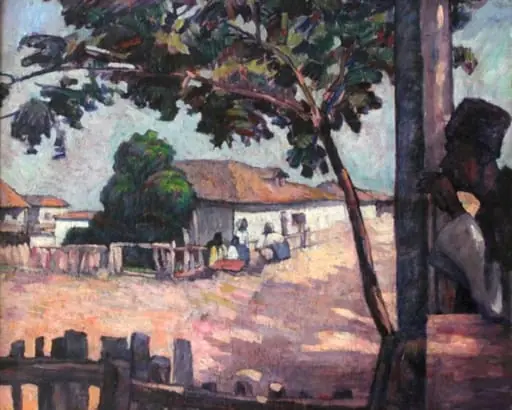
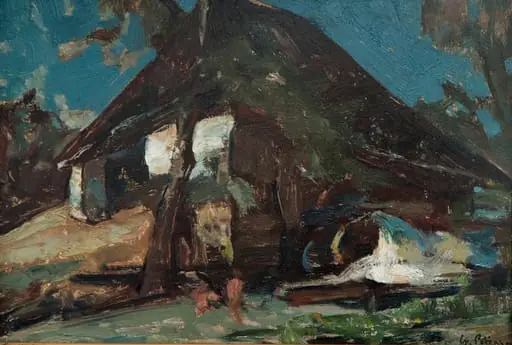
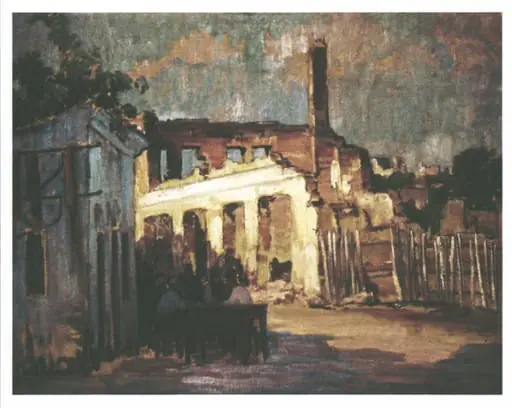
Piața Sfântul Anton is an unspecified painting by Baltazar Apcar (Abgar). It is held in the collection of the Bucharest Municipality Museum. This painting captures a bustling outdoor market centered around Saint Anton Square.
About this work
Overview
The atmosphere is energetic yet unpolished, conveying the raw rhythm of daily commerce rather than an idealized scene.
This painting captures a bustling outdoor market centered around Saint Anton Square. The composition is dense with stalls and tents, their structures built from basic materials like wood and thatch. Colorful textiles dominate the foreground, arranged in piles and draped over surfaces, suggesting active trade. The atmosphere is energetic yet unpolished, conveying the raw rhythm of daily commerce rather than an idealized scene.
Subject & Meaning
The scene depicts a working market where textiles are bought, sold, and handled by local vendors and customers. The presence of damp, dripping fabrics implies recent dyeing, hinting at the labor behind the colors. A solitary figure seated on a stool and another carrying a bundle suggest quiet moments amid the activity. The focus on everyday commerce underscores the market’s role as a social and economic hub.
Technique & Style
Thick, visible brushstrokes create a tactile surface, especially on the fabrics and tent materials. The impasto technique lends physical depth to the painted textiles, enhancing the sense of texture and weight. Colors are applied boldly, with little blending, emphasizing the vibrancy of the dyes. The rough handling of paint mirrors the unrefined, lived-in quality of the market environment.
History & Provenance
The painting’s origins are not documented in detail, but its subject matter aligns with 19th-century European traditions of depicting urban and rural markets. It likely emerged from a regional artistic context where everyday life was recorded with observational honesty rather than romanticism. No known collector or exhibition history is recorded prior to its current attribution.
Context
This work reflects a broader 19th-century interest in scenes of common life, particularly in regions undergoing economic change. Markets like the one shown were vital to local economies and often served as centers of cultural exchange. The depiction avoids idealization, instead presenting the messiness and labor inherent in such spaces, aligning with realist tendencies of the period.
Legacy
Though not widely exhibited or studied, the painting contributes to a quiet tradition of regional realist art that valued authenticity over grandeur. Its emphasis on material texture and unvarnished activity has influenced later artists interested in the physicality of paint and the dignity of ordinary labor. It remains a modest but resonant record of a vanishing way of life.
Artist & collection
Artist
Apcar painted quiet, sunlit town scenes in early 1900s Romania: courtyards, riverbanks, and market squares where people pause for a holiday or chat at the well.