Artwork
The River IJ and Seascapes
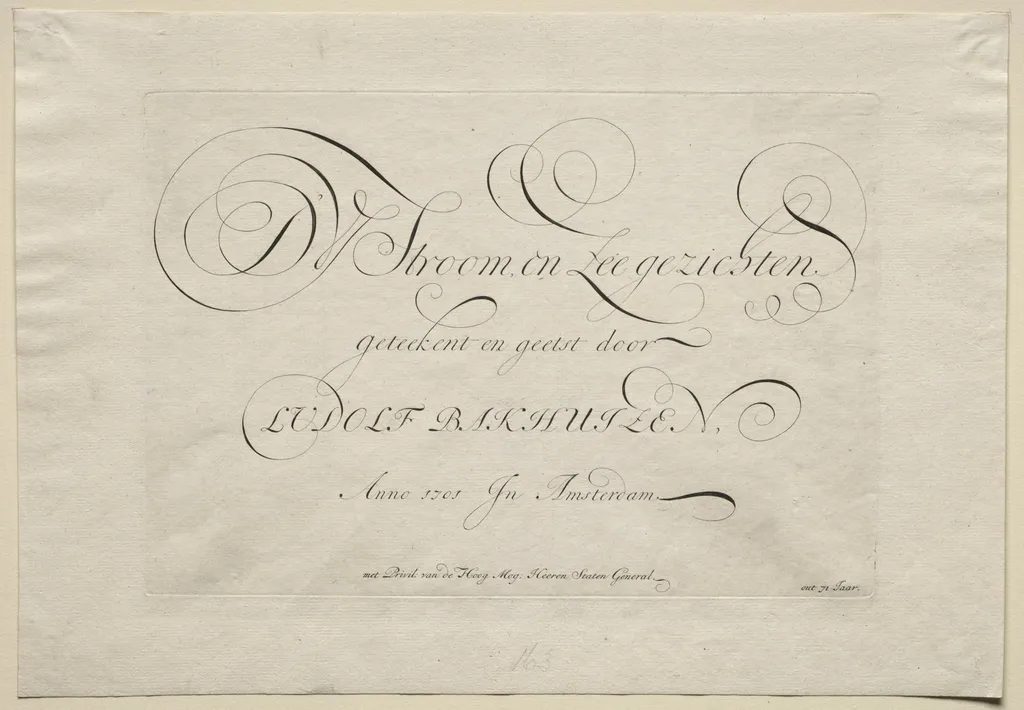
The River IJ and Seascapes is a work on paper by the Baroque artist Ludolf Bakhuizen. It dates from 1701 and is held in the collection of the Cleveland Museum of Art. This portfolio piece by Ludolf Backhuysen, dated 1701, presents a single printed composition in black ink on pale paper.
About this work
The words are written in a flowing, decorative style, with swirls and loops connecting letters.
This is a simple, elegant print with black ink on light paper. The words are written in a flowing, decorative style, with swirls and loops connecting letters. The text looks like a poem or quote, centered neatly on the page. At the bottom, smaller print mentions a date and a place name.
The phrase is in Dutch, and the name *Ludolf Backhuysen* stands out as the artist. The year 1701 is also visible, marking when this was made.
If you like this style of writing, look up Baroque.
Overview
This portfolio piece by Ludolf Backhuysen, dated 1701, presents a single printed composition in black ink on pale paper. It features a decorative Dutch text arranged centrally, its letters adorned with flowing flourishes typical of Baroque calligraphy. Below, the artist’s name and the year are inscribed in smaller script. The work is not a landscape image but a typographic design, reflecting the period’s integration of visual art and written expression.
Subject & Meaning
The text, written in Dutch, appears to be a poetic or literary fragment, though its exact content remains unverified in available records. Its placement and ornate script suggest it was intended as a contemplative inscription, possibly referencing maritime themes tied to the River IJ or seascapes. The emphasis on the artist’s name and date implies a personal or commemorative intent, aligning with the tradition of artist-signed prints as objects of quiet reflection.
Technique & Style
Executed in monochrome ink, the work relies on the elegance of hand-drawn lettering rather than illustrative imagery. The script features elaborate swashes and interconnected letterforms, characteristic of Baroque-era calligraphic practices. The contrast between the dark ink and light paper enhances legibility while preserving a restrained aesthetic. The composition is balanced and deliberate, avoiding ornamentation beyond the text itself.
History & Provenance
The piece resides in the collection of The Cleveland Museum of Art, acquired as part of a broader holding of Dutch prints. Its origin as a standalone print within a portfolio is documented, though its original context—whether a gift, publication, or private commission—remains unclear. The 1701 date places it near the end of Backhuysen’s career, suggesting it may reflect his later interest in textual artistry alongside his better-known maritime paintings.
Context
In early 18th-century Amsterdam, printed texts with decorative script were often produced for scholarly or elite audiences, blending literary culture with visual refinement. Backhuysen, primarily known for seascapes, occasionally engaged with printmaking and calligraphy, reflecting broader Dutch trends where artists participated in multiple media. This work aligns with the era’s appreciation for the interplay between language and visual form.
Legacy
Though not widely reproduced or studied, this print exemplifies the quiet sophistication of Dutch graphic arts beyond major painted works. It preserves a moment when artists like Backhuysen extended their visual language into typography, offering insight into the cultural habits of their time. Its preservation in a major museum underscores its value as a subtle artifact of Baroque textual aesthetics.
Artist & collection
Artist
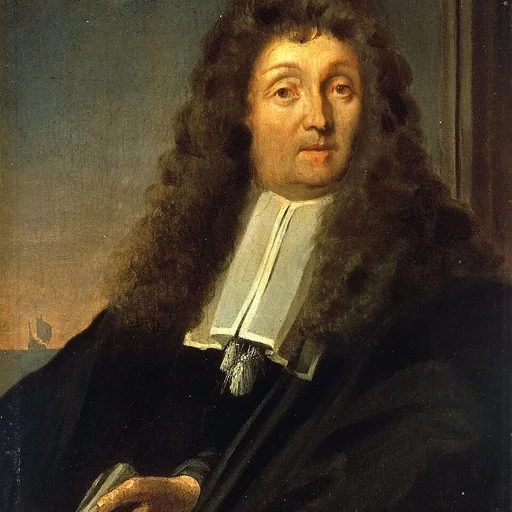
Ludolf Bakhuizen (28 December 1630 or 1632 – 7 November 1708) was a German-born Dutch painter, draughtsman, calligrapher and printmaker.

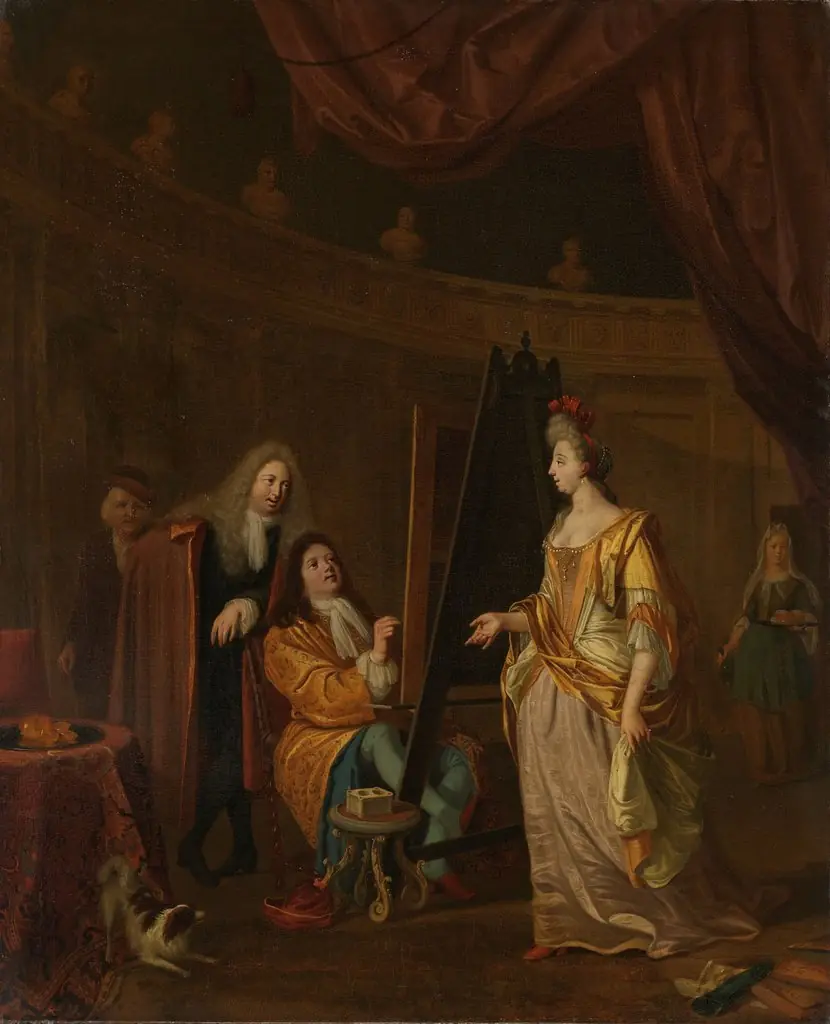 An artist in his studio, painting the portrait of a lady
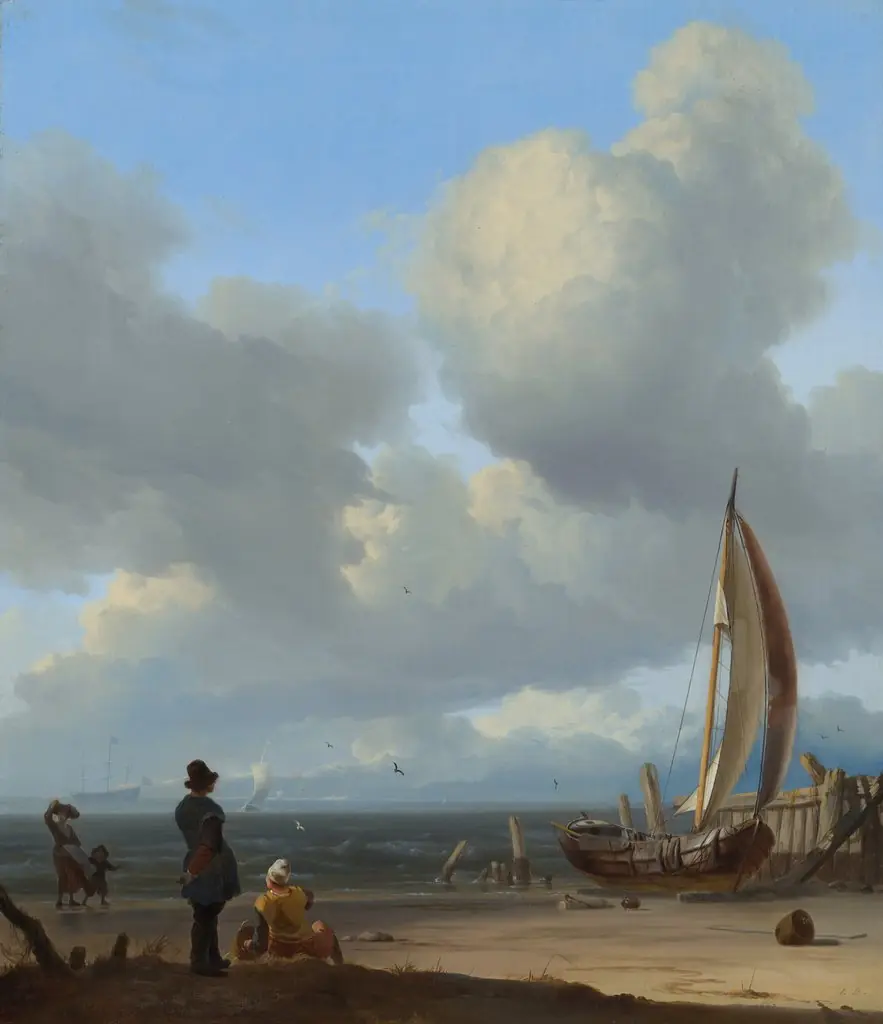 An extensive seascape with figures by a boat on a shore near Huisduinen
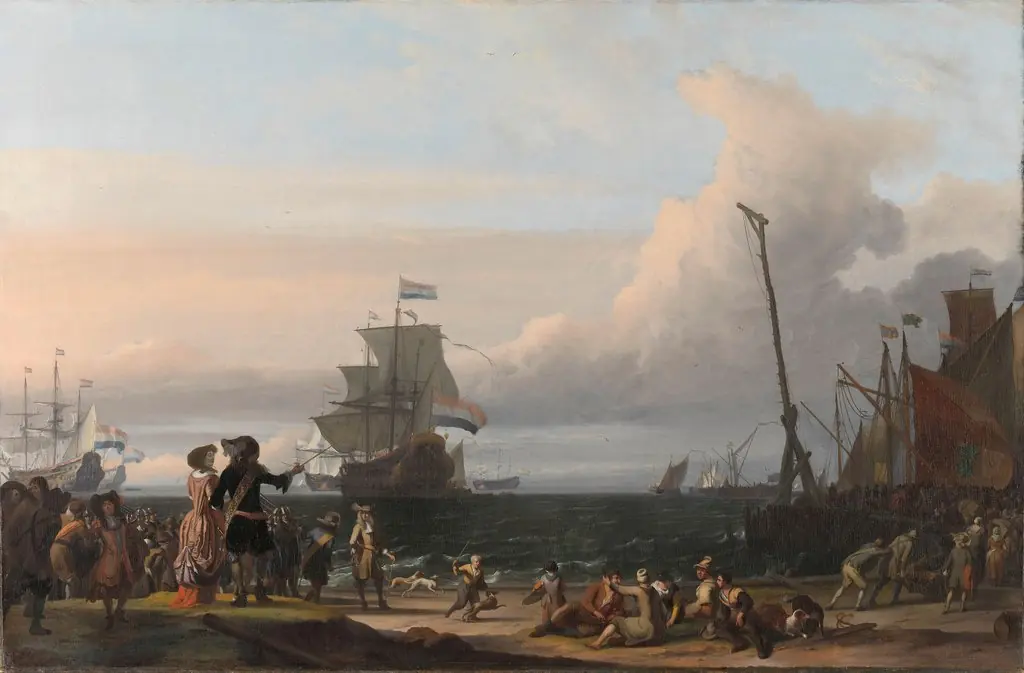 Dutch ships in the roads of Texel; in the middle the 'Gouden Leeuw,' the flagship of Cornelis Tromp
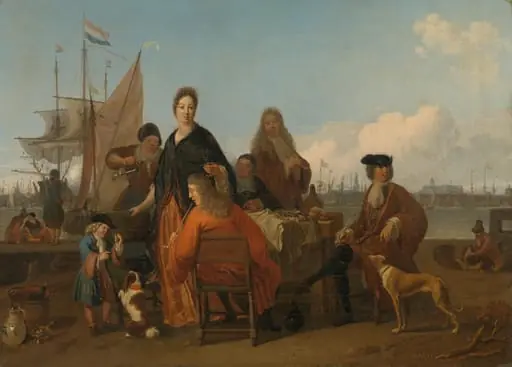 The Bakhuysen and de Hooghe Families dining at the Mosselsteiger (Mussel Pier) on the Y, Amsterdam
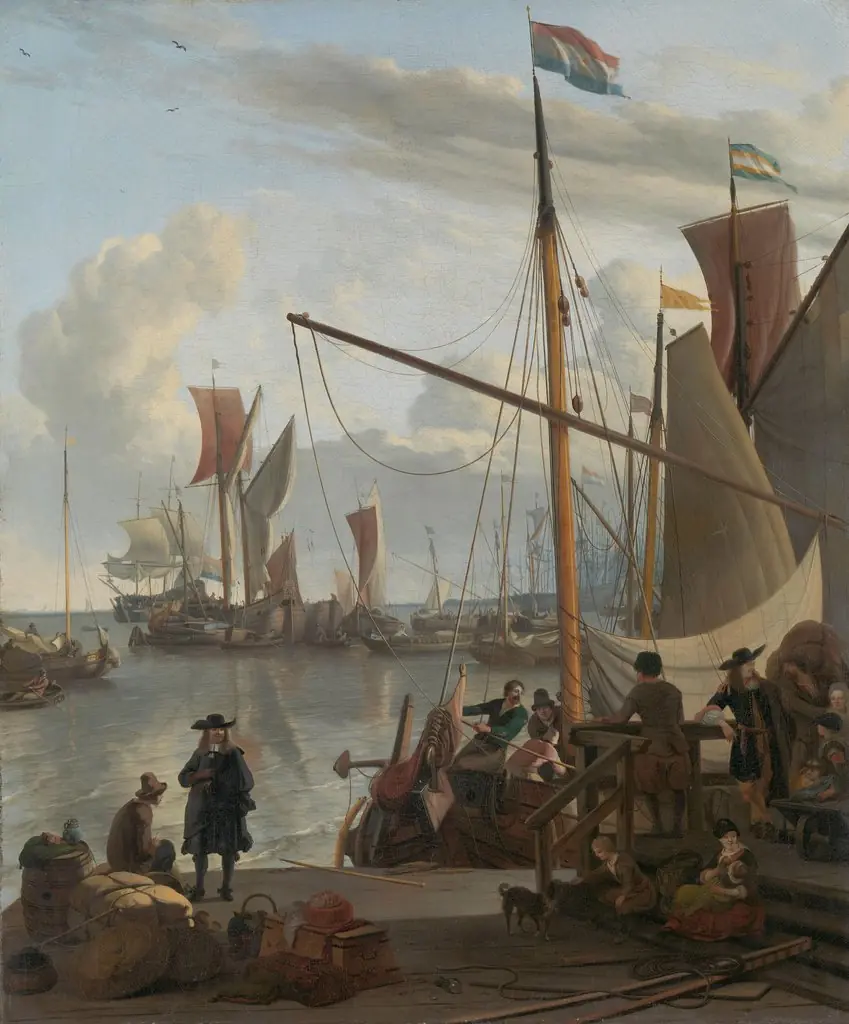 The Y at Amsterdam, seen from the Mosselsteiger (mussel pier)
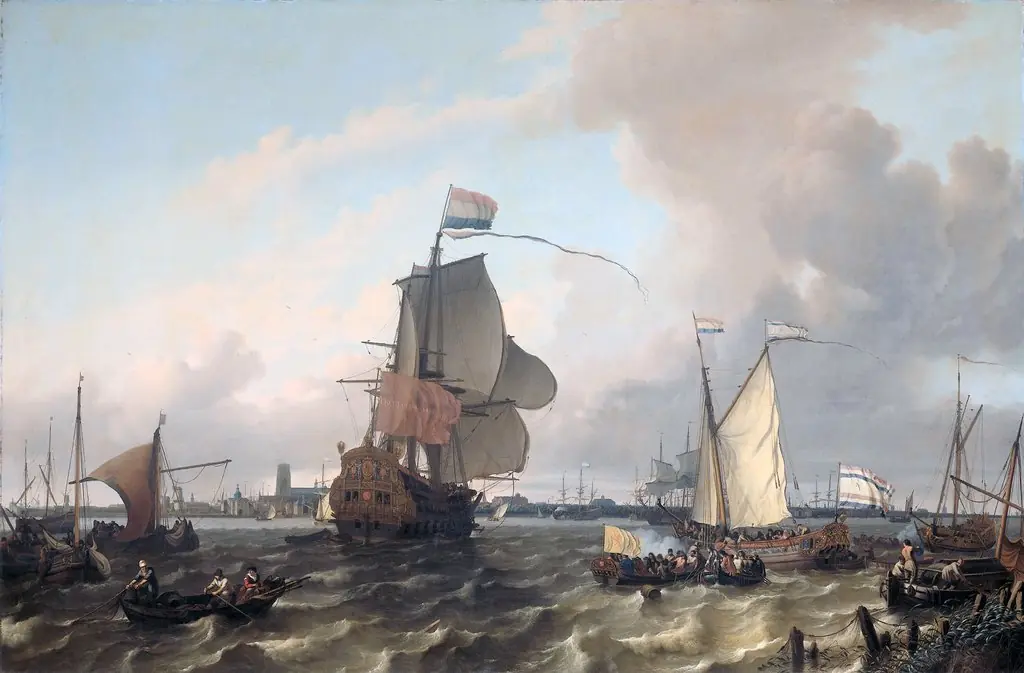 The Man-of-War Brielle on the River Maas off Rotterdam
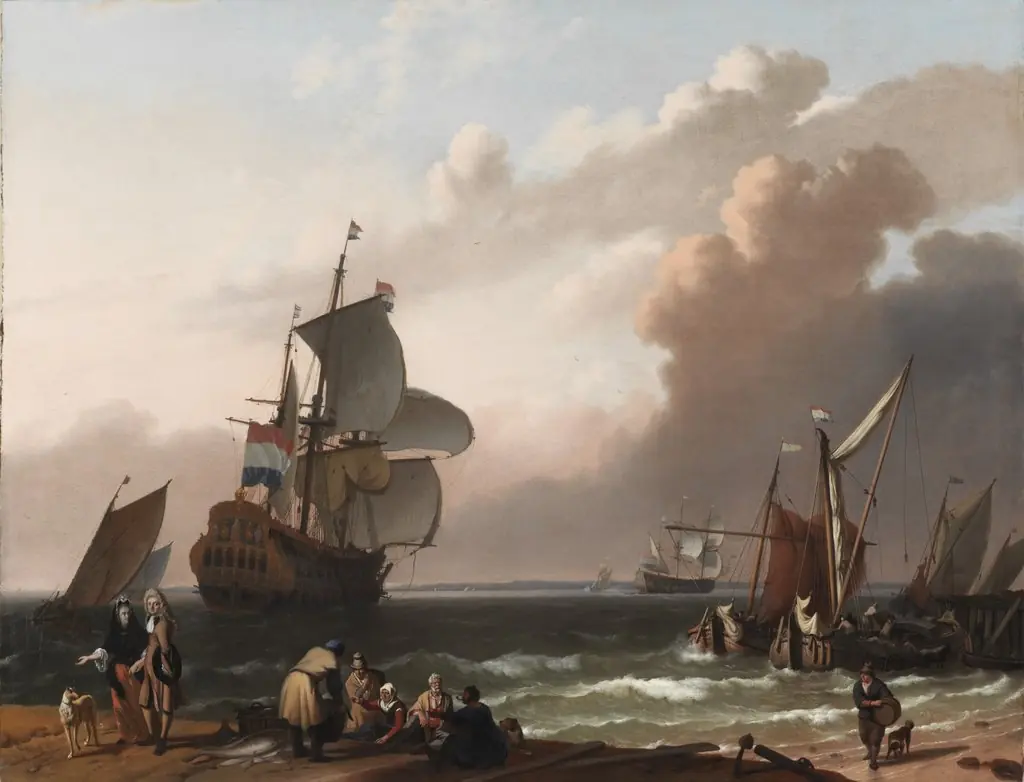 Warship and Dutch Sailboats near the Shore
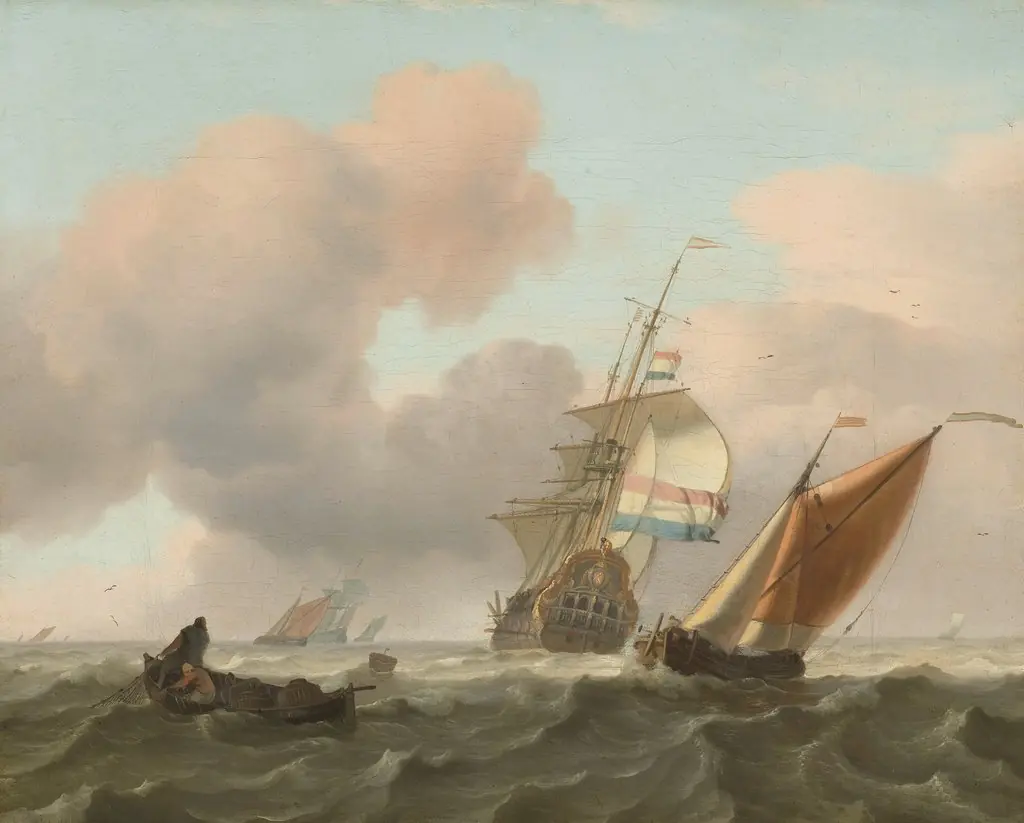 Rough sea with Ships
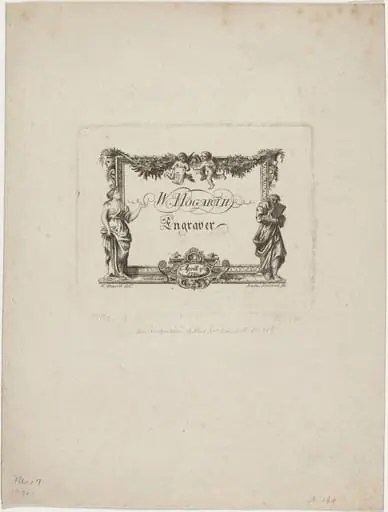 William Hogarth's Business Card
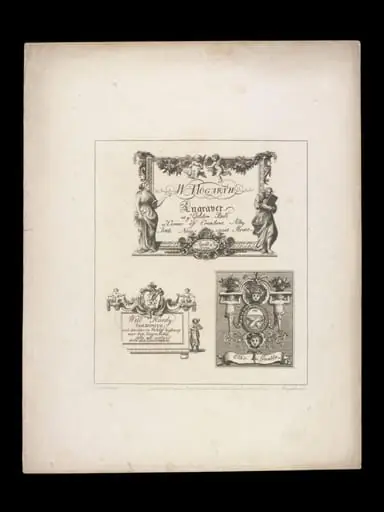 H Beard Print Collection
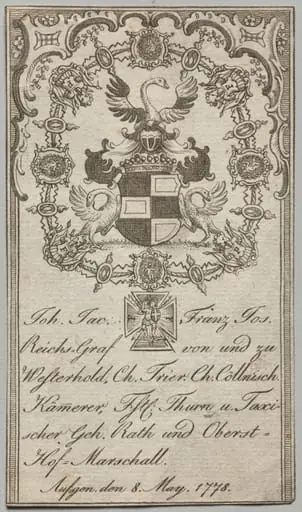 Bookplate: Johan. Jac. Franz-Joseph, Reichs-Graf von Westerhold
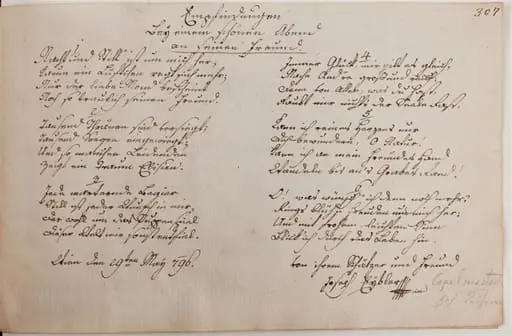 Tekst
Tekst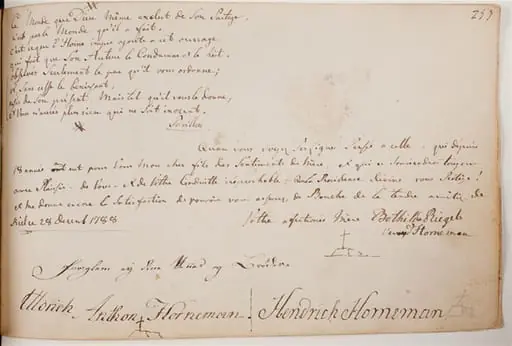 tekst
tekst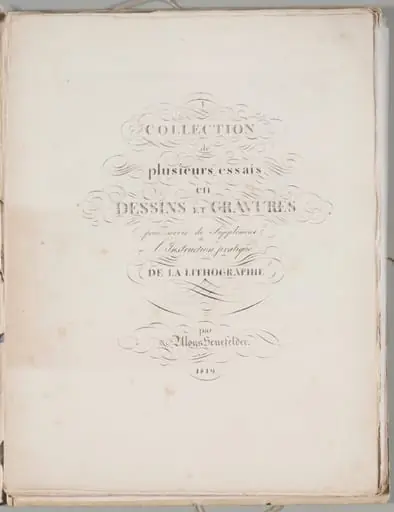 Art of the Lithograph: Title Page, Plate I
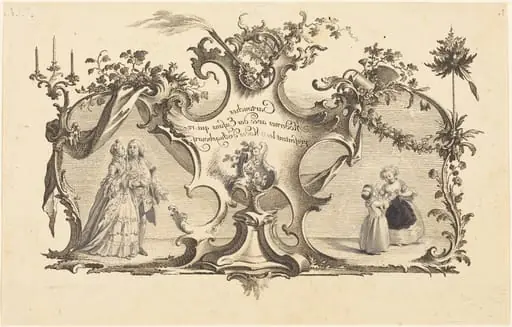 Cartouches Modernes avec des Enfans qui representant les Modes d'Augsbourg
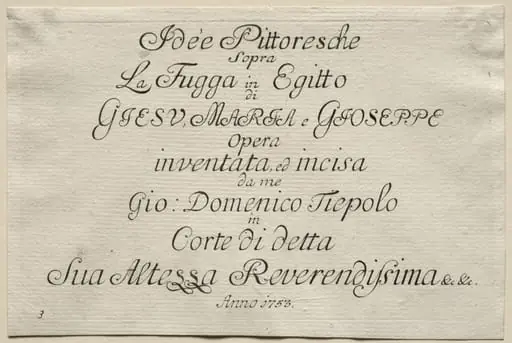 Flight into Egypt: Title Page
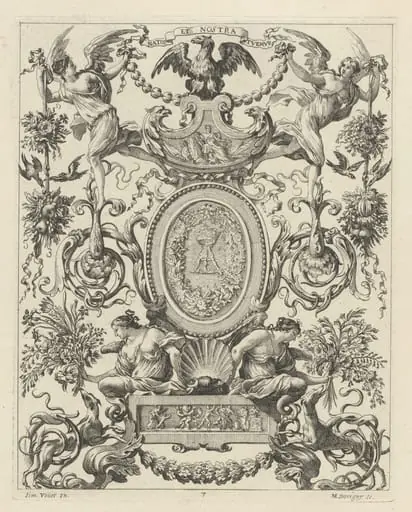 Ornamental Panel Surmounted by an Eagle and the Motto NATOS ET NOSTRA TUEMUR
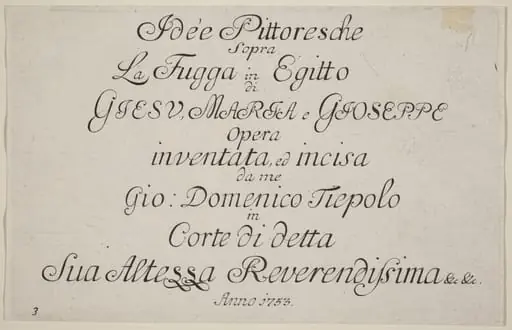 Title Page
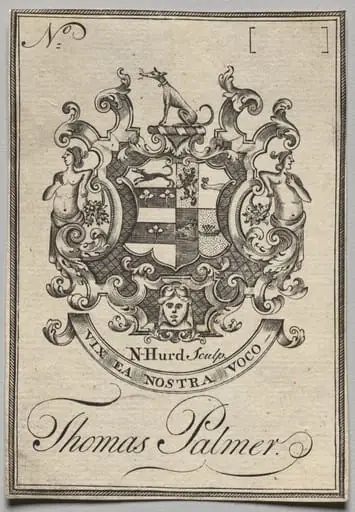 Bookplate: Coat of Arms with Thomas Palmer inscribed
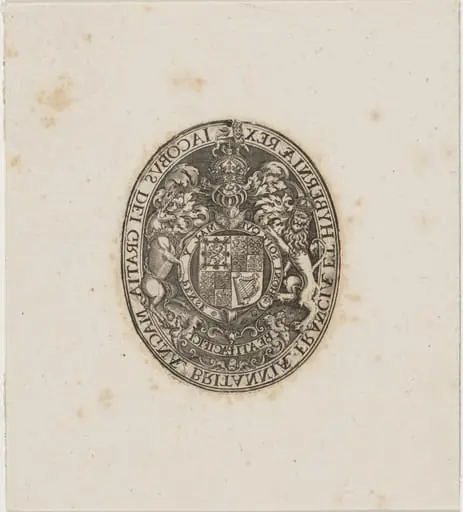 Shield of James I