Artwork
The arrival of King-Stadholder Willem III in the Oranjepolder, 31 January 1691
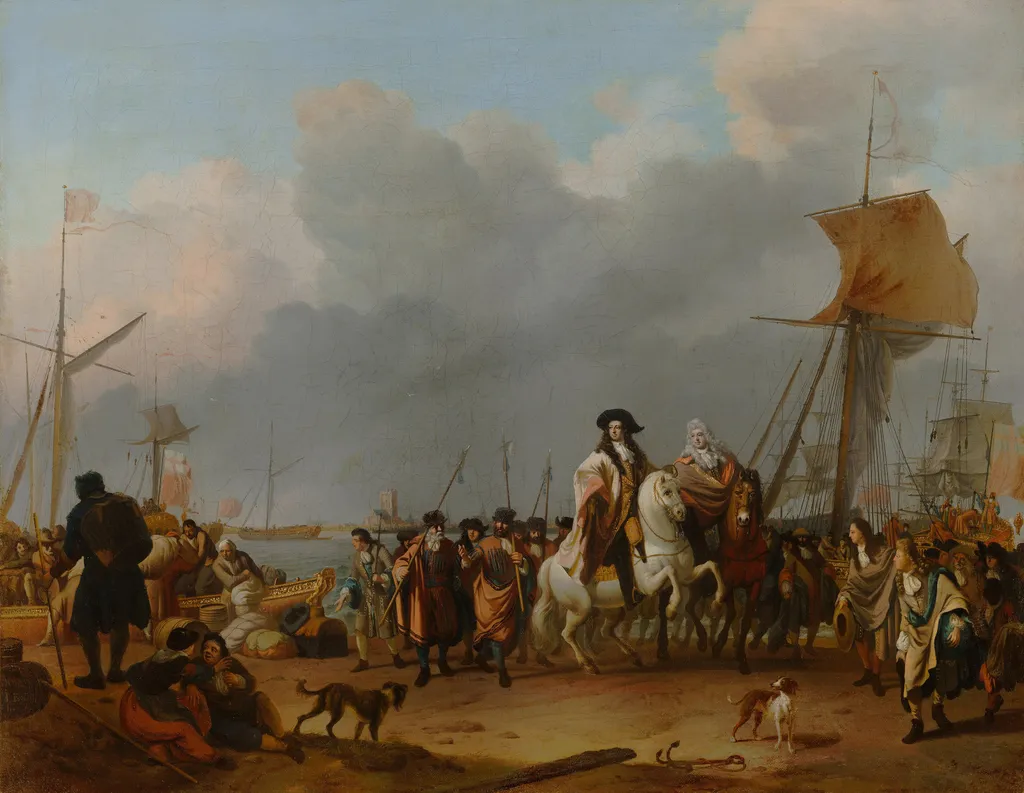
The arrival of King-Stadholder Willem III in the Oranjepolder, 31 January 1691 is an oil painting by the Dutch Golden Age artist Ludolf Bakhuizen. It dates from 1696 and is held in the collection of the Mauritshuis.
About this work
Overview
Though the event occurred five years earlier, the painting commemorates his return to the Netherlands after securing the English throne.
Painted in 1696 by Ludolf Bakhuizen, this oil on canvas captures the arrival of William III, King-Stadholder of the Dutch Republic, at the Oranjepolder on January 31, 1691. Though the event occurred five years earlier, the painting commemorates his return to the Netherlands after securing the English throne. Bakhuizen, renowned for maritime scenes, here blends portraiture with landscape to document a moment of political significance.
Subject & Meaning
The central figure is William III, mounted on horseback and dressed in formal attire, surrounded by officials and townspeople. His presence anchors the scene, signaling authority amid the bustling harbor activity. The ship behind him, adorned with flags, represents his transnational role. The contrast between his formal bearing and the casual movements of others underscores his dual identity as both Dutch Stadholder and English monarch.
Technique & Style
Bakhuizen employs atmospheric perspective and subtle chiaroscuro to convey depth and texture. The cloudy sky, pierced by patches of blue, softens the light and enhances the realism of fabric, water, and skin. Brushwork is precise yet fluid, particularly in rendering the sails and the dog’s motion. The composition directs the eye from the foreground figures to the distant vessel, reinforcing the narrative of arrival and transition.
History & Provenance
Commissioned to mark William III’s return to the Dutch Republic, the painting entered the Mauritshuis collection in the 19th century. It reflects the Republic’s tradition of using art to legitimize political leadership. Unlike many of Bakhuizen’s seascapes, this work integrates portraiture with topographical detail, suggesting it was intended for public display rather than private patronage.
Context
Created during the waning years of the Dutch Golden Age, the painting coincides with William III’s reign in England and the ongoing tensions of the Nine Years’ War. His presence in the Netherlands was both symbolic and strategic, reinforcing his ties to the Dutch elite. Bakhuizen’s choice to depict the moment of landing, rather than a formal ceremony, emphasizes accessibility and connection to the land and its people.
Legacy
The painting stands as one of the few large-scale civic portraits by Bakhuizen, distinguishing his oeuvre from his more common naval battles and harbor scenes. It remains a key visual record of William III’s Dutch identity amid his broader European role. Its preservation in the Mauritshuis ensures continued scholarly attention to the intersection of politics, portraiture, and maritime culture in late 17th-century Holland.
Own this work as a print
Artist & collection
Artist
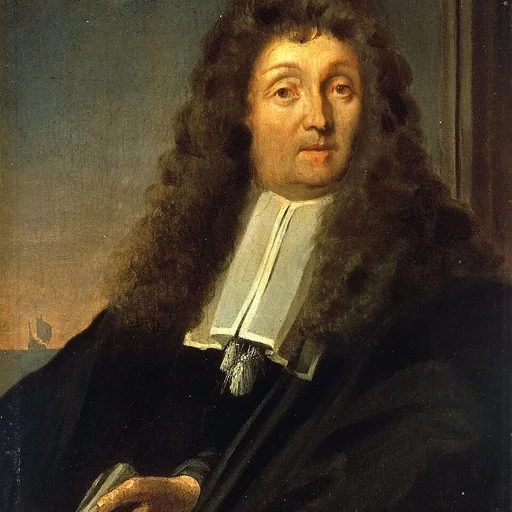
Ludolf Bakhuizen (28 December 1630 or 1632 – 7 November 1708) was a German-born Dutch painter, draughtsman, calligrapher and printmaker.

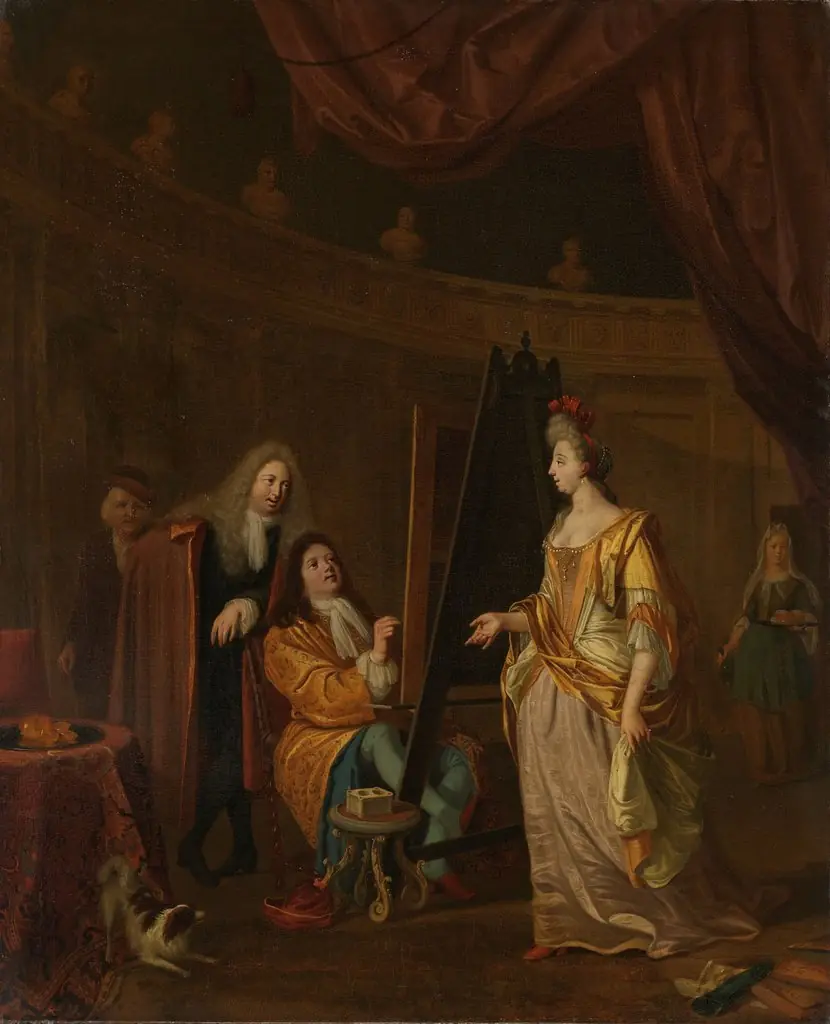 An artist in his studio, painting the portrait of a lady
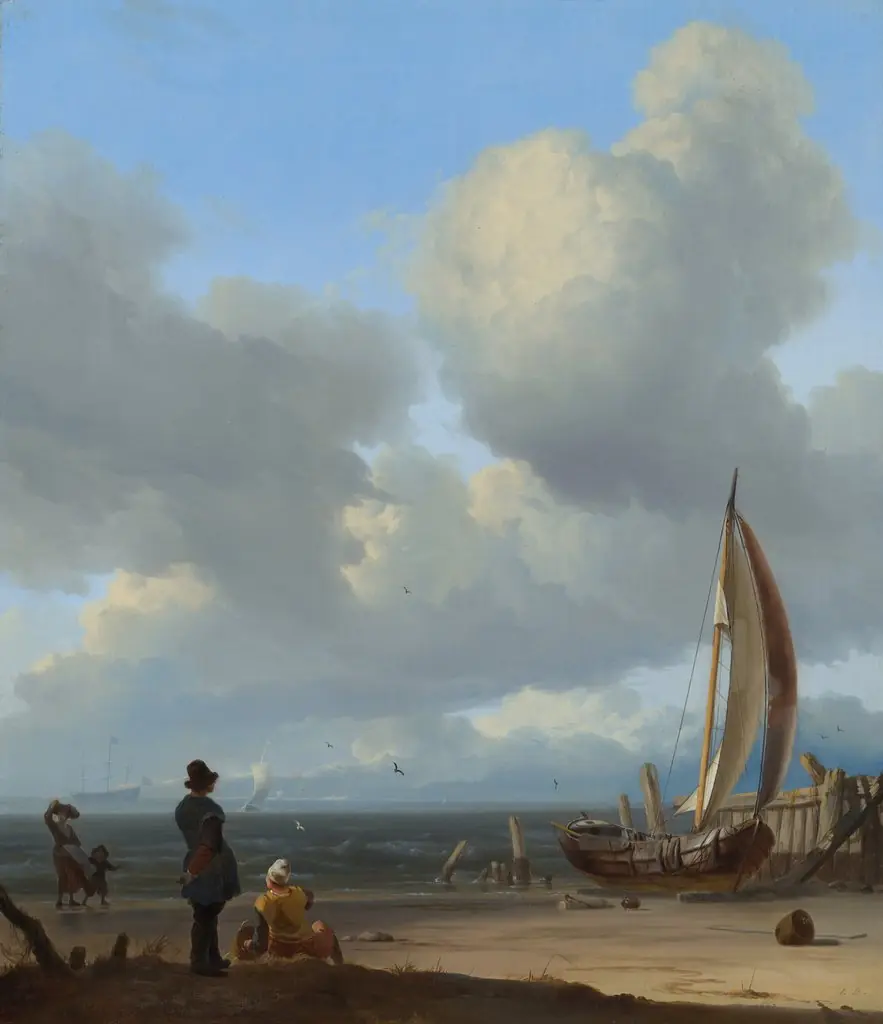 An extensive seascape with figures by a boat on a shore near Huisduinen
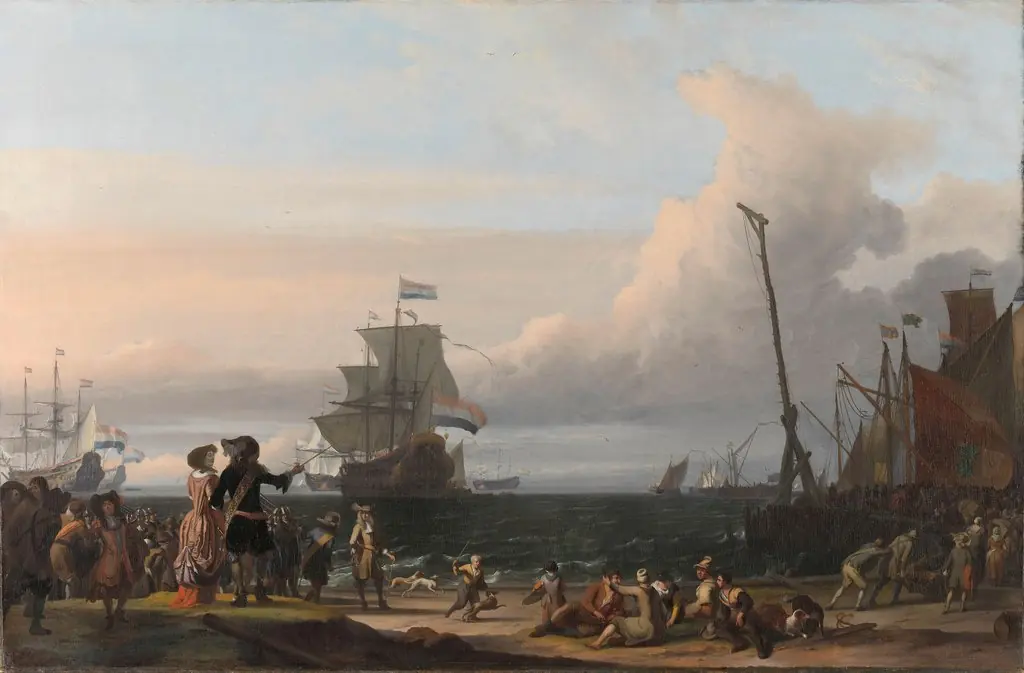 Dutch ships in the roads of Texel; in the middle the 'Gouden Leeuw,' the flagship of Cornelis Tromp
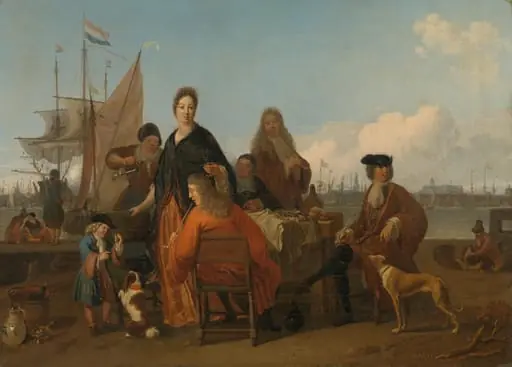 The Bakhuysen and de Hooghe Families dining at the Mosselsteiger (Mussel Pier) on the Y, Amsterdam
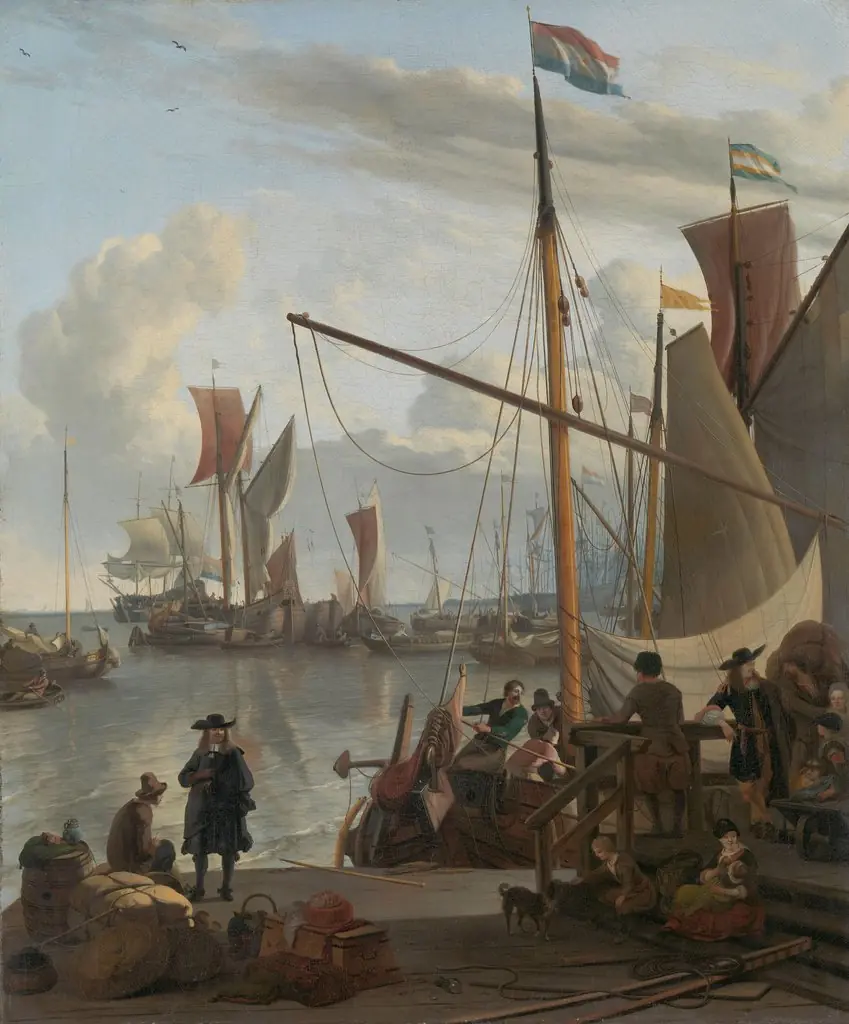 The Y at Amsterdam, seen from the Mosselsteiger (mussel pier)
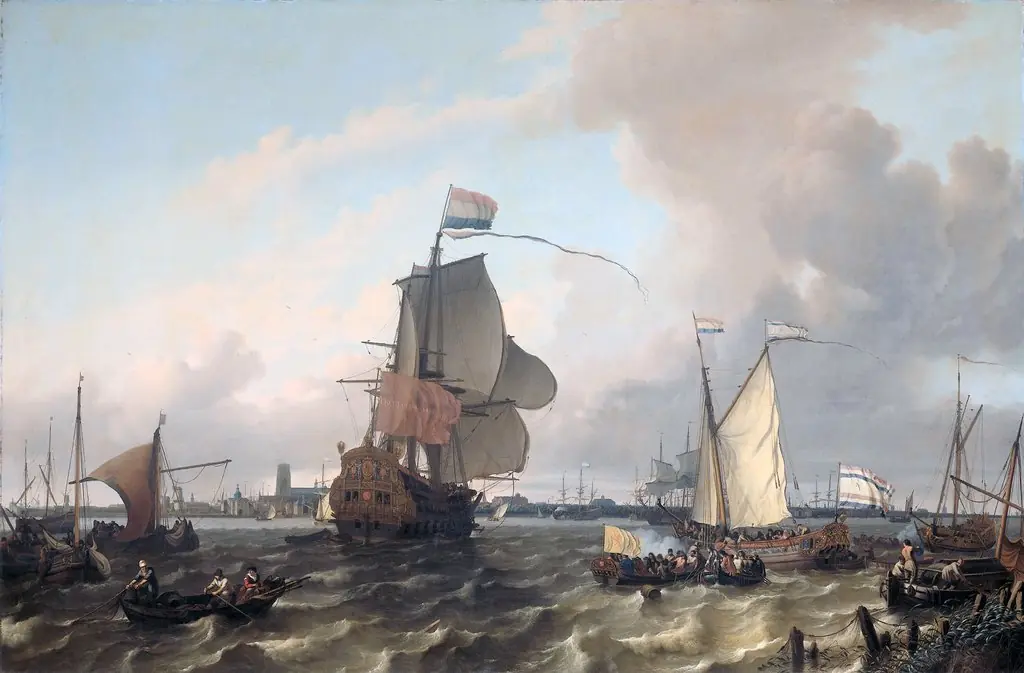 The Man-of-War Brielle on the River Maas off Rotterdam
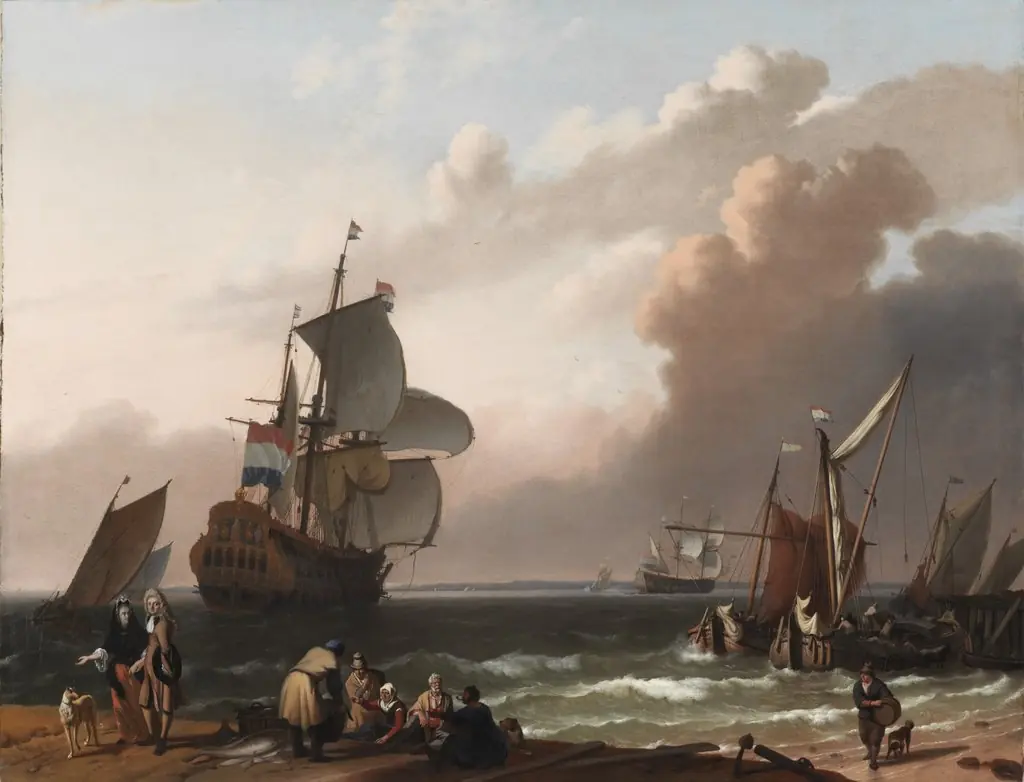 Warship and Dutch Sailboats near the Shore
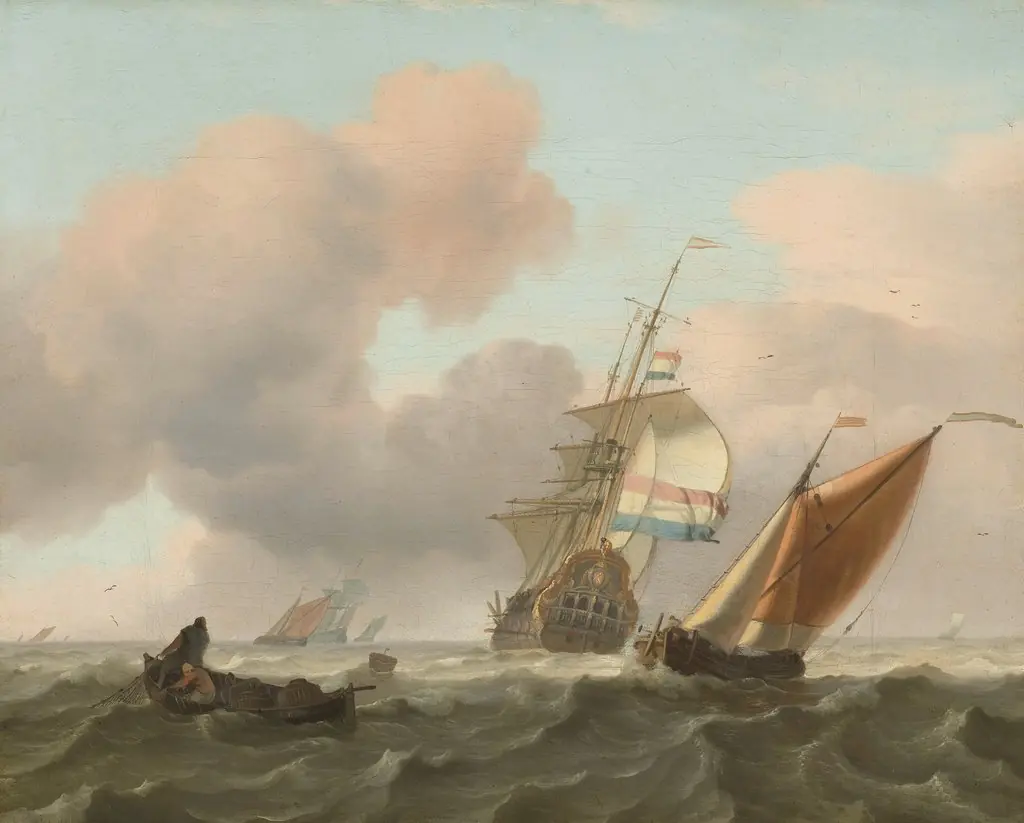 Rough sea with Ships
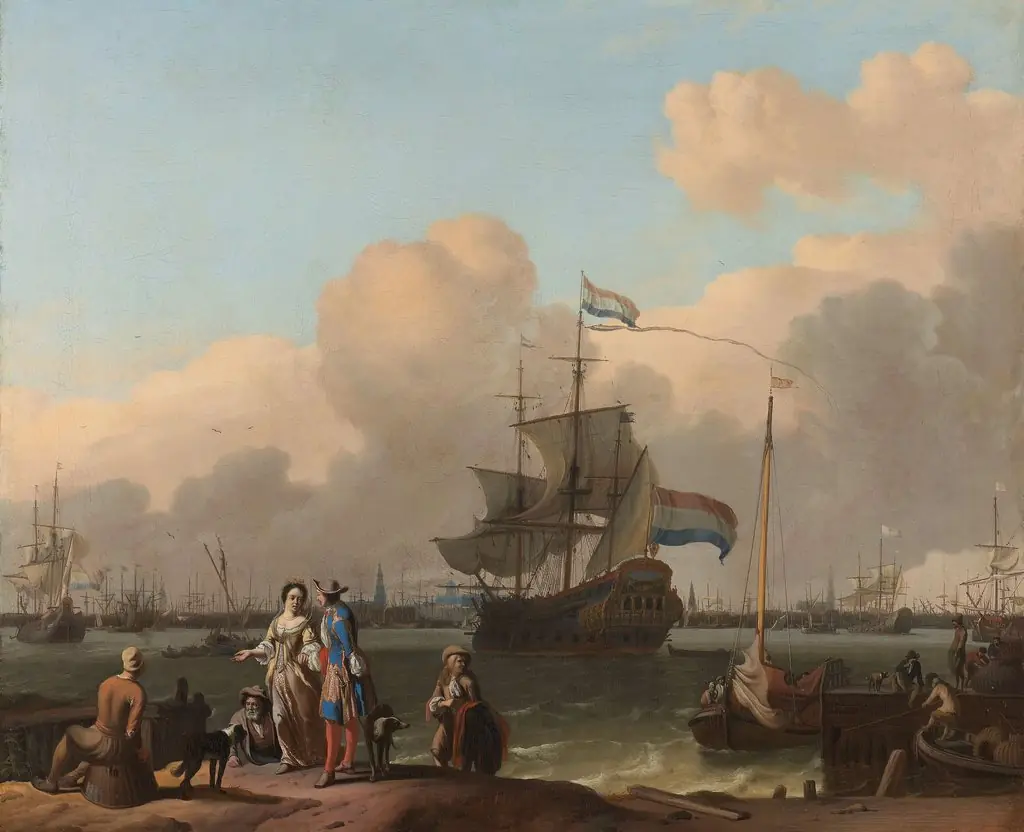 The Y at Amsterdam, with the frigate 'De Ploeg'
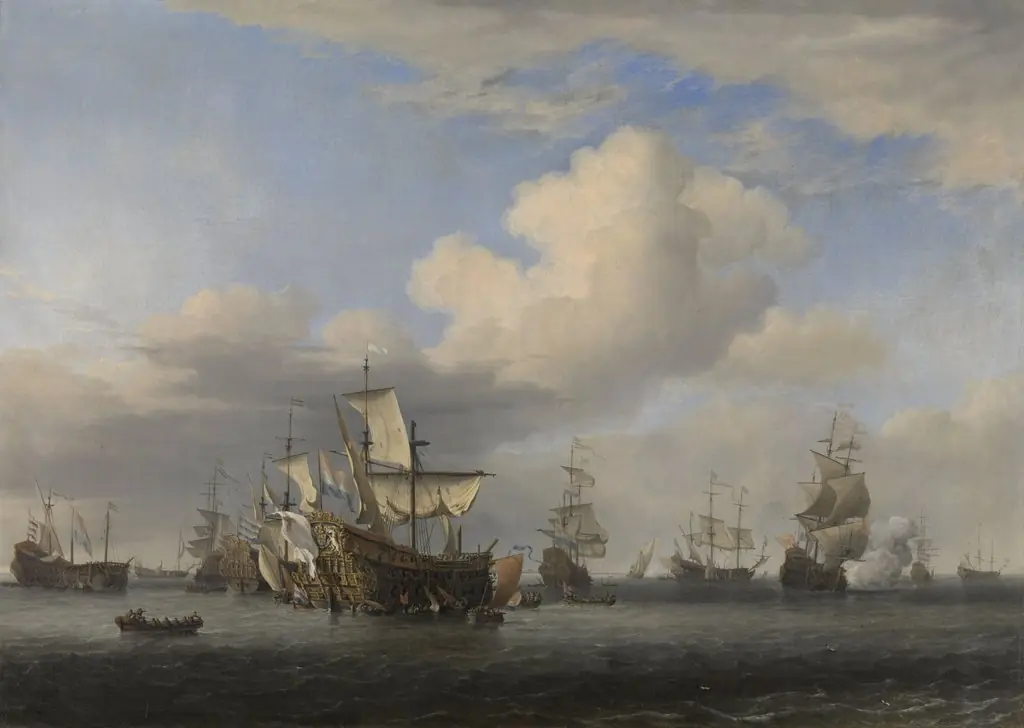 Captured English Ships after the Four Days’ Battle
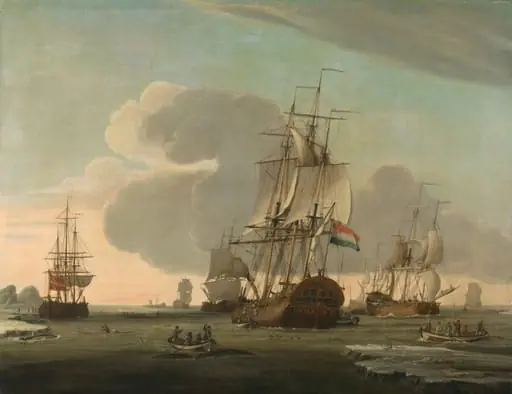 Untitled
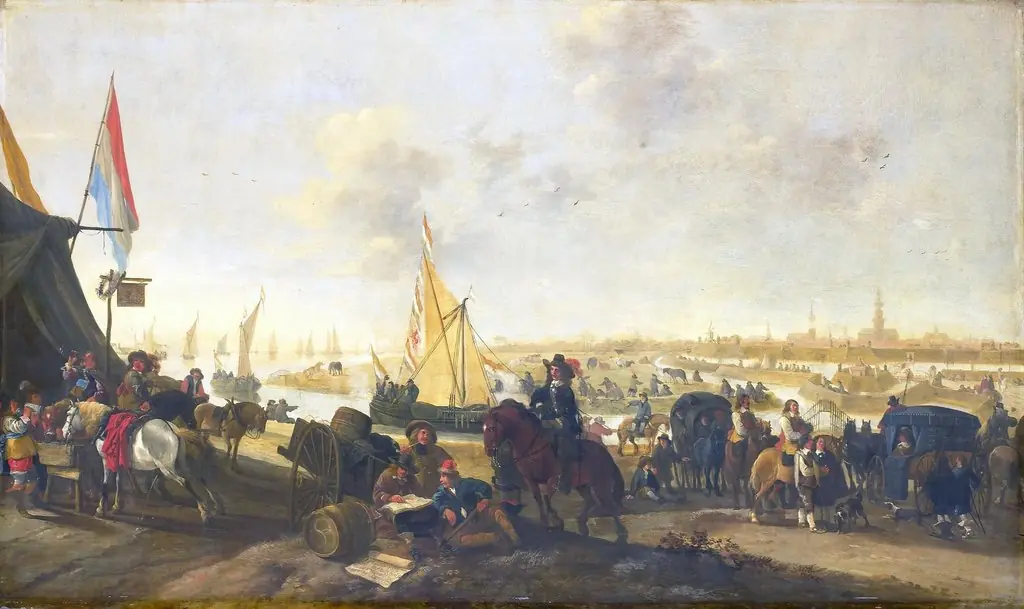 The Siege and Capture of the City of Hulst from the Spaniards, November 5, 1645
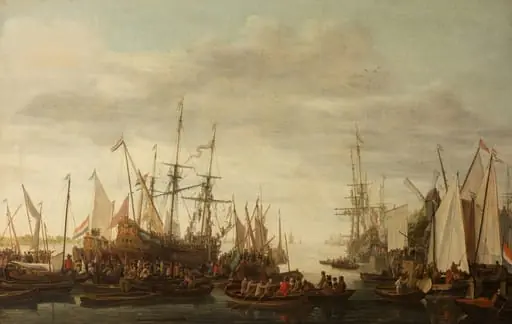 Het kielhalen van de scheepschirurgijn van admiraal Jan van Nes
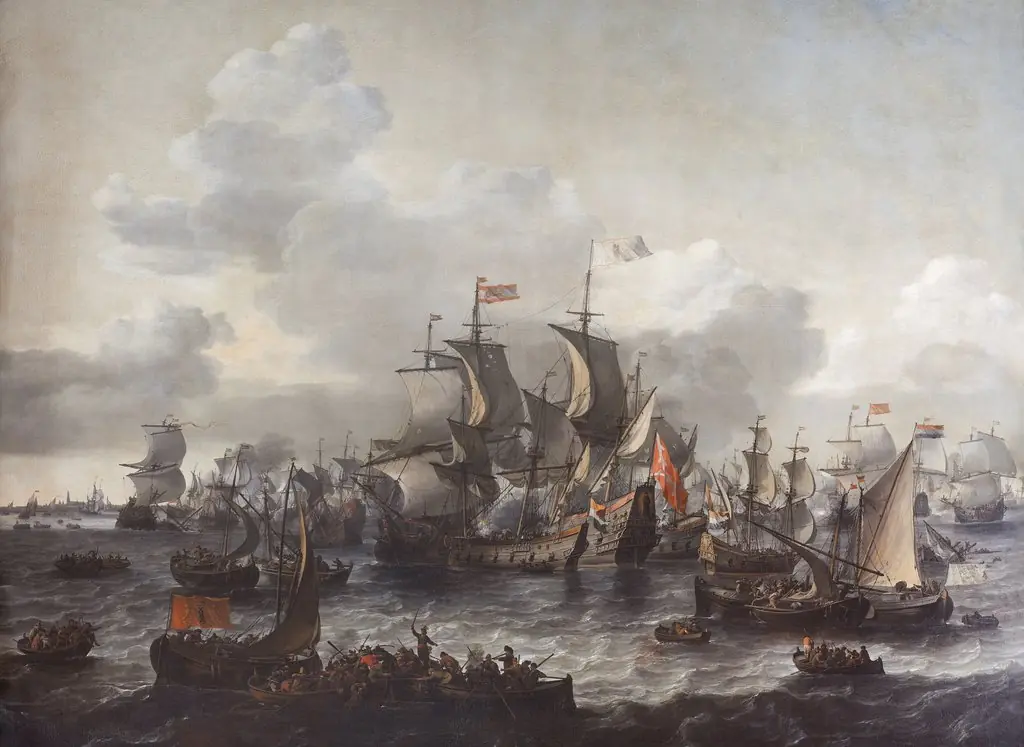 The battle of the Zuider Zee, 1573
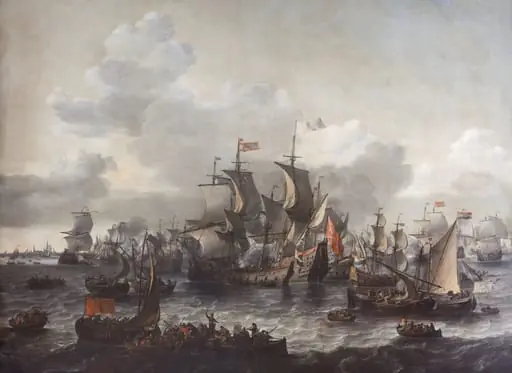 The Battle of the Zuider Zee, 1573
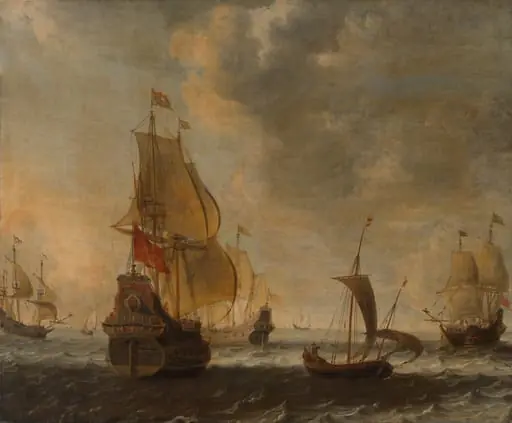 Dutch Ships in a Lively Breeze
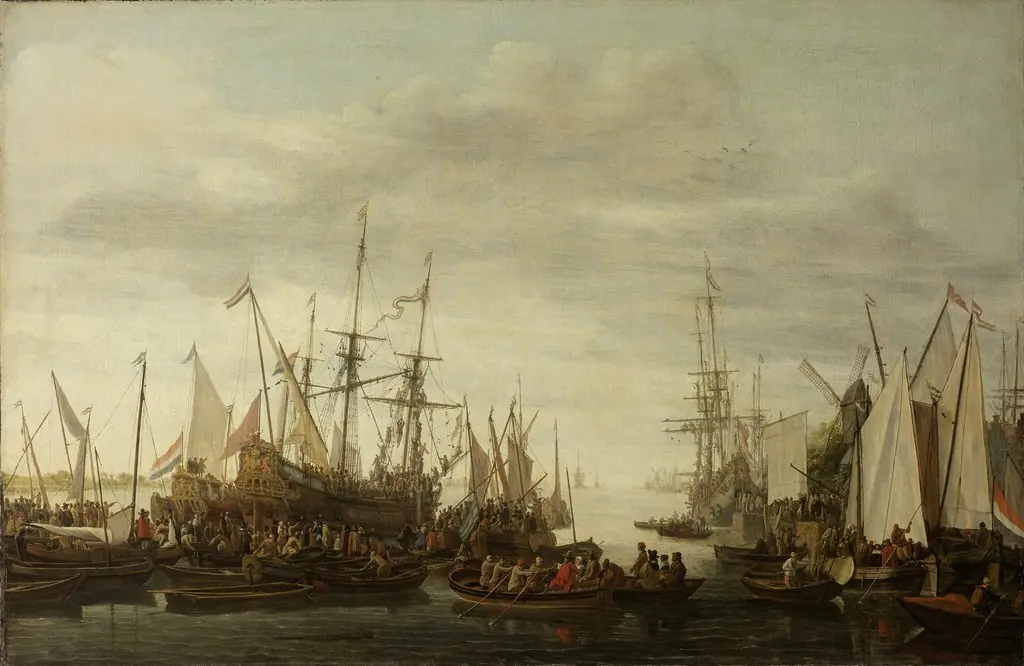 The Keelhauling of the Ship’s Surgeon of Admiral Jan van Nes
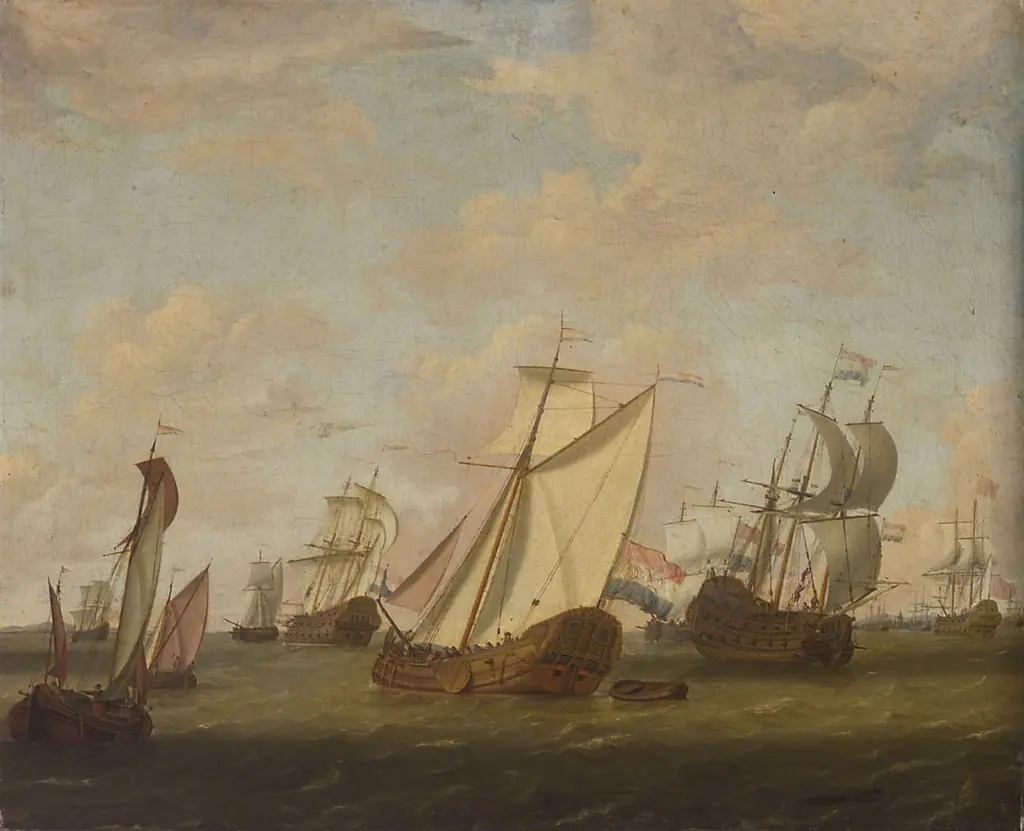 Kriegsflotte in einer Brise