Artwork
Allegory of Providence
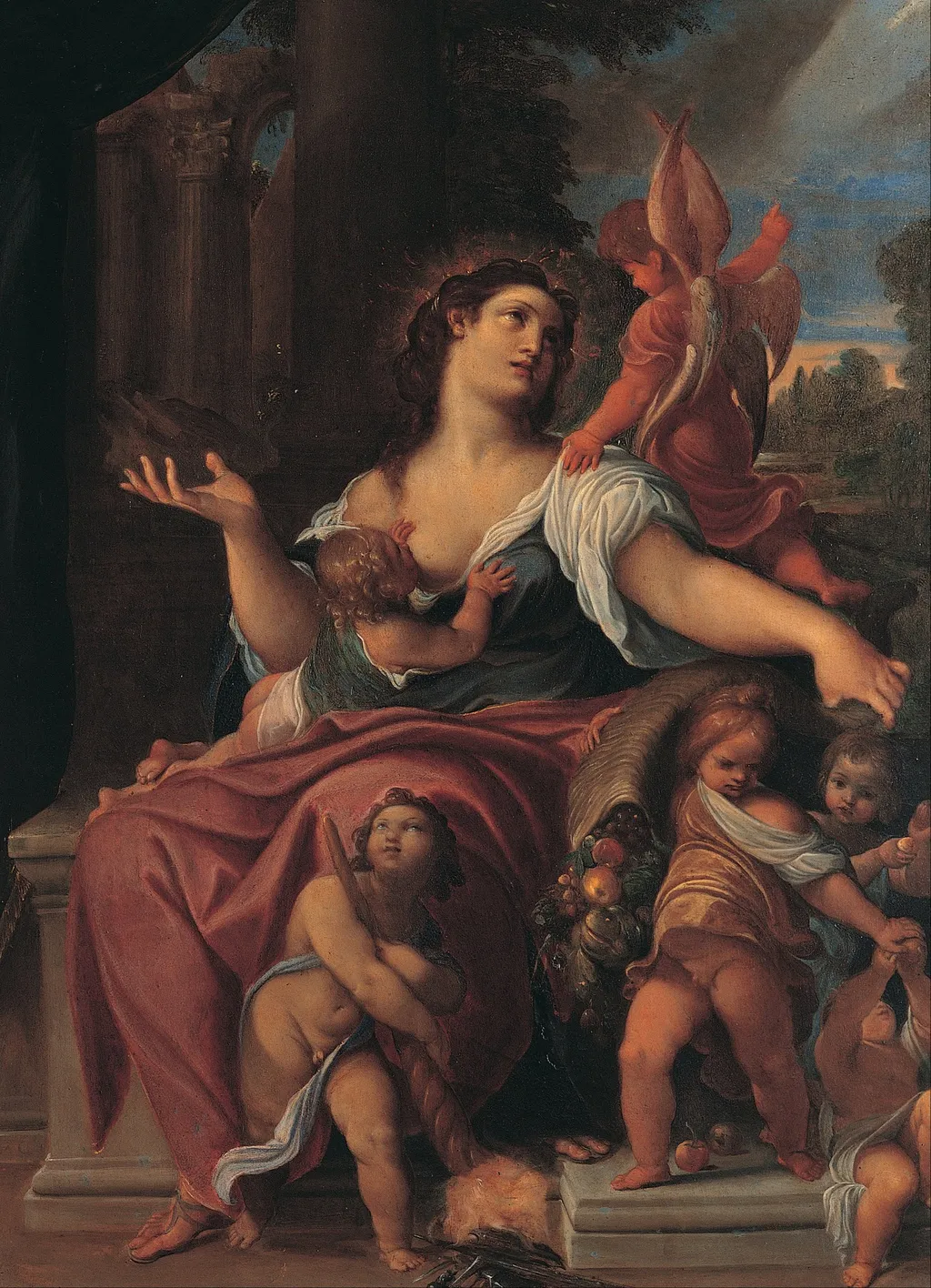
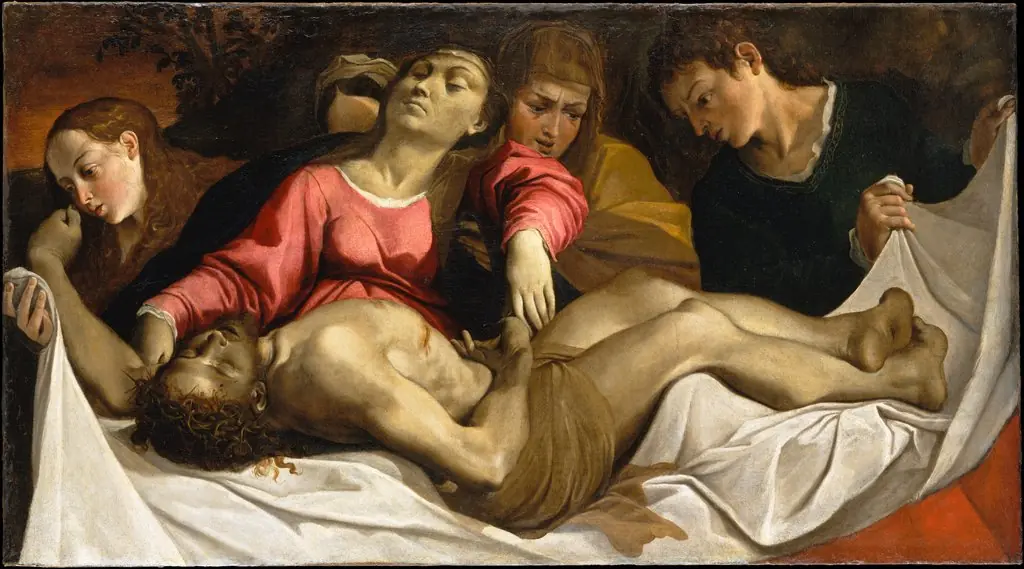
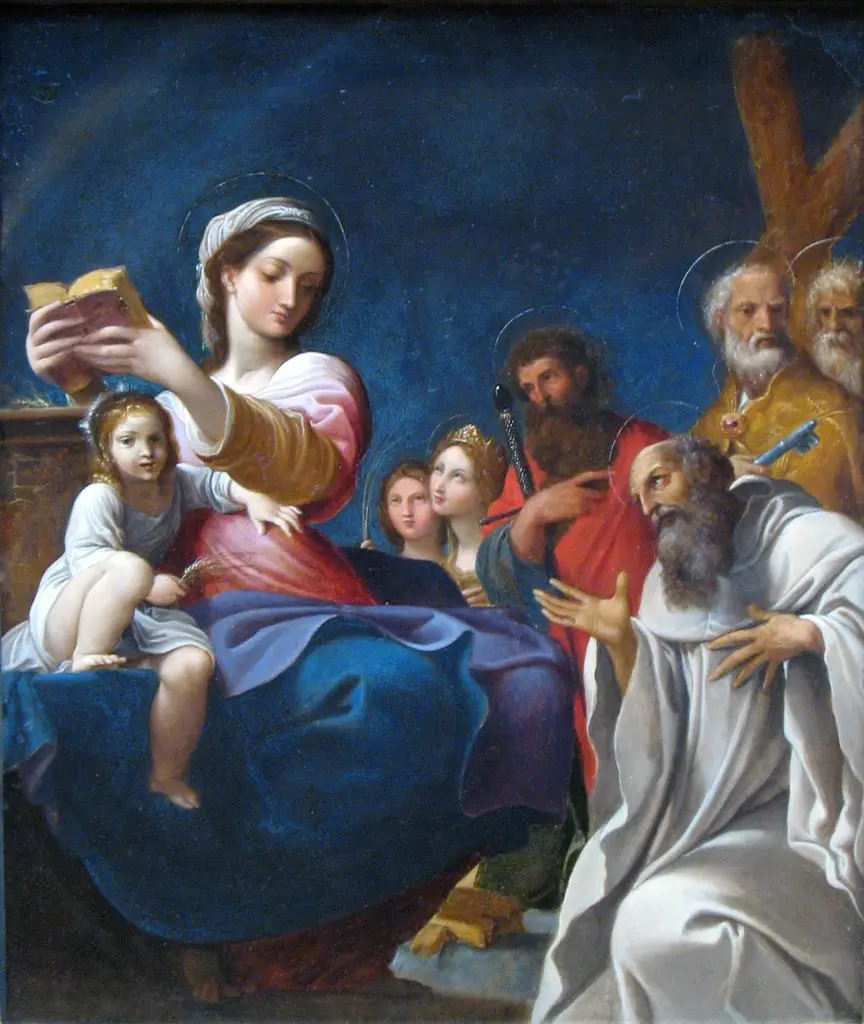
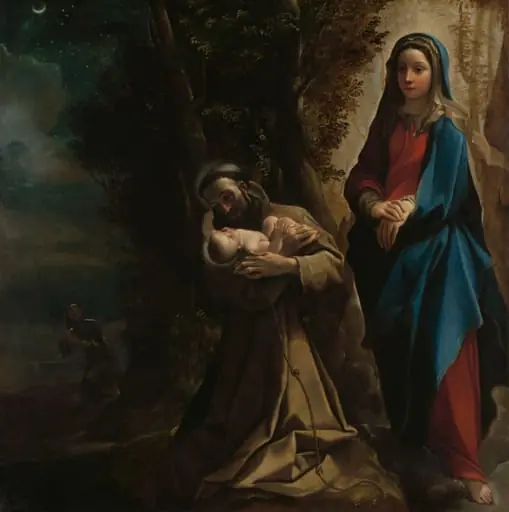
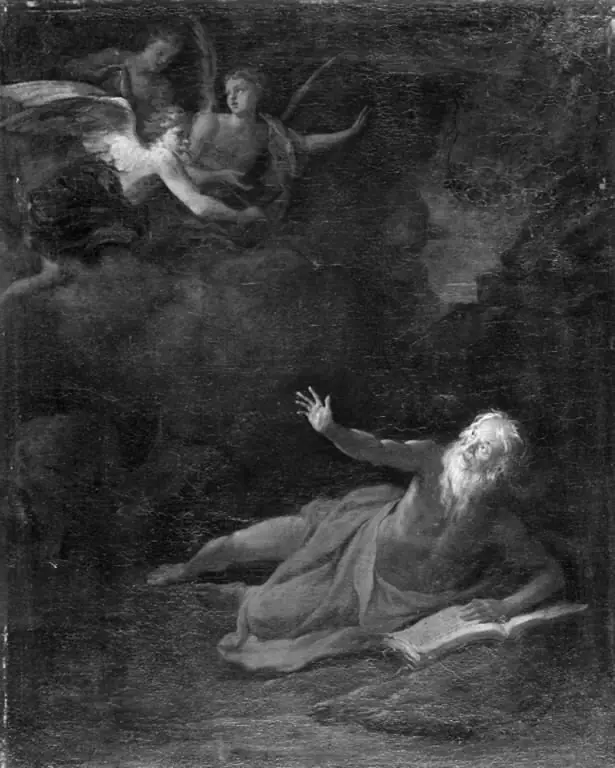
Allegory of Providence is an unspecified painting by the Early Baroque Italian artist Ludovico Carracci. It dates from 1604 and is held in the collection of the Capitoline Museums.
About this work
Overview
Painted in 1604 by Ludovico Carracci, *Allegory of Providence* is a devotional composition rooted in the early Baroque tradition of Bologna.
Painted in 1604 by Ludovico Carracci, *Allegory of Providence* is a devotional composition rooted in the early Baroque tradition of Bologna. It was conceived as part of a broader effort to renew religious imagery through emotional clarity and naturalistic expression. The work avoids the artificiality of Mannerism, instead favoring dynamic composition and atmospheric lighting to convey spiritual presence.
Subject & Meaning
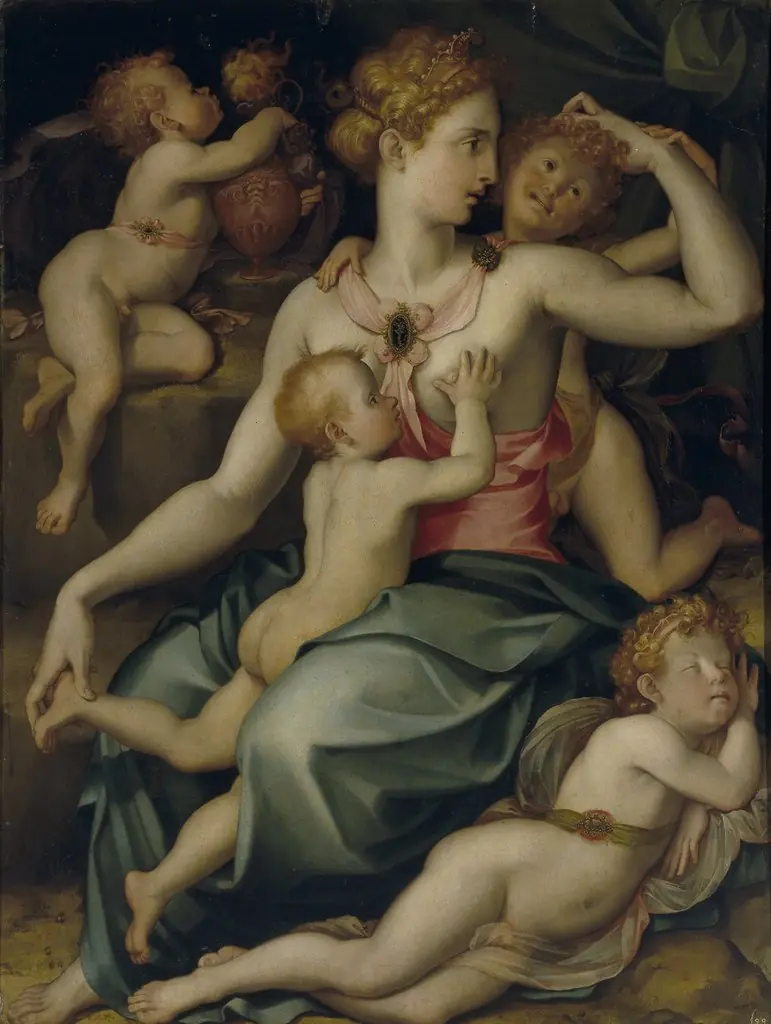
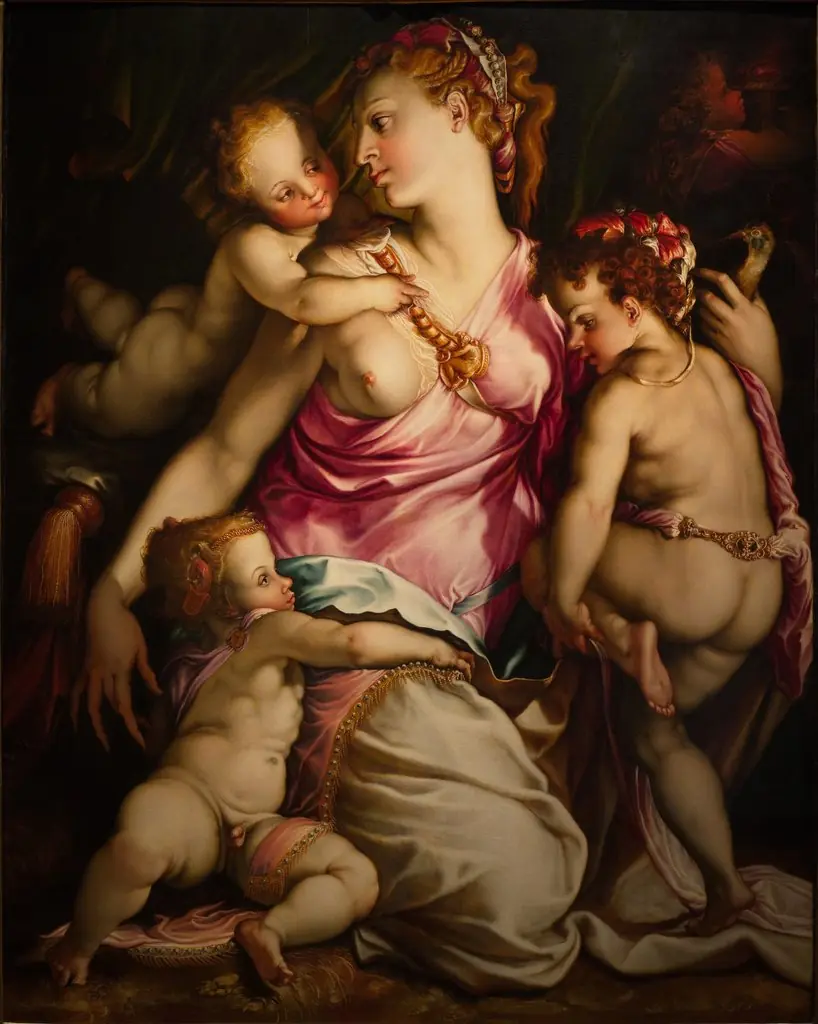
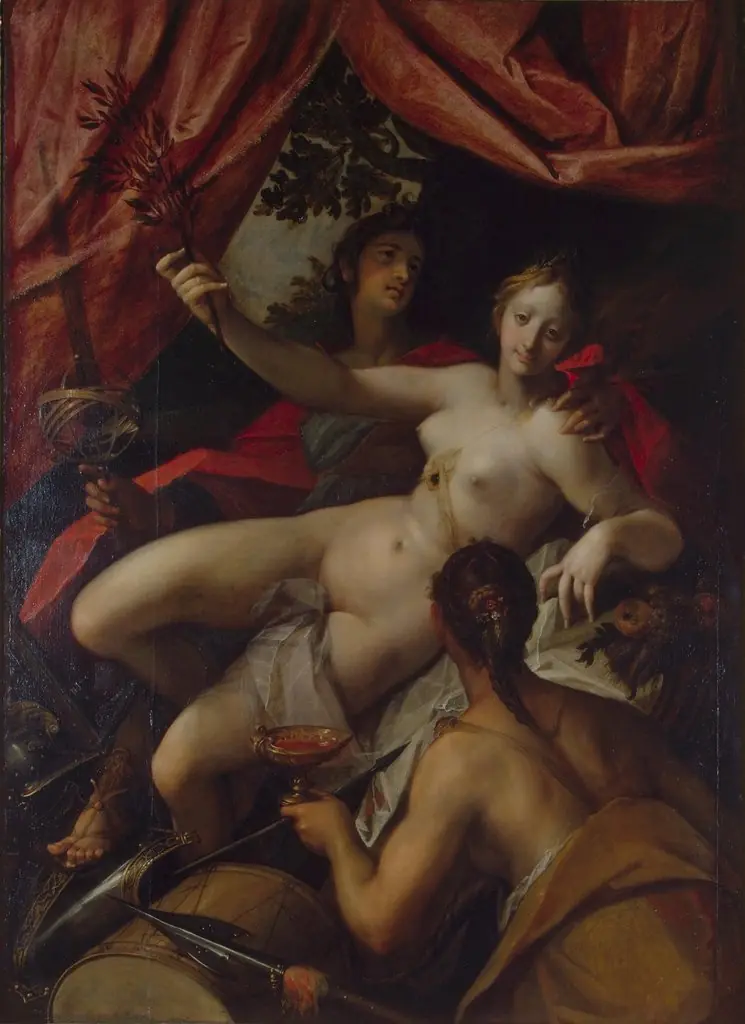
The central figure, crowned with laurel and draped in red and white, represents Divine Providence, seated in serene authority. Surrounding cherubs interact gently with her—offering fruit, touching her garments—symbolizing the benevolent, active presence of divine will in earthly affairs. The laurel crown suggests victory and eternal order, while the tranquil setting reinforces the idea of harmonious governance by a higher power.
Technique & Style
Carracci employs chiaroscuro to model the figure with soft, volumetric light, guiding the viewer’s focus to her outstretched arm and serene expression. The brushwork is fluid yet controlled, with delicate rendering of fabric and skin tones. The background’s muted column and tree anchor the scene without distraction, while the sky’s hazy clouds enhance the sense of celestial space, all contributing to a calm, elevated mood.
History & Provenance
Commissioned during Carracci’s tenure in Bologna, the painting entered the Capitoline Museums’ collection in the 18th century, likely through papal or noble acquisitions. Its survival in near-original condition reflects its early recognition as a significant work of the Carracci school. No major alterations or reattributions are recorded, affirming its consistent identification as Ludovico’s hand.
Context
Created amid the Counter-Reformation, the painting aligns with Catholic efforts to revive spiritual imagery through accessible, emotionally resonant art. Carracci’s approach—grounded in observation and classical balance—contrasted with the exaggerated stylization of late Mannerism. This work exemplifies the Bolognese school’s role in shaping Baroque aesthetics, prioritizing clarity and moral gravity over ornamental complexity.
Legacy
Though less widely known than Carracci’s frescoes, *Allegory of Providence* influenced later devotional painting through its synthesis of naturalism and symbolic clarity. Its restrained elegance and emotional restraint became a model for religious imagery in northern Italy. The painting remains a quiet testament to the Carracci family’s reformist vision in early Baroque art.
Own this work as a print
Artist & collection
Artist
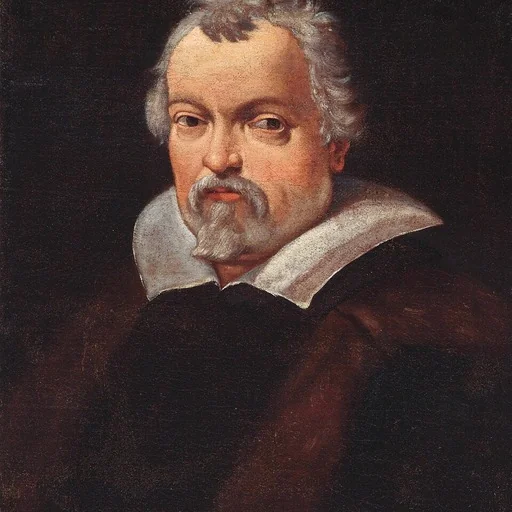
Ludovico (or Lodovico) Carracci ( kə-RAH-chee, UK also kə-RATCH-ee, Italian: ; 21 April 1555 – 13 November 1619) was an Italian early-Baroque painter, etcher, and printmaker from Bologna.