Artwork
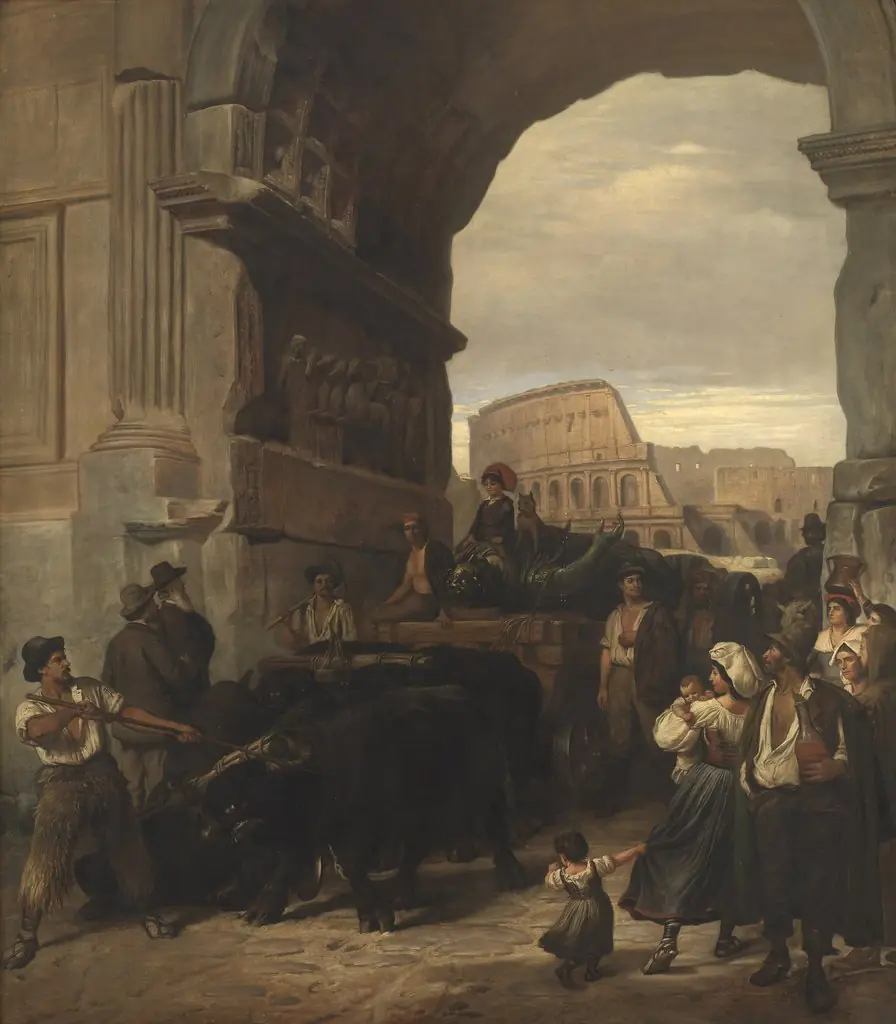
Roman Workmen Transporting an Antique Imperial Statue from the Colosseum through the Arch of Titus to the Capitoline Museums. Study
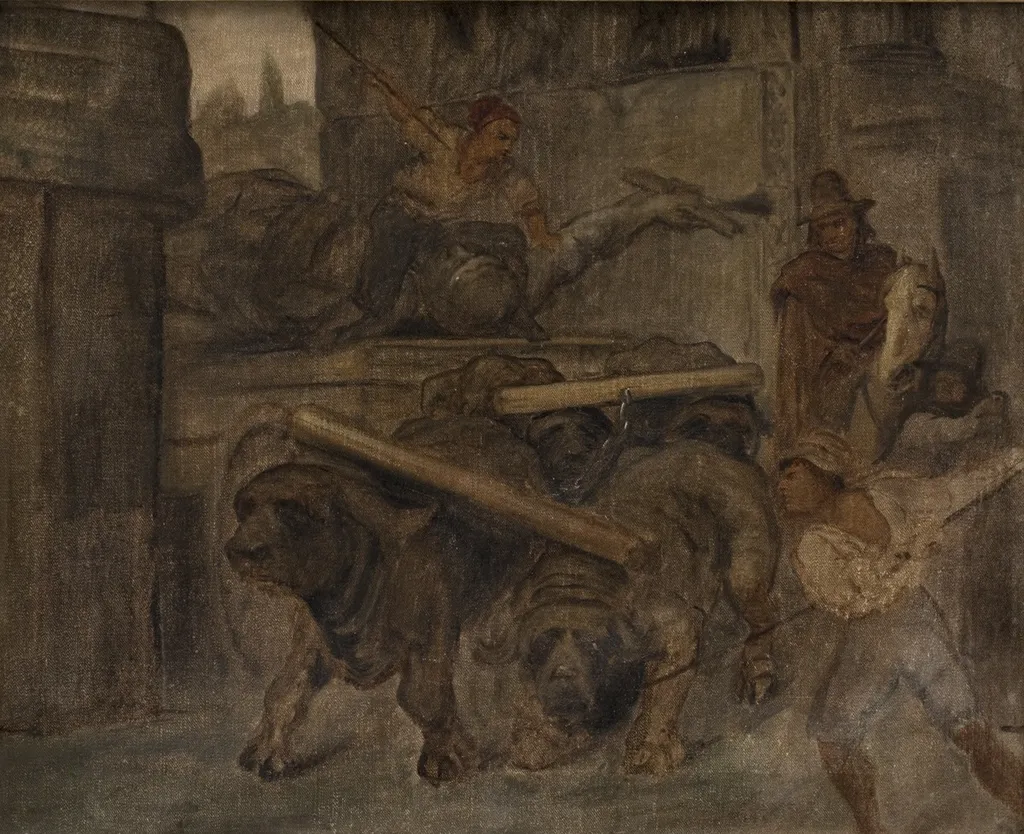
Roman Workmen Transporting an Antique Imperial Statue from the Colosseum through the Arch of Titus to the Capitoline Museums. Study is an oil painting by the Realist artist Ludvig Abelin Schou. It dates from 1866 and is held in the collection of the Statens Museum for Kunst.
About this work
Overview
The canvas shows a group of laborers moving a classical statue on a cart through a Roman arch, observed by onlookers amid surrounding architecture.
Ludvig Abelin Schur’s 1866 oil study, titled *Roman Workmen Transporting an Antique Imperial Statue from the Colosseum through the Arch of Titus to the Capitoline Museums*, records a moment of urban labor in nineteenth‑century historic imagination. The canvas shows a group of laborers moving a classical statue on a cart through a Roman arch, observed by onlookers amid surrounding architecture. The work is part of the collection of Denmark’s Statens Museum for Kunst.
Subject & Meaning
The composition captures a practical episode—workers conveying an ancient imperial statue from the ruins of the Colosseum, through the Arch of Titus, to the Capitoline Museums. By foregrounding the physical effort of the carriers and the casual curiosity of passers‑by, the painting reflects on the continuity between Rome’s antiquity and its modern stewardship of cultural heritage.
Technique & Style
Executed in a realist manner, the study emphasizes precise rendering of the stone statue, the wooden cart, and the workers’ musculature. A restrained palette of earth tones underlies the scene, while careful modeling of light and shadow creates a subtle chiaroscuro that gives volume to both figures and architectural elements.
History & Provenance
Created by Schur, a Danish painter associated with Romanticism yet working within a realist framework, the piece remained in his estate before entering the national collection. It was acquired by the Statens Museum for Kunst, where it is displayed as part of the museum’s 19th‑century European holdings.
Context
The work reflects a broader 19th‑century fascination with classical antiquity and the processes of archaeological preservation. Schur’s choice to depict the transport of an imperial statue through iconic Roman landmarks aligns with contemporary interests in documenting the material culture of ancient Rome as it entered modern museum contexts.
Artist & collection
Artist
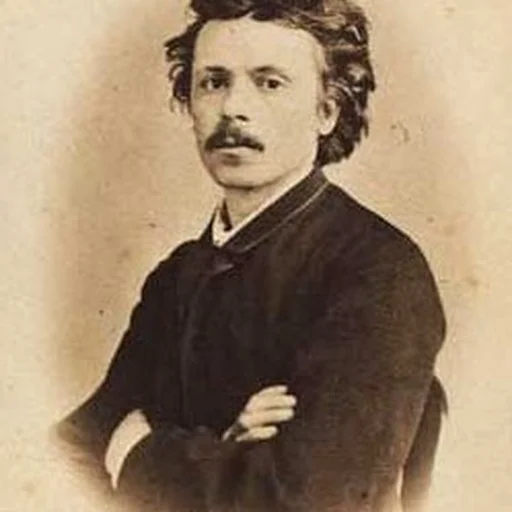
Ludvig Abelin Schou, known as L.A. Schou (11 January 1838, in Slagelse – 30 September 1867, in Florence), was a Danish Romantic painter, the older brother of Peter Alfred Schou.

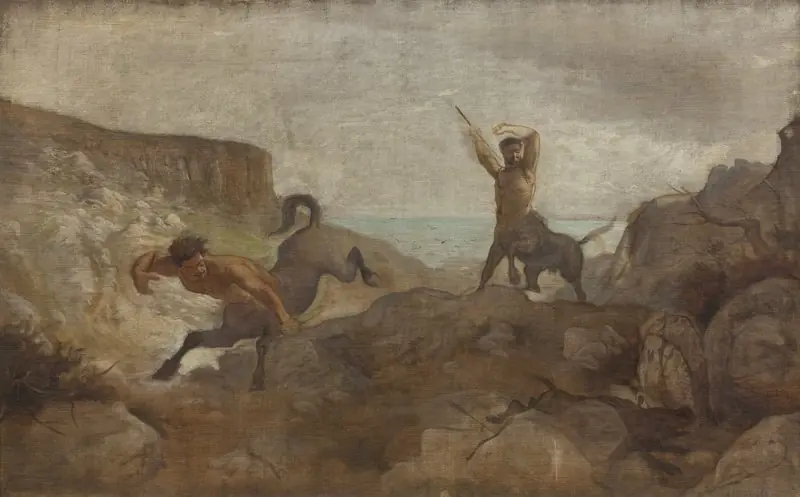
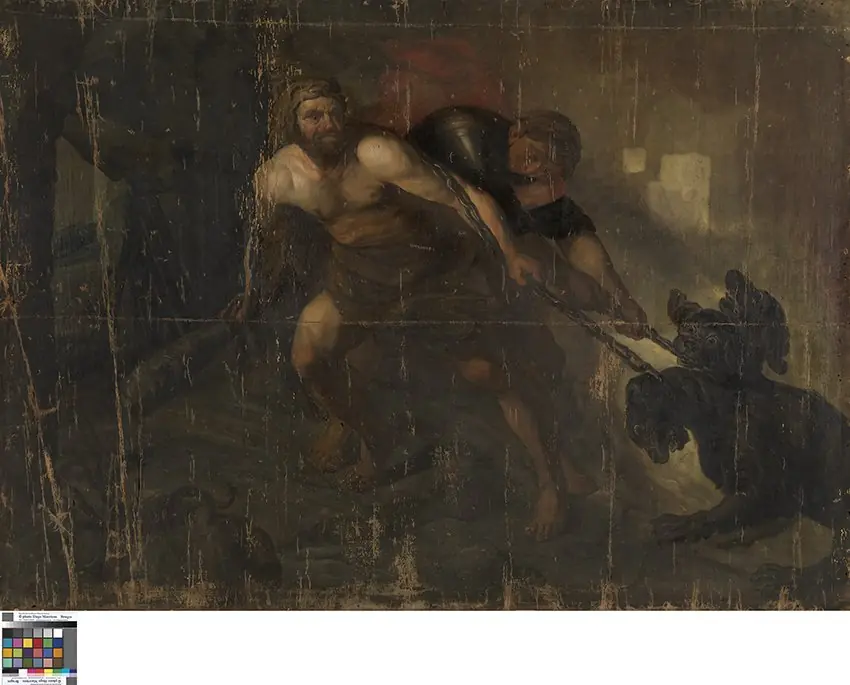 Hercules sleept Cerberus uit de hel
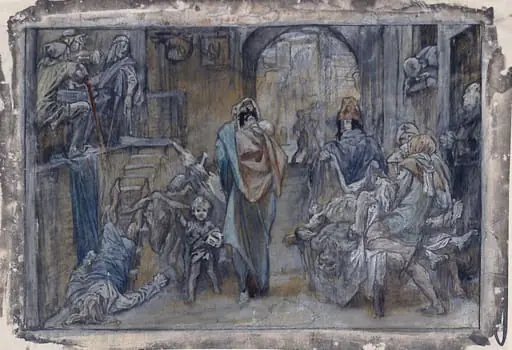 The Plague in Florence
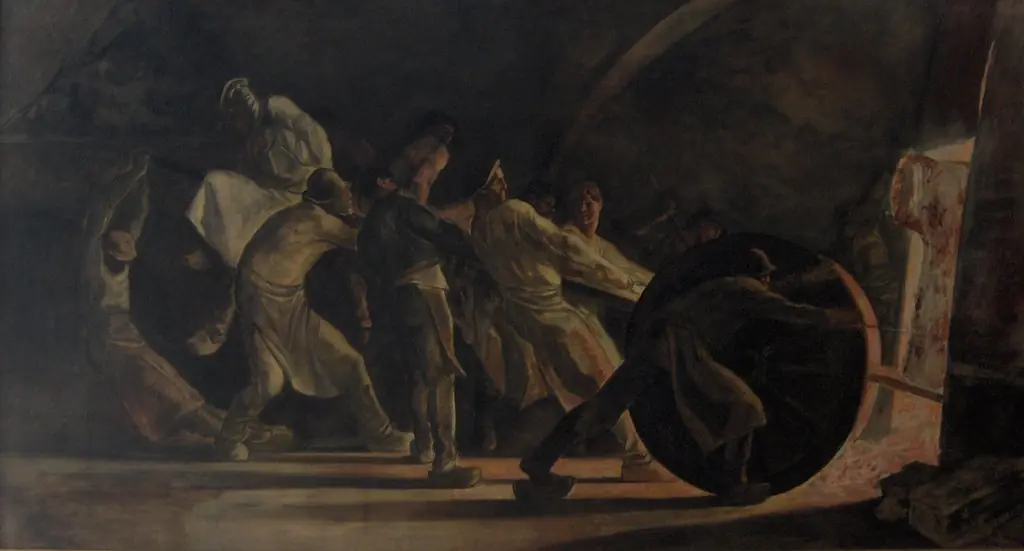 The removal of the cracked melting pot
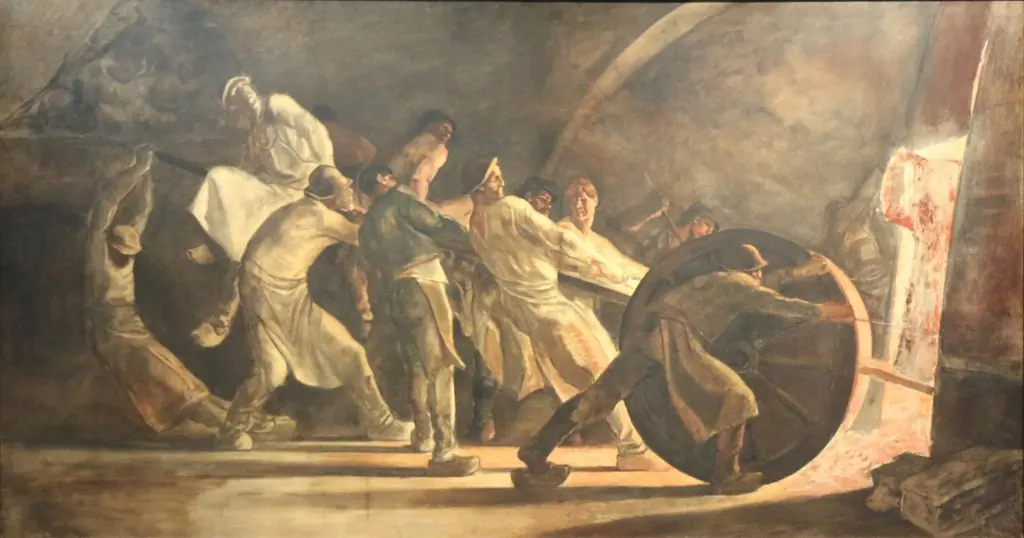 Removal of a Broken Crucible
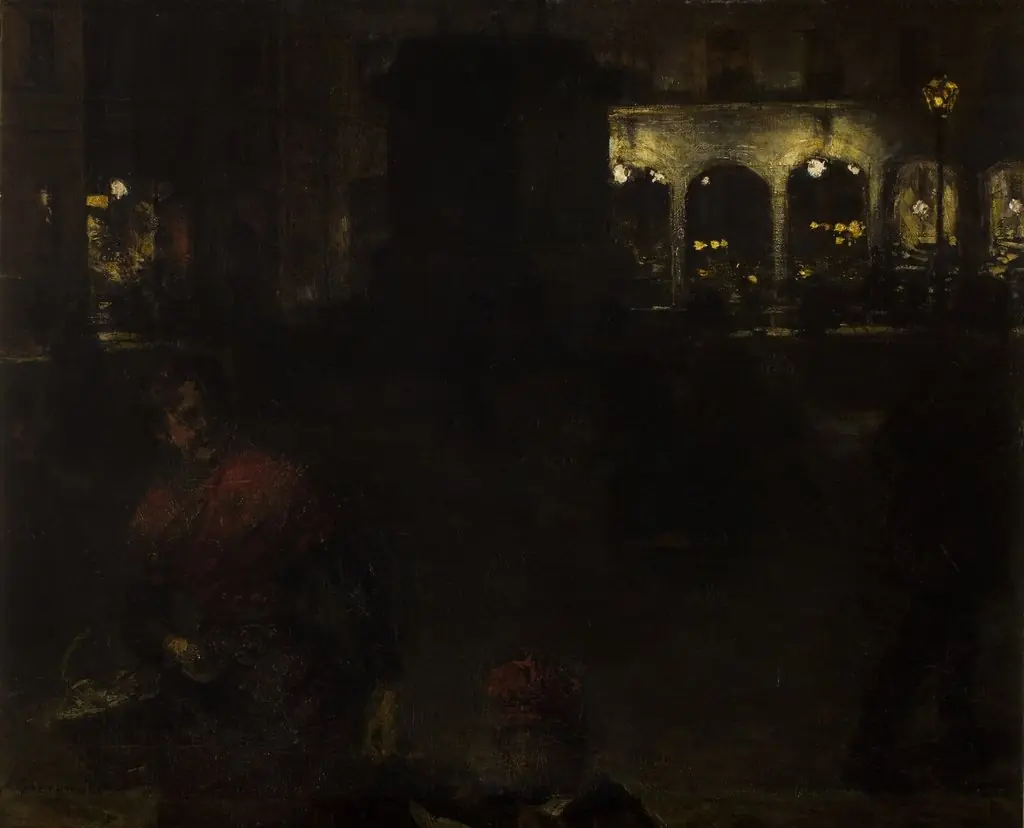 Motif from the Wittelsbachs' Square in Munich
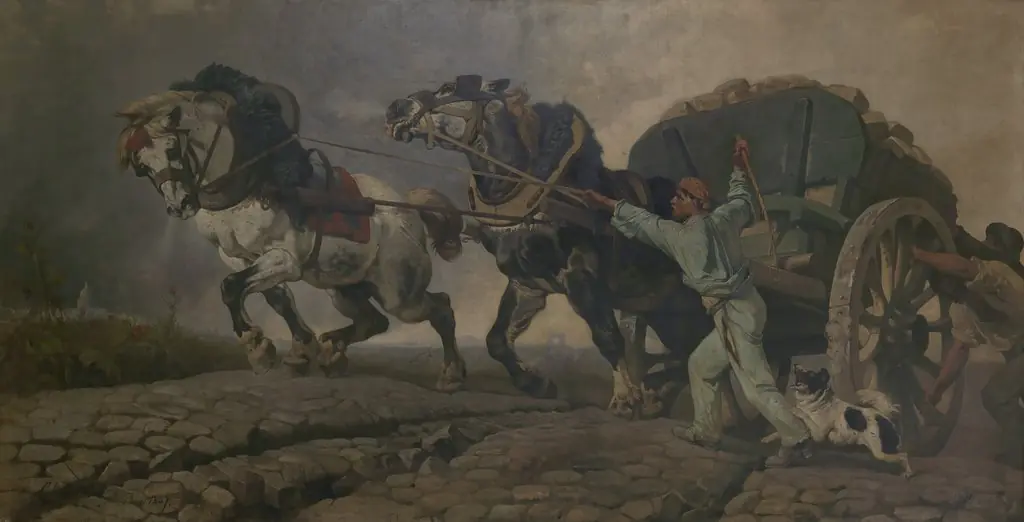 The heavy load
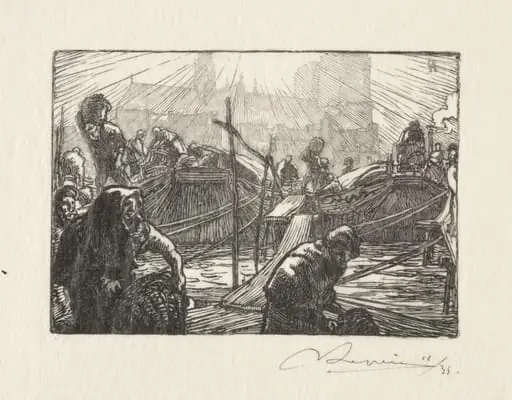 Notre Dame vue du Marché aux pommes
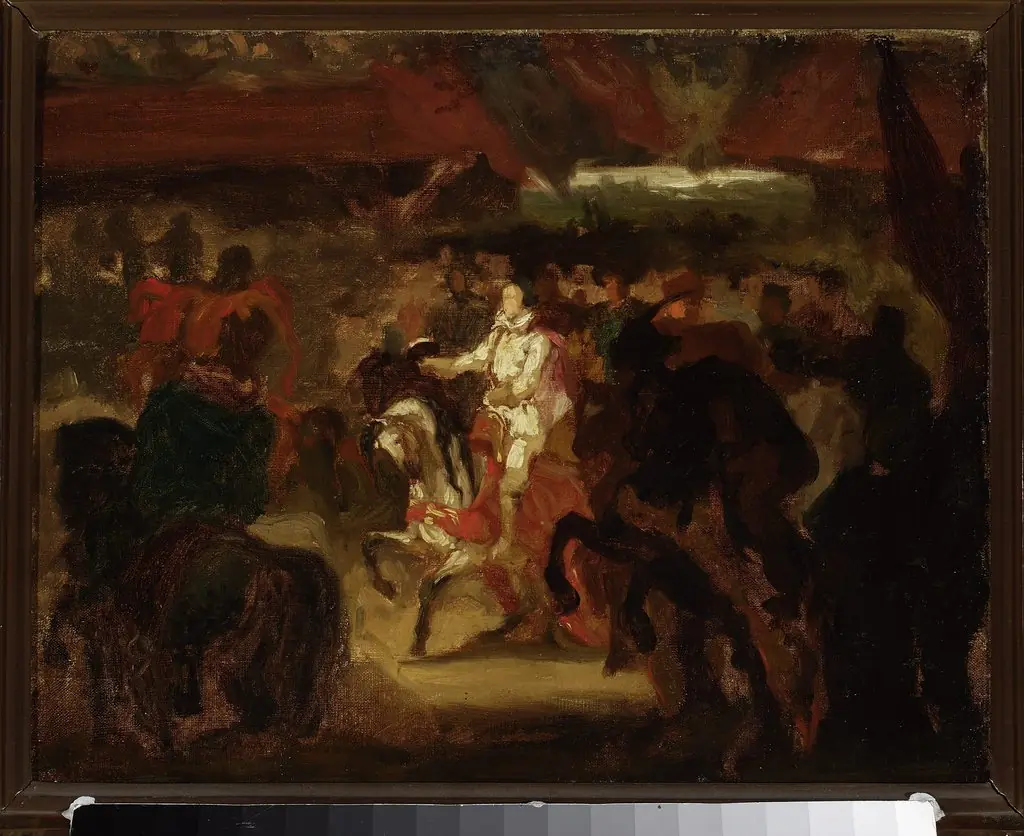 Entry of Henry of Valois to Kraków, sketch
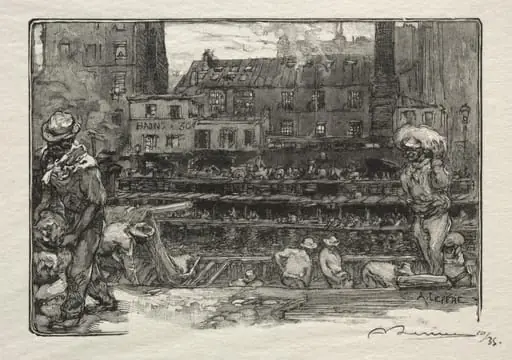 Les Déchargeurs de Plâtre
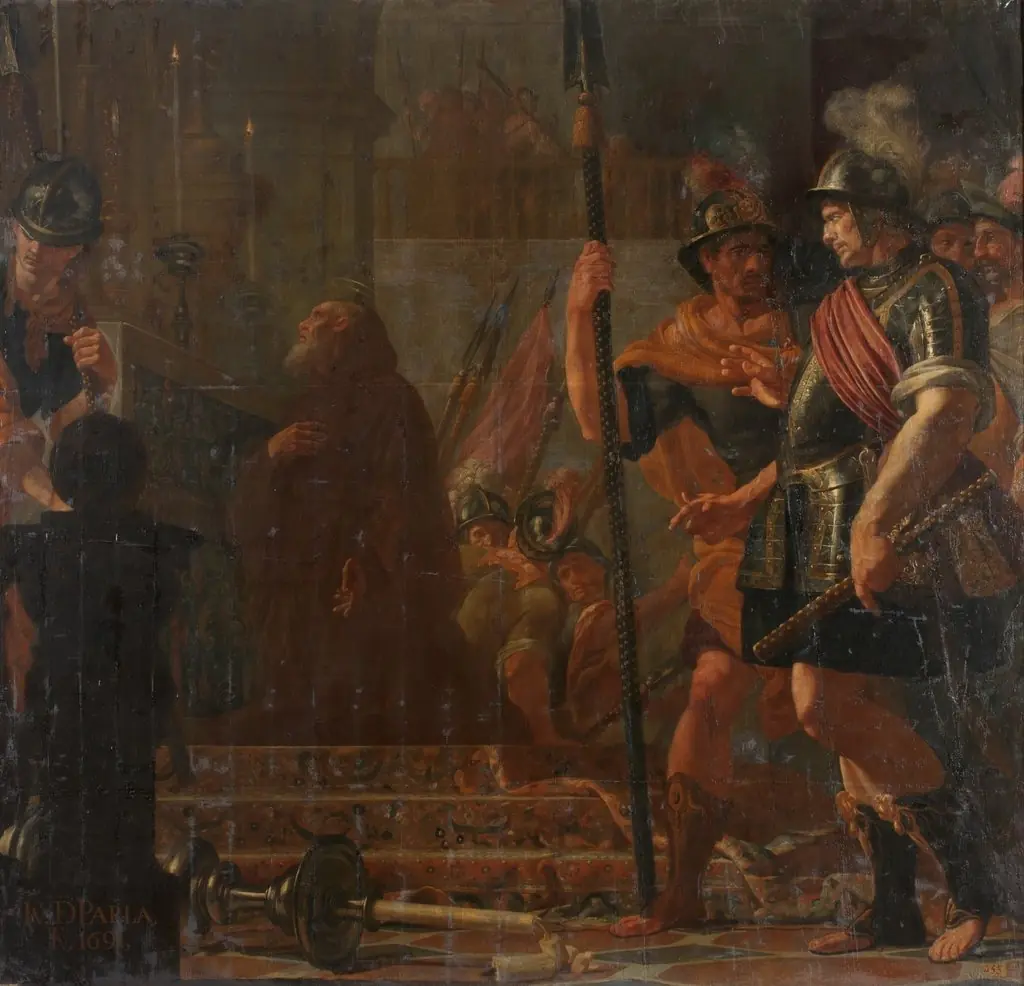 Saint Francis of Paola
 Bărci
Bărci Port at Low Tide