Artwork
Head of a Peasant Woman
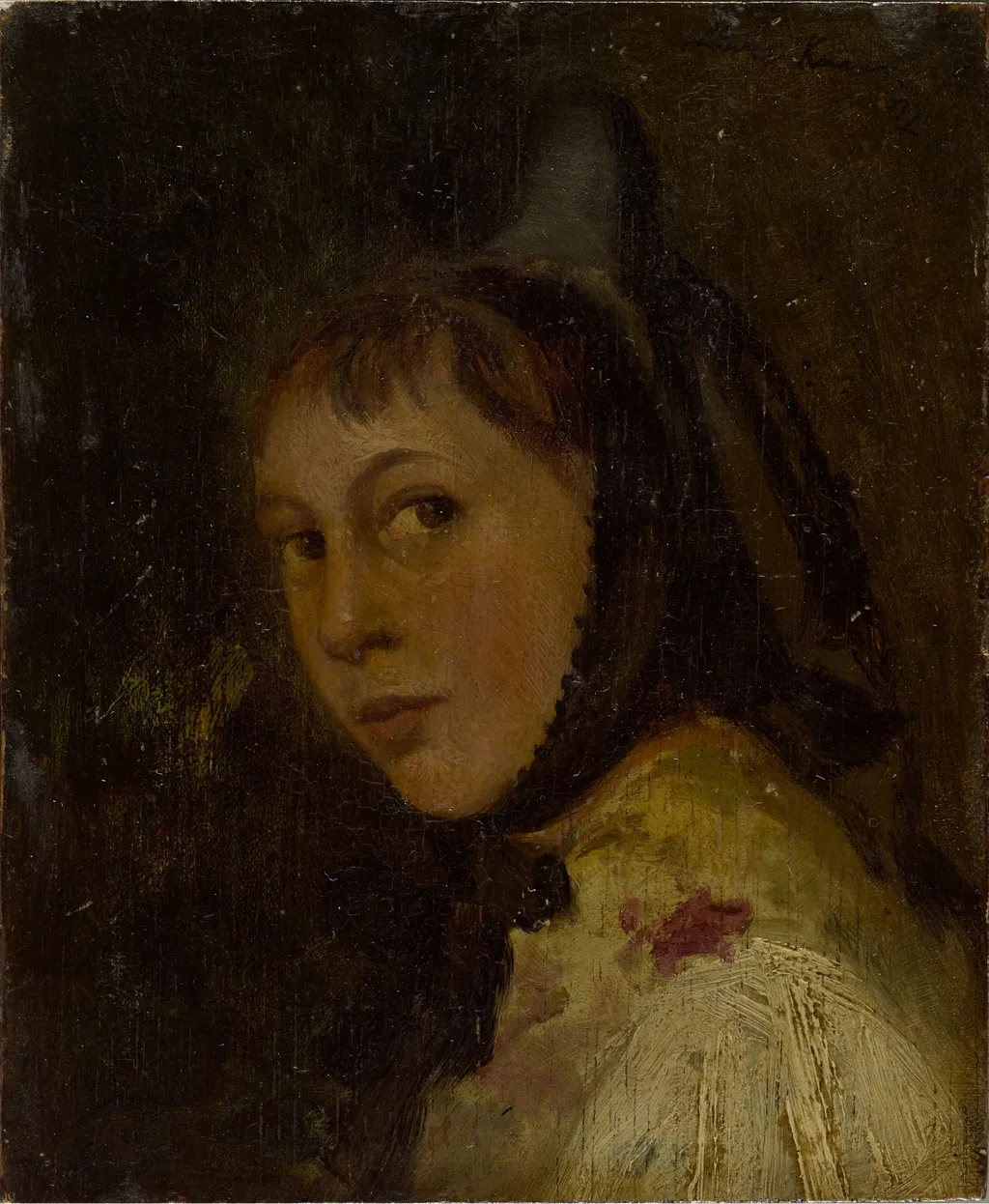
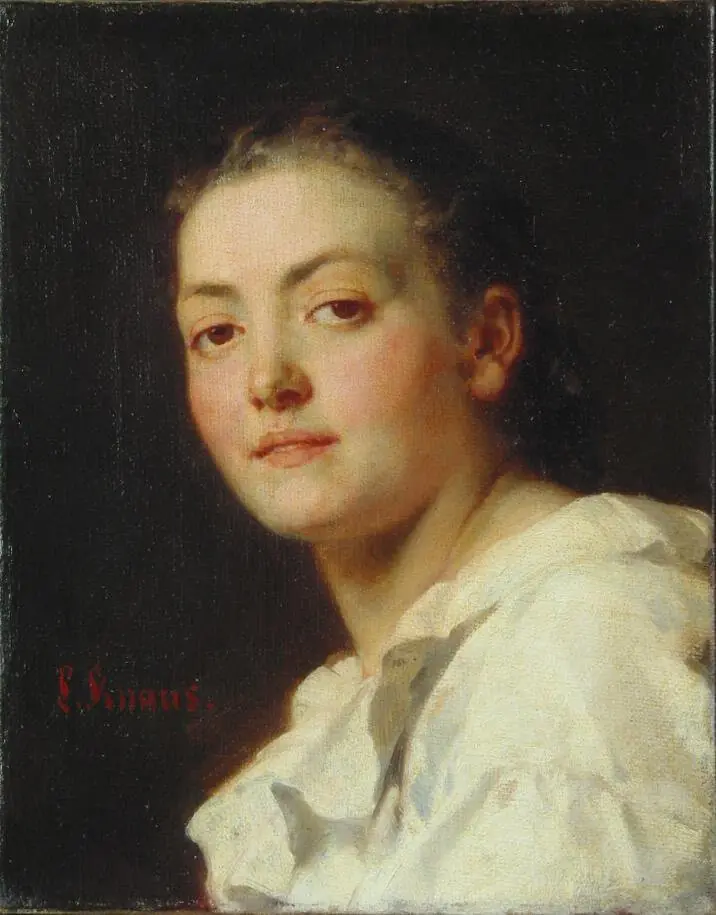
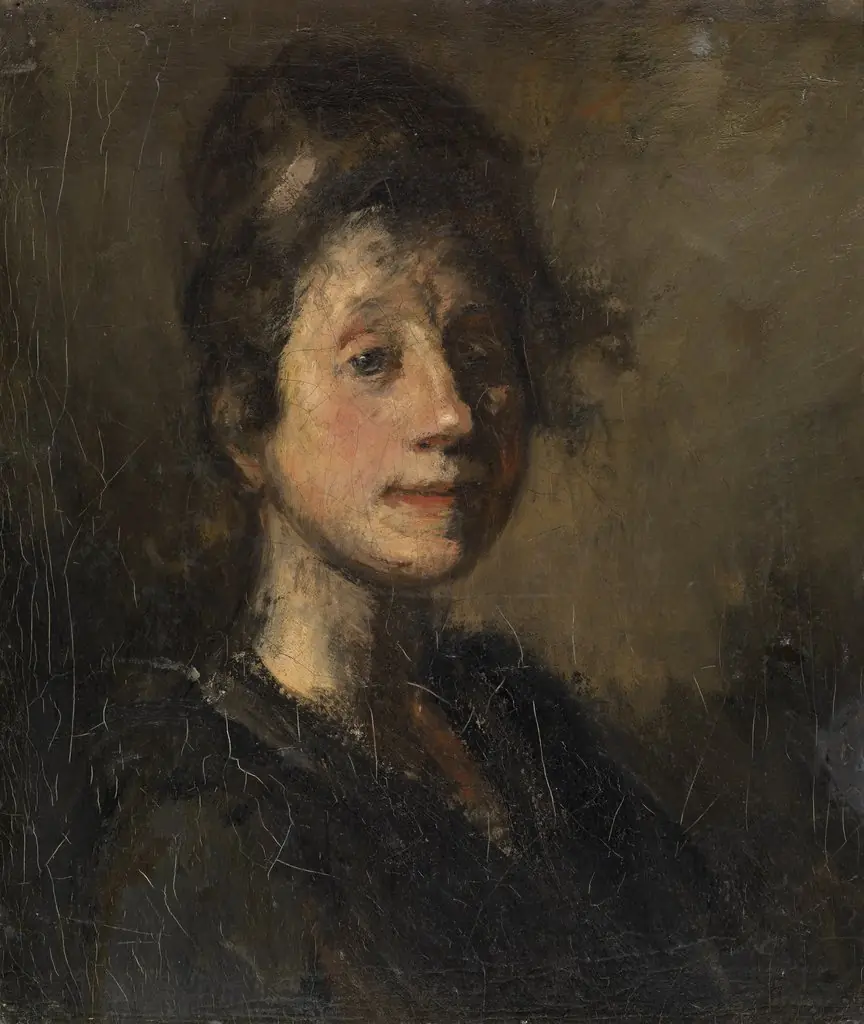
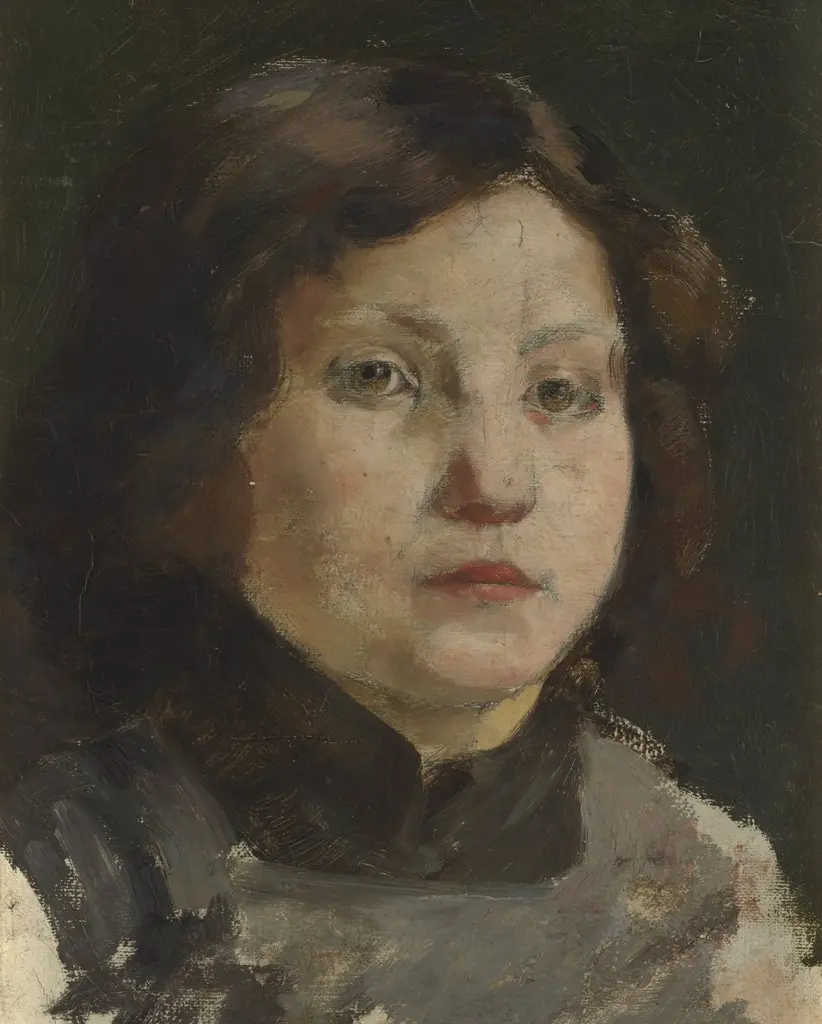
Head of a Peasant Woman is an oil painting by the Realist artist Ludwig Knaus. It dates from 1872 and is held in the collection of the Hermitage Museum.
About this work
Overview
It is part of the permanent collection at the State Hermitage Museum in Saint Petersburg, where it remains as a quiet example of 19th-century genre portraiture.
Painted in 1872 by German artist Ludwig Knaus, this oil portrait captures the head of an elderly peasant woman. Executed in a straightforward, unembellished manner, the work reflects the Realist commitment to portraying ordinary people without romanticization. It is part of the permanent collection at the State Hermitage Museum in Saint Petersburg, where it remains as a quiet example of 19th-century genre portraiture.
Subject & Meaning
The subject is a woman of rural origin, her features marked by age and labor. Her direct gaze and composed expression convey dignity rather than sentimentality. The absence of narrative context or symbolic elements shifts focus entirely to her presence, emphasizing the quiet humanity of everyday life. Knaus avoids idealization, presenting her as she is, with no embellishment or moral judgment.
Technique & Style
Knaus employed thick, deliberate brushwork to render the texture of her dark hair and the fabric of her high-necked dress. The dark, indistinct background isolates her face, heightening its emotional weight. Facial details—thin eyebrows, brown eyes, subtle wrinkles—are rendered with precision, while the rest of the composition remains restrained. The style is firmly rooted in Realism, prioritizing observation over dramatic effect.
History & Provenance
Created during Knaus’s mature period, the painting entered the Hermitage’s collection in the late 19th or early 20th century, likely through acquisition or donation. It has remained in the museum’s holdings since, without significant public exhibition history. Its provenance reflects the broader interest of Russian institutions in German Realist works during the period of cultural exchange between Central Europe and the Russian Empire.
Context
In the 1870s, German artists associated with the Düsseldorf school increasingly turned to rural subjects as a counterpoint to urban modernization. Knaus, influenced by French Realism and Dutch portraiture, sought to elevate the dignity of peasant life through careful observation. This painting aligns with a broader European trend of portraying laboring classes with psychological depth and formal seriousness.
Legacy
Though not among Knaus’s most widely known works, this portrait exemplifies his consistent approach to character study. It contributes to a body of 19th-century art that expanded the scope of portraiture beyond the elite to include the rural poor. Its endurance in the Hermitage underscores its role as a quiet, enduring document of social realism in European painting.
Own this work as a print
Artist & collection
Artist
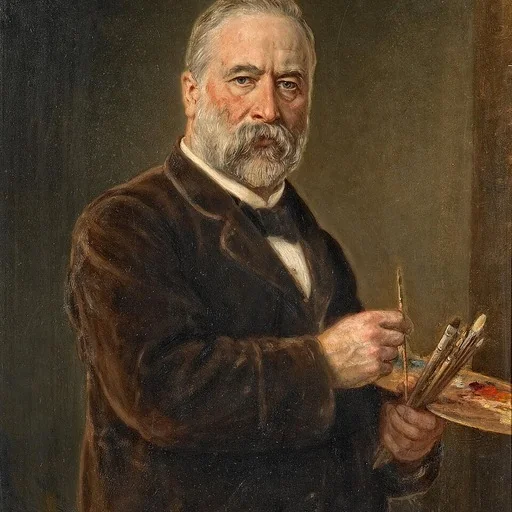
Ludwig Knaus (5 October 1829 – 7 December 1910) was a German genre painter of the younger 7 Düsseldorf school of painting.