Artwork
The Truant
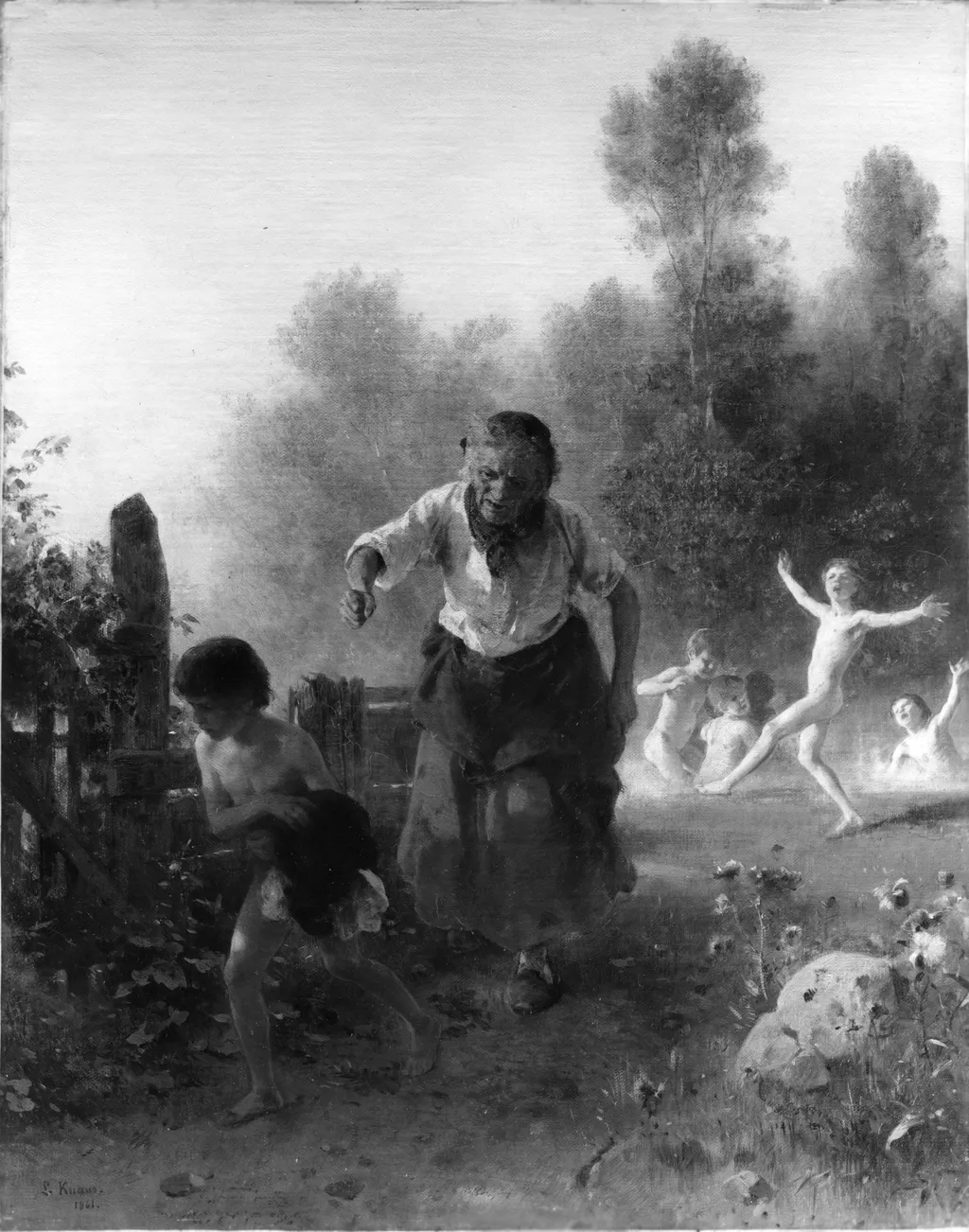
The Truant is an oil painting by the Realist artist Ludwig Knaus. It dates from 1861 and is held in the collection of the Walters Art Museum.
About this work
Overview
Belonging to the Düsseldorf school’s realist tradition, the piece avoids idealization, instead focusing on ordinary life with quiet attention to detail.
Painted in 1861 by German artist Ludwig Knaus, *The Truant* is an oil-on-canvas work that captures a moment of unstructured childhood play. Belonging to the Düsseldorf school’s realist tradition, the piece avoids idealization, instead focusing on ordinary life with quiet attention to detail. It resides today in the Walters Art Museum’s collection, where it exemplifies 19th-century genre painting’s interest in domestic and social scenes.
Subject & Meaning
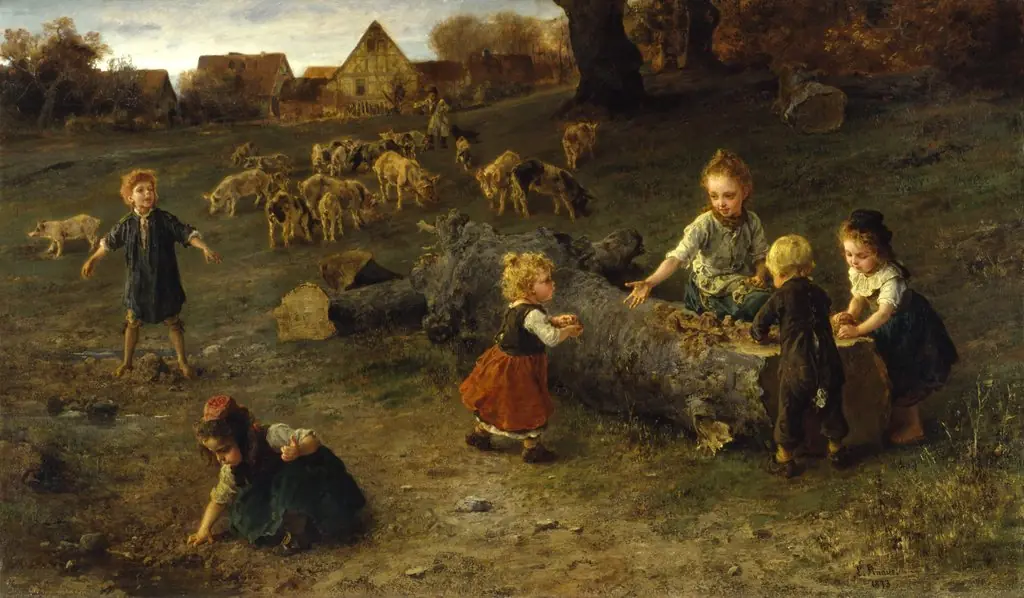
The painting portrays a group of boys engaged in informal outdoor play, their postures and gestures suggesting spontaneous interaction rather than staged activity. No narrative climax is present—only the fleeting energy of recess. The title, *The Truant*, hints at absence from duty, yet the scene celebrates freedom rather than reprimand, framing childhood as a realm of self-directed activity outside adult supervision.
Technique & Style
Knaus employed loose, visible brushwork to convey motion and texture, particularly in the children’s clothing and the grassy ground. Color is applied with sensitivity to natural light, avoiding theatrical contrast. Glazing techniques may have been used to deepen shadows and unify tones, contributing to the painting’s atmospheric cohesion without sacrificing the immediacy of the moment.
History & Provenance
Created during Knaus’s mature period, the painting was likely exhibited in Germany before entering American hands. It was acquired by Henry Walters in the late 19th or early 20th century and became part of the foundation of the Walters Art Museum’s European collection. Its provenance reflects the transatlantic interest in German genre painting during that era.
Context
In mid-19th-century Europe, genre scenes like this one gained popularity as urbanization reshaped social life. Artists turned to everyday moments as subjects worthy of artistic attention, countering historical and mythological themes. Knaus’s work aligns with broader trends in German and Dutch realism, where childhood and domesticity were rendered with empathy rather than sentimentality.
Legacy
*The Truant* remains a representative example of Düsseldorf school realism, valued for its unembellished observation of youth. While not widely reproduced, it continues to inform studies of 19th-century European painting practices and the cultural perception of childhood. Its quiet authenticity distinguishes it from more dramatized depictions of the same subject.
Own this work as a print
Artist & collection
Artist
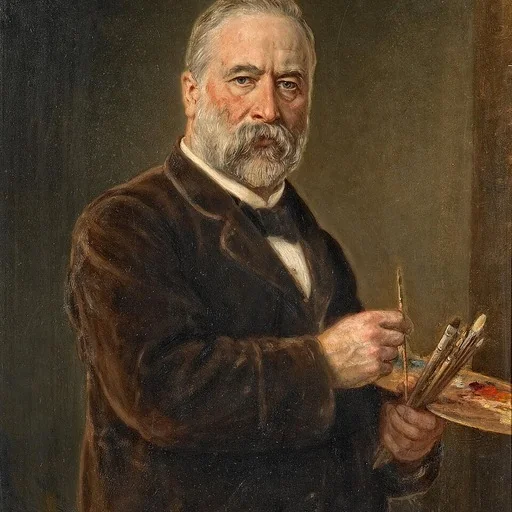
Ludwig Knaus (5 October 1829 – 7 December 1910) was a German genre painter of the younger 7 Düsseldorf school of painting.

 Spielende Gassenjungen
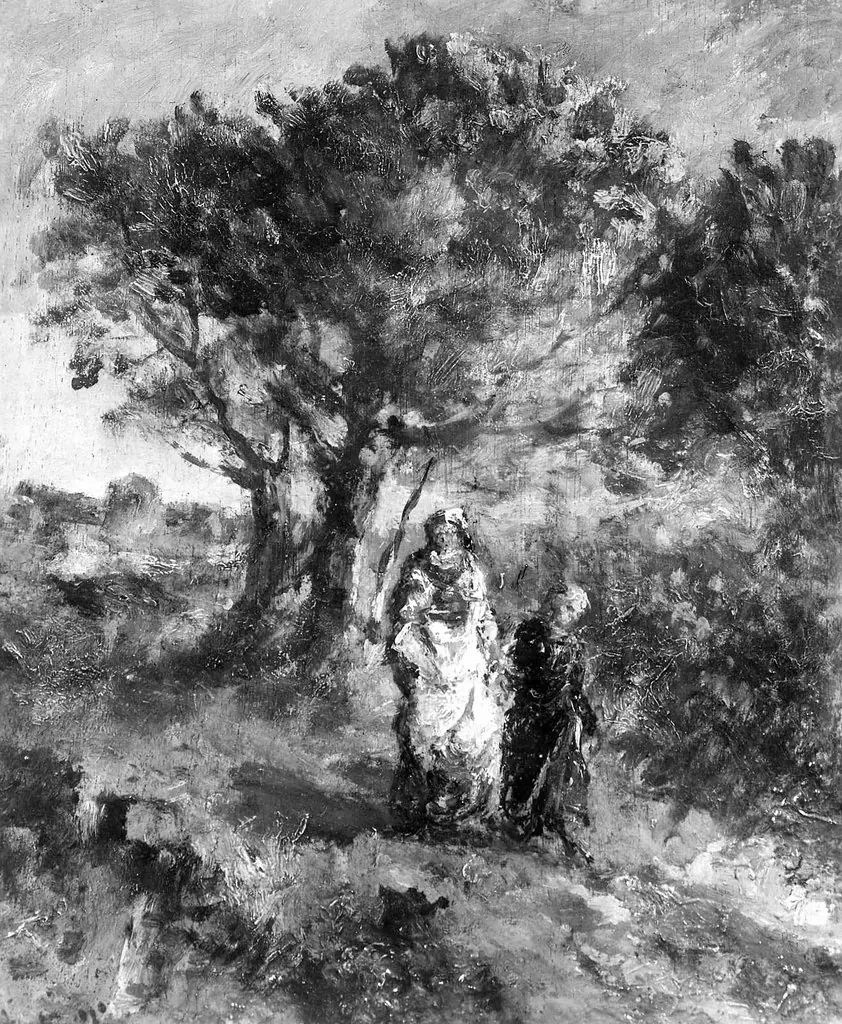 Landscape with Two Figures (Hagar and Ishmael?)
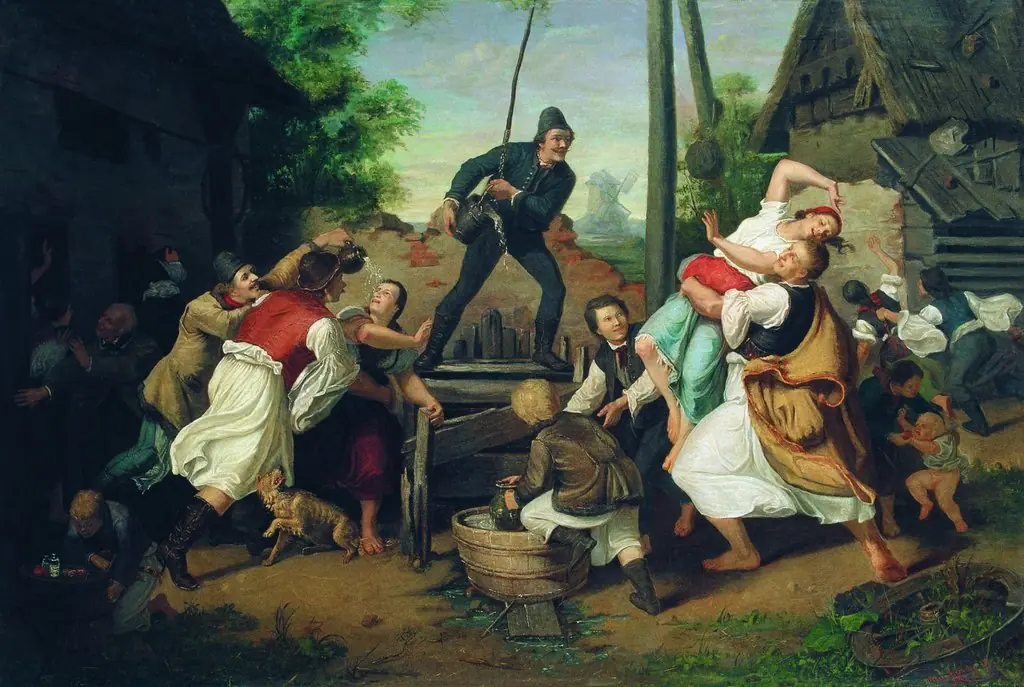 Easter Sprinkling
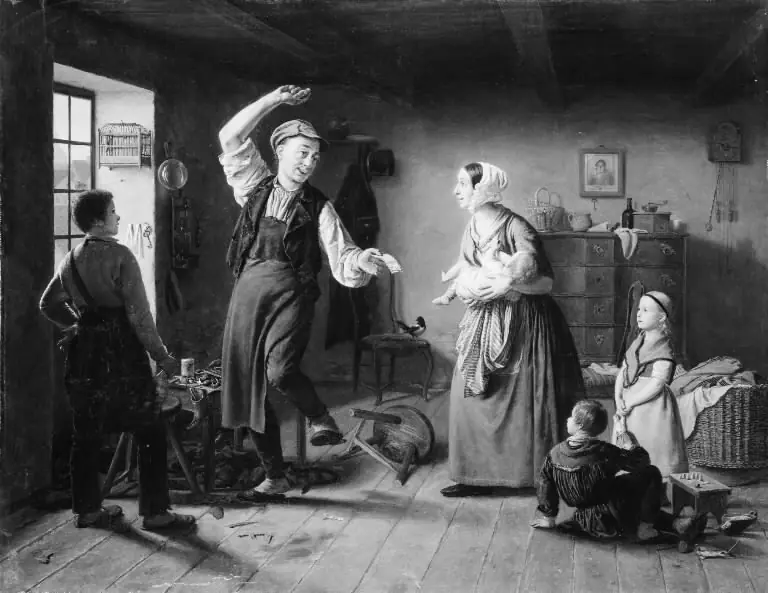 Gevinsten i tallotteriet
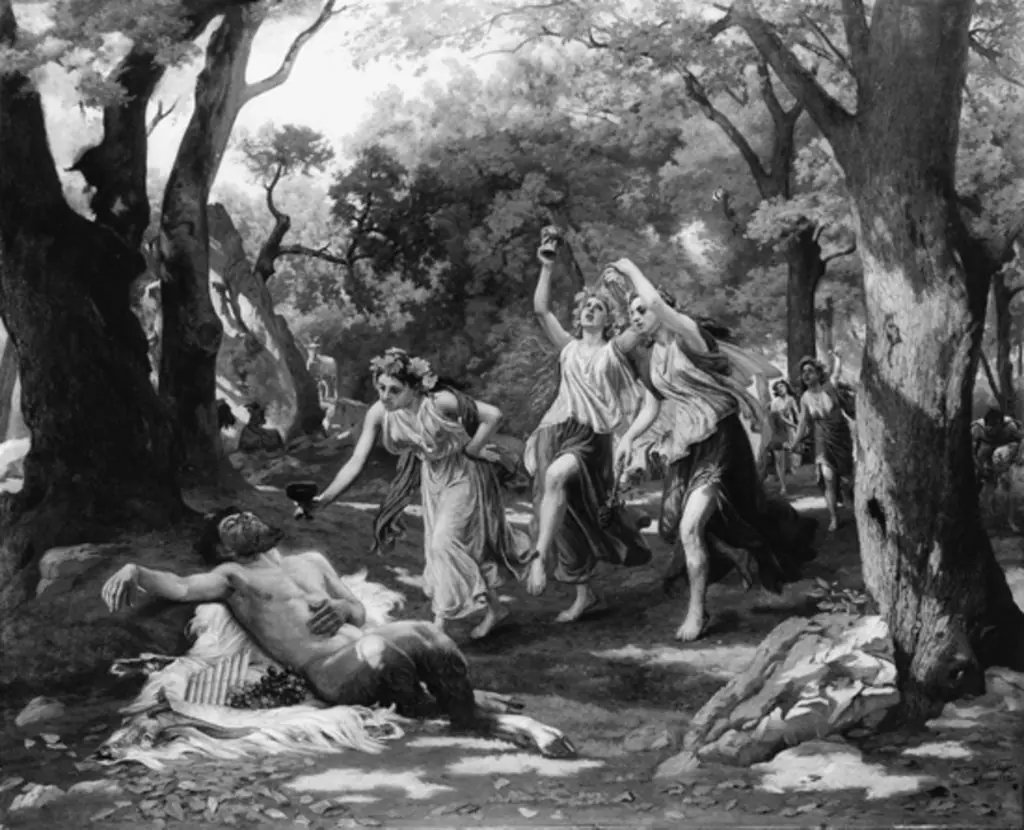 Pan und Bacchantinnen
 The Allegory of the Sorbonne
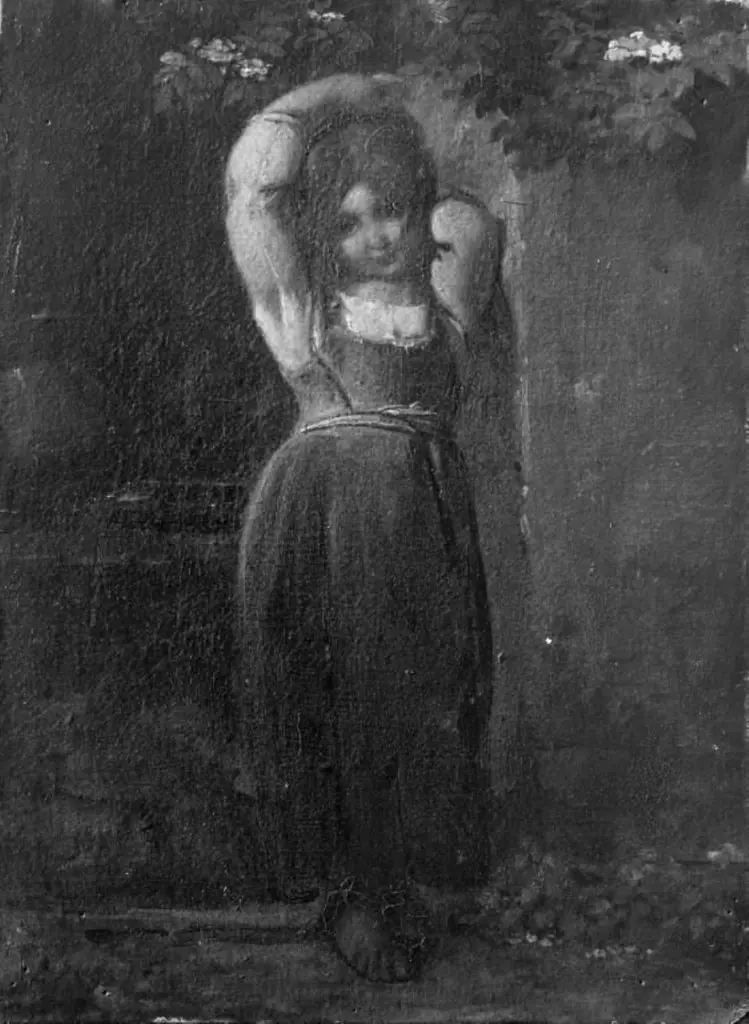 A little Italian girl by a fountain
 En lille italiensk pige ved en fontæne
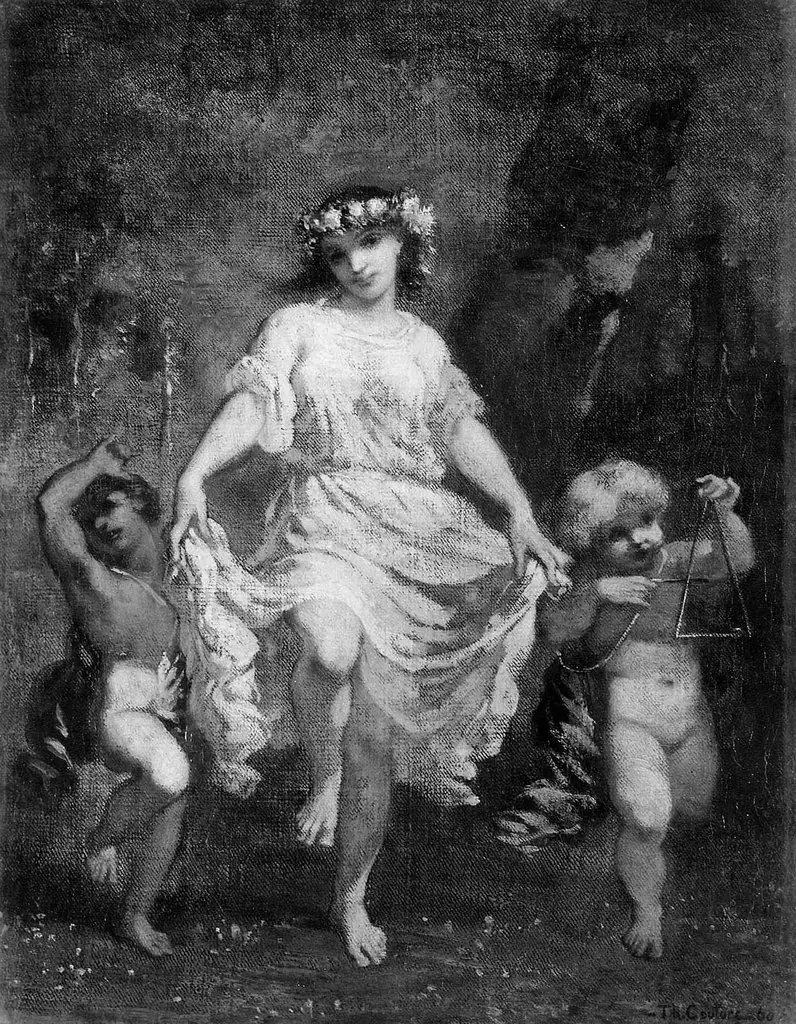 Nymph and Cupids
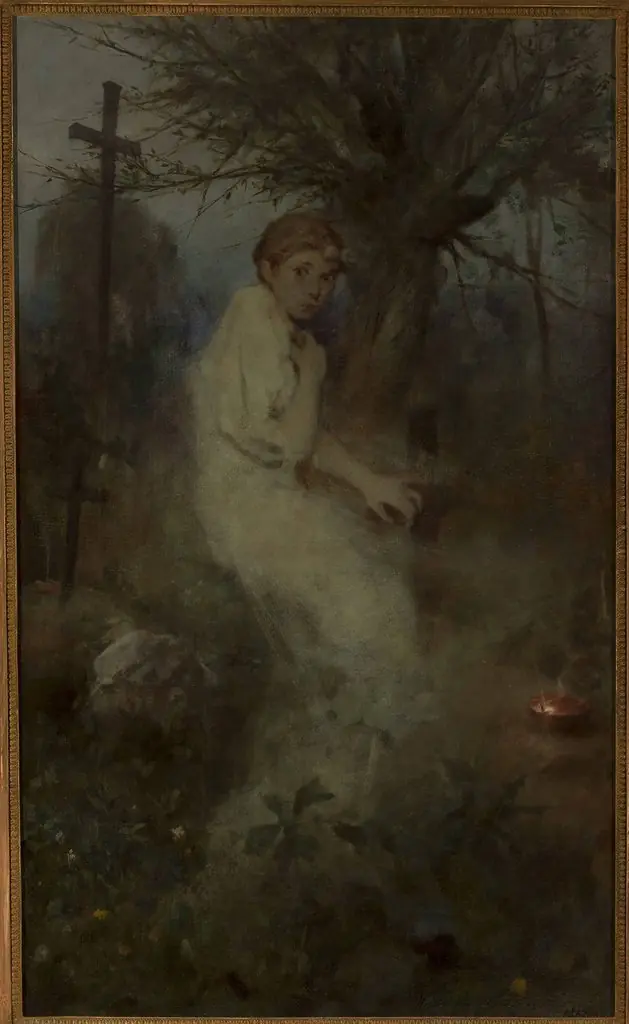 All Souls’ Day, part one of the triptych
 Landscape with Figures
 Peasants Merry-Making