Artwork
Zhong Kui Supported by Ghosts
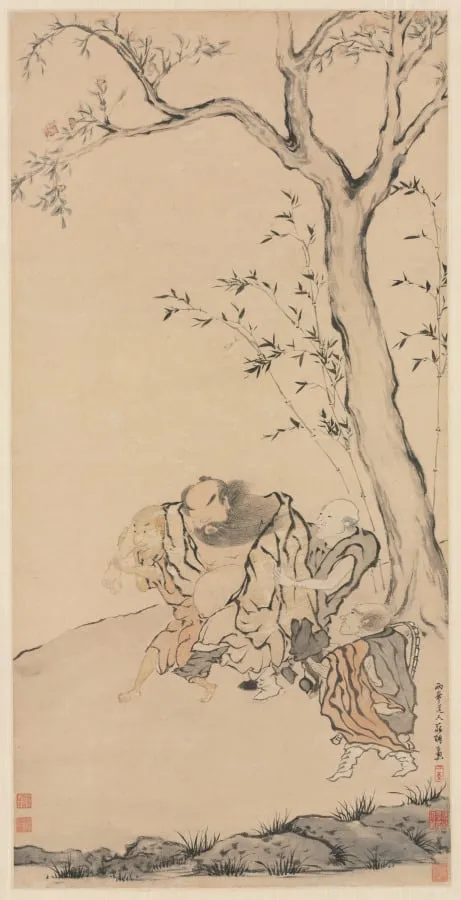
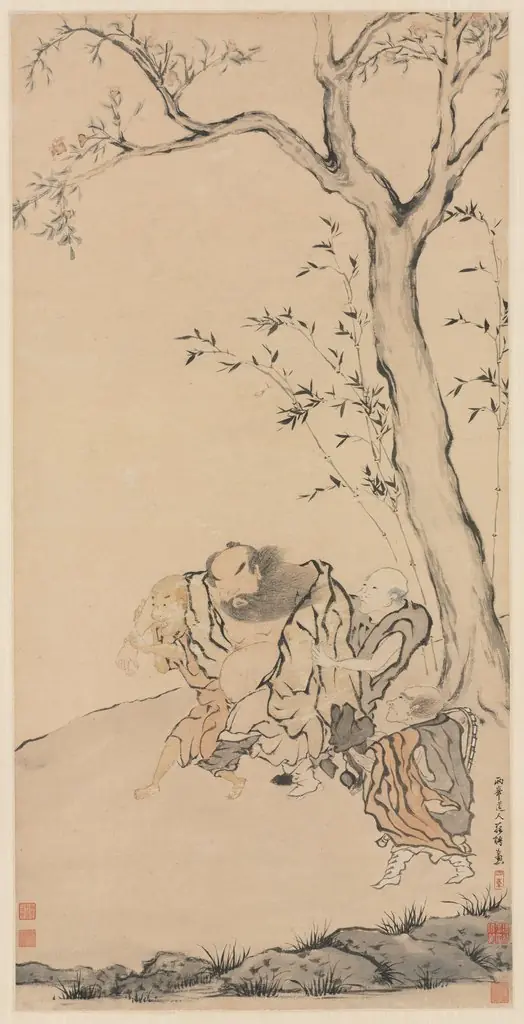
Zhong Kui Supported by Ghosts is an unspecified painting by the Chinese Orthodox School artist Luo Ping. It dates from 1704 and is held in the collection of the Cleveland Museum of Art. The painting depicts Zhong Kui, a legendary figure revered for warding off malevolent spirits.
About this work
A man with a wild beard and fierce eyes stands on a rocky path, surrounded by smaller, grinning figures with horns and claws.
A man with a wild beard and fierce eyes stands on a rocky path, surrounded by smaller, grinning figures with horns and claws. He wears a red robe and holds a sword, looking ready to fight.
Zhong Kui was a folk hero said to scare away bad luck and sickness. Families hung his picture during festivals to keep evil away. The artist, Luo Ping, painted him with humor—notice how the ghosts seem more playful than scary.
To see more works like this, look up subject: china, qing dynasty (1644–1911).
Overview
The painting depicts Zhong Kui, a legendary figure revered for warding off malevolent spirits. He stands on a craggy path, brandishing a sword, his wild beard and fierce gaze contrasting with the mischievous, horned companions that cluster around him. Dressed in a vivid red robe, his posture suggests readiness for combat, while the surrounding entities appear more playful than threatening.
Subject & Meaning
In Chinese folk belief, Zhong Kui serves as a powerful talisman against disease and misfortune, especially during New Year celebrations and the Double‑Fifth Festival. His image was traditionally displayed in homes to repel evil influences. The work reflects this protective function, yet the artist injects humor, rendering the attendant ghosts with grins and exaggerated features that soften their ominous role.
Technique & Style
Executed by Luo Ping, a Qing‑dynasty painter known for his lively brushwork, the composition balances bold outlines with delicate ink washes. The red garment is rendered with saturated pigment, drawing attention to the central figure, while the surrounding specters are suggested through quick, expressive strokes that convey movement and a lighthearted tone. The overall effect merges narrative clarity with a whimsical aesthetic.
History & Provenance
Created during the Qing period (1644–1911), the piece belongs to a broader corpus of Chinese paintings that portray mythic protectors. Luo Ping’s work was likely circulated among literati circles that valued both moral symbolism and artistic wit. Over time, the painting has been referenced in studies of folk iconography and remains a representative example of Qing‑era visual culture.
Artist & collection


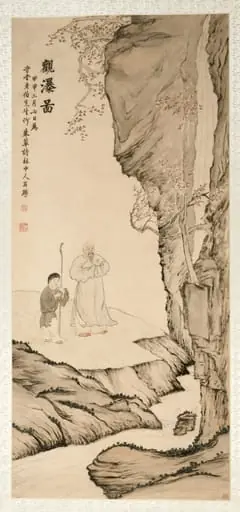
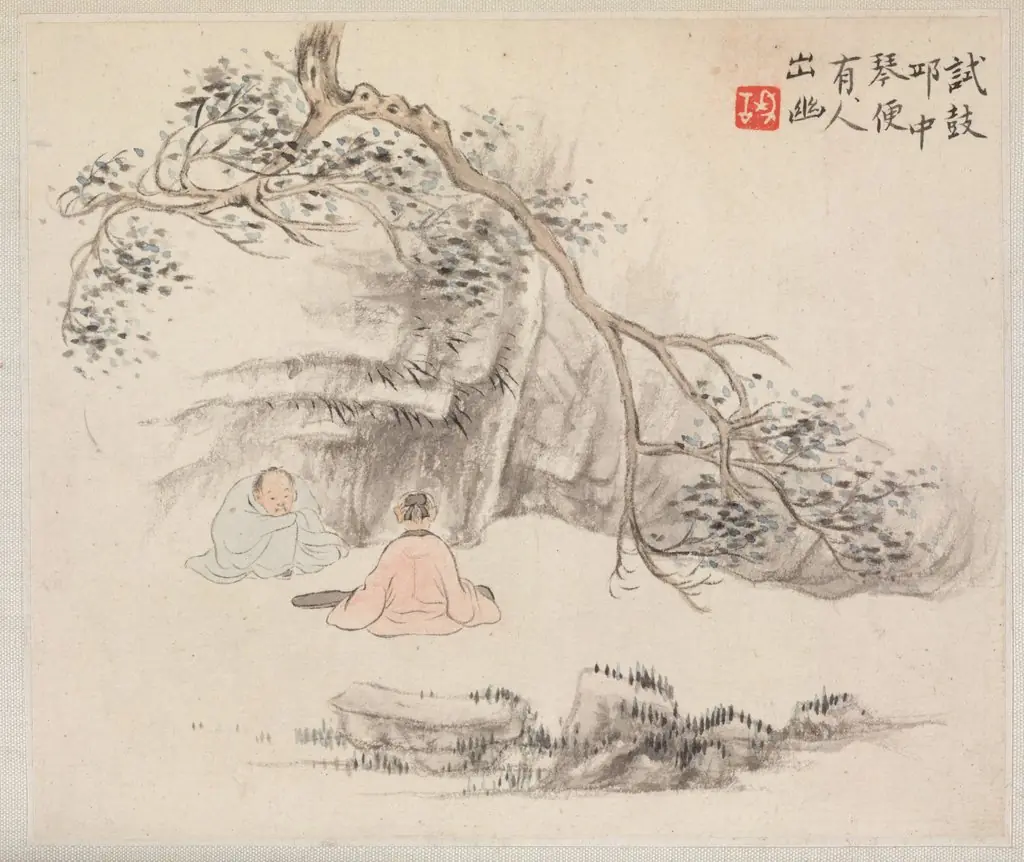 Album of Landscape Paintings Illustrating Old Poems: Listening to the Qin
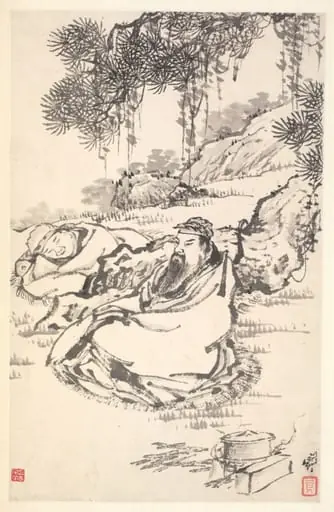 Lu Tong and Servant
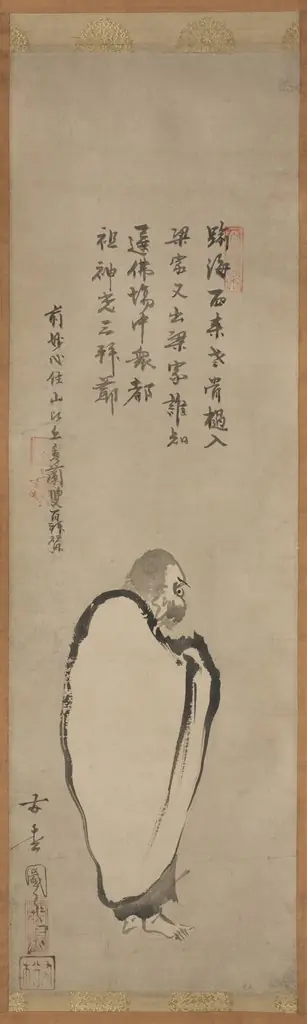 Figure of Daruma
 Gathering of Poetic Immortals with Poem Drafts
 Farmer Returning Home in Autumn
 The Poet Lin Bu Wandering in the Moonlight
 Untitled
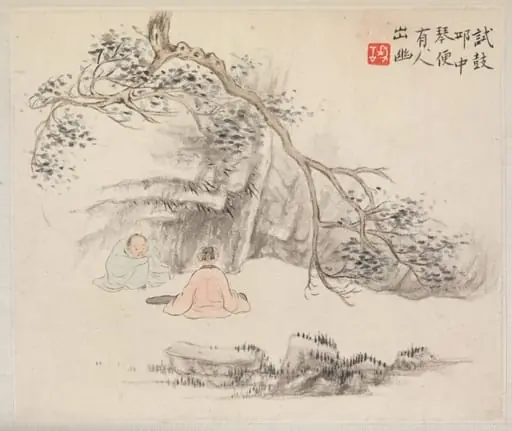 Album of Landscape Paintings Illustrating Old Poems: Listening to the Qin
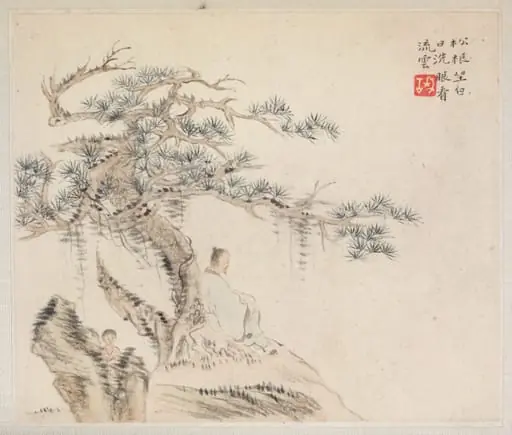 Album of Landscape Paintings Illustrating Old Poems: Scholar under a Pine Tree
 Album of Landscape Painting Illustrating Old Poems