Artwork
Head of a Bearded Man
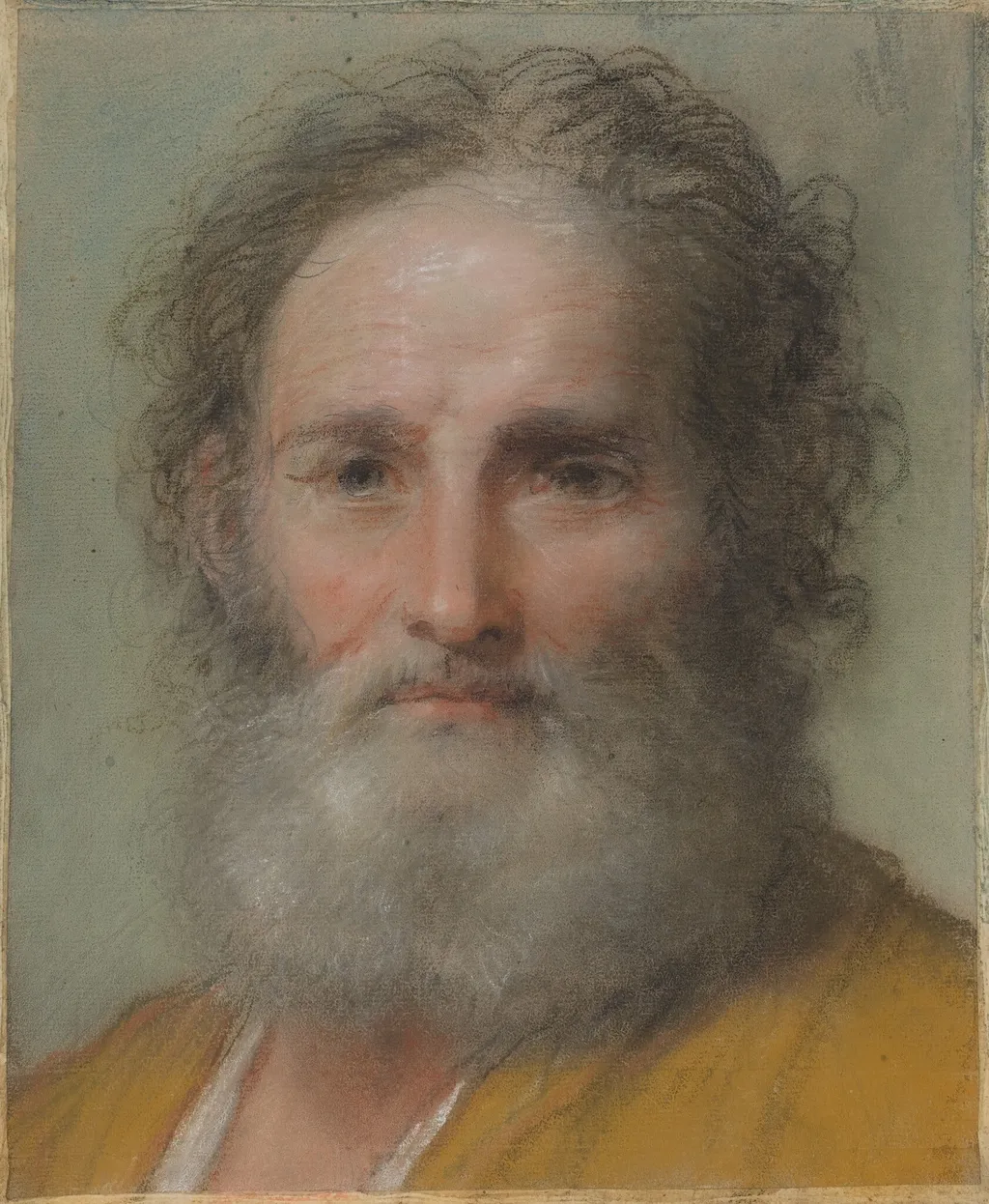
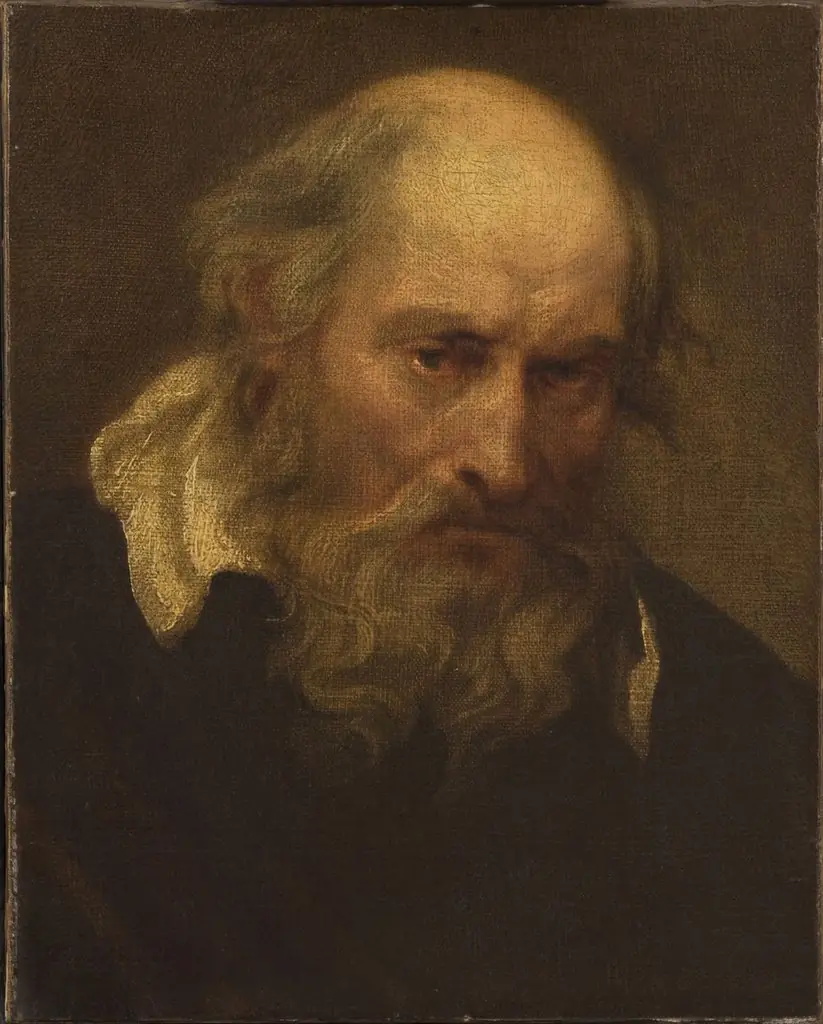
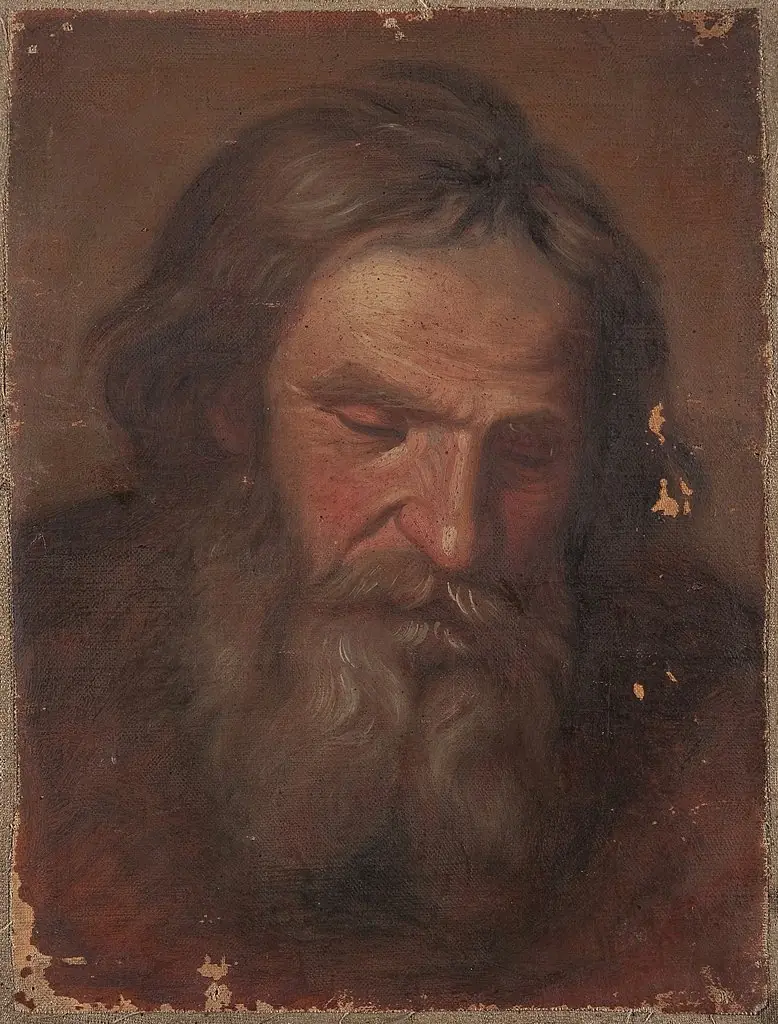
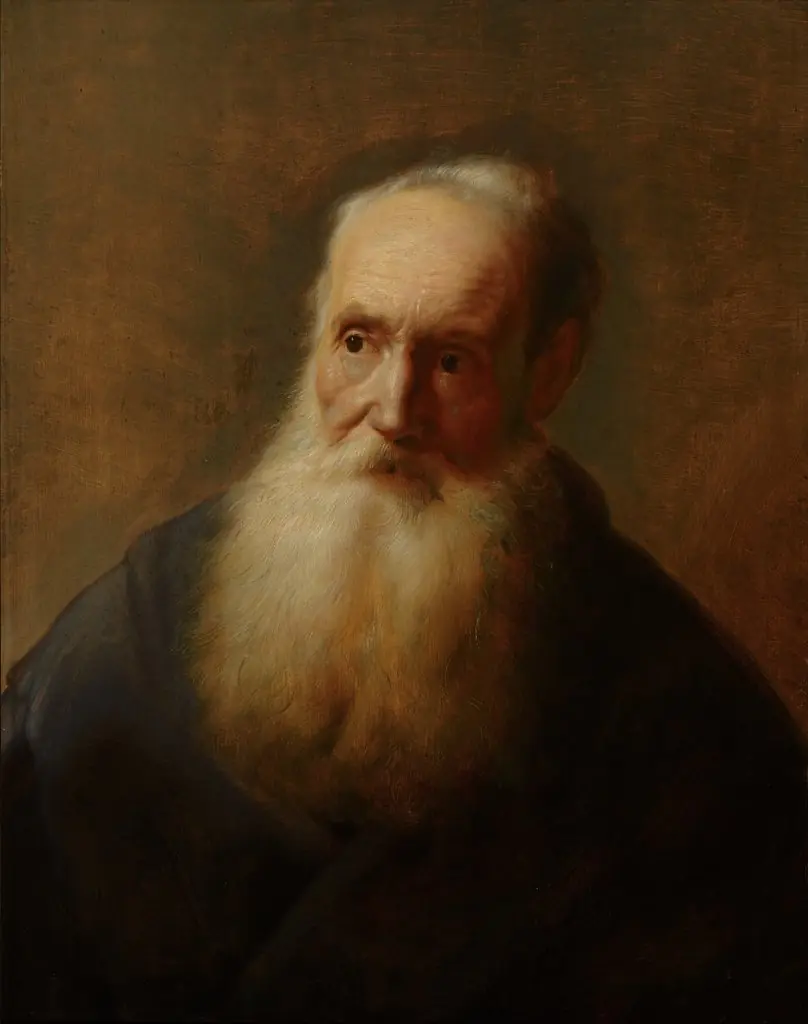
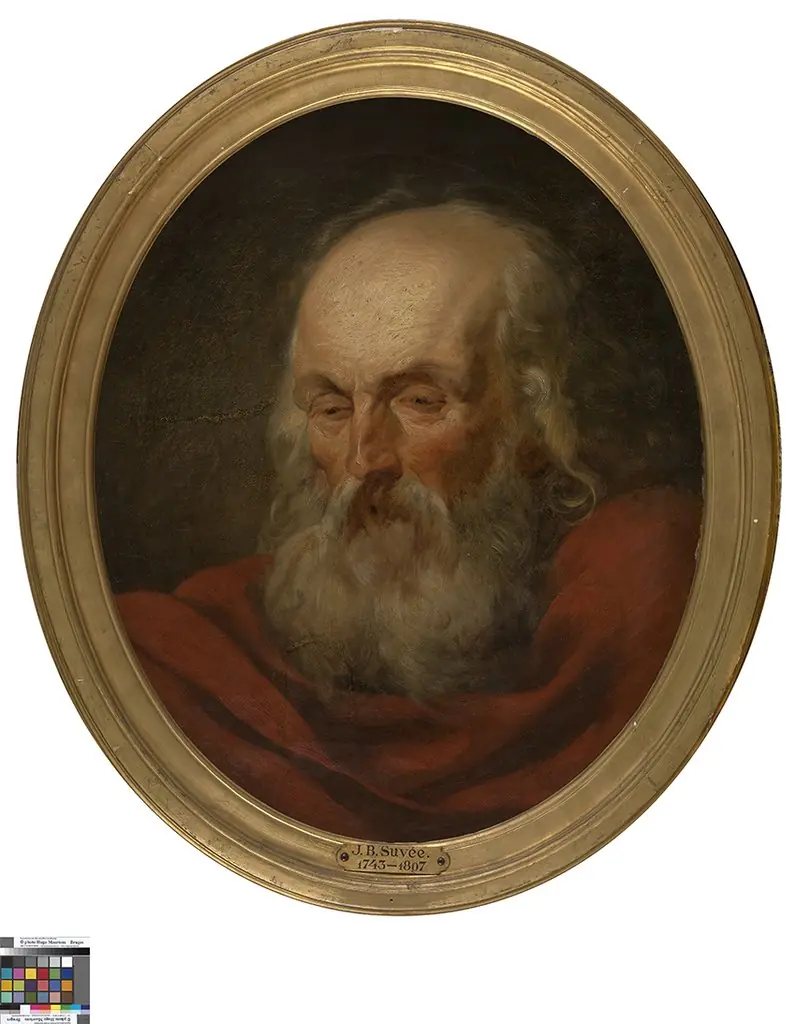
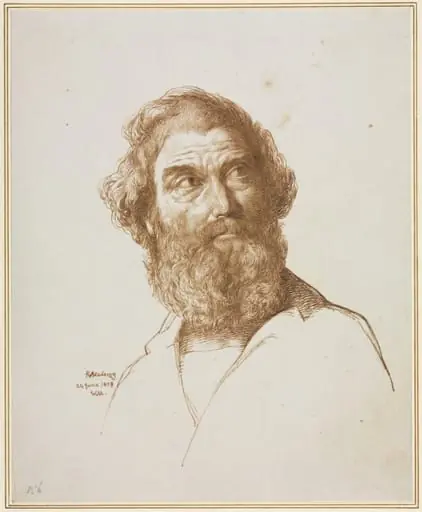
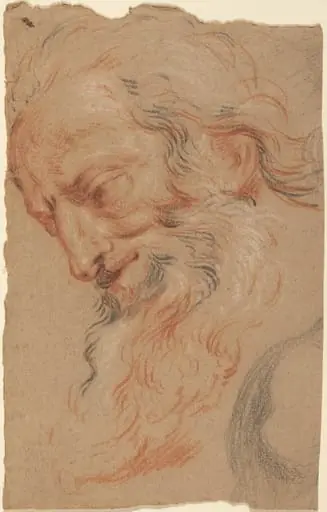
Head of a Bearded Man is a pastel drawing by the Baroque artist Benedetto Luti. It dates from 1715 and is held in the collection of the National Gallery of Art.
About this work
Overview
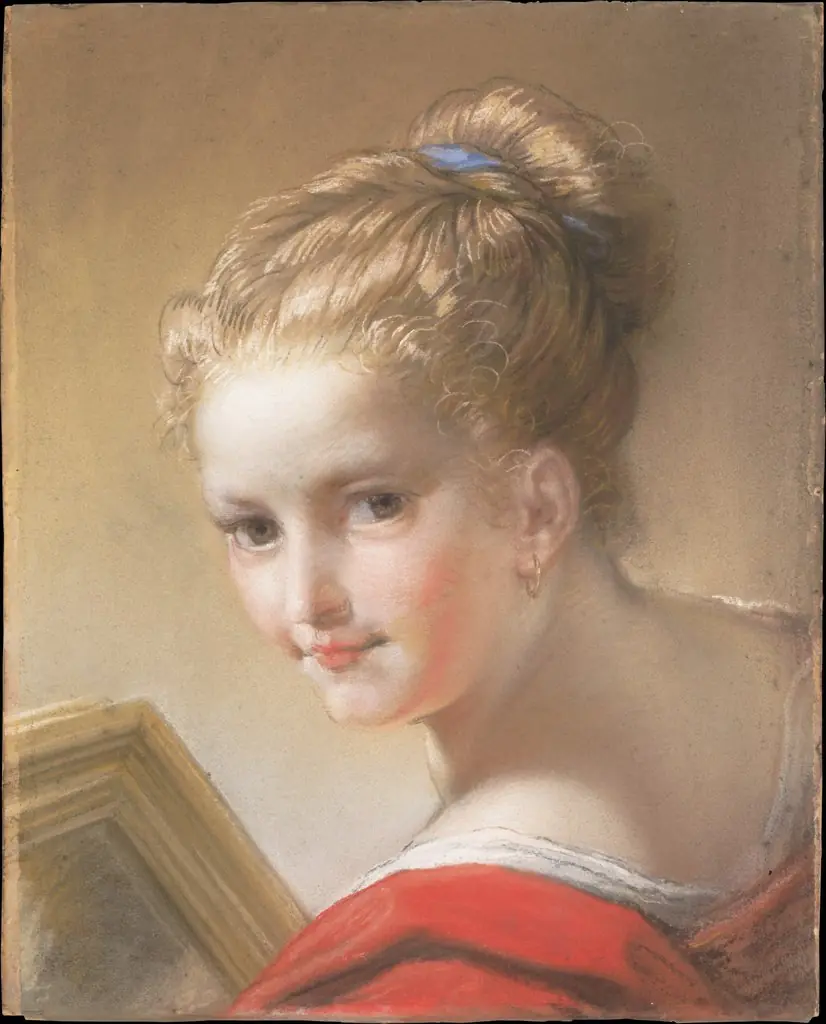
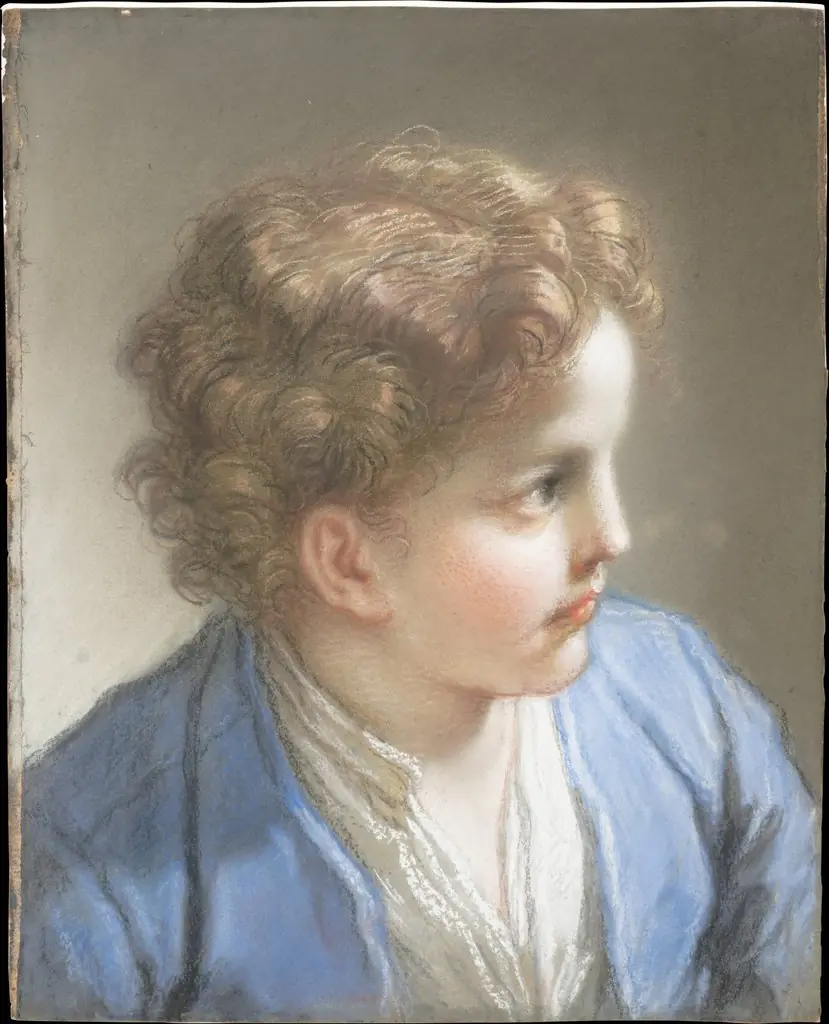
Head of a Bearded Man is a small drawing executed in 1715 by the Italian artist Benedetto Luti. Rendered on laid paper, the work presents a single portrait study of a bearded male figure, rendered in pastel and colored chalks.
Technique & Style
Luti employed soft pastel and chalk pigments, applying them directly onto the textured surface of laid paper. The medium allows for delicate tonal gradations and a subtle modeling of facial features, characteristic of early‑18th‑century drawing practices that emphasized immediacy and the study of human physiognomy.
Subject & Meaning
The composition isolates the head of a bearded man, focusing attention on the sitter’s expression and the play of light across his features. While no narrative context is provided, the study likely served as a preparatory sketch for a larger portrait or as a standalone exploration of character.
History & Provenance
Created in 1715, the drawing belongs to the period when Luti was establishing his reputation in Rome. Details of its ownership trail are limited, but the work has been documented in catalogues of Luti’s drawings and remains an example of his early draftsmanship.
Own this work as a print
Artist & collection