Artwork
Untitled
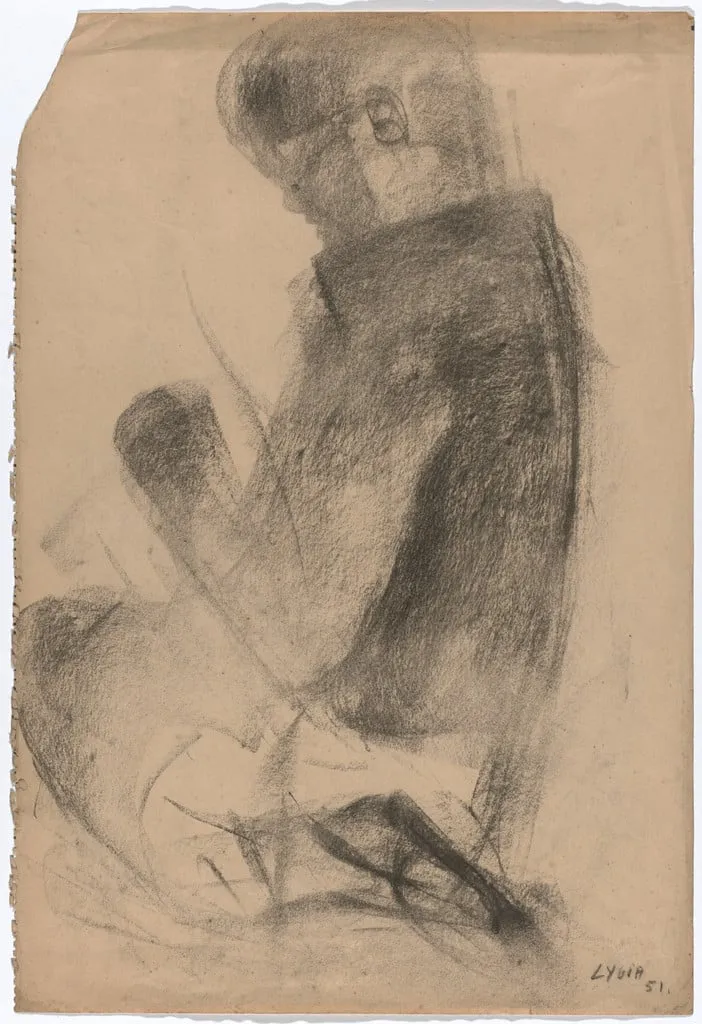
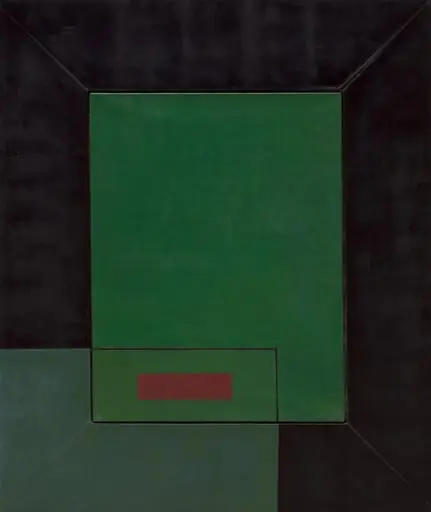
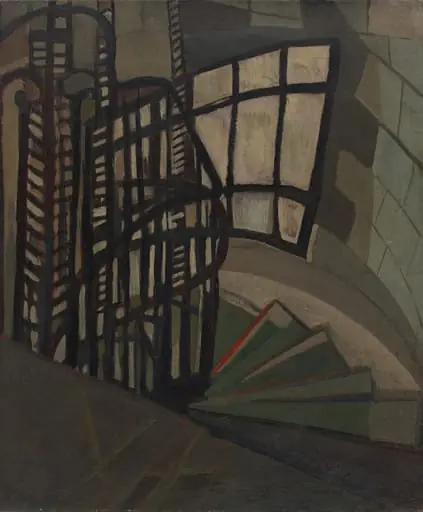
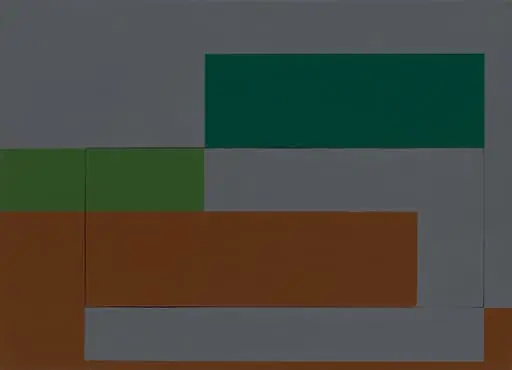
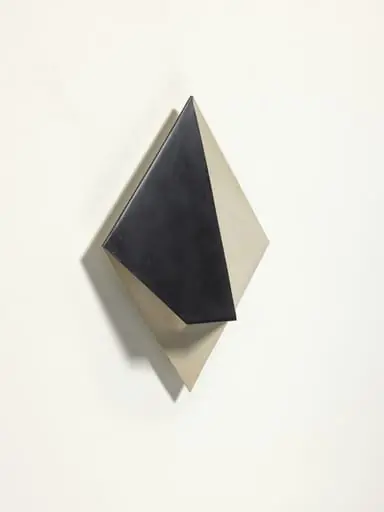
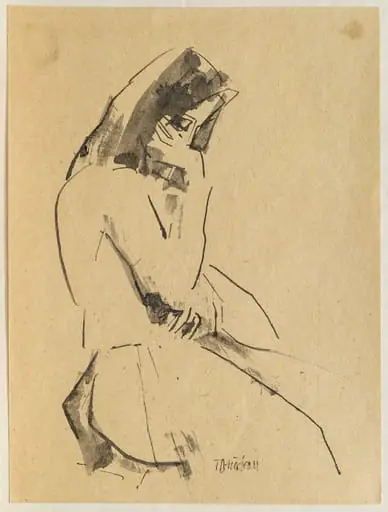
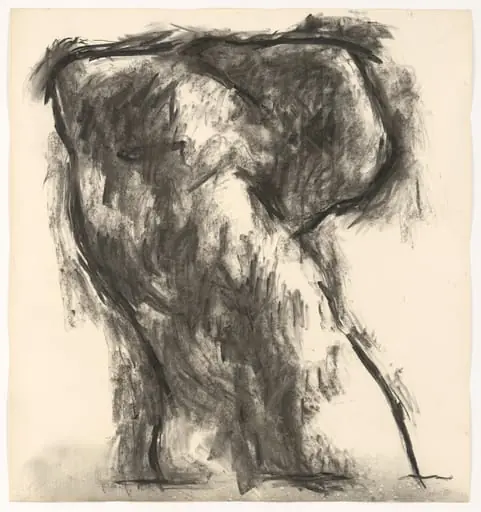
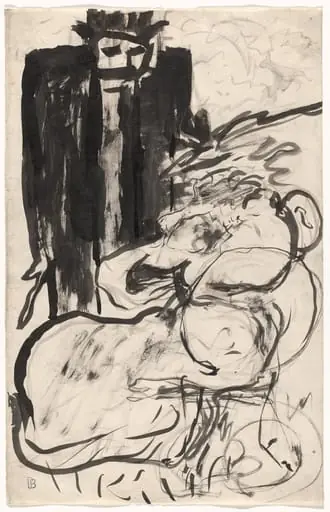
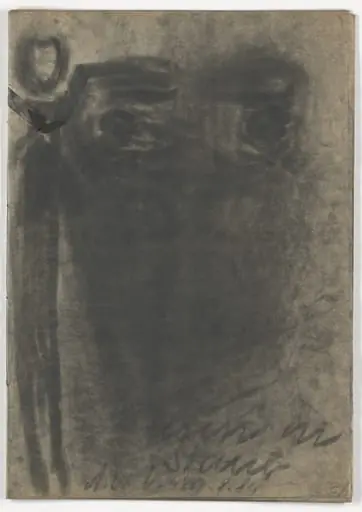
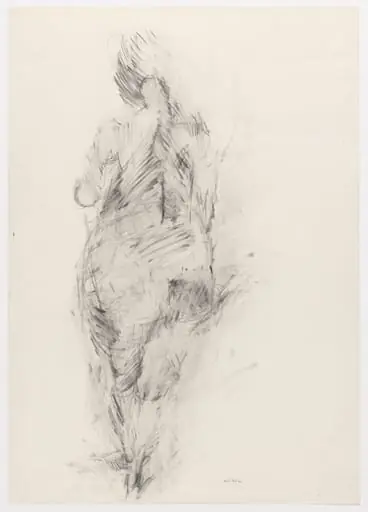
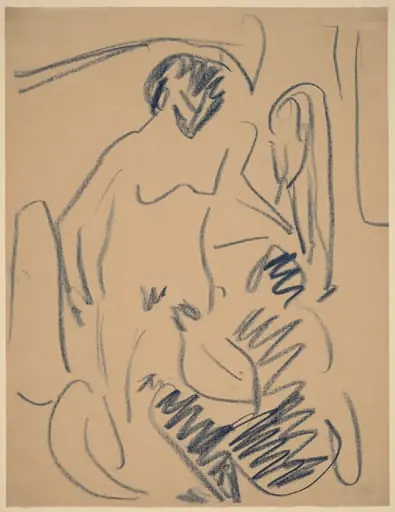
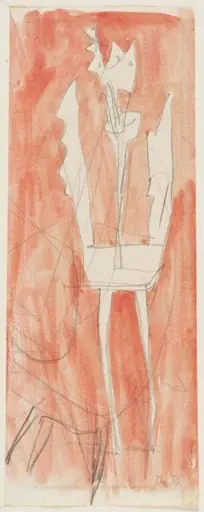
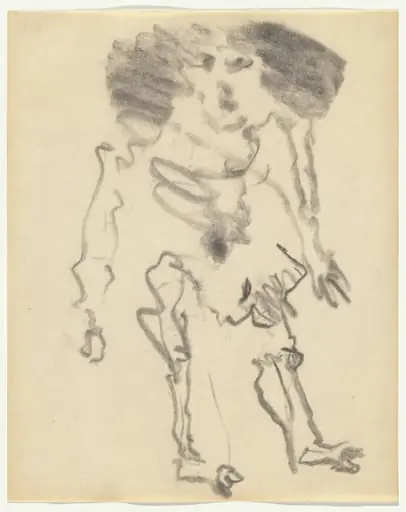
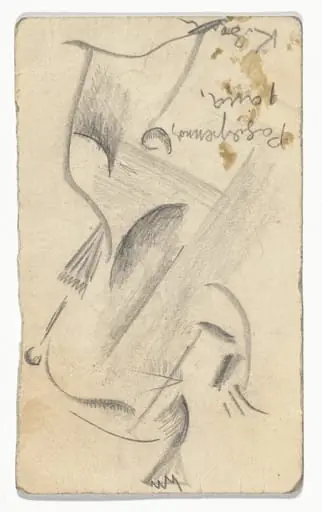
Untitled is a charcoal drawing by Lygia Clark. It dates from 1951 and is held in the collection of the Museum of Modern Art.
About this work
Overview
Created in 1951, this charcoal drawing on notebook paper is an early work by Brazilian artist Lygia Clark. Executed with rapid, gestural strokes, it captures a seated figure in minimal detail. The informal medium and spontaneous technique suggest a preparatory study rather than a finished composition, reflecting Clark’s exploratory phase before her later conceptual转向.
Subject & Meaning
The drawing depicts a solitary figure seated on a chair, rendered with loose, unrefined lines. There is no identifiable context or narrative, emphasizing the body’s presence over its identity. The anonymity of the subject aligns with Clark’s early interest in universal forms, prior to her focus on viewer interaction and sensory experience in later works.
Technique & Style
Charcoal is applied with urgency, using smudged shadows for volume and sparse, lighter strokes for ambient space. The notebook paper’s grid subtly influences the composition, yet the drawing resists structure. The roughness and immediacy of the marks suggest a direct, unmediated response to the model, characteristic of sketchbook studies rather than formal portraiture.
History & Provenance
This work originates from Clark’s formative years in Rio de Janeiro, during her engagement with geometric abstraction in the early 1950s. It predates her involvement with the Neo-Concrete movement and remains part of a private collection, documented in early exhibition catalogs of Brazilian modernists but rarely displayed publicly.
Context
In postwar Brazil, artists like Clark were redefining modernism beyond European models. This drawing reflects the influence of Constructivist principles—reduction, line, and form—while retaining a human presence absent in more rigid geometric works of the period. It bridges academic training and emerging experimental impulses.
Legacy
Though minor in scale, this sketch anticipates Clark’s lifelong interest in the body as a site of perception. Its informality contrasts with her later institutional works but reveals the continuity of her inquiry into presence and materiality. It stands as a quiet precursor to her revolutionary participatory practices.
Artist & collection

Artist
Lygia Pimentel Lins (23 October 1920 – 25 April 1988), better known as Lygia Clark, was a Brazilian artist best known for her painting and installation work.