Artwork
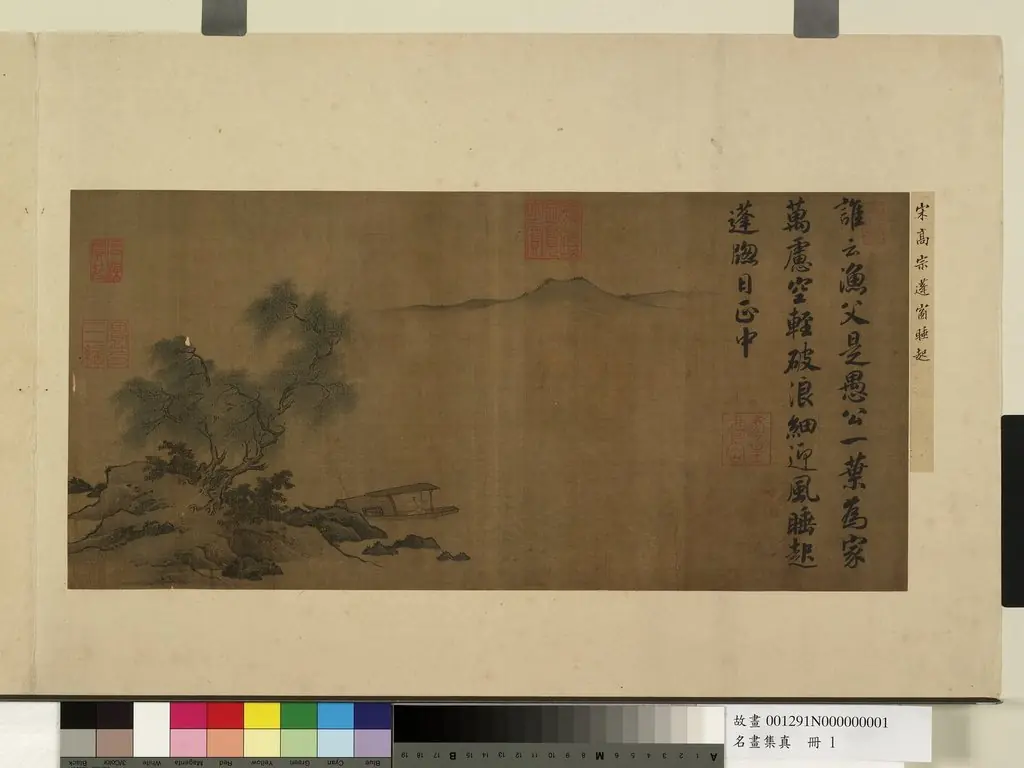
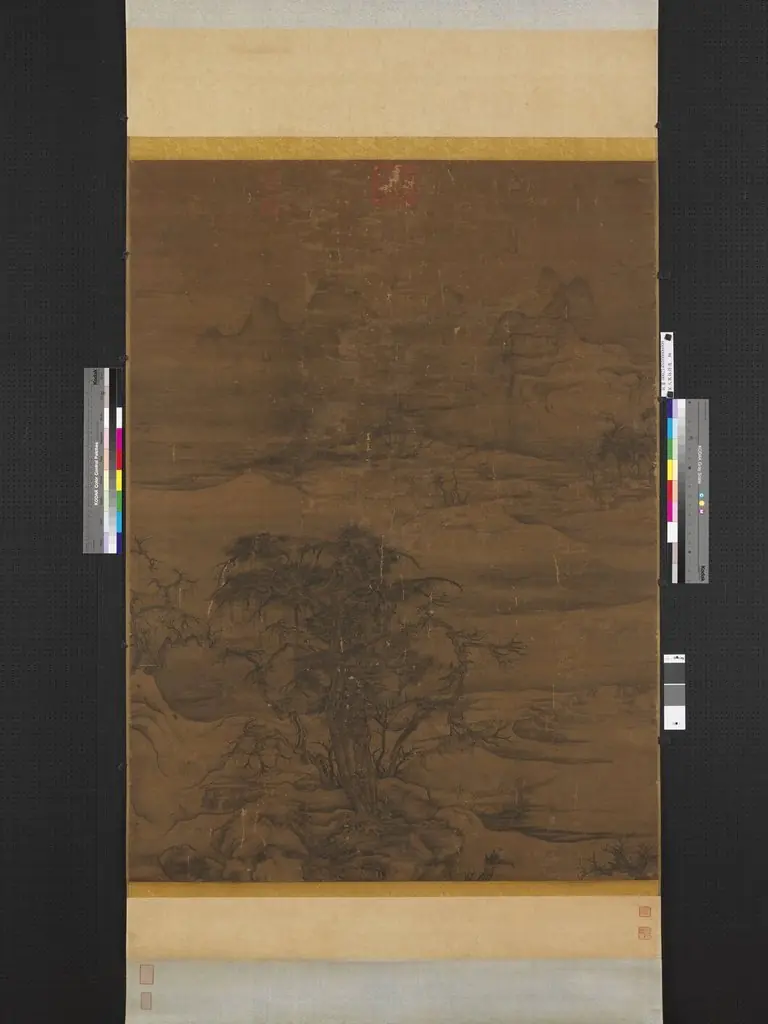
名畫集真 冊 宋馬遠曉雪山行
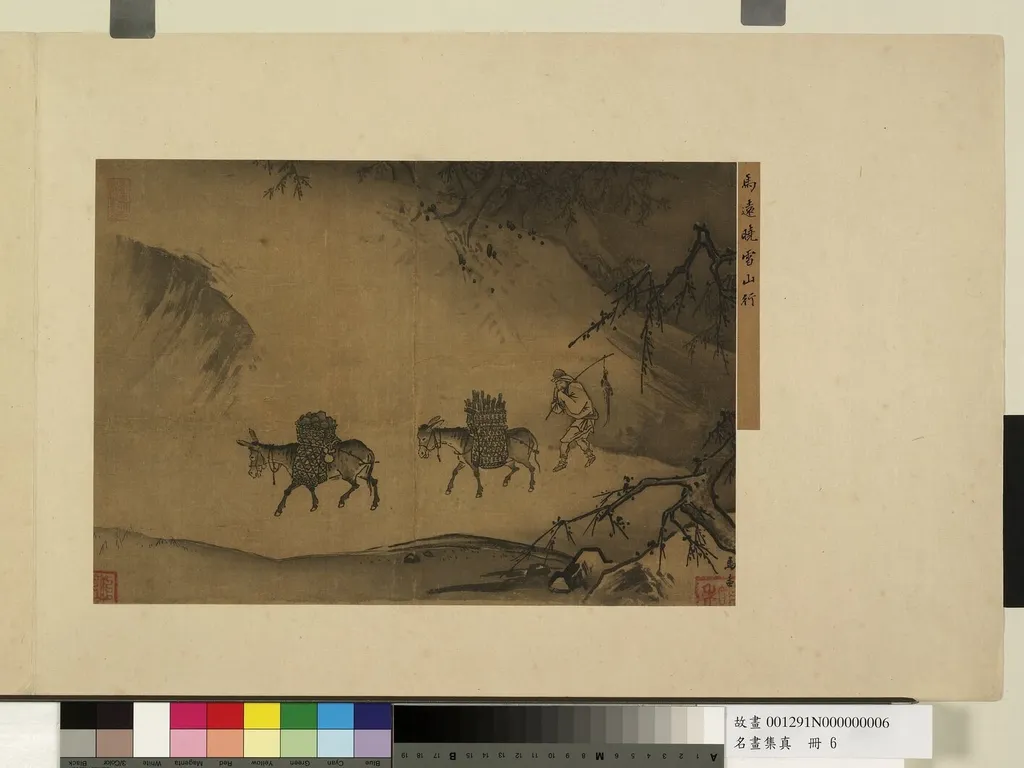
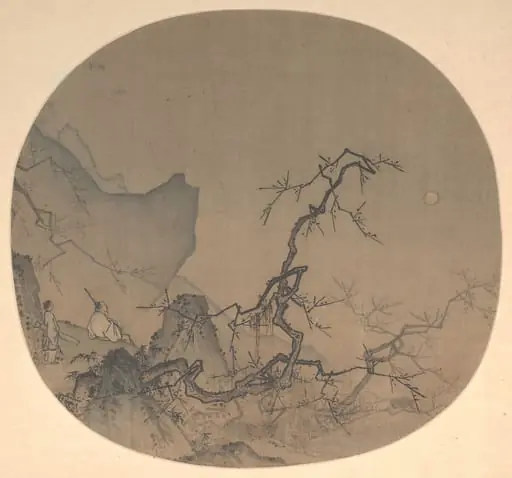
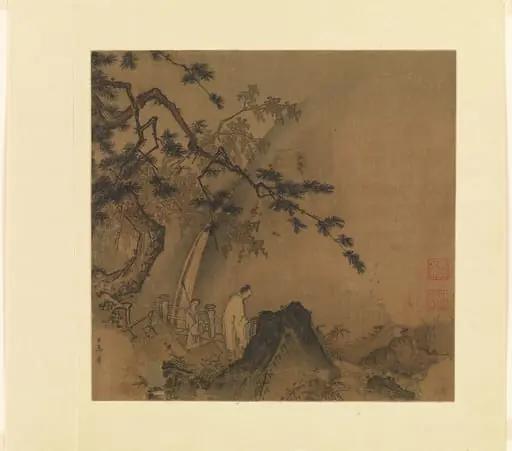
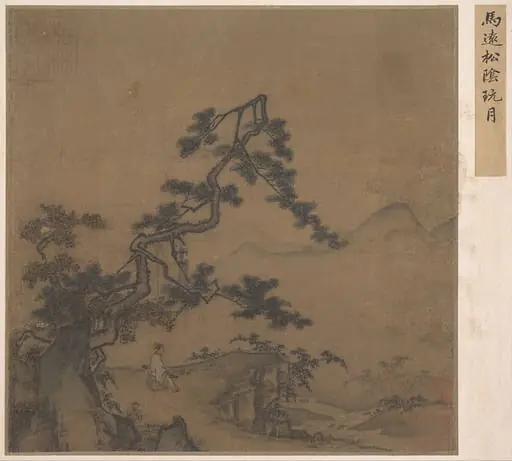
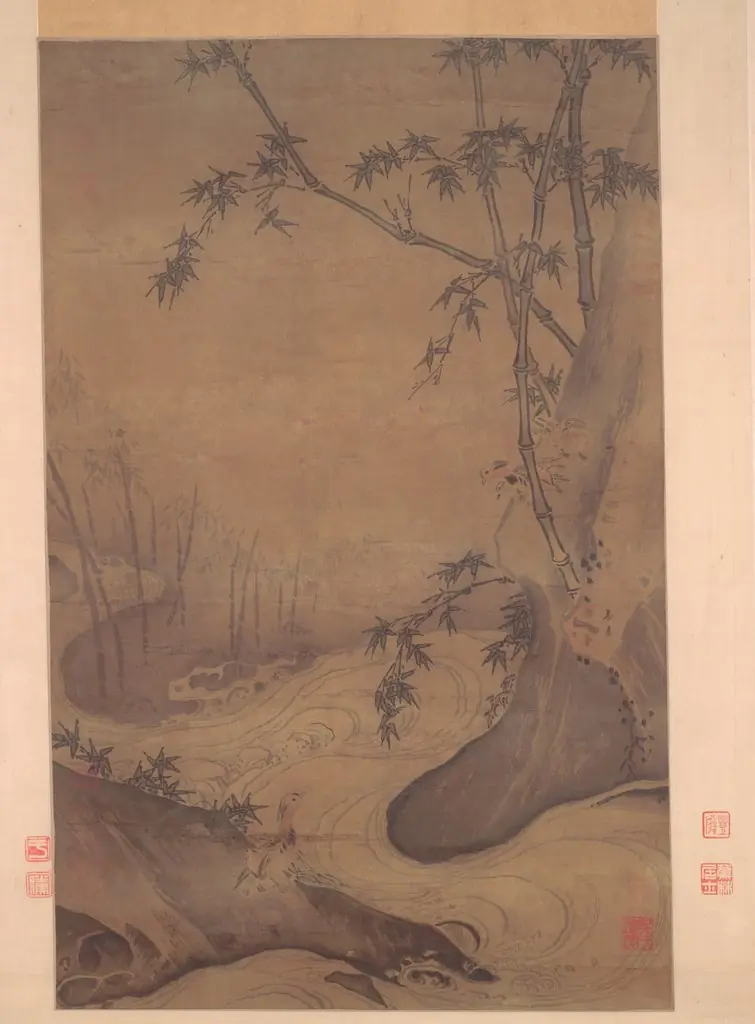
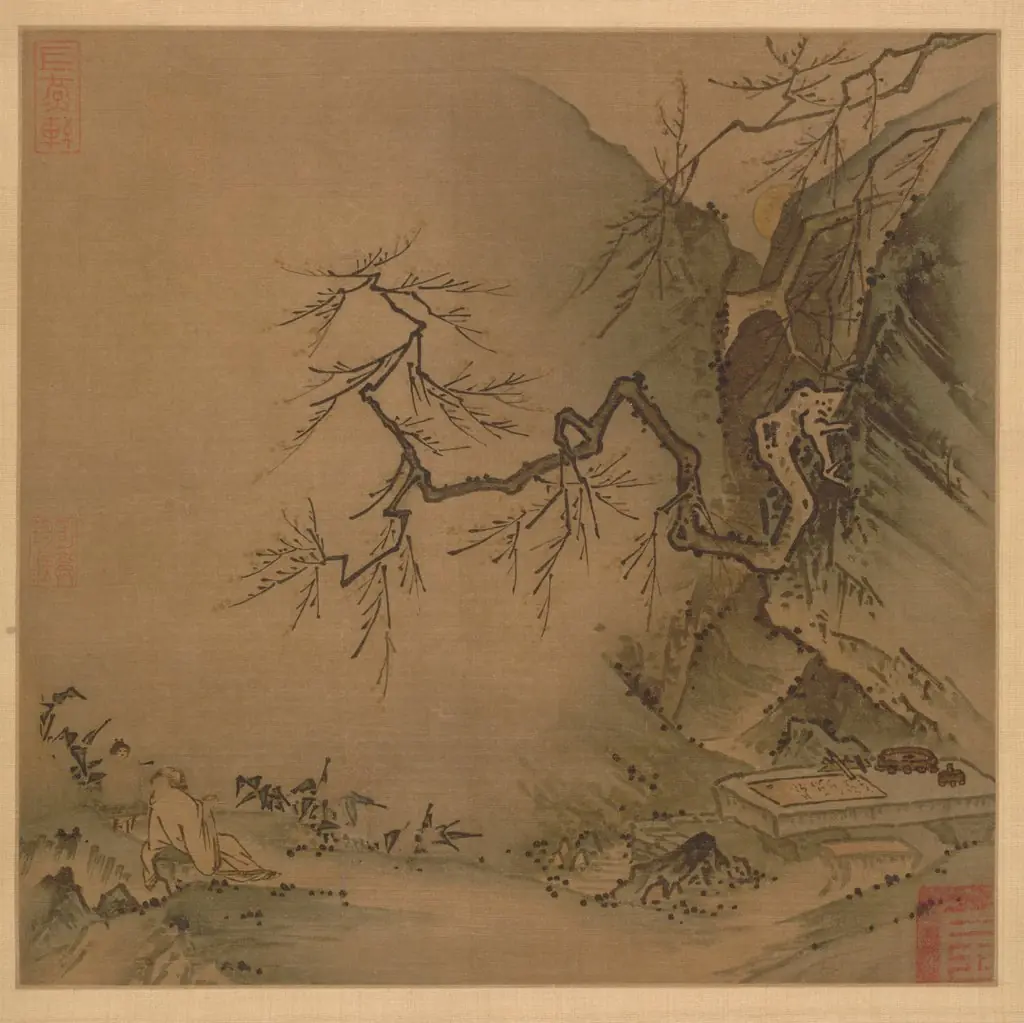
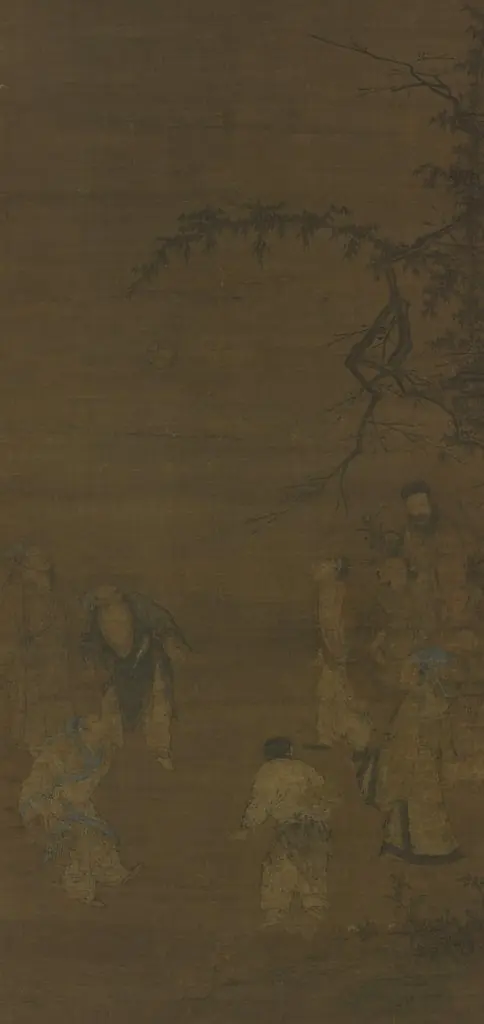
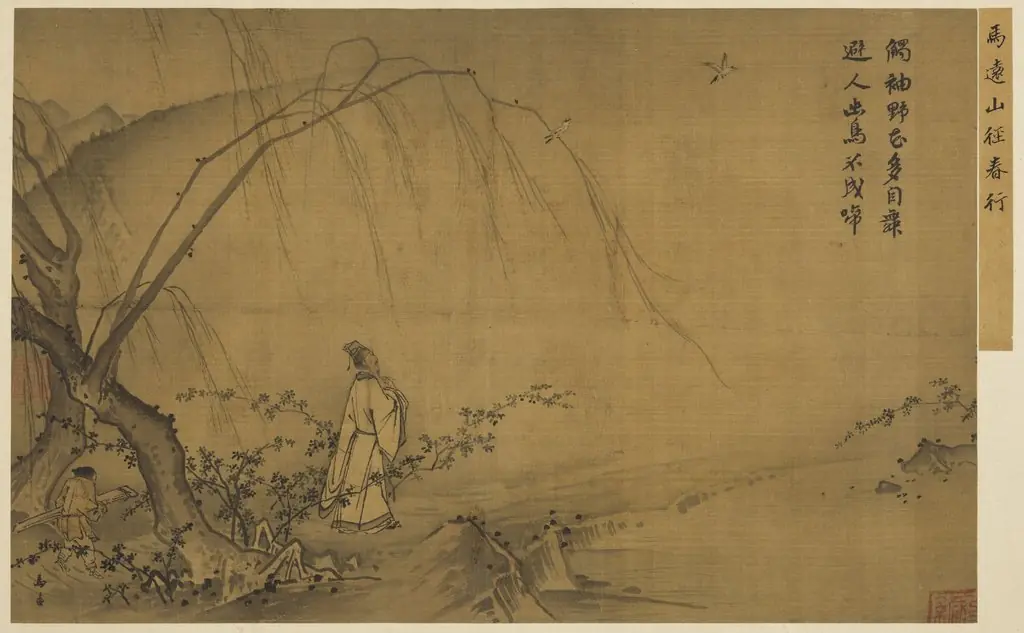
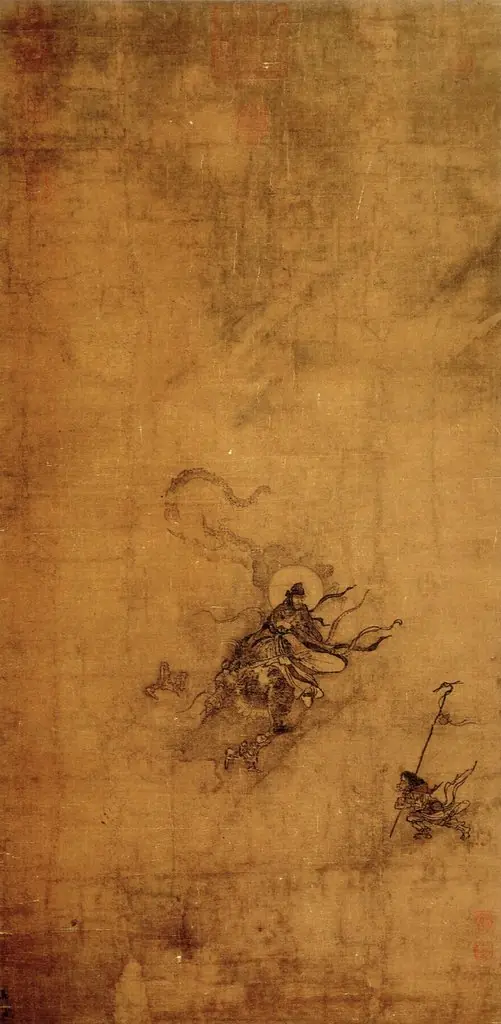
名畫集真 冊 宋馬遠曉雪山行 is an unspecified painting by the Song dynasty landscape artist Ma Yuan. It dates from 1190 and is held in the collection of the National Palace Museum.
About this work
Overview
This silk painting, attributed to Ma Yuan and dated to around 1190, is part of a small album of landscapes from the Southern Song period.
This silk painting, attributed to Ma Yuan and dated to around 1190, is part of a small album of landscapes from the Southern Song period. It belongs to the Ma-Xia school, known for its restrained compositions and poetic atmosphere. The work captures a quiet winter moment in a mountainous region, emphasizing solitude and natural harmony rather than grandeur. Its modest scale and medium reflect the album format favored by scholar-officials of the time.
Subject & Meaning
The scene portrays a lone traveler guiding two laden donkeys along a snow-dusted path through rugged hills. The figures are small against the vast landscape, underscoring human modesty in nature’s presence. The absence of dramatic action and the subdued tones suggest contemplation rather than narrative. The journey may symbolize endurance or the quiet passage of time, common themes in Song-era literati painting.
Technique & Style
Ma Yuan employed fine, controlled brushwork to render textures: the roughness of rock, the softness of snow, and the shaggy coats of the donkeys. Ink washes are layered with minimal color, creating a muted, atmospheric effect. The composition uses asymmetry and empty space to suggest depth and silence. Brushstrokes are economical yet precise, conveying mood through suggestion rather than detail.
History & Provenance
The painting was once part of an album of works collected by the Southern Song imperial court. It entered the National Palace Museum’s collection following the relocation of imperial artifacts from Beijing to Taipei in the mid-20th century. Its attribution to Ma Yuan is based on stylistic consistency with other authenticated works and historical records of court painters active during the late 12th century.
Context
During the Southern Song dynasty, landscape painting shifted from monumental vistas to intimate, personal scenes, often reflecting Daoist and Chan Buddhist ideals of quietude. Artists like Ma Yuan worked within the imperial painting academy, producing works for courtly contemplation. This piece exemplifies the era’s preference for understated emotion and naturalism over ornamental display.
Legacy
Ma Yuan’s approach influenced later Chinese and Japanese ink painting traditions, particularly in the use of negative space and suggestive brushwork. Though not widely exhibited, this album leaf remains a reference for scholars studying Song aesthetic principles. Its preservation in the National Palace Museum ensures continued study of how landscape conveyed philosophical depth in medieval China.
Artist & collection

Artist
Ma Yuan (Chinese: 馬遠; pinyin: Mǎ Yuǎn; Wade–Giles: Ma Yüan; c. 1160–65 – 1225) was a Chinese painter of the Song dynasty. His works, together with that of Xia Gui, formed the basis of the so-called Ma-Xia (馬夏) school of…