Artwork
木曽海道六拾九次之内 軽井沢|Karuizawa
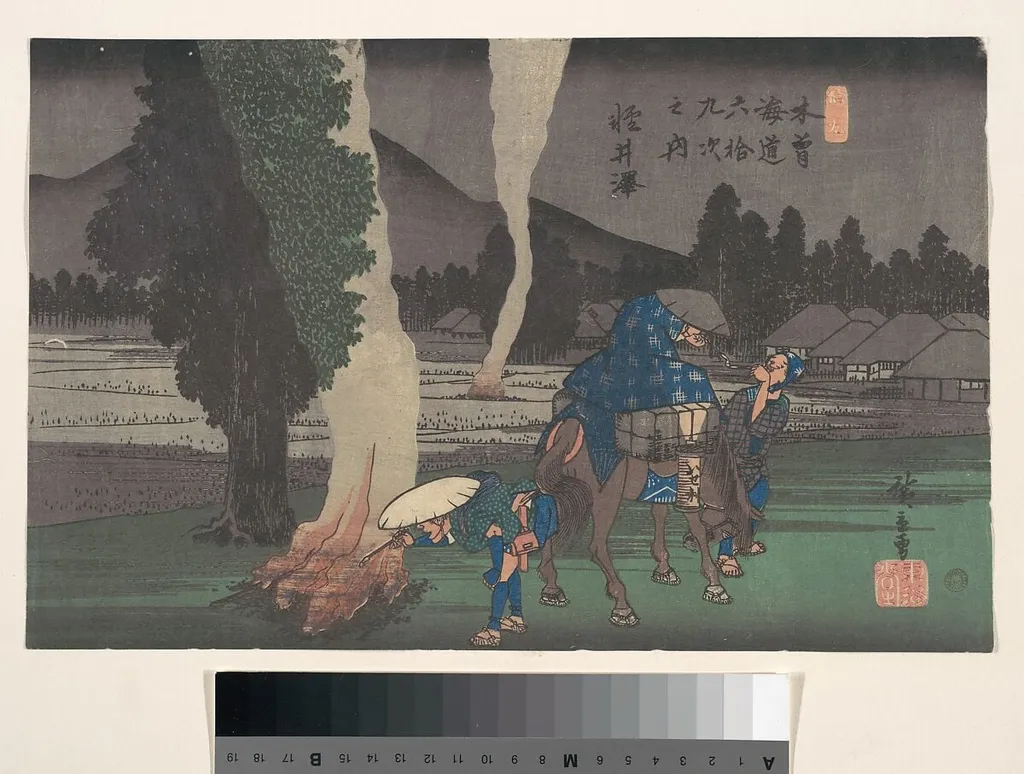
木曽海道六拾九次之内 軽井沢|Karuizawa is an ink print by the Romanticist artist Utagawa Hiroshige|Keisai Eisen. It dates from 1835 and is held in the collection of the Metropolitan Museum of Art. This woodblock print is part of Utagawa Hiroshige’s series depicting stations along the Kiso Road, a major travel route in Edo-period Japan.
About this work
Overview
This woodblock print is part of Utagawa Hiroshige’s series depicting stations along the Kiso Road, a major travel route in Edo-period Japan.
This woodblock print is part of Utagawa Hiroshige’s series depicting stations along the Kiso Road, a major travel route in Edo-period Japan. Created around 1835, it captures the quiet atmosphere of Karuizawa, a mountainous post town known for its rest stops and natural beauty. The composition balances human activity with the surrounding landscape, emphasizing stillness and seasonal transition through restrained color and careful arrangement.
Subject & Meaning
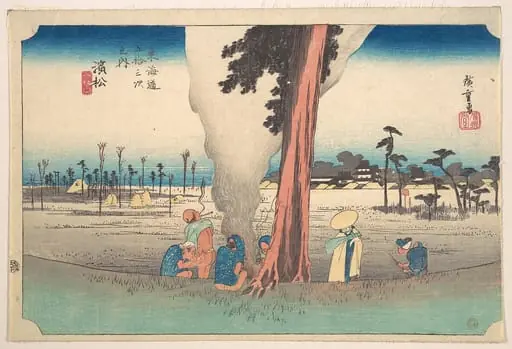
The scene centers on a split-trunked tree, a natural landmark that may symbolize endurance or the passage of time. A traveler on horseback moves along the path, while two figures tend a small fire, suggesting rest or preparation for travel. The distant buildings hint at the settlement’s function as a waypoint. Together, these elements convey the rhythm of daily life along a well-trodden route, grounded in quiet routine rather than grandeur.
Technique & Style
Hiroshige employed fine linework and layered washes of muted pigments to suggest texture and depth. The tree’s bark is rendered with delicate grooves, while clothing folds and hill contours are defined with subtle gradations. The use of atmospheric perspective—lighter tones for distant elements—enhances spatial recession. The print’s limited palette, dominated by earth tones and soft blues, reinforces the calm, early autumn mood of the scene.
History & Provenance
The print was produced during Hiroshige’s peak period of landscape printmaking, when demand for travel-themed ukiyo-e was high. It entered The Metropolitan Museum of Art’s collection as part of a broader acquisition of Japanese prints in the early 20th century. Its preservation reflects its status as a representative example of mid-19th-century commercial print production, valued for its craftsmanship rather than rarity.
Context
Karuizawa was one of sixty-nine post stations along the Kiso Road, connecting Edo with Kyoto. Travelers relied on these stops for lodging and rest, and prints like this served both as souvenirs and navigational aids. The series reflects a growing interest in regional landscapes among urban populations, blending topographical accuracy with poetic mood, a hallmark of Hiroshige’s approach to depicting Japan’s countryside.
Legacy
Hiroshige’s series influenced later artists in Japan and abroad, particularly in the way everyday landscapes were framed with emotional resonance. While not widely celebrated in his lifetime as revolutionary, his prints became foundational to Western perceptions of Japanese art in the late 19th century. This work remains a quiet example of how commercial art could capture the essence of place with restraint and precision.
Artist & collection

Artist
Utagawa Hiroshige|Keisai Eisen
Utagawa Hiroshige or Andō Hiroshige , born Andō Tokutarō, was a Japanese ukiyo-e artist, considered the last great master of that tradition.

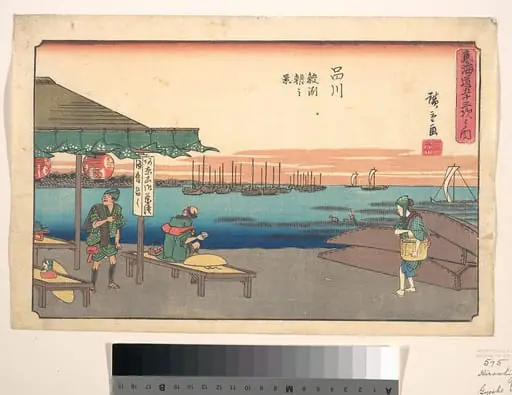 東海道五十三次之内 品川 鮫洲朝之景|Shinagawa Samesu Asa no Kei
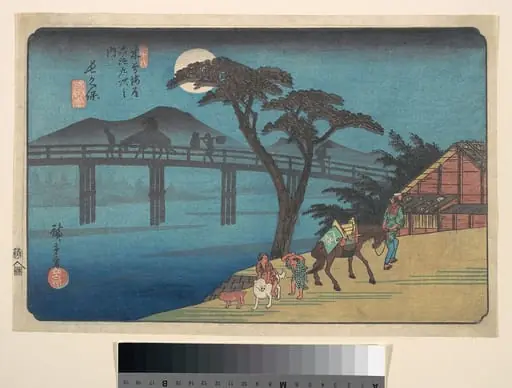 木曽海道六拾九次之内 長久保|Nagakubo Station
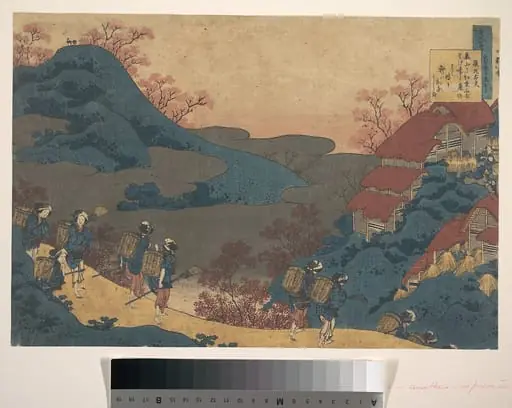 百人一首 乳母かゑとき 猿丸太夫|Poem by Sarumaru Dayū, from the series One Hundred Poems Explained by the Nurse (Hyakunin isshu uba ga etoki)
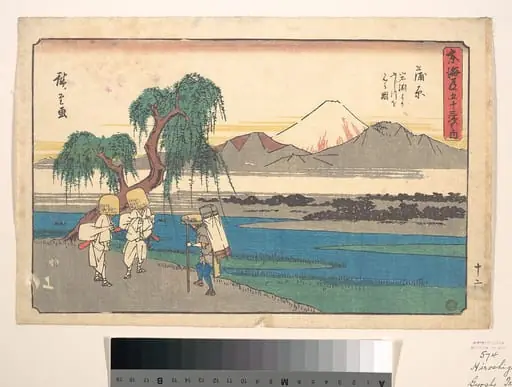 東海道五十三次之内 蒲原 岩淵よりふじ川を見る圖|Kambura Station
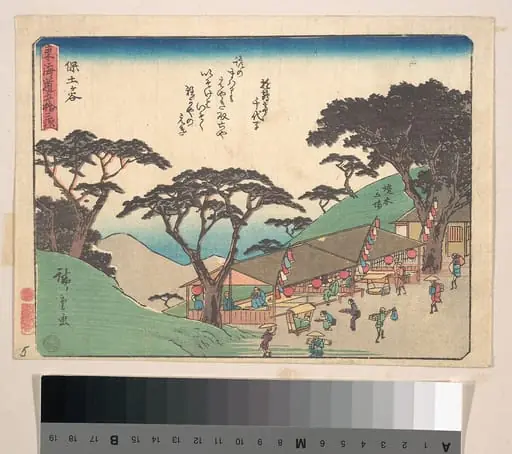 東海道五十三次 保土ヶ谷|Hodogaya
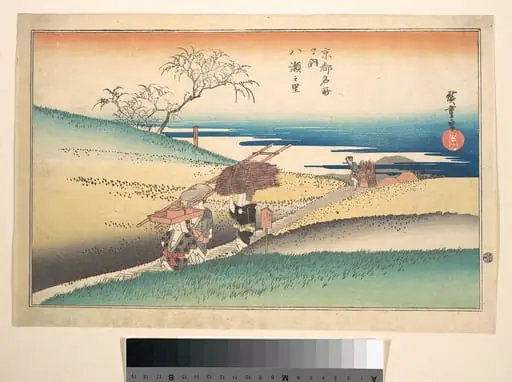 京都名所之内 八瀬之里|Village of Yase
 東海道五十三次之内 濱松 冬枯の図|Hamamatsu, Toko no Zu