Artwork
宋人寒林待渡 軸
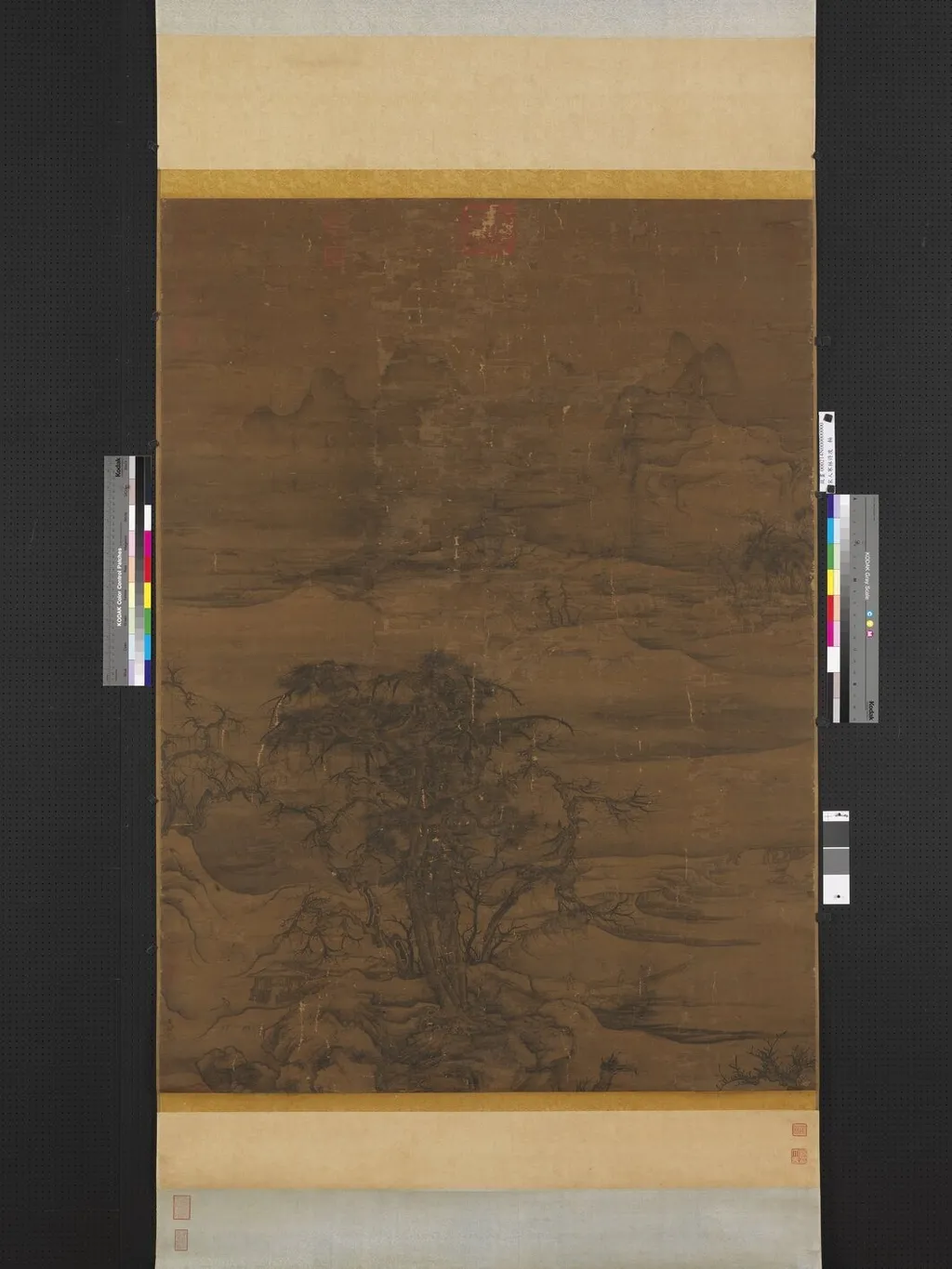
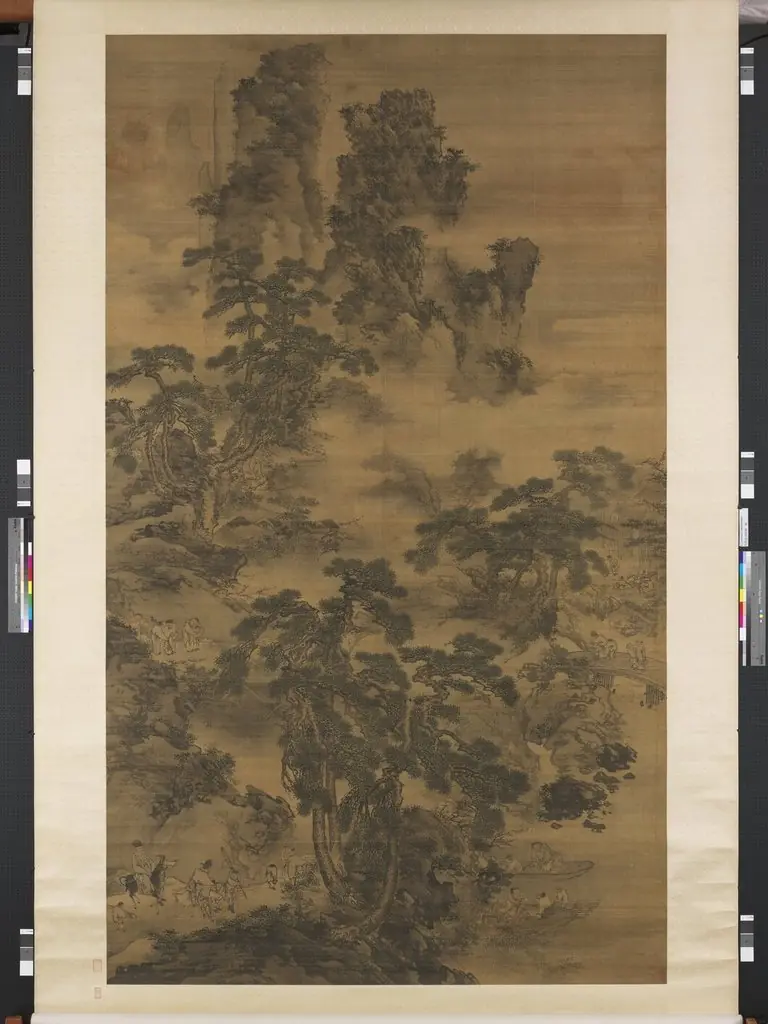
宋人寒林待渡 軸 is an unspecified painting by Unknown. It dates from 1850 and is held in the collection of the National Palace Museum.
About this work
Overview
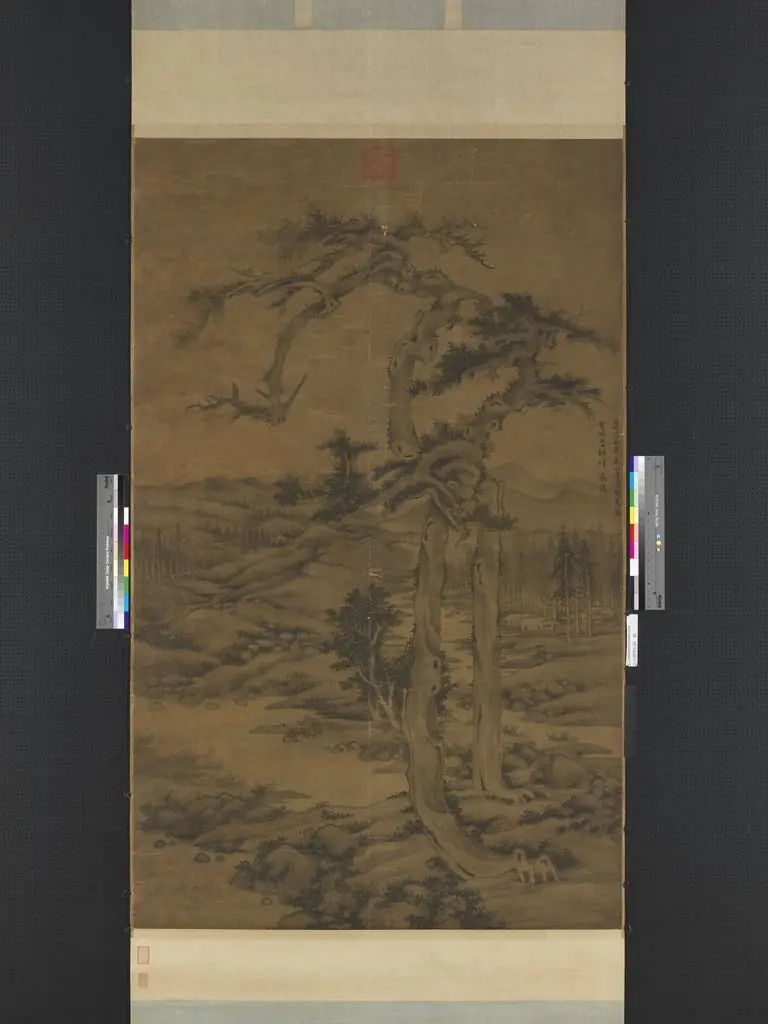
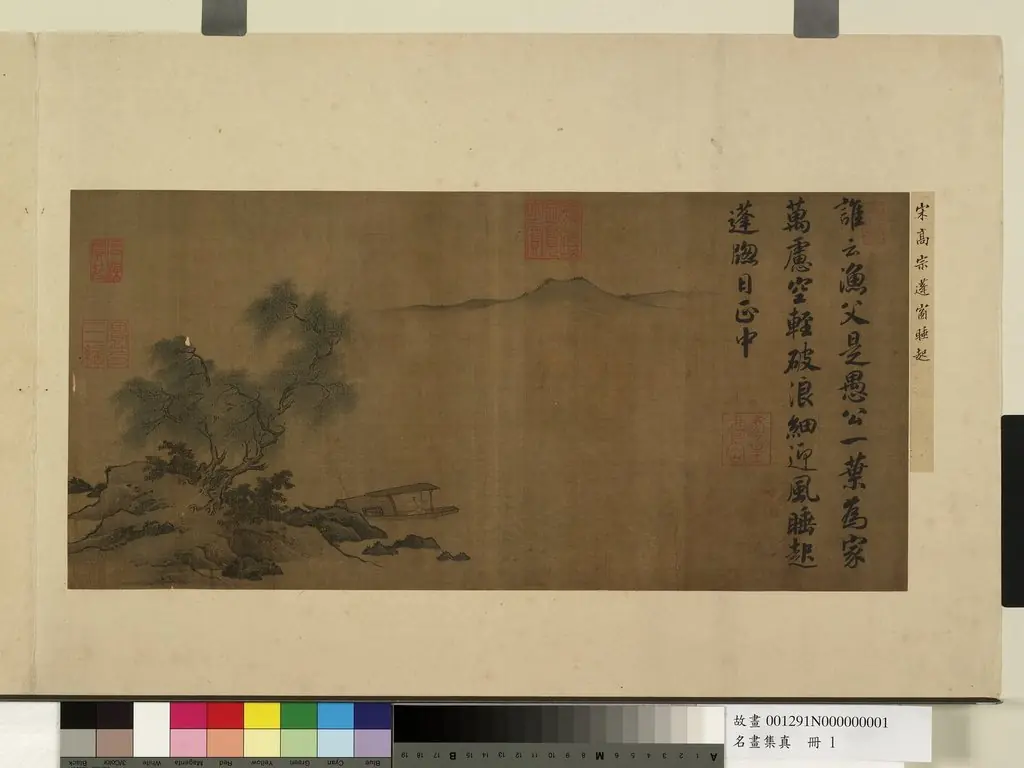
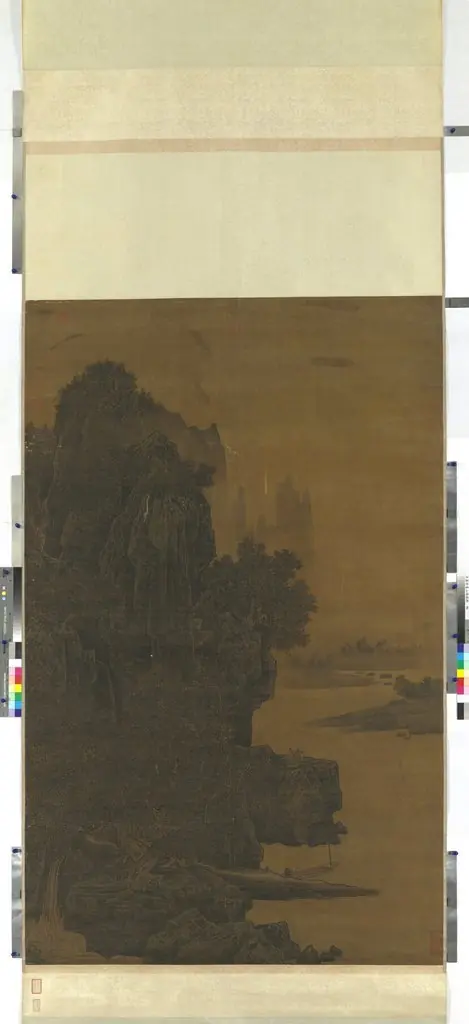
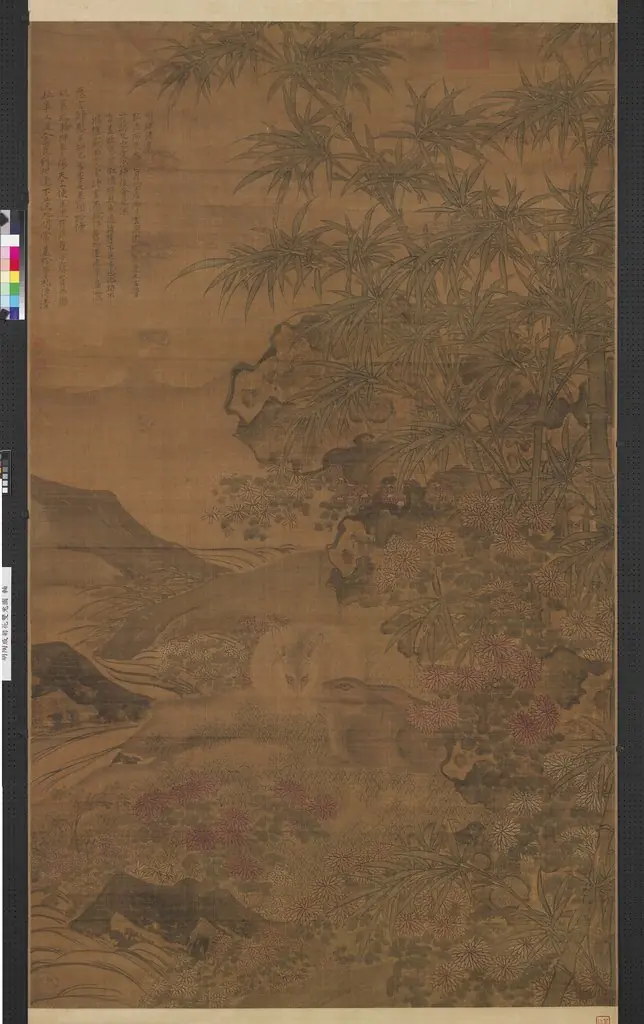
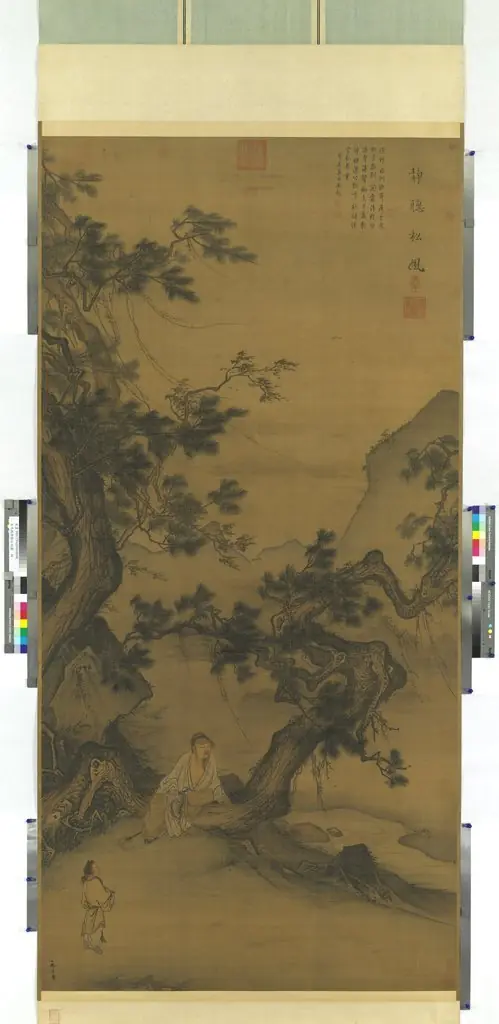
This silk painting, attributed to an anonymous artist of the Song dynasty, depicts a winter landscape with figures awaiting a ferry crossing.
This silk painting, attributed to an anonymous artist of the Song dynasty, depicts a winter landscape with figures awaiting a ferry crossing. Its unmarked authorship reflects a common practice in classical Chinese art, where the focus was on the scene and its spiritual resonance rather than individual fame. The work survives as a representative example of Song-era landscape painting, preserved in the National Palace Museum's collection.
Subject & Meaning
The scene shows travelers standing beside a frozen river, surrounded by bare trees and mist-shrouded hills, suggesting a moment of quiet anticipation. The act of waiting to cross may symbolize transition, solitude, or the passage of time—common themes in Song dynasty literati art. The absence of human drama emphasizes contemplation over narrative, inviting reflection rather than storytelling.
Technique & Style
Rendered in ink and light color on silk, the painting employs delicate brushwork to suggest texture and depth. Trees are rendered with sparse, angular strokes, while distant mountains fade into mist using diluted ink washes. The composition follows the traditional vertical format, guiding the viewer’s eye upward through layered space, characteristic of Northern Song landscape conventions.
History & Provenance
The painting entered the imperial collection during the Song or Yuan dynasty and remained in royal hands through subsequent dynasties. It was later transferred to the National Palace Museum in Taipei after the mid-20th century relocation of imperial artifacts. Its survival without attribution highlights how many works from this period were valued for their aesthetic and cultural significance over individual authorship.
Context
Created during a period when landscape painting flourished as a vehicle for philosophical expression, this work aligns with Daoist and Confucian ideals of harmony with nature. Artists often depicted remote, quiet scenes to evoke inner stillness. The anonymity of the painter reflects a broader cultural preference for collective tradition over personal innovation in courtly art circles.
Legacy
Though unattributed, the painting continues to serve as a reference for understanding Song dynasty aesthetic values. Its preservation in a major museum collection ensures its role in scholarly study and public education about classical Chinese painting. It exemplifies how anonymity in pre-modern Chinese art did not diminish cultural authority but instead reinforced its connection to enduring traditions.
Artist & collection

 Domestic Scene
 Giacomo and Cardinal Marco, investing Andrea, Abbot of San Zeno, with his Benefice
 The Nymph of Fontainebleau
 Portrait of a Woman
 Madonna and Child with Saints in the Enclosed Garden
 Venus and Minerva
 Family Group of Four on Sofa
 Wall painting from Room H of the Villa of P. Fannius Synistor at Boscoreale