Artwork
Altarpiece of the Guild of Saint Luke
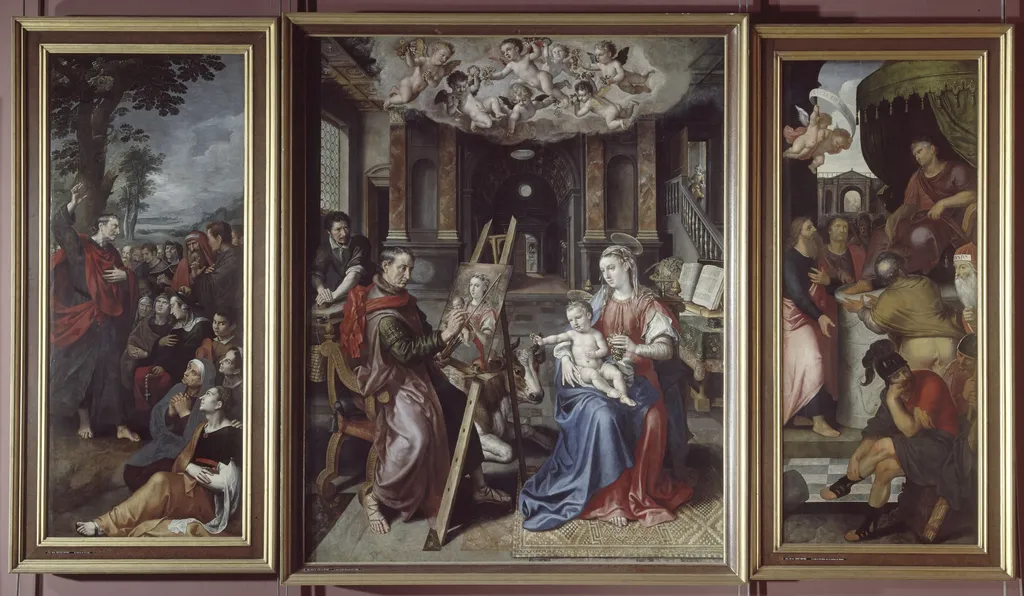
Altarpiece of the Guild of Saint Luke is an oil painting by Maarten Pepyn. It dates from 1602 and is held in the collection of the Royal Museum of Fine Arts Antwerp.
About this work
Overview
The painting remains in the collection of the Royal Museum of Fine Arts Antwerp, where it continues to reflect early 17th-century Flemish artistic priorities.
Painted in 1602 by Marten Pepijn, this triptych was commissioned by the Guild of Saint Luke in Antwerp, an association of painters and artisans. Executed in oil on panel, the work served a devotional function within the guild’s meeting space. Its three-panel structure follows traditional altarpiece conventions, blending religious imagery with the guild’s professional identity. The painting remains in the collection of the Royal Museum of Fine Arts Antwerp, where it continues to reflect early 17th-century Flemish artistic priorities.
Subject & Meaning
The central panel depicts a painter, likely representing Saint Luke, rendering an image of the Virgin and Child—a reference to the tradition that Luke, the evangelist, painted the first portrait of Mary. The left panel shows guild members gathered beneath a tree, possibly symbolizing fellowship or the origins of their craft. The right panel features a woman with a child, evoking maternal devotion and reinforcing the sacred theme. Together, the panels intertwine the guild’s occupational identity with spiritual reverence.
Technique & Style
Pepijn employed oil paint with meticulous attention to texture and surface detail, particularly in fabrics, architectural elements, and facial expressions. The use of chiaroscuro enhances the three-dimensionality of figures and space, while the large window in the central panel directs naturalistic light across the scene. The composition is carefully balanced, with each panel contributing to a unified narrative. The palette is rich but restrained, favoring earth tones and deep reds to ground the sacred subject matter.
History & Provenance
Commissioned by the Antwerp Guild of Saint Luke in 1602, the altarpiece was originally installed in their headquarters. It remained in the guild’s possession until the late 18th century, when it entered the municipal collection. After various transfers within Antwerp’s institutional holdings, it was formally accessioned into the Royal Museum of Fine Arts Antwerp, where it has been publicly displayed since the 19th century. Its preservation reflects the guild’s enduring cultural significance in the region.
Context
In early 17th-century Flanders, guilds played a central role in regulating artistic practice and fostering religious devotion. The Guild of Saint Luke, named after the patron saint of artists, often commissioned works that celebrated both their trade and their faith. Pepijn’s altarpiece aligns with broader Counter-Reformation trends that emphasized visual piety and the sanctity of artistic labor. It reflects a moment when painters sought to elevate their profession through sacred association.
Legacy
The altarpiece stands as a rare surviving example of a guild-commissioned devotional work from this period. While Pepijn is better known for historical and mythological scenes, this piece reveals his engagement with local religious and professional customs. It contributes to the understanding of how artistic communities in the Southern Netherlands negotiated identity, faith, and craft. The painting remains a key reference for studies on guild culture and early modern Flemish painting practices.
Artist & collection
Artist
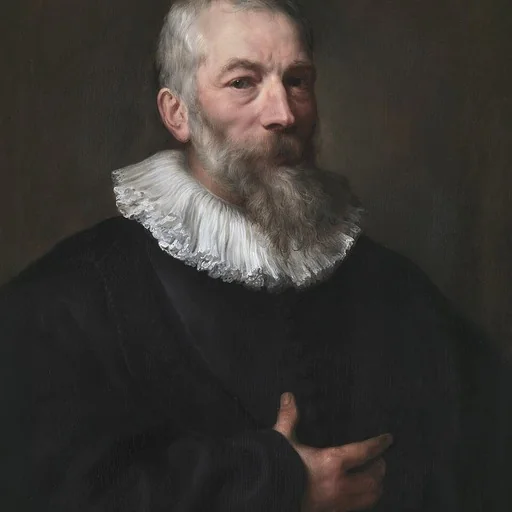
Marten Pepijn (21 February 1575 – 1643) was a Flemish painter who was mainly known for his large-scale history paintings and to a lesser extent for his smaller genre scenes.

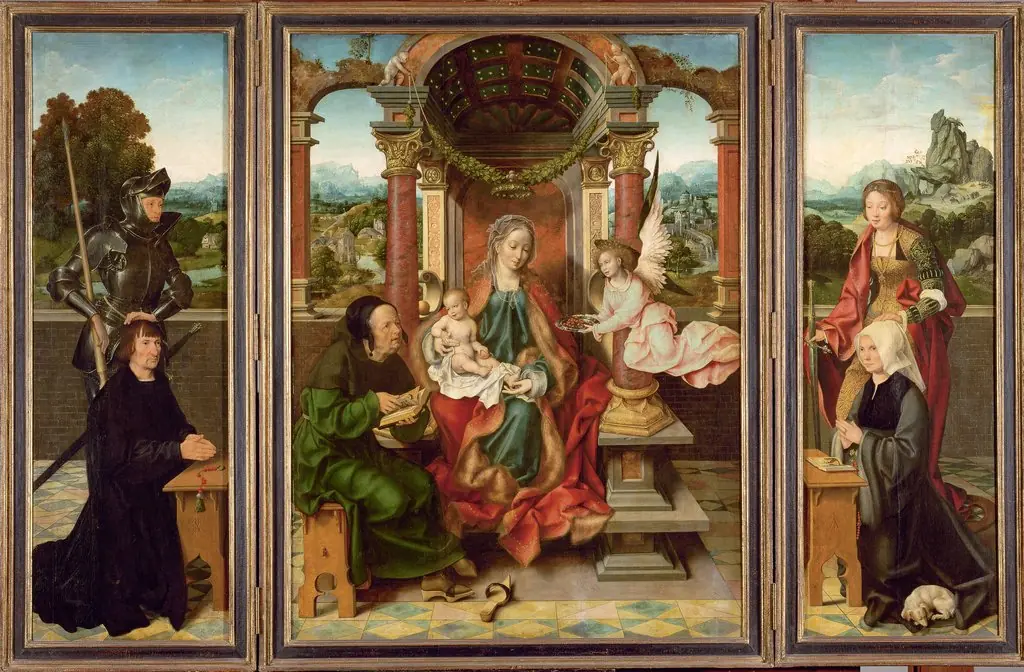 Winged Altar
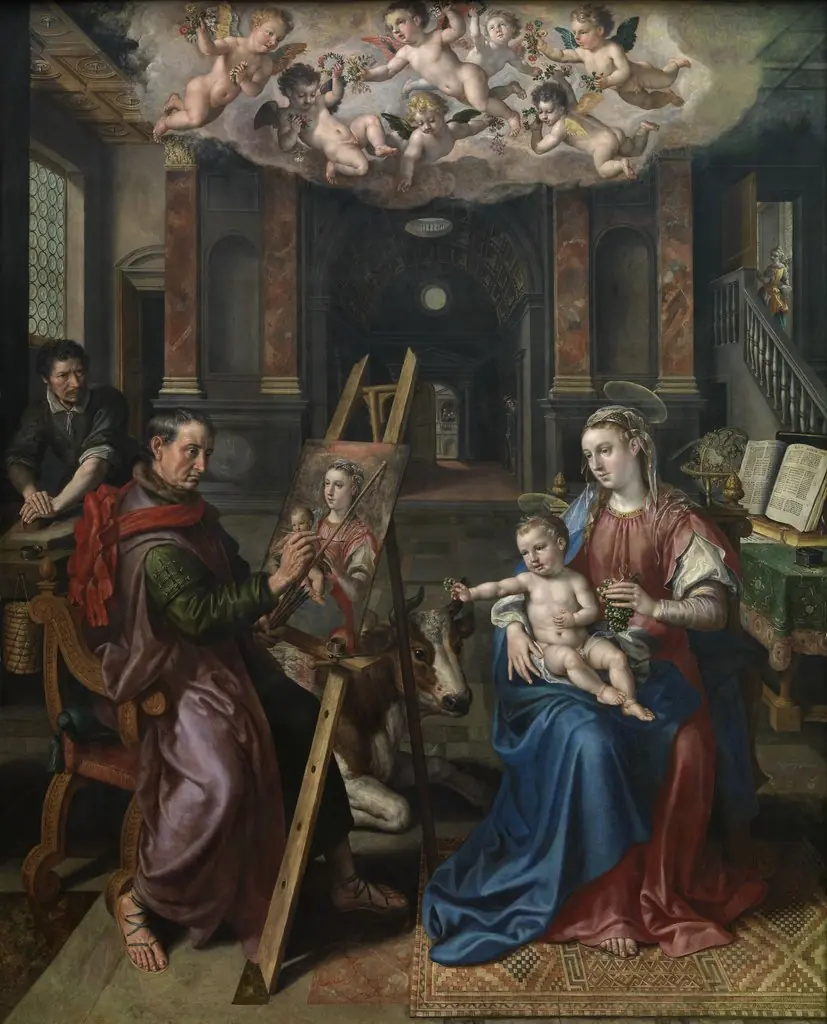 Saint Luke painting the Madonna
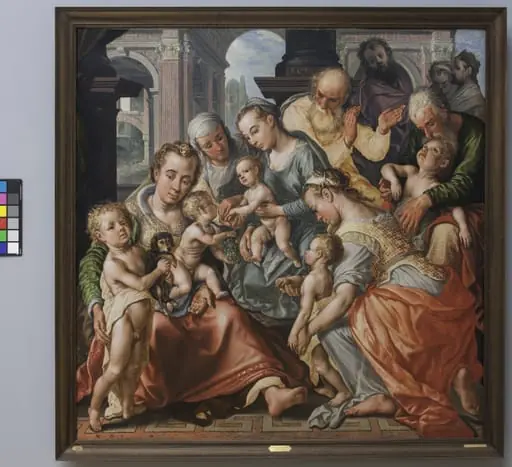 The Holy Kinship
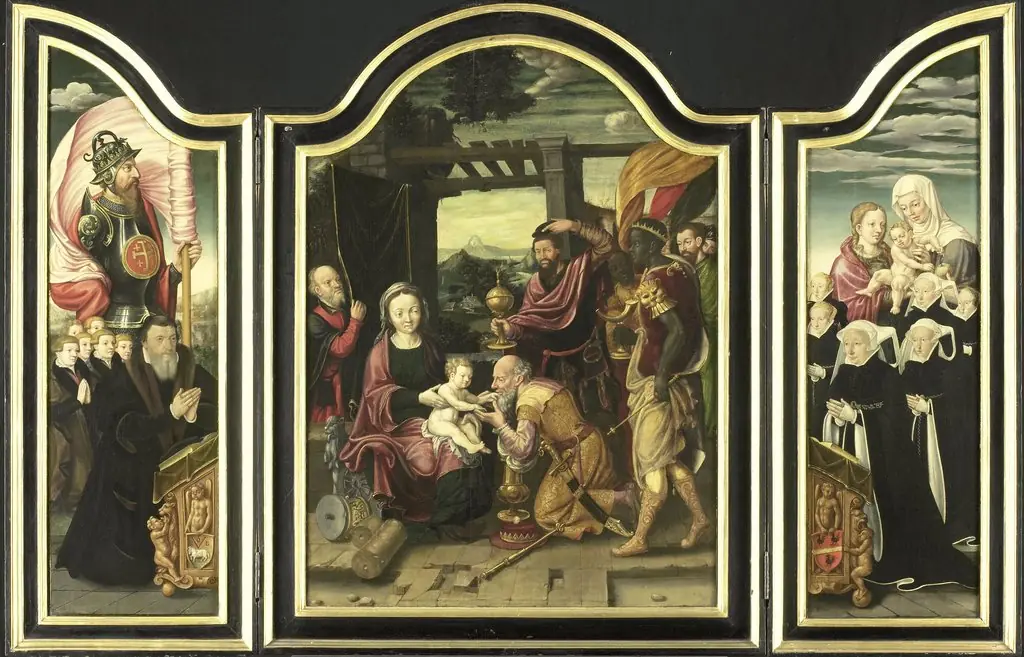 Triptych with the Adoration of the Magi
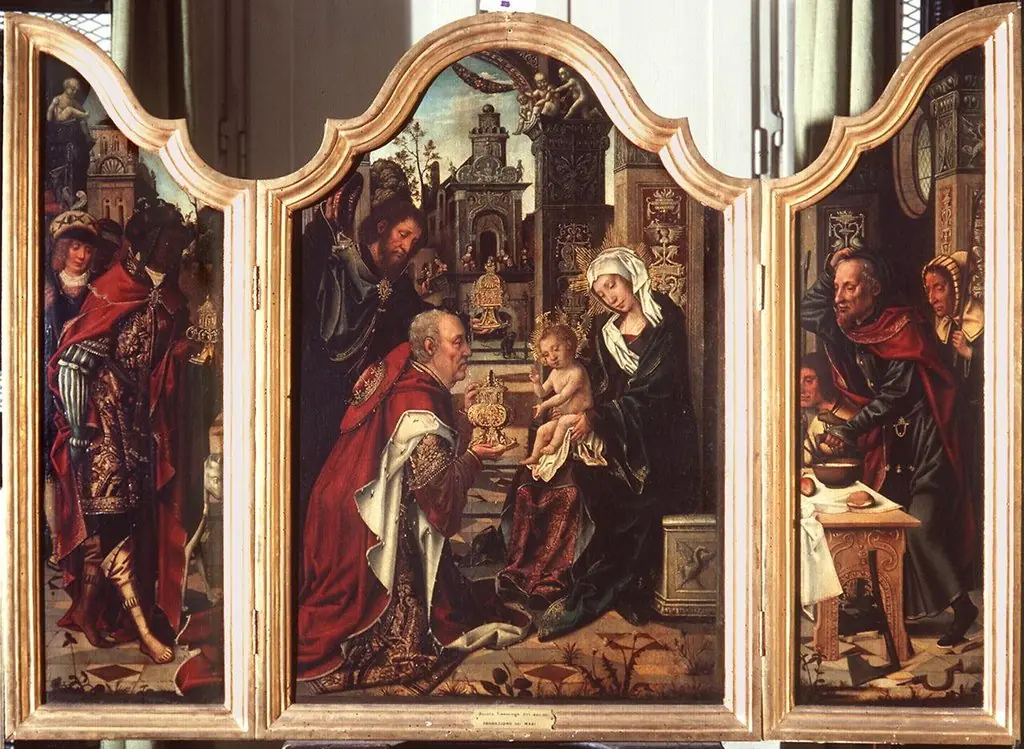 Triptych of the Adoration of the Magi
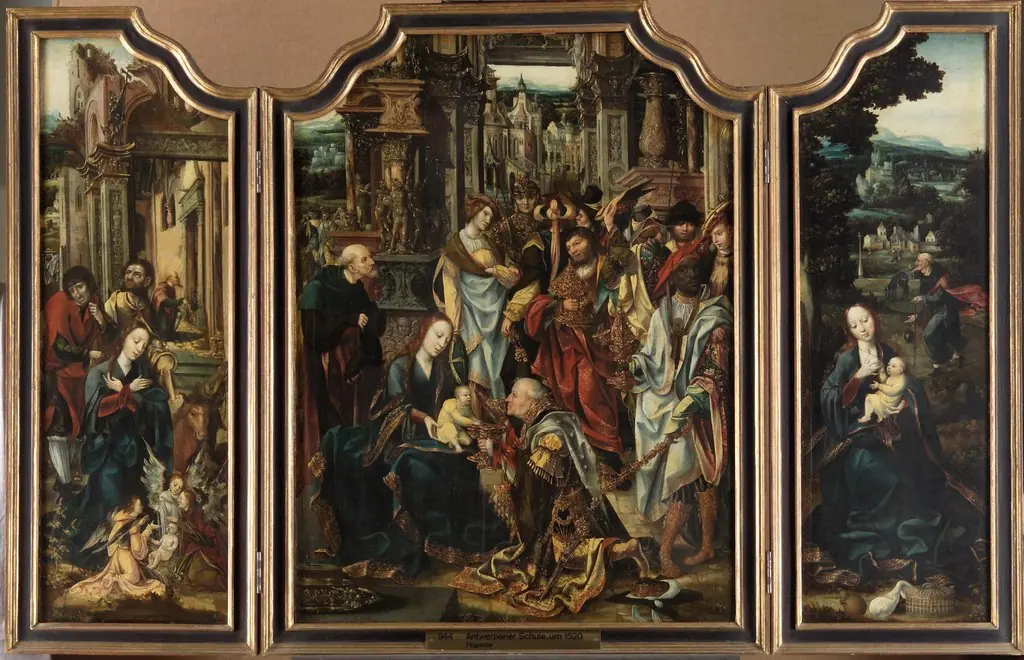 Flügelaltar; Mittelbild: Anbetung der Könige; linker Flügel: Anbetung der Hirten; rechter Flügel: Ruhe auf der Flucht nach Ägypten
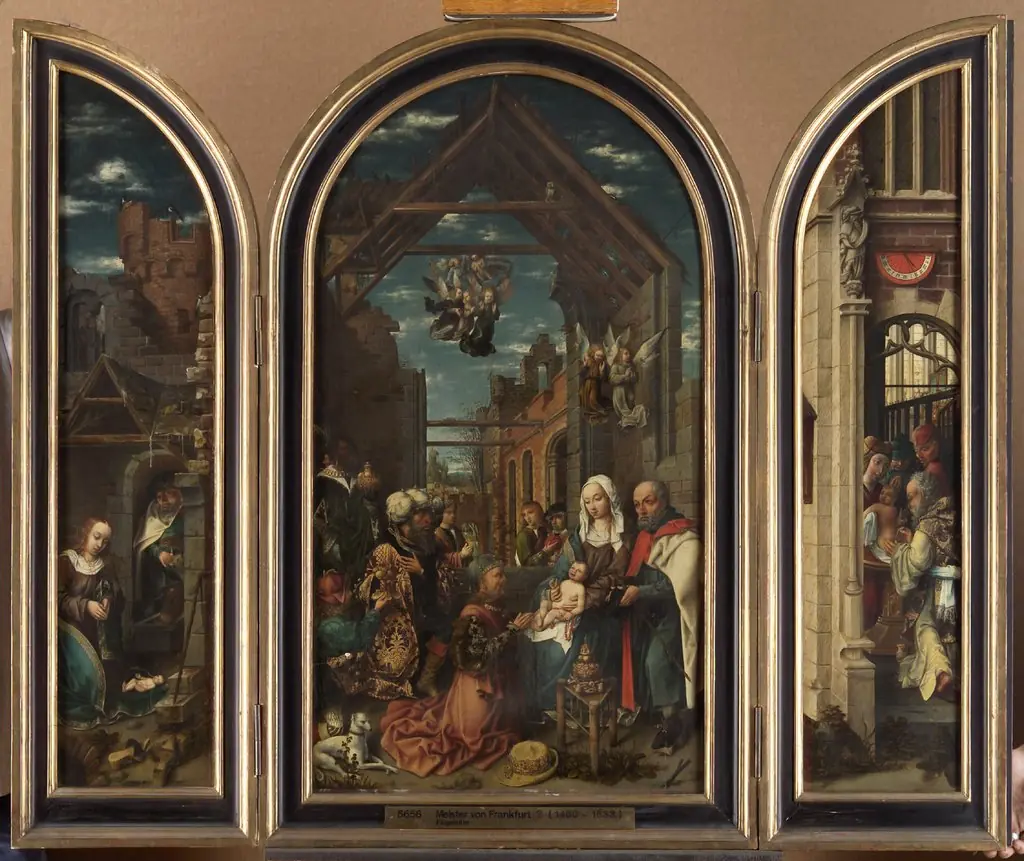 Triptych of the adoration of the magi
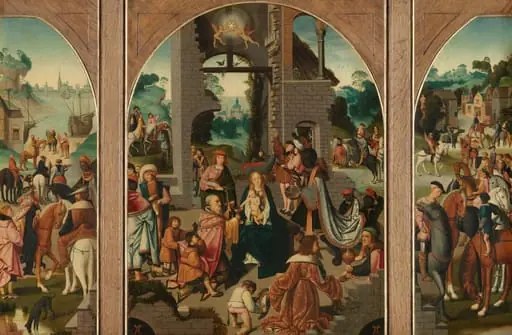 Triptych with Adoration of the Magi (center and inner wings), Saint Antony Abbot (left, outer wing) and Saint Adrian (right, outer wing)
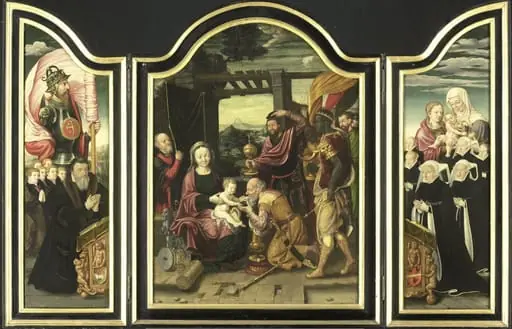 Triptych with the Adoration of the Magi
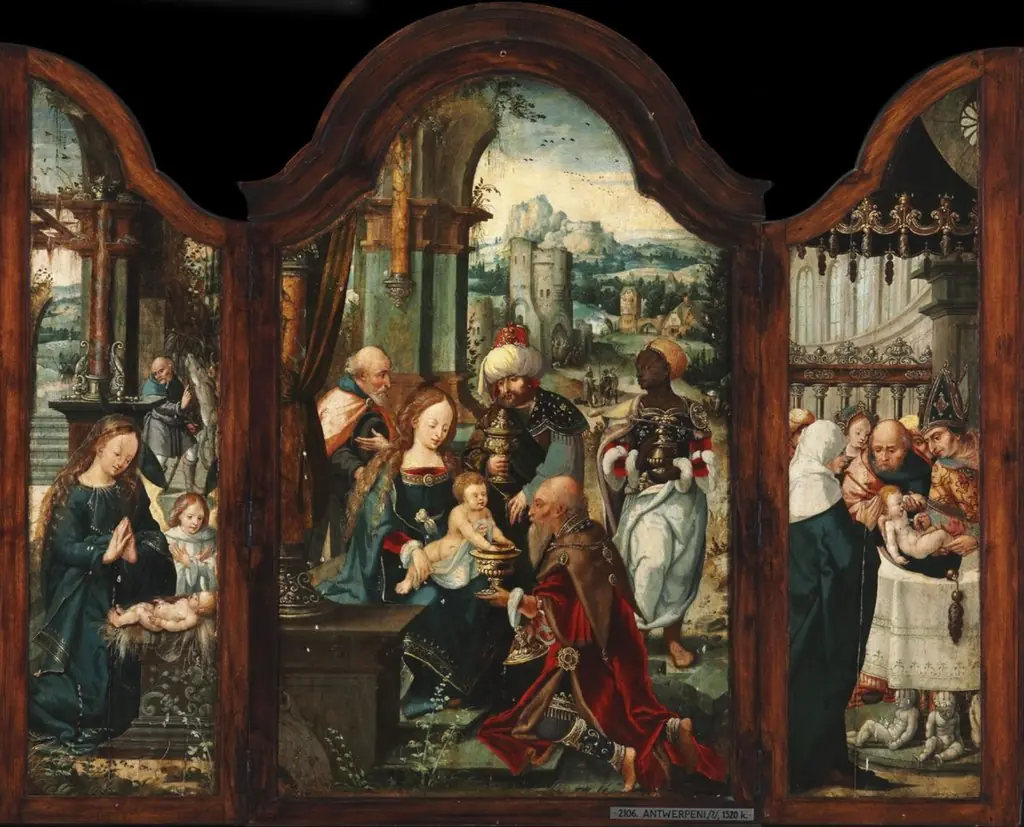 Triptych. Central panel: The Adoration of the Magi; left wing: The Nativity; right wing: The Circumcision
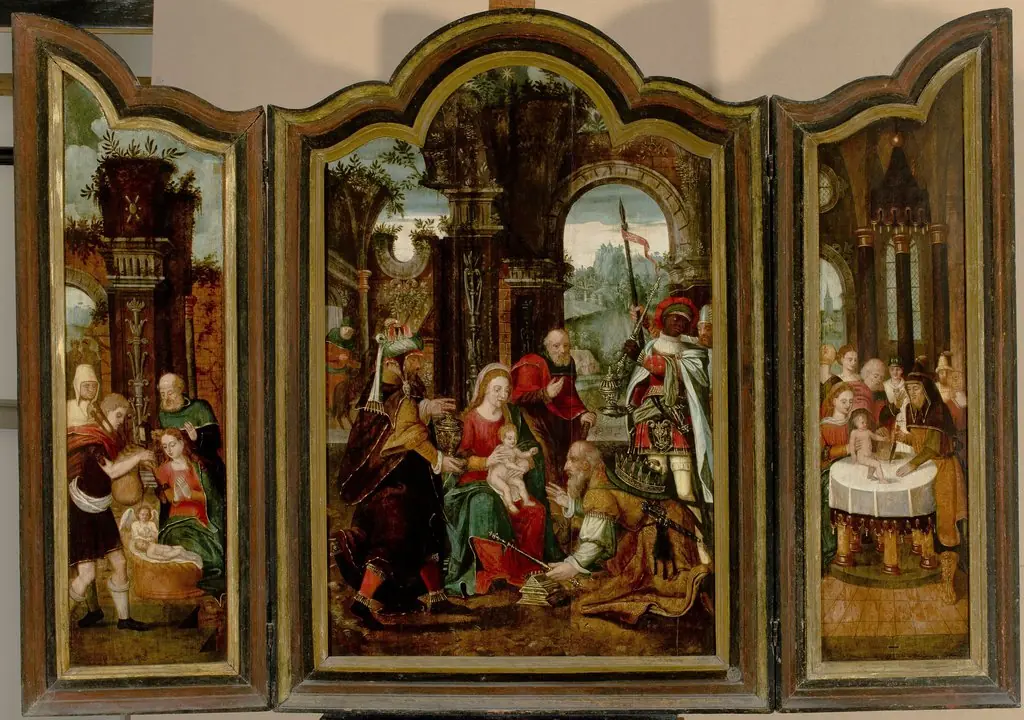 Triptych: Adoration of the Magi, Adoration of the Shepherds, Circumcision
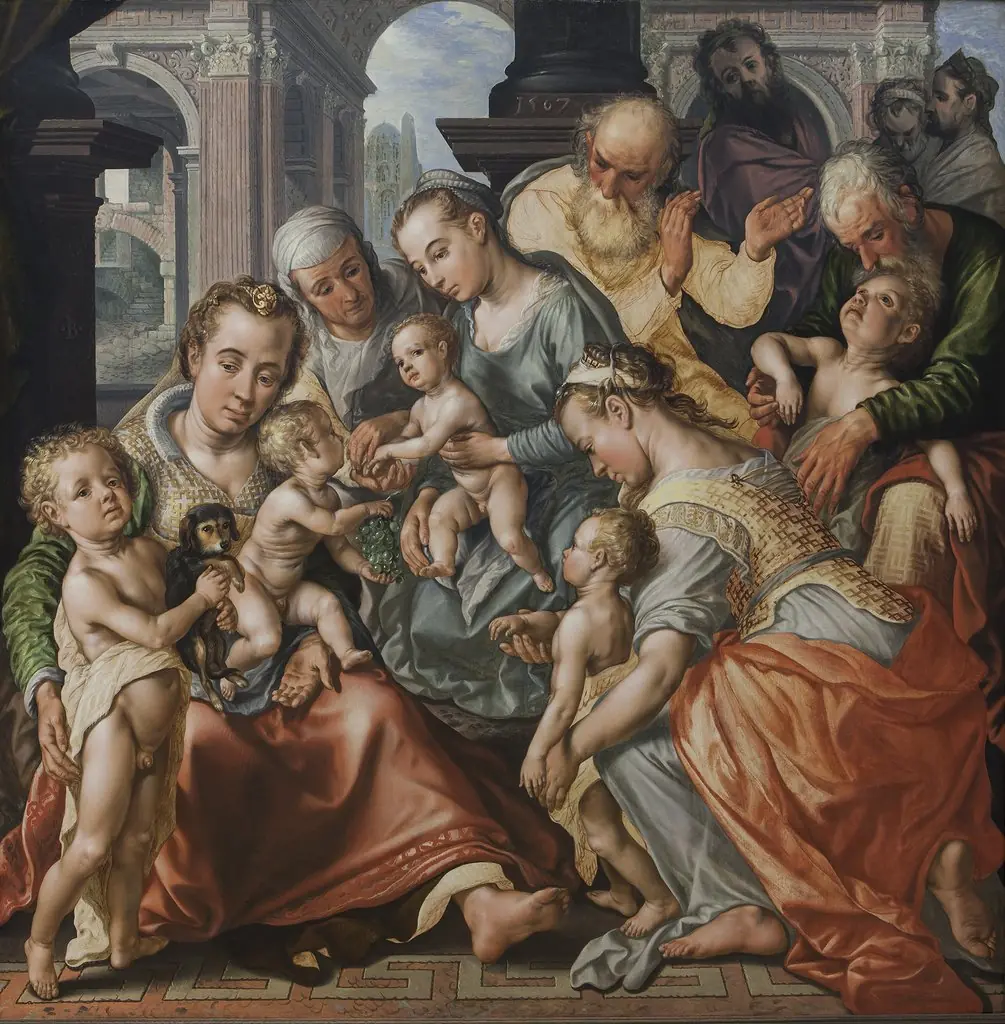 The Holy Kinship