Artwork
Portrait of a family
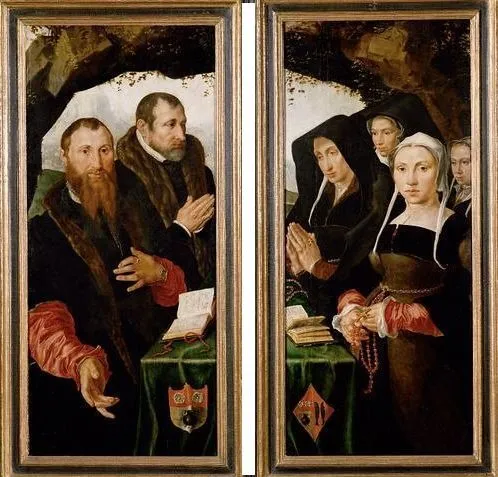
Portrait of a family is an oil painting by the Northern Renaissance artist Maarten van Heemskerck. It dates from 1545 and is held in the collection of the Kunsthistorisches Museum.
About this work
The use of chiaroscuro creates a sense of depth and dimensionality, drawing the viewer's eye to the central figures.
The painting, "Portrait of a family," is a panel work by Maarten van Heemskerck, created in 1545. It is held at the Kunsthistorisches Museum. The artwork features a family, with two men and three women, depicted in a formal setting. The men are dressed in dark attire, while the women wear dark dresses with white head coverings. A table with a green cloth is visible in the foreground, adorned with books and rosary beads.
The painting showcases the artist's attention to detail, with intricate textures and folds in the clothing. The use of chiaroscuro creates a sense of depth and dimensionality, drawing the viewer's eye to the central figures.
To learn more about the artist's technique, explore the work of Maarten van Heemskerck.
Overview
Painted in 1545 on wood panel, this family portrait is the work of Maarten van Heemskerck, a Dutch artist from Haarlem. After spending four years in Italy, he brought back compositional ideas from the Italian Renaissance while retaining Northern European attention to detail. The painting is now part of the Kunsthistorisches Museum’s collection, representing a quiet yet precise moment of domestic life in mid-16th-century Holland.
Subject & Meaning
The composition shows two men and three women arranged in a formal, seated grouping, likely members of a prosperous Protestant household. Their somber clothing and the presence of books and rosary beads suggest piety and literacy. The arrangement conveys social standing and moral seriousness rather than overt affection, reflecting the values of the time: order, restraint, and devotion as markers of identity.
Technique & Style
Van Heemskerck employed fine brushwork to render fabric textures, especially the crisp folds of linen head coverings and the sheen of dark wool. Chiaroscuro subtly models the faces and hands, lending volume without theatricality. The green tablecloth and arranged objects—books, beads—are rendered with meticulous care, anchoring the figures in a tangible space while emphasizing their quiet dignity through controlled lighting and precise detail.
History & Provenance
The painting has remained in institutional hands since at least the 19th century, entering the Kunsthistorisches Museum’s collection through documented acquisitions. Its survival in good condition reflects its early recognition as a significant example of Northern Renaissance portraiture. No earlier ownership records are widely known, but its style aligns with commissions from Haarlem’s merchant class during the 1540s.
Context
In the 1540s, Dutch portraiture shifted from rigid formalism toward more naturalistic groupings, influenced by Italian models learned through travel. Van Heemskerck’s time in Rome exposed him to classical sculpture and Renaissance composition, which he adapted to local tastes. This portrait reflects a broader trend: Protestant families commissioning images that affirmed their status through modesty, education, and religious practice rather than ostentation.
Legacy
Though less celebrated than his later works on the Seven Wonders, this portrait exemplifies van Heemskerck’s ability to merge Italian structure with Northern precision. It influenced contemporaries in Haarlem and contributed to the development of Dutch family portraiture. Its restrained elegance helped define a visual language for middle-class identity in the decades before the Dutch Golden Age.
Artist & collection
Artist
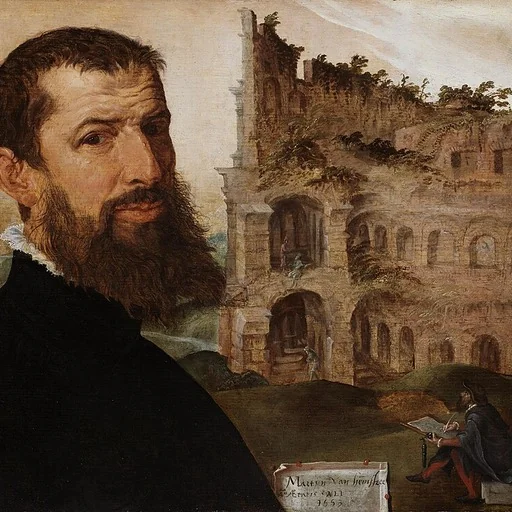
Maarten van Heemskerck (born Maerten Jacobsz van Veen; 1 June 1498 – 1 October 1574), also known as Marten Jacobsz Heemskerk van Veen, was a Dutch portrait and religious painter, who spent most of his career in Haarlem.

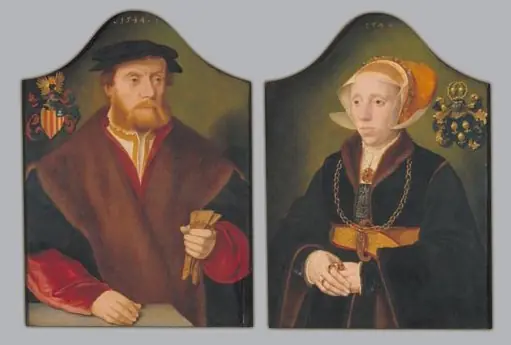 Christian von Conersheim and his Wife Elisabeth von Brauweiler
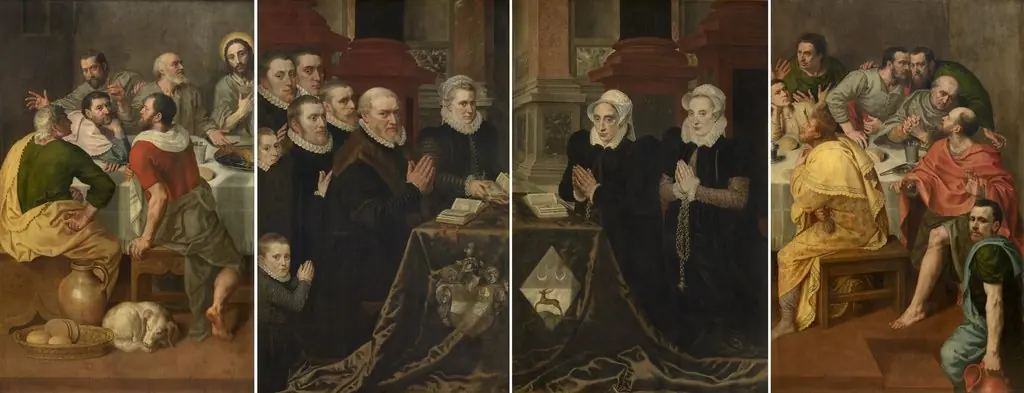 Calvary and the Family of Gillis de Smidt en Maria de Deckere
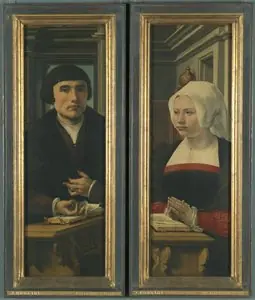 Side wings of the Norfolk Triptych: portraits of donors
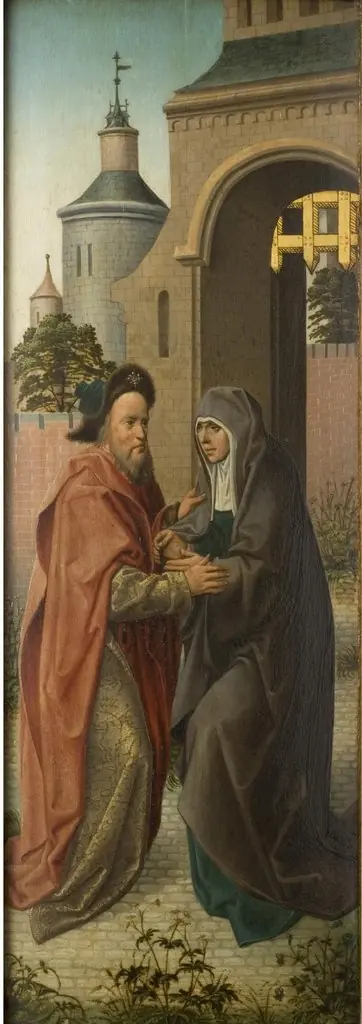 The Meeting at the Golden Gate
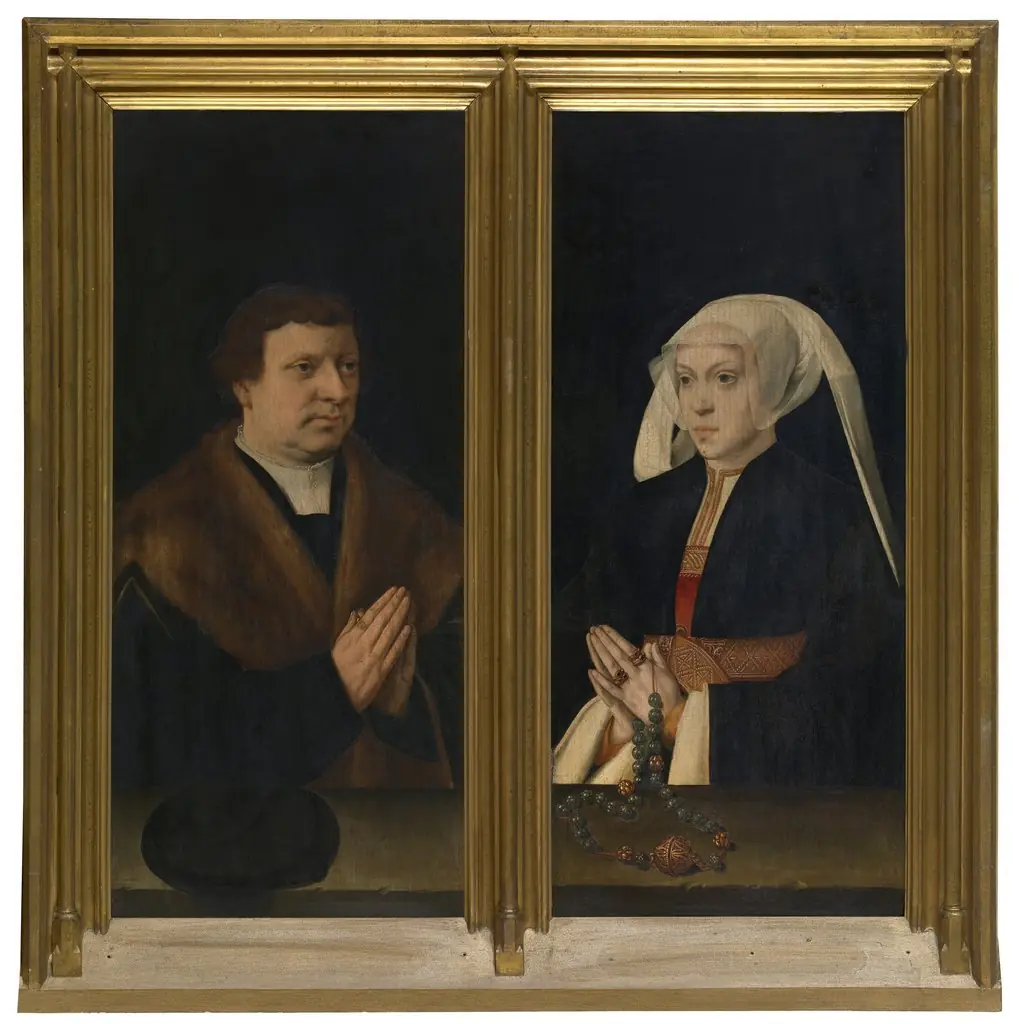 Triptych with Donors
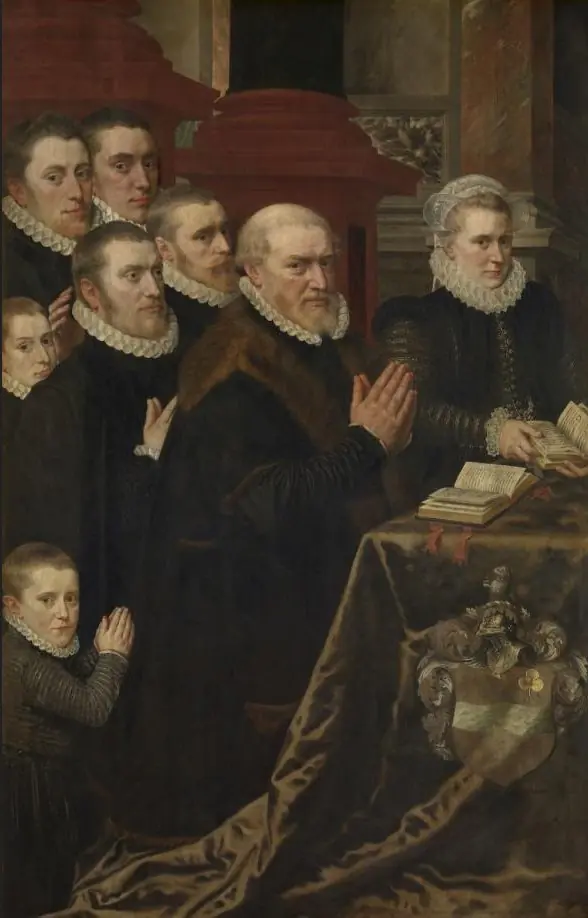 Gillis de Smidt with seven children
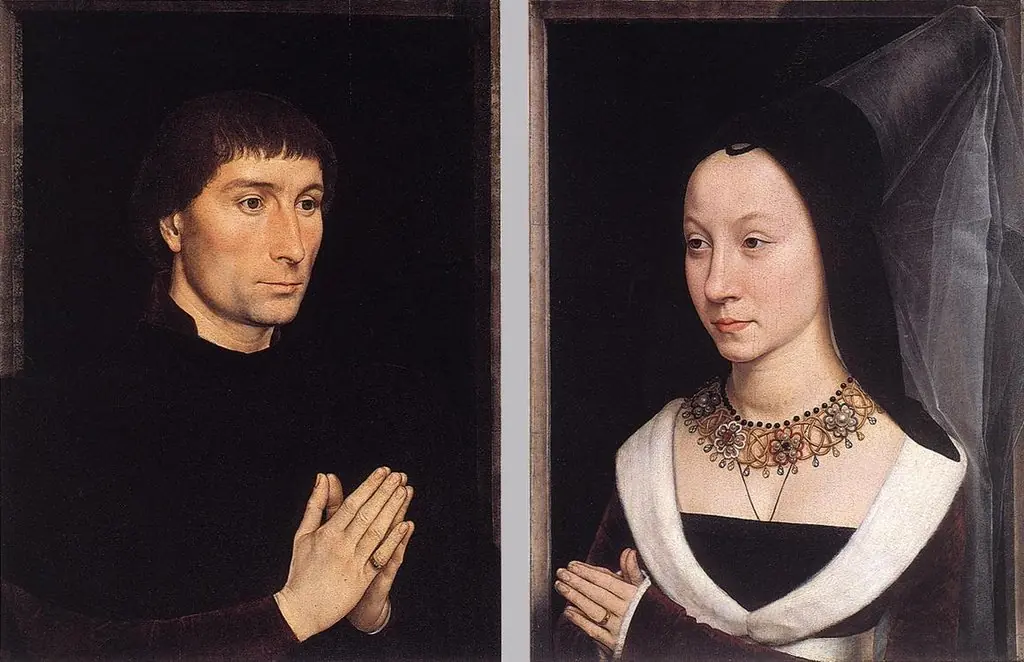 Tommaso di Folco Portinari (1428–1501); Maria Portinari (Maria Maddalena Baroncelli, born 1456)
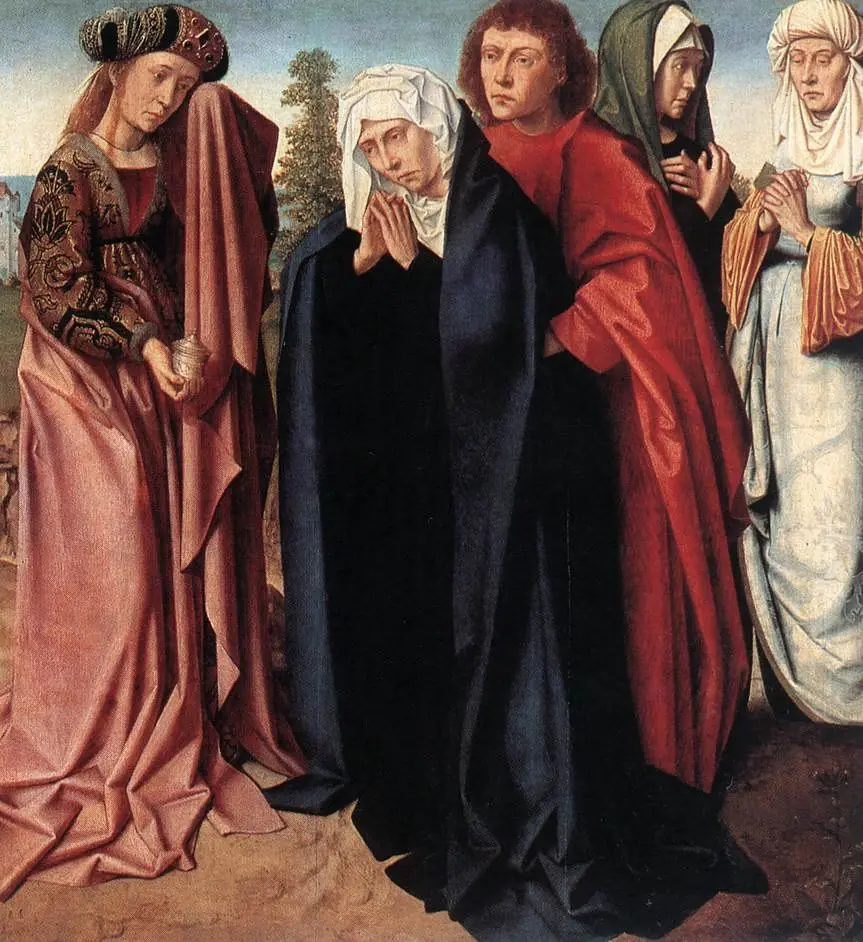 The Holy Women and Saint John at Golgotha
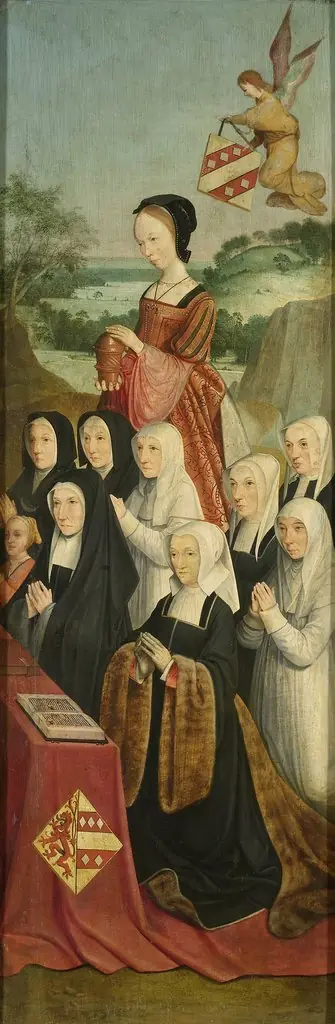 Memorial Panel with Nine Female Portraits, inner right wing of an altarpiece
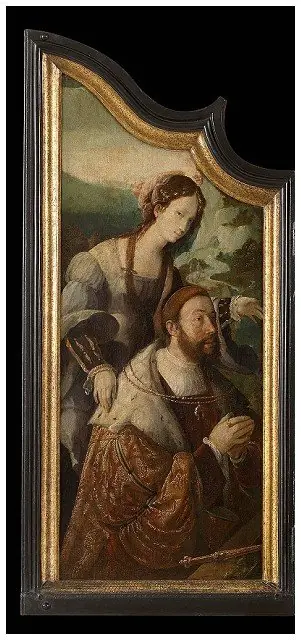 Count Henry III of Nassau with the Tiburtine sibille
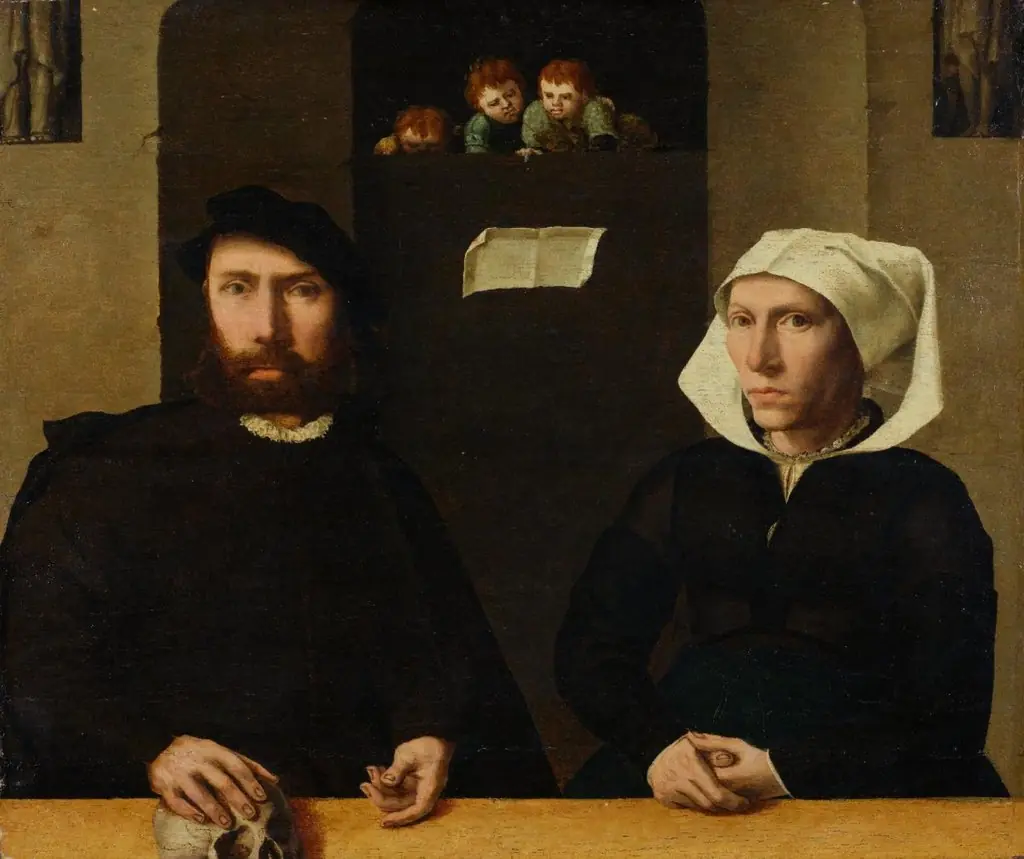 Pieter Coecke van Aelst, his Wife Mayken Verhulst and Their Children
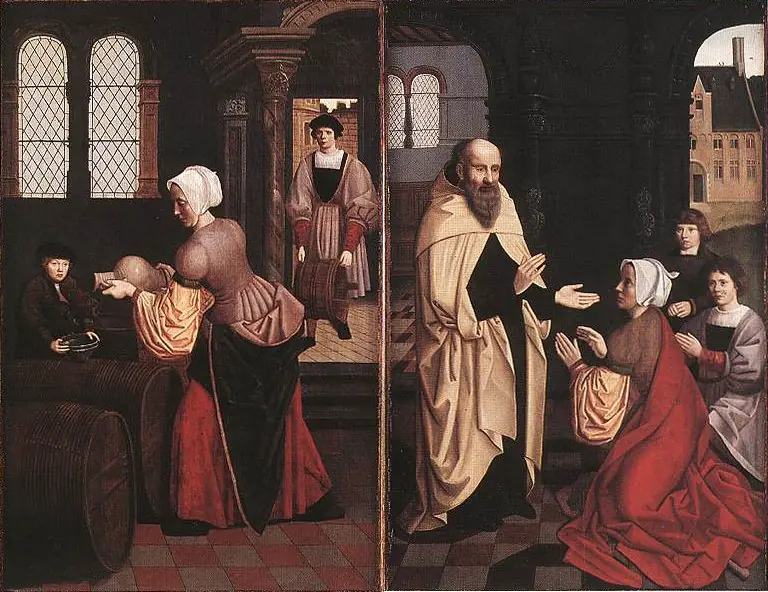 The Adoration of the Shepherds and the Kings and Elisha and the widow's oil