Artwork
Sketch for chivalry
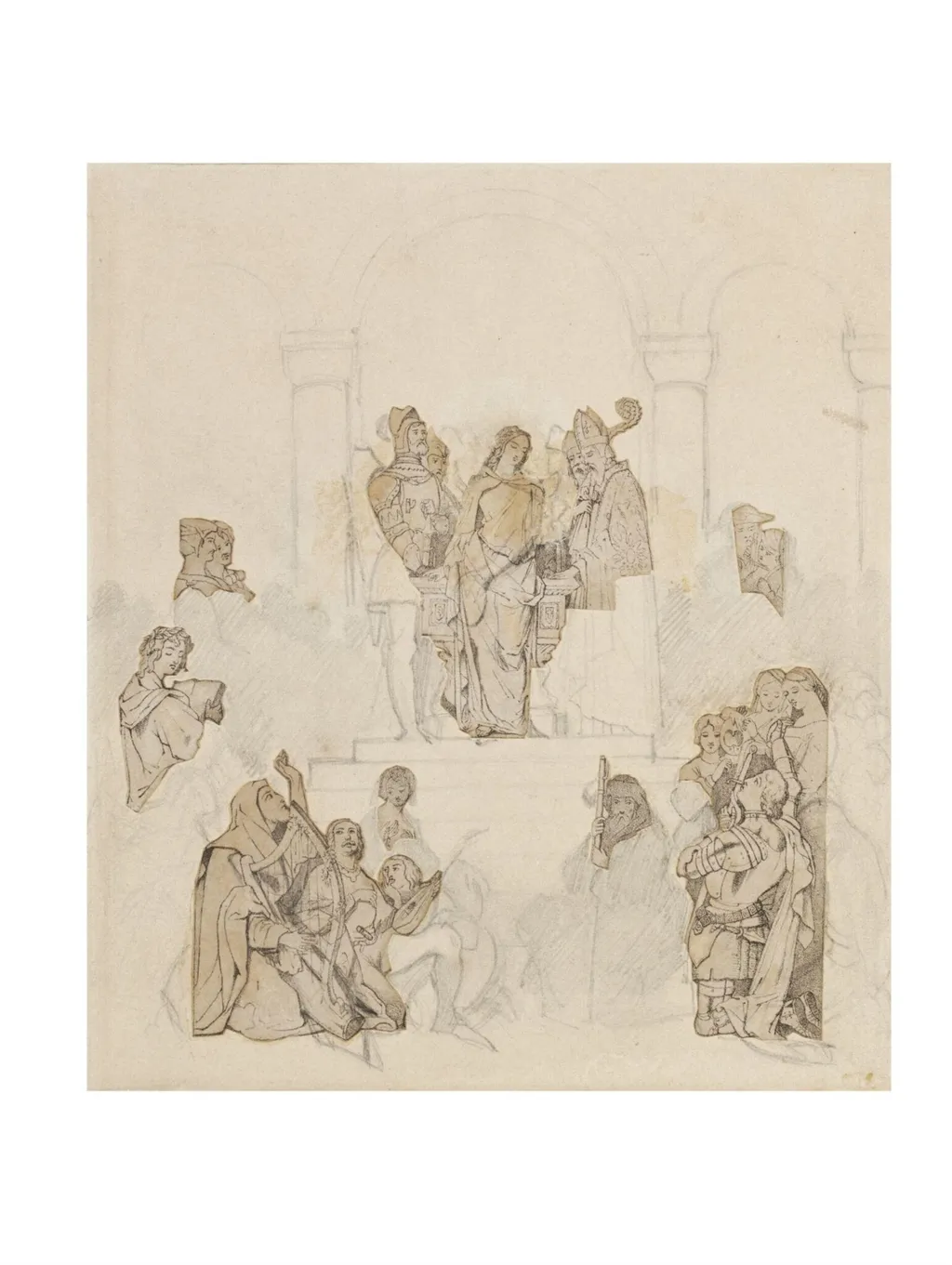
Sketch for chivalry is a drawing by the Romanticist artist Daniel Maclise. It dates from 1825 and is held in the collection of the Victoria and Albert Museum.
About this work
Overview
It belongs to a curated collection of 390 sketches displayed in thirty framed panels, assembled to showcase British artistic talent of the period.
This pencil, pen, and ink drawing by Daniel Maclise is a preparatory study for his larger work, *The Spirit of Chivalry*. It belongs to a curated collection of 390 sketches displayed in thirty framed panels, assembled to showcase British artistic talent of the period. The group includes works by contemporaries such as T.S. Cooper and E.H. Landseer, reflecting a shared interest in historical and literary themes.
Subject & Meaning
The sketch depicts a central female figure flanked by a knight in armor, both surrounded by a group of onlookers in varied poses—some standing, others kneeling. The architectural backdrop of columns and arches implies a ceremonial or courtly setting. The composition suggests a moment of moral or symbolic significance, possibly an act of tribute or chivalric pledge, evoking ideals of honor and duty through dramatic gesture and spatial arrangement.
Technique & Style
Maclise employs fluid pen lines and layered pencil shading to convey movement and texture, emphasizing the drapery of garments and the gleam of armor. The figures are rendered with expressive, dynamic postures, characteristic of Romantic-era draftsmanship. The interplay of light and shadow enhances the theatricality of the scene, prioritizing emotional resonance over precise detail, aligning with the period’s preference for evocative narrative over realism.
History & Provenance
The drawing was created as part of a systematic project to compile a gallery of preparatory studies for major British artists. It was included in a pillar-mounted display of thirty frames, originally assembled for public exhibition. The collection, which also features portraits of figures like Benjamin Disraeli and Michael Faraday, was intended to document the intellectual and artistic currents of mid-19th-century Britain.
Context
Maclise’s work emerged during a time when British art increasingly turned to medieval and literary themes to explore national identity. Romanticism’s emphasis on emotion, heroism, and the sublime influenced his approach, paralleling trends in painting by Turner and others. The inclusion of literary and scientific figures in the broader collection underscores a cultural moment where art, intellect, and public life were seen as interconnected.
Legacy
Though the final painting of *The Spirit of Chivalry* is less widely known today, Maclise’s preparatory sketches remain valuable for understanding his creative process. The collection to which this drawing belongs offers insight into how Victorian artists constructed historical narratives through iterative study. These works continue to serve as references for scholars examining the intersection of art, literature, and public memory in 19th-century Britain.
Artist & collection
Artist
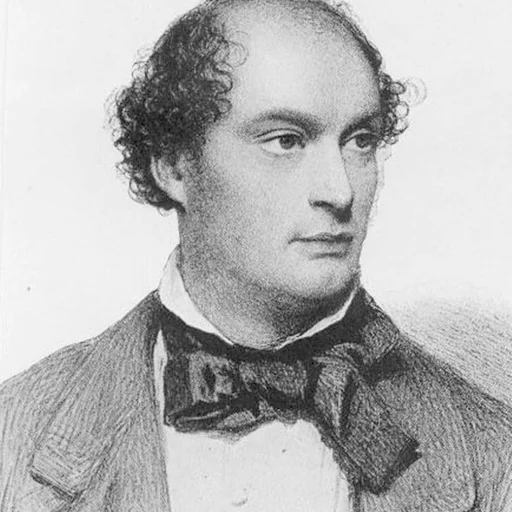
Daniel Maclise (25 January 1806 – 25 April 1870) was an Irish history painter, literary and portrait painter, and illustrator, who worked for most of his life in London, England.

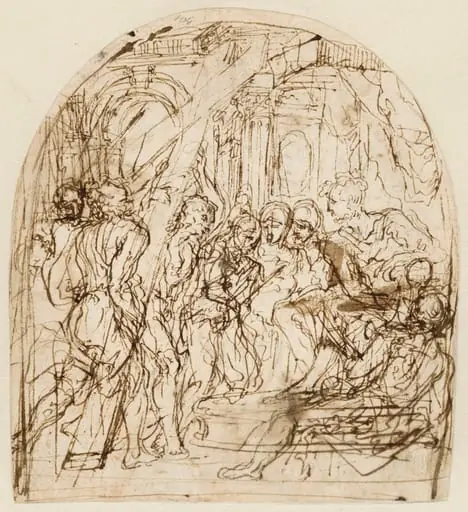 Christ Carrying the Cross
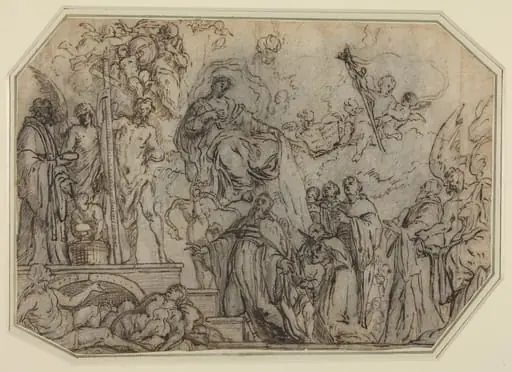 The Trinity and the Virgin Appearing to Ecclesiastics
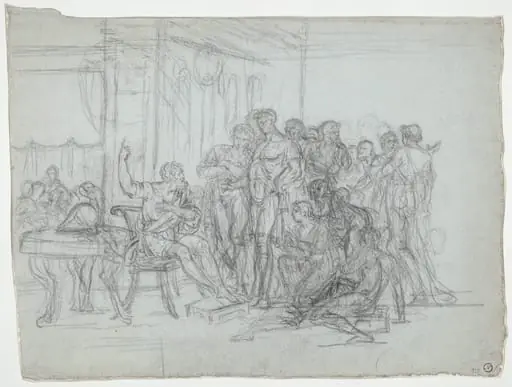 Timoleon Thanked by the Citizens of Syracuse
![Presentation of the Virgin in the Temple [verso], by Antonio Zanchi](https://artifactworldgallery.com/img/antonio-zanchi--presentation-of-the-virgin-in-the-temple-verso--450080eaf8685583-w320.webp) Presentation of the Virgin in the Temple [verso]
Presentation of the Virgin in the Temple [verso]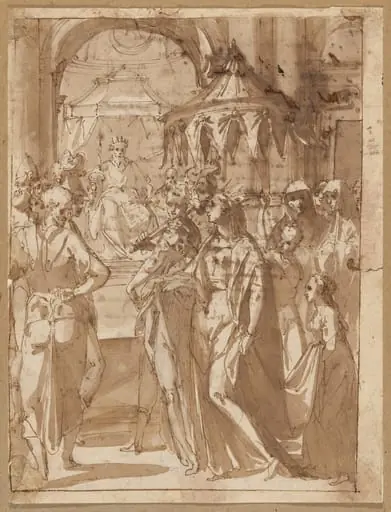 Esther before Ahasuerus
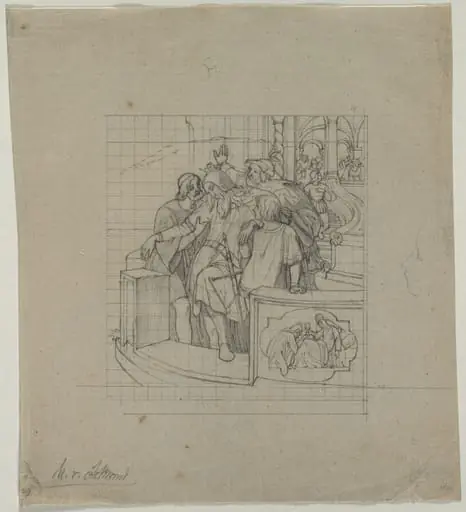 The King of Thule
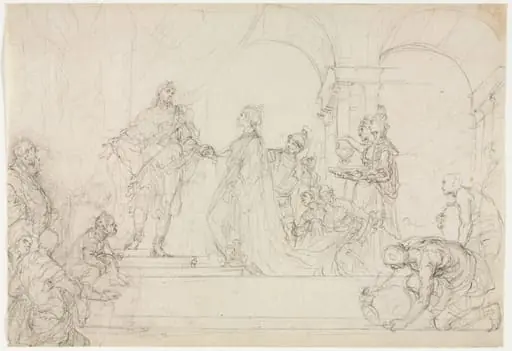 Meeting of Solomon and Queen of Sheba
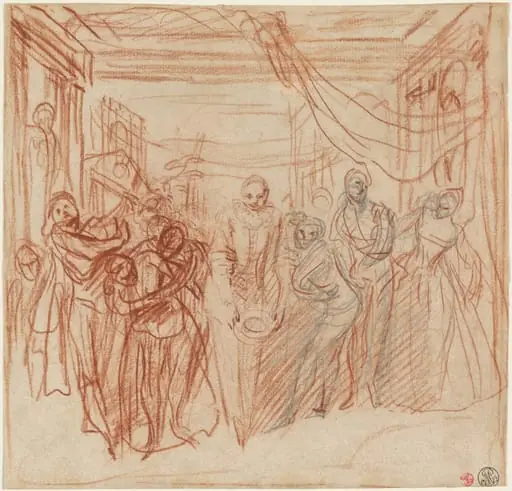 Italian Comedians Taking Their Bows
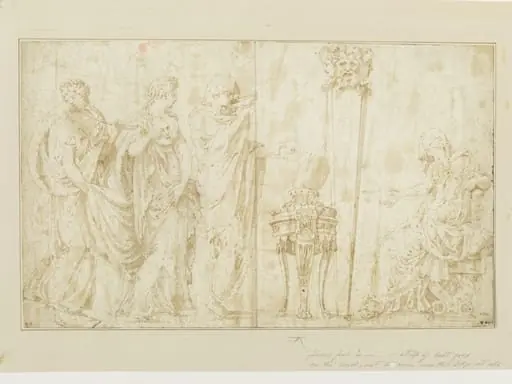 A sacrifice
 Untitled
![The Apotheosis of Saint Mark [recto and verso], by Pietro Roselli](https://artifactworldgallery.com/img/pietro-roselli--the-apotheosis-of-saint-mark-recto-and-verso--cd3a4ec627f729de-w320.webp) The Apotheosis of Saint Mark [recto and verso]
The Apotheosis of Saint Mark [recto and verso]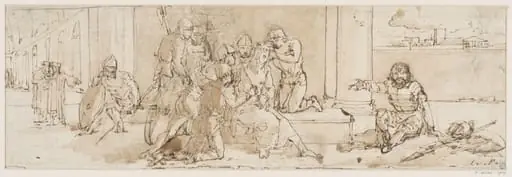 Christ mocked