Artwork
The King of Thule
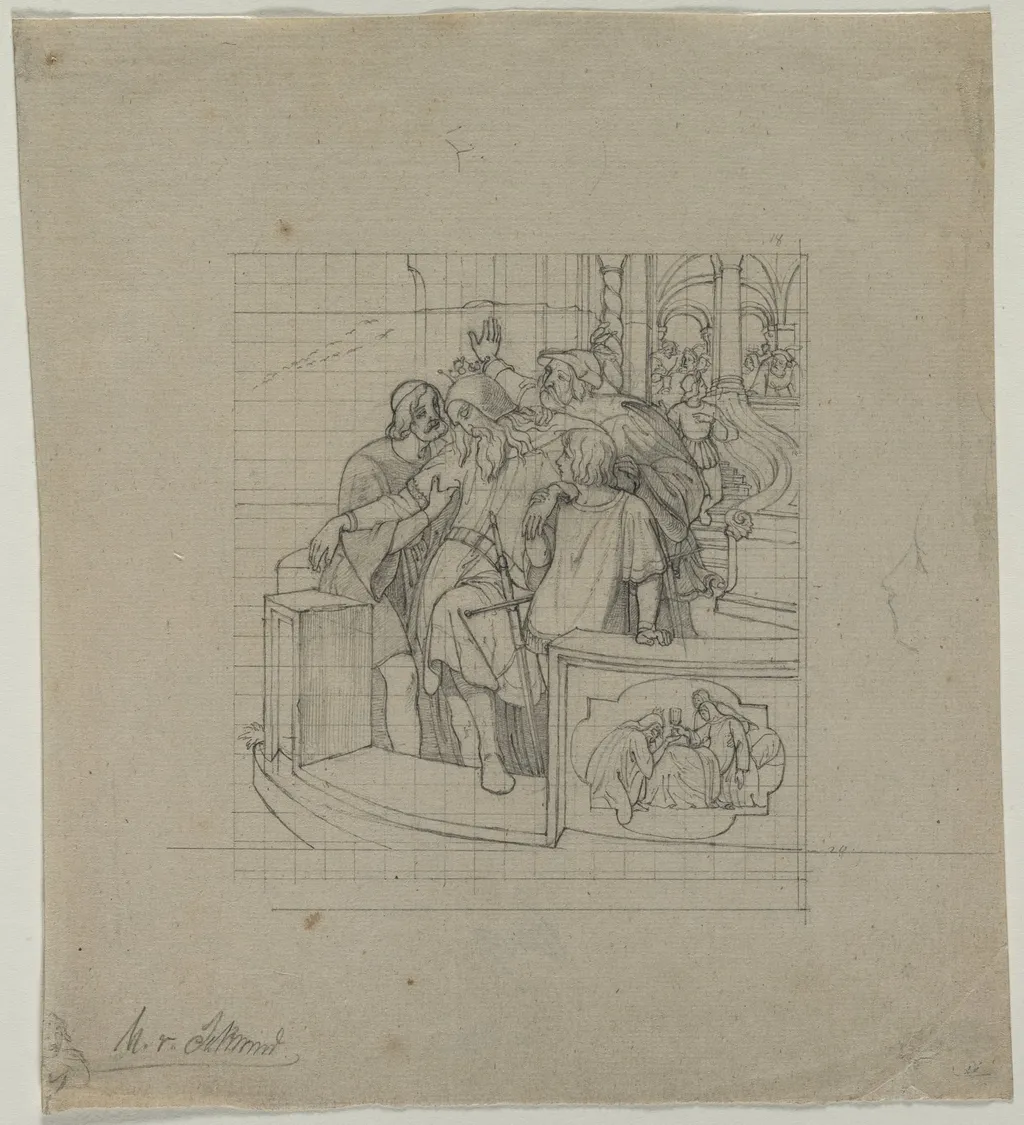
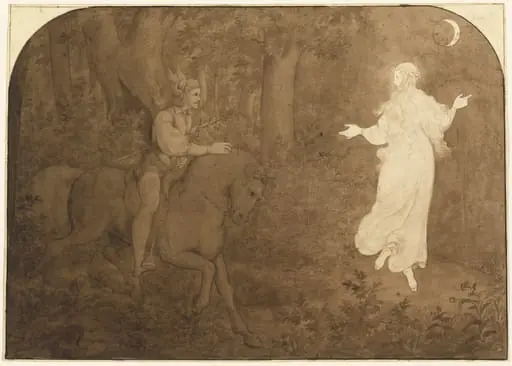
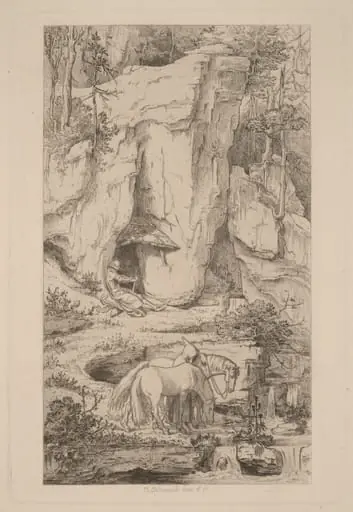
The King of Thule is a drawing by the Romanticist artist Moritz von Schwind. It dates from 1804 and is held in the collection of the Cleveland Museum of Art.
About this work
Overview
The King of Thule is a drawing by Austrian artist Moritz von Schwind, created circa 1840. It depicts a scene of gathered figures in a grand hall, with a central figure on a raised platform holding a book or scroll.
Subject & Meaning
The drawing engages with romanticized medieval themes, characteristic of Schwind's oeuvre, which often drew inspiration from chivalry, folklore, and folk songs. The specific narrative or reference of The King of Thule is not explicitly stated but aligns with Schwind's lyrical and romanticized approach to historical and literary subjects.
Technique & Style
Executed with loose, quick lines, the drawing embodies the Romantic style's emphasis on capturing movement and emotion over precise detail. This approach conveys a sense of dynamism and drama within the scene.
History & Provenance
Created around 1840, The King of Thule reflects Schwind's ongoing exploration of medieval and romantic themes during this period. Specific provenance details (ownership history) are not provided.
Context
The work is part of a broader 19th-century European artistic movement that romanticized the Middle Ages. Schwind's style and thematic choices place The King of Thule within this context, alongside other artists exploring similar subjects.
Legacy
The King of Thule contributes to Schwind's reputation for dreamy, narrative-driven artworks. While not individually renowned as a standalone piece in broad art historical narratives, it exemplifies his consistent thematic and stylistic explorations.
Artist & collection
Artist
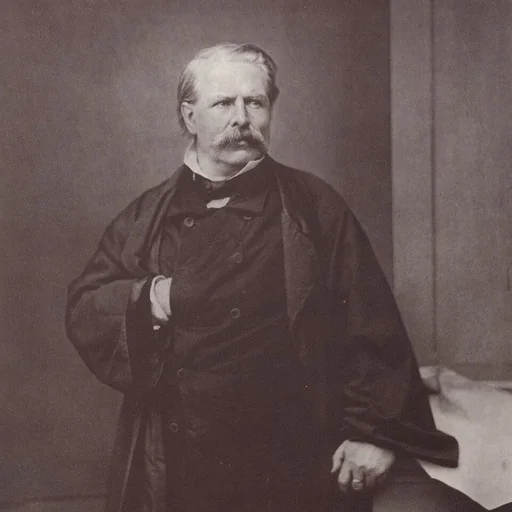
Moritz von Schwind (21 January 1804 – 8 February 1871) was an Austrian painter, born in Vienna.

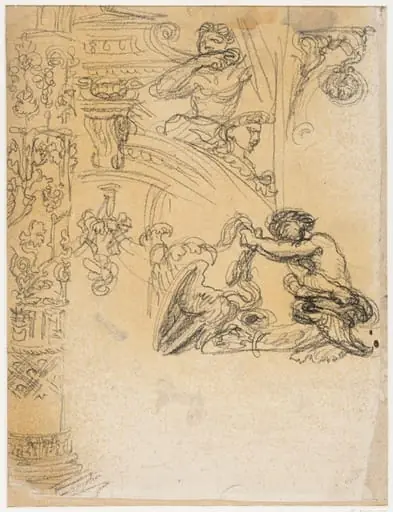 Studies by Alfred Stevens
![Queen Katherine's Dream [recto], by William Blake](https://artifactworldgallery.com/img/william-blake--queen-katherine-s-dream-recto--90af798f35cdb189-w320.webp) Queen Katherine's Dream [recto]
Queen Katherine's Dream [recto]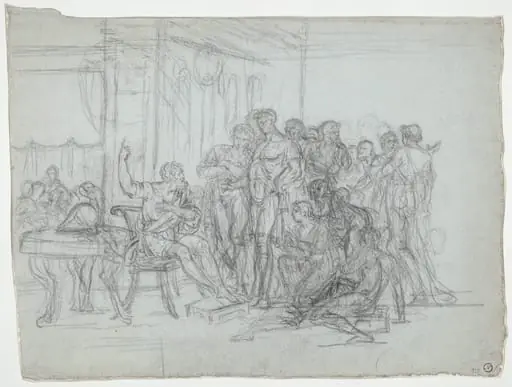 Timoleon Thanked by the Citizens of Syracuse
![Sheet of Studies [recto and verso], by John Flaxman](https://artifactworldgallery.com/img/john-flaxman--sheet-of-studies-recto-and-verso--37ffe1e79b52e688-w320.webp) Sheet of Studies [recto and verso]
Sheet of Studies [recto and verso]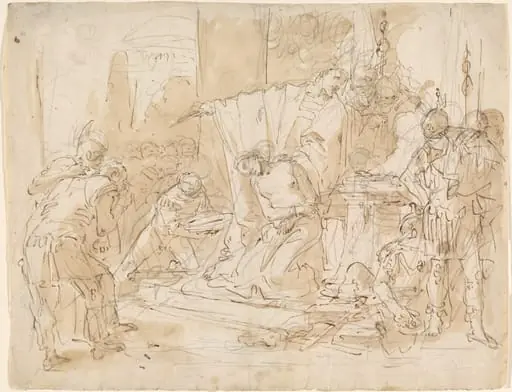 The Sacrifice of Iphigenia (recto) / Study of a Male Nude (verso)
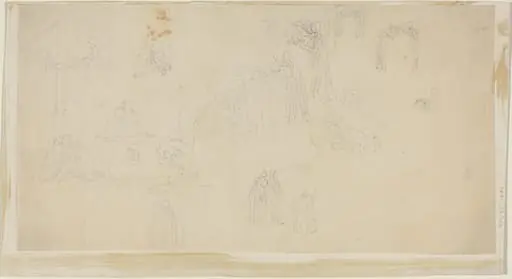 Sheet of Studies
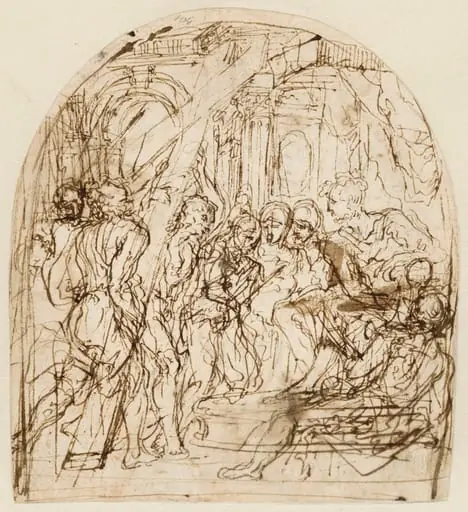 Christ Carrying the Cross
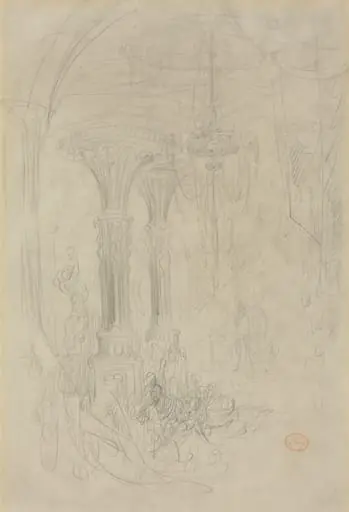 Cleopatra
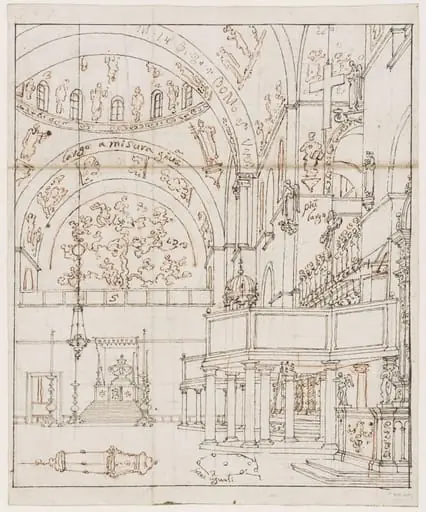 View of the interior of St. Mark's, Venice
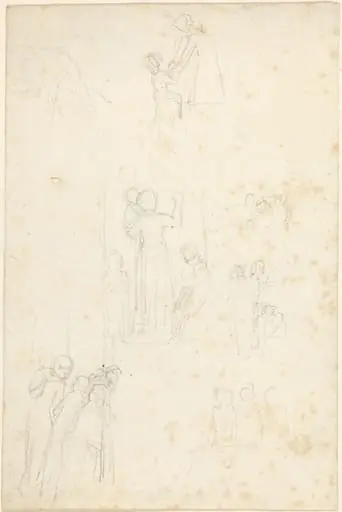 Sheet of Studies
![Designs for a Monument to Sir William Jones (?) [recto and verso], by John Flaxman](https://artifactworldgallery.com/img/john-flaxman--designs-for-a-monument-to-sir-william-jones-recto-and-verso--3c78a3064cfa399d-w320.webp) Designs for a Monument to Sir William Jones (?) [recto and verso]
Designs for a Monument to Sir William Jones (?) [recto and verso]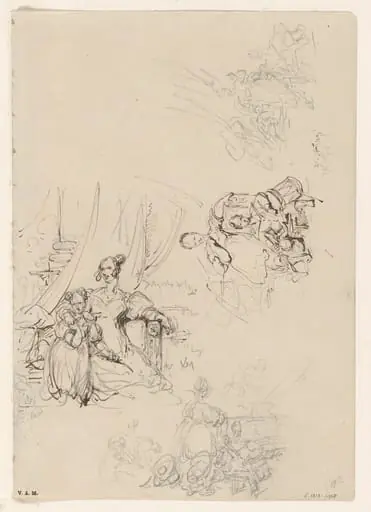 A Western woman with her children in Macau