Artwork
Saint Didacus Heals the Sick
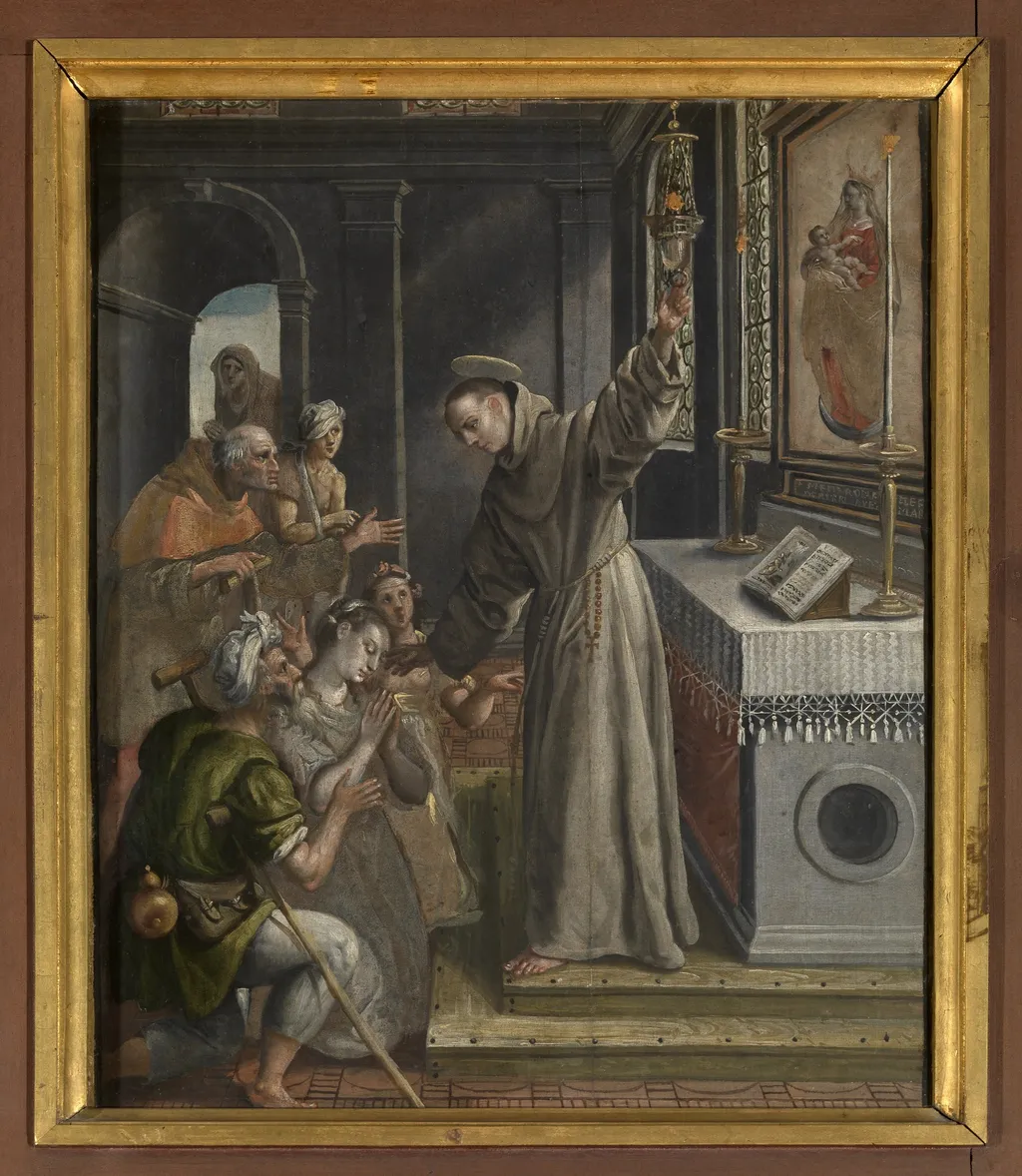
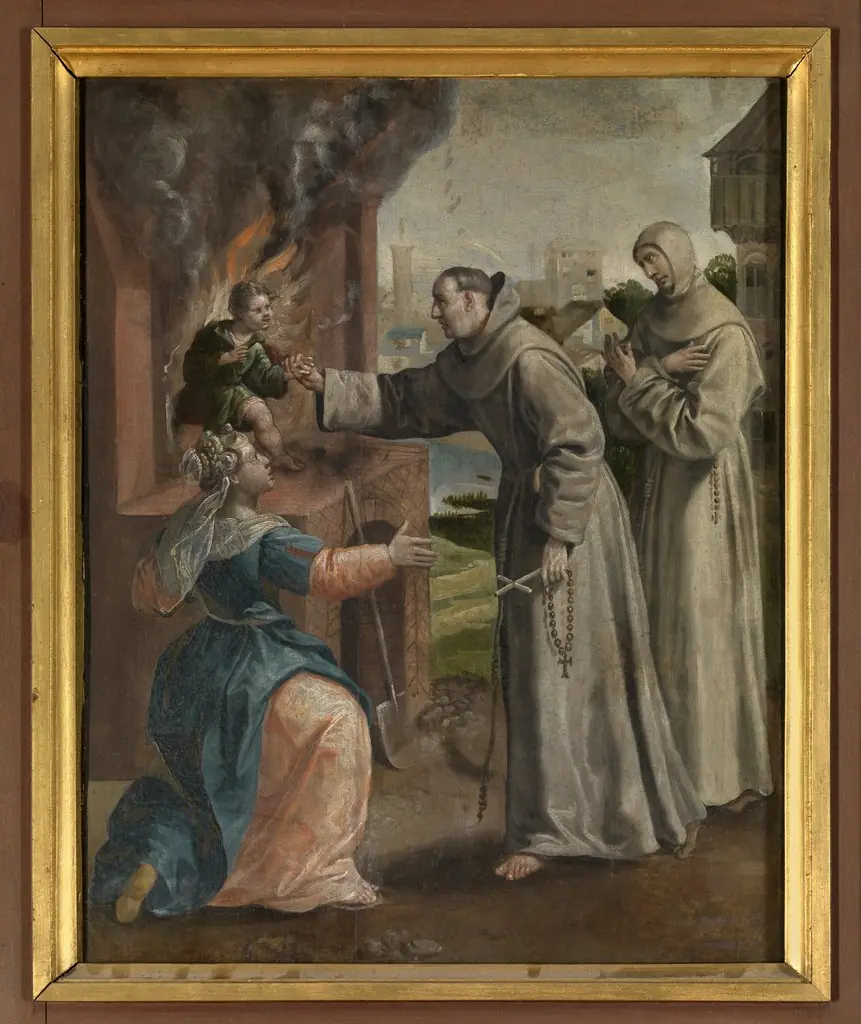
Saint Didacus Heals the Sick is an oil painting by the Northern Renaissance artist Maerten de Vos. It dates from 1577 and is held in the collection of the Royal Museum of Fine Arts Antwerp.
About this work
Overview
The painting is part of the Royal Museum of Fine Arts Antwerp’s collection, where it remains as an example of post-Beeldenstorm devotional imagery.
Painted around 1577 by Maerten de Vos, this oil-on-panel work depicts a moment of divine intervention attributed to Saint Didacus. Created during the late Northern Renaissance, it reflects the religious artistic demands of the Spanish Netherlands following the iconoclastic upheavals of the 1560s. The painting is part of the Royal Museum of Fine Arts Antwerp’s collection, where it remains as an example of post-Beeldenstorm devotional imagery.
Subject & Meaning
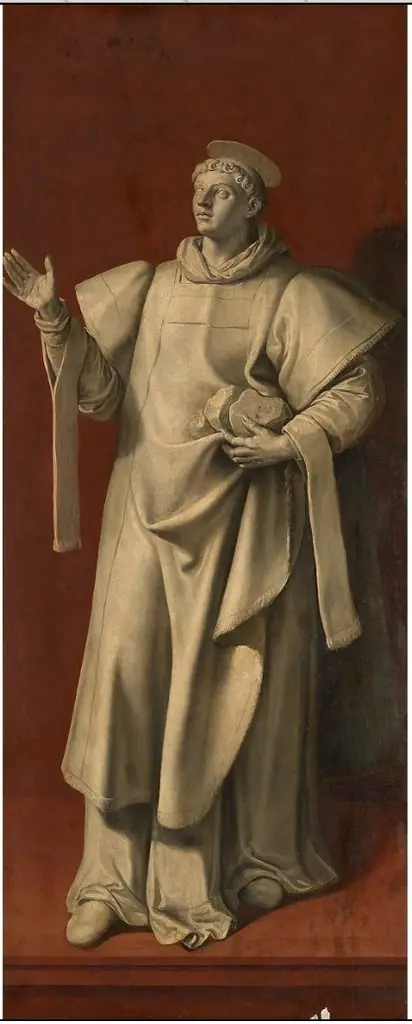
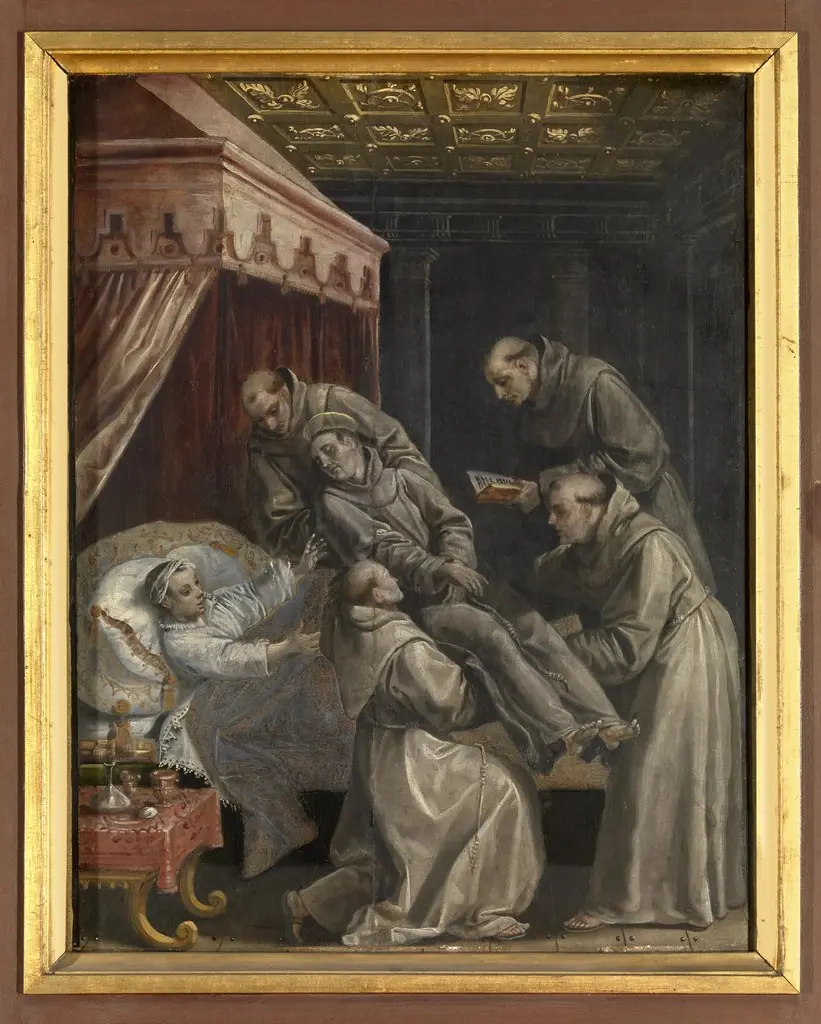
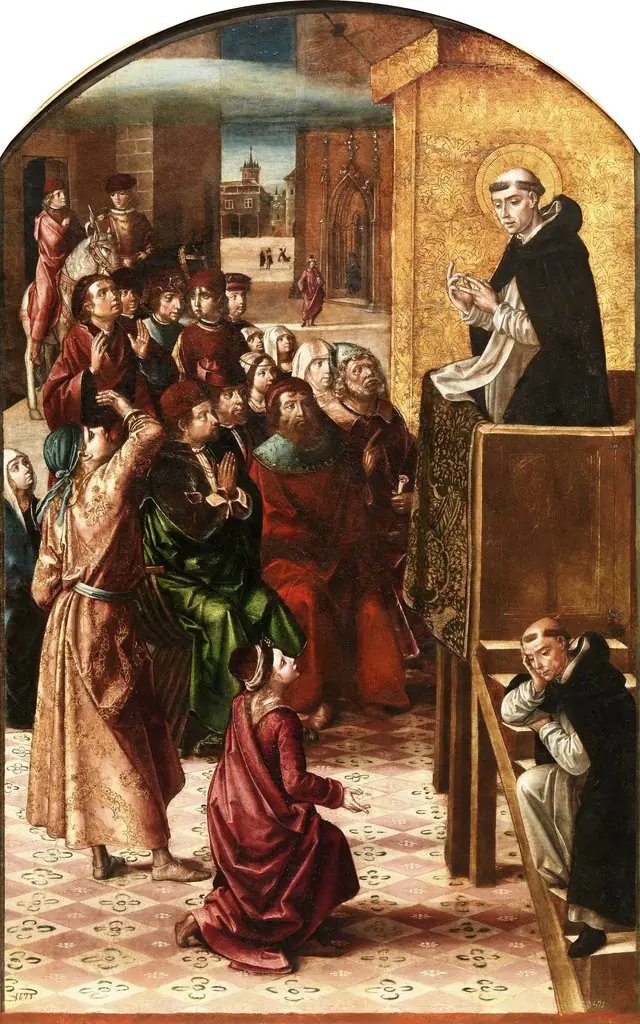
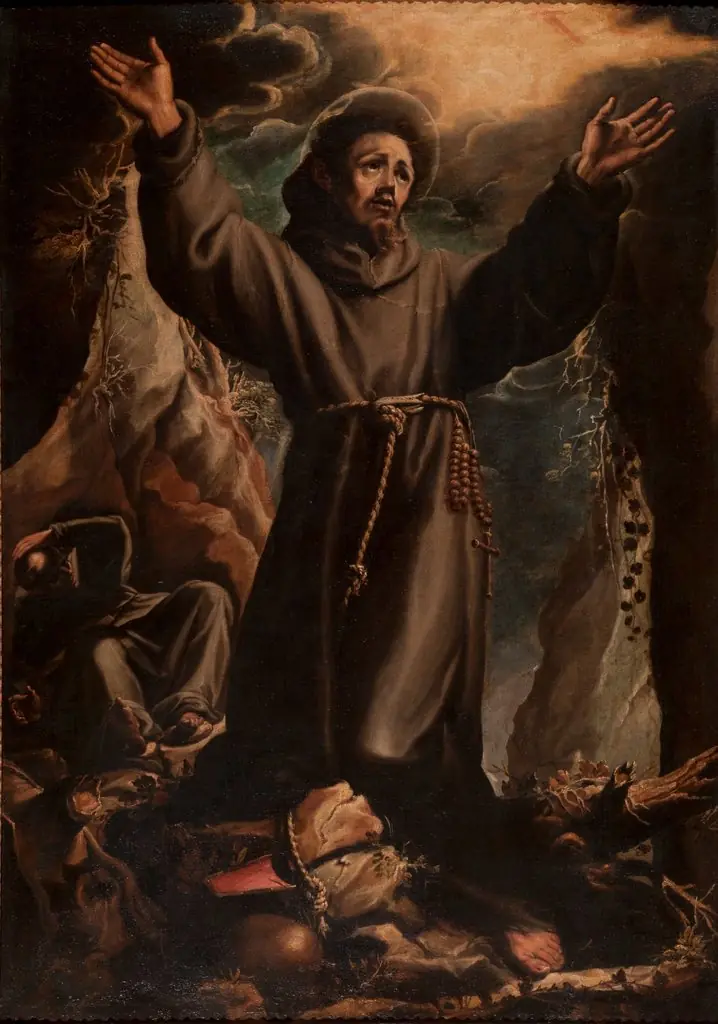
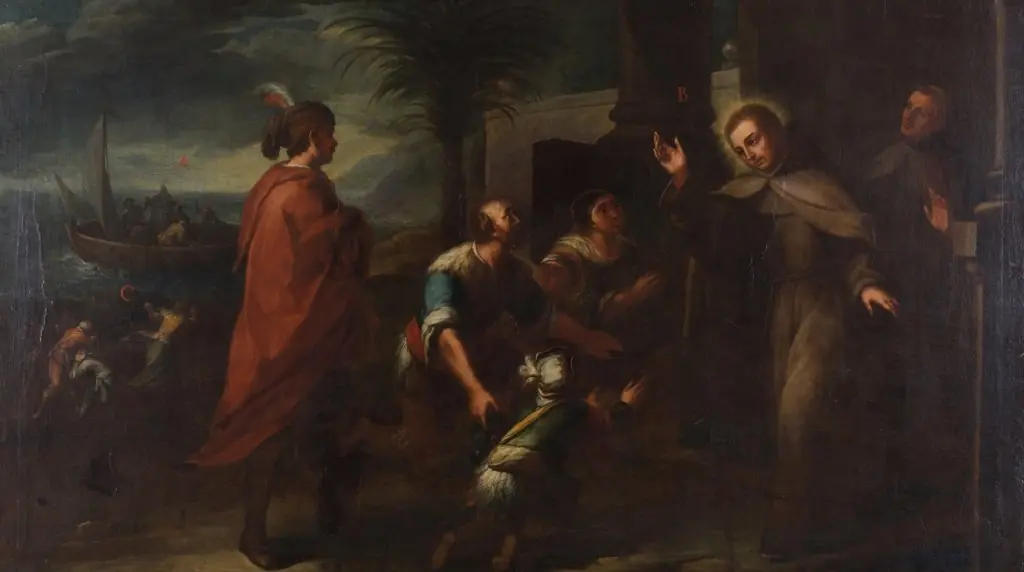
The scene portrays Saint Didacus, identified by his halo and monastic robe, extending his hand toward a sick woman and her child seated before him. Others in the background observe quietly, some in quiet attention, others disengaged. The act of healing is rendered without spectacle, emphasizing humility and faith. The composition suggests spiritual authority conveyed through quiet gesture rather than dramatic display, aligning with Counter-Reformation ideals of modest piety.
Technique & Style
De Vos employs a restrained palette of browns, grays, and muted earth tones to foster a contemplative atmosphere. Figures are rendered with careful attention to drapery and posture, though without excessive ornamentation. The lighting is even and diffused, avoiding theatrical contrasts. Background elements are softly modeled, keeping focus on the central interaction. This approach reflects a shift toward clarity and emotional restraint characteristic of post-iconoclastic religious art in Flanders.
History & Provenance
Commissioned during a period of religious reassertion in the Spanish Netherlands, the painting likely served a devotional or institutional context, possibly for a Franciscan or mendicant order. De Vos, having risen to prominence after Frans Floris’s decline, was a favored painter for ecclesiastical patrons. The work entered the Royal Museum of Fine Arts Antwerp’s collection in the 19th century, where it has remained since, preserving its original condition and attribution.
Context
Created after the Beeldenstorm, when religious imagery was destroyed across the Low Countries, this painting represents a deliberate revival of sacred narrative art under Catholic patronage. De Vos’s style accommodated both traditional iconography and emerging Mannerist influences, balancing clarity with elegance. The work aligns with broader efforts to reaffirm Catholic identity through visual storytelling, avoiding the excesses of earlier High Renaissance styles while maintaining doctrinal precision.
Legacy
Though not widely reproduced, the painting exemplifies the quiet, narrative-driven religious art that flourished in Antwerp after the iconoclastic crisis. De Vos’s ability to convey spiritual authority through understated gestures influenced later Flemish painters seeking to reconcile Counter-Reformation orthodoxy with humanist observation. Its preservation in Antwerp underscores its role as a representative work of regional ecclesiastical art in the late 16th century.
Artist & collection
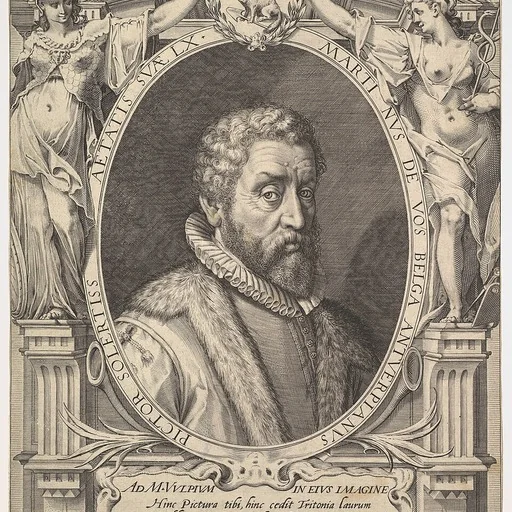
Artist
Maerten de Vos, Maerten de Vos the Elder or Marten de Vos (1532 – 4 December 1603) was a Flemish painter, known mainly for his history and allegorical paintings and portraits.