Artwork
San Diego de Alcalá en las islas Canarias
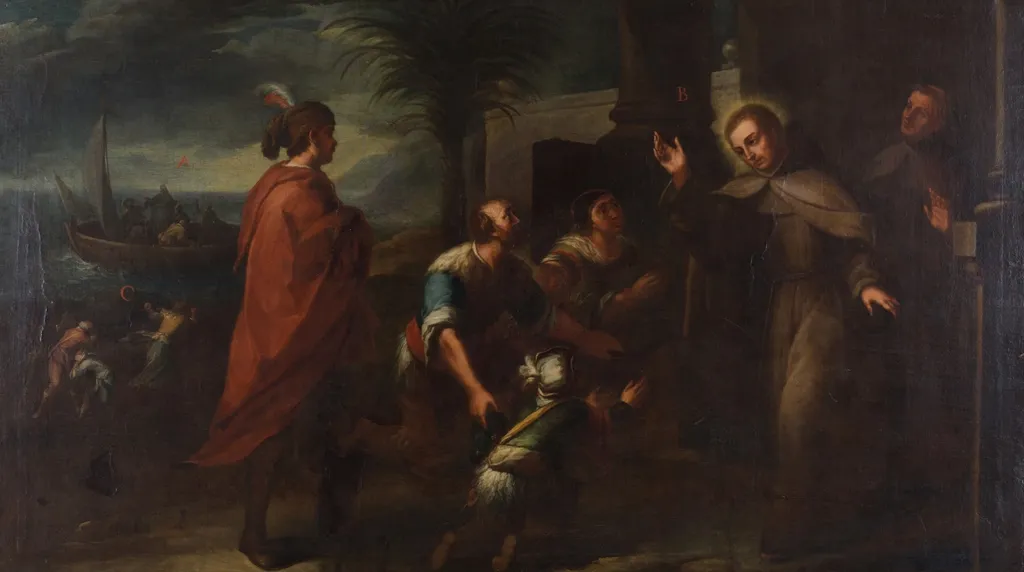
San Diego de Alcalá en las islas Canarias is an oil painting by the Rococo painting artist Juan García de Miranda. It dates from 1728 and is held in the collection of the Museo del Prado.
About this work
Overview
Painted in 1728 by Juan García de Miranda, this oil on canvas work depicts a scene tied to the veneration of Saint Didacus of Alcalá in the Canary Islands.
Painted in 1728 by Juan García de Miranda, this oil on canvas work depicts a scene tied to the veneration of Saint Didacus of Alcalá in the Canary Islands. García de Miranda, a court painter active in late Baroque Spain, produced devotional imagery for religious and royal patrons. The painting is part of the Museo del Prado’s collection and reflects the transitional style between Baroque gravity and the emerging Rococo sensibility.
Subject & Meaning
The scene portrays a moment of spiritual encounter, likely referencing the saint’s connection to the Canary Islands through missionary activity. Figures in the foreground—dressed in distinct robes—interact with gestures suggesting prayer, instruction, or witness. The distant boat and palm trees situate the event in a tropical setting, reinforcing the saint’s link to the islands. The composition emphasizes communal devotion rather than isolated sanctity.
Technique & Style
García de Miranda employed oil paint to create layered textures and subtle tonal shifts. Chiaroscuro defines the figures, drawing attention to their gestures and spatial relationships. While the brushwork retains Baroque solidity, the grouping of figures and softer lighting hint at Rococo tendencies. The landscape is rendered with loose, atmospheric strokes, balancing naturalism with symbolic distance.
History & Provenance
Commissioned during García de Miranda’s tenure as Painter to the King, the work likely served a religious institution or royal chapel. It entered the Museo del Prado’s collection in the 19th century, following the secularization of church properties. Its survival through political upheavals reflects its status as a documented ecclesiastical commission rather than a private devotional piece.
Context
In early 18th-century Spain, depictions of saints associated with overseas missions were promoted to reinforce imperial and religious identity. The Canary Islands, as a stepping stone to the Americas, held symbolic weight. This painting aligns with broader efforts to visually affirm the Church’s reach, blending local geography with hagiographic tradition to inspire piety among viewers.
Legacy
Though not widely reproduced, the painting remains a representative example of Spanish court religious art during the transition from Baroque to Rococo. It illustrates how devotional imagery adapted to regional narratives while maintaining formal conventions. Its presence in the Prado ensures continued scholarly attention to regional interpretations of saintly subjects in Spain’s peripheries.
Artist & collection
Artist
Juan García de Miranda (1677–1749), was a Spanish painter of the baroque period, a disciple of Juan Delgado and the uncle of Pedro Rodríguez de Miranda.

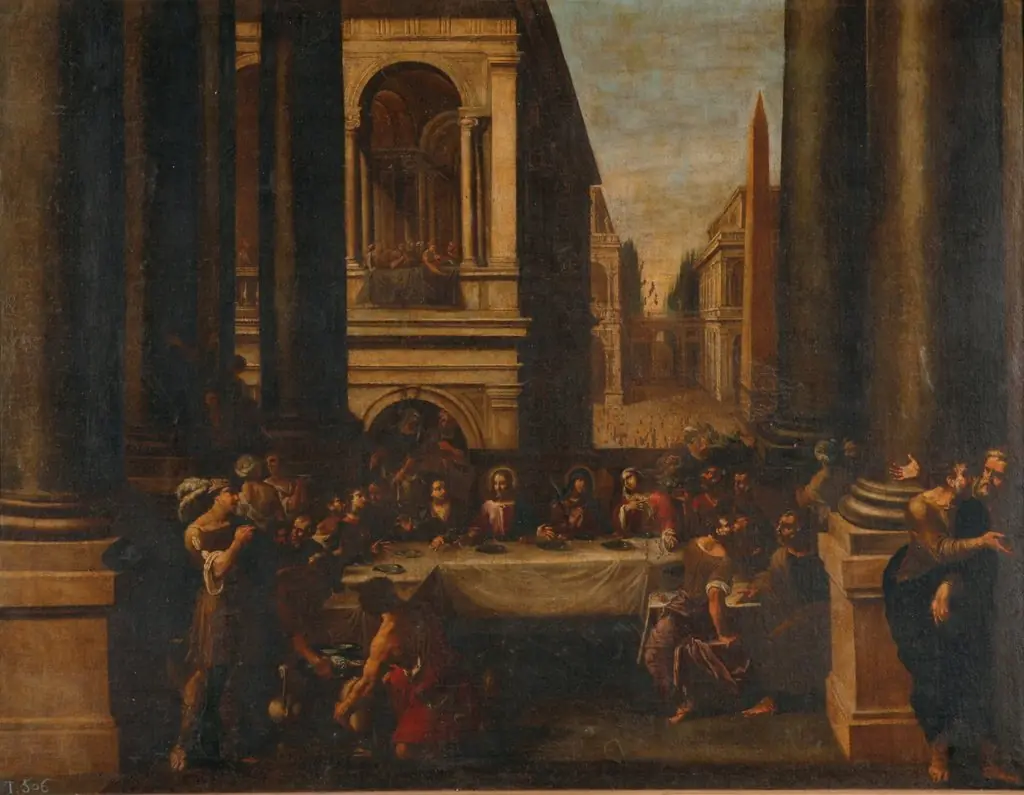 The marriage at Cana
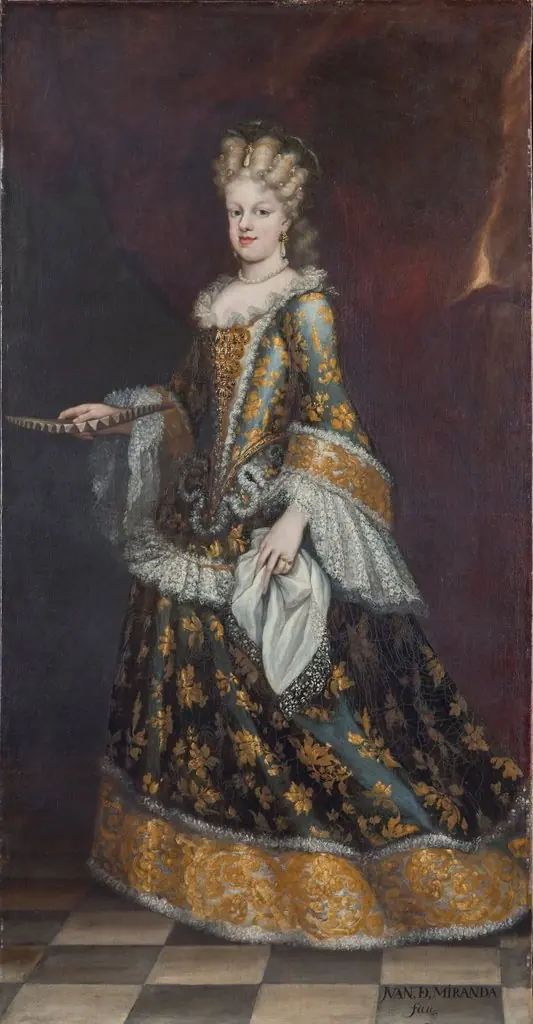 María Luisa Gabriela de Saboya primera esposa de Felipe V
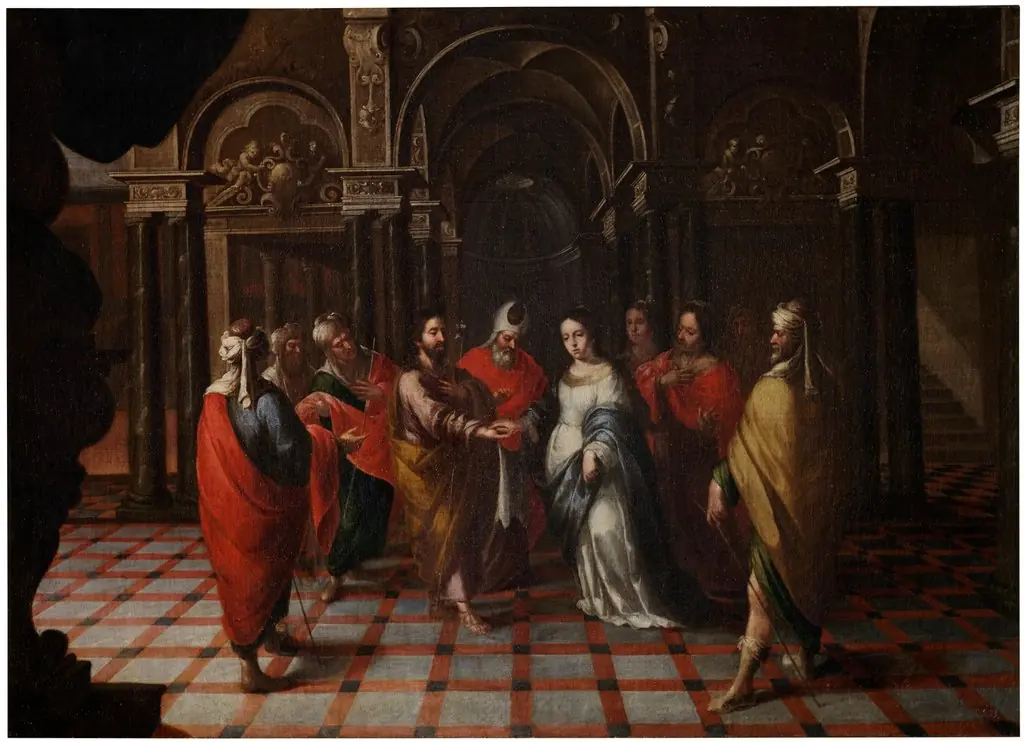 The Betrothal of the Virgin
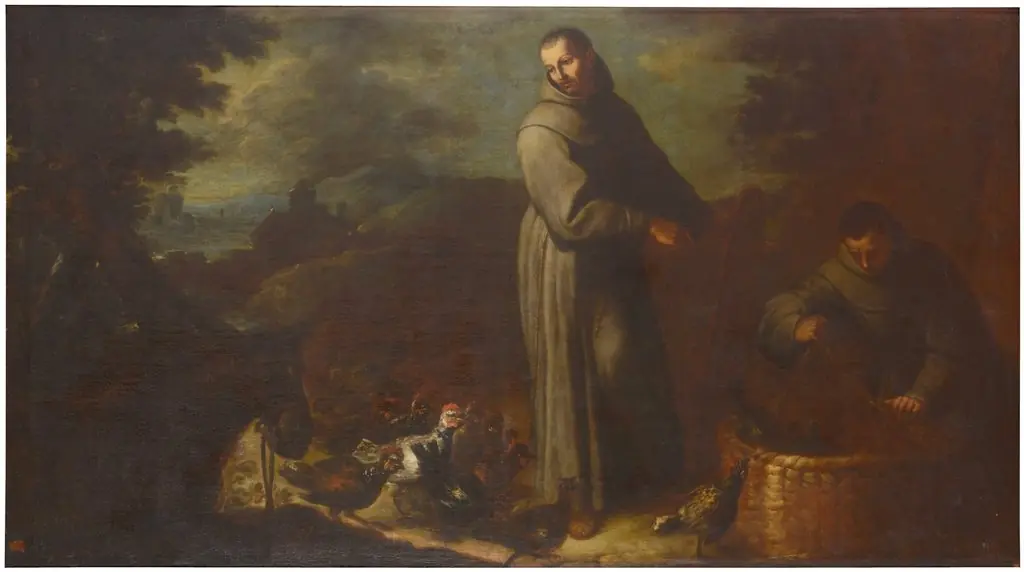 Escena de la vida de San Diego (San Diego y un fraile sacando pollos de un cesto)
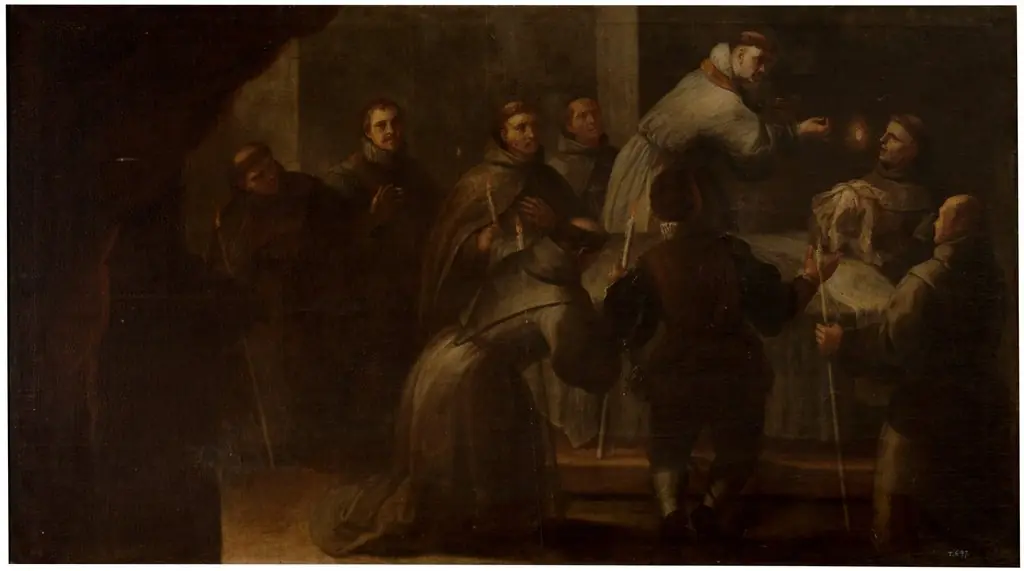 La última comunión de San Diego de Alcalá
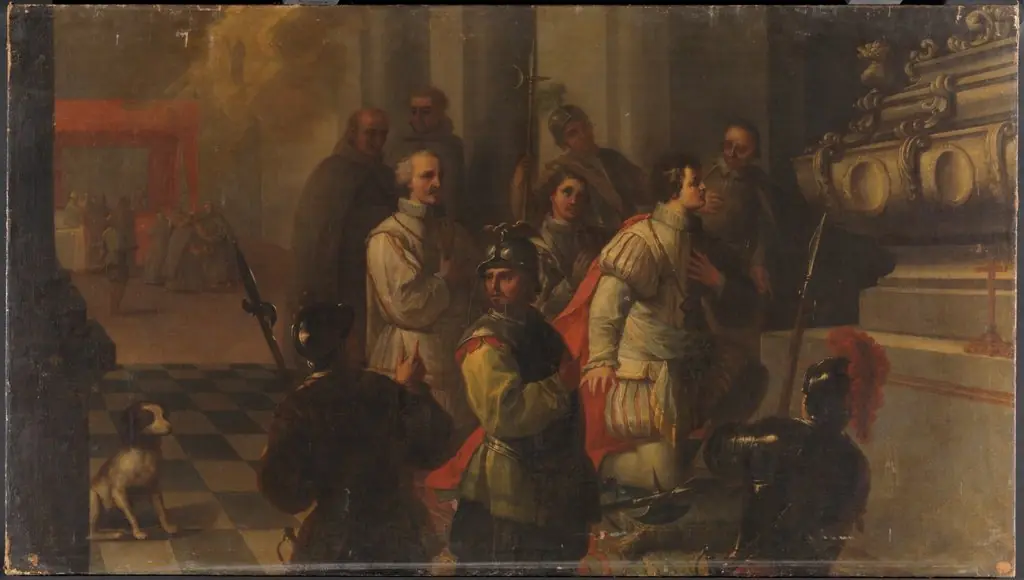 Curación y acción de gracias del príncipe don Carlos. Serie de la Vida de San Diego de Alcalá
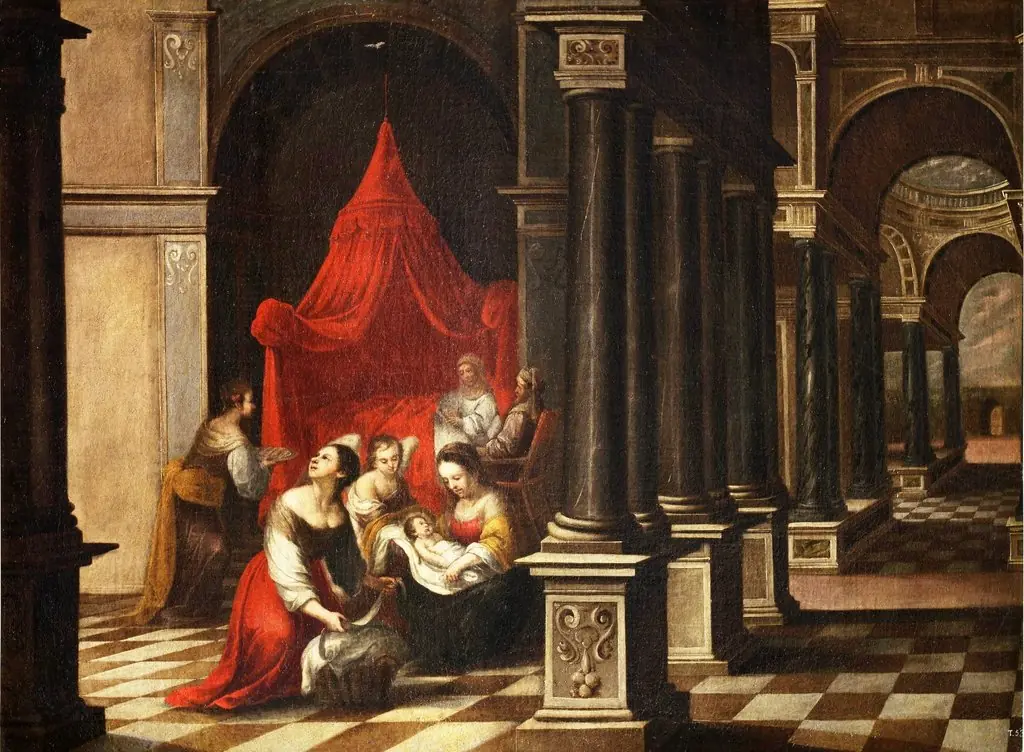 The Birth of the Virgin
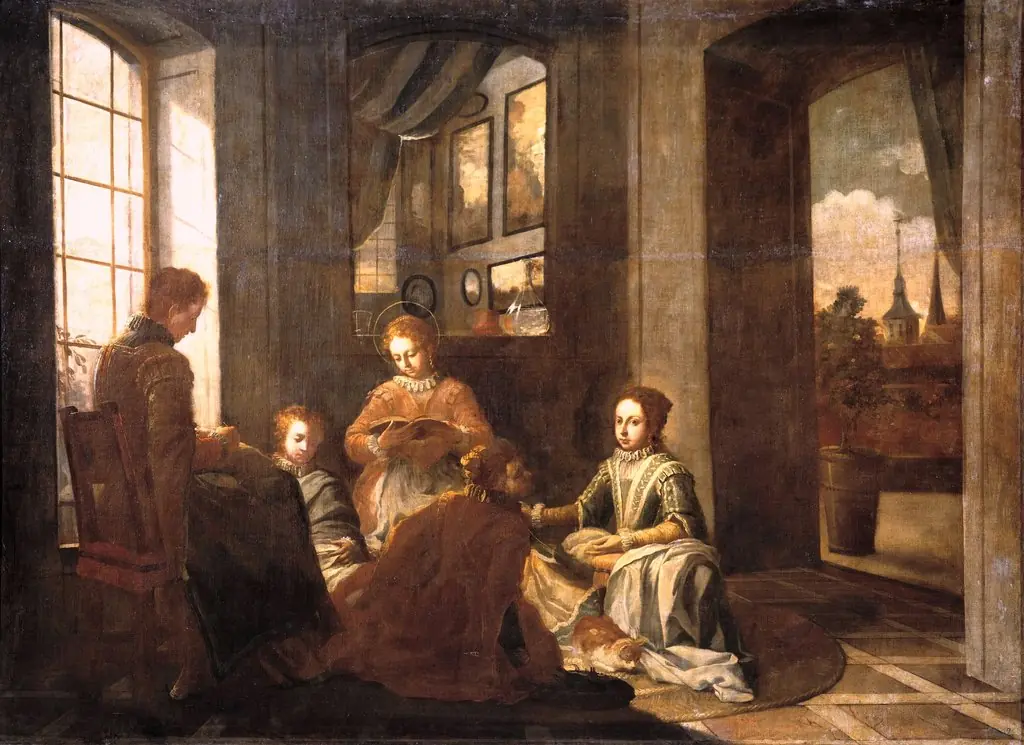 The Education of Saint Theresa
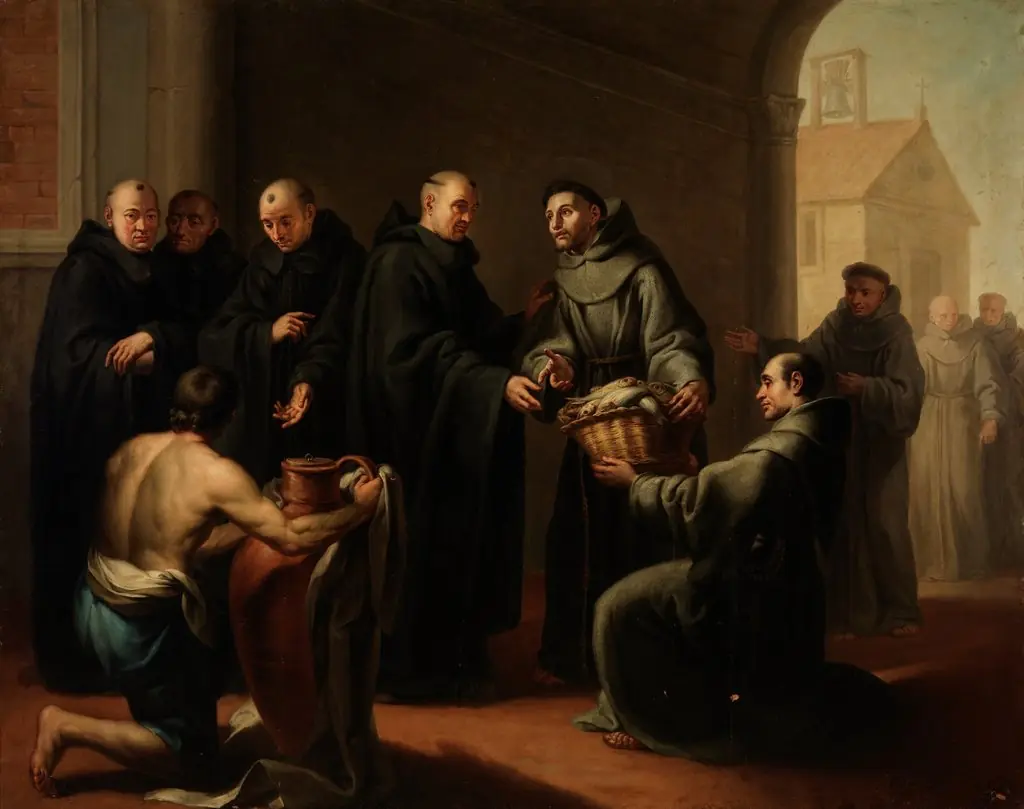 San Francisco recibiendo un cesto de peces
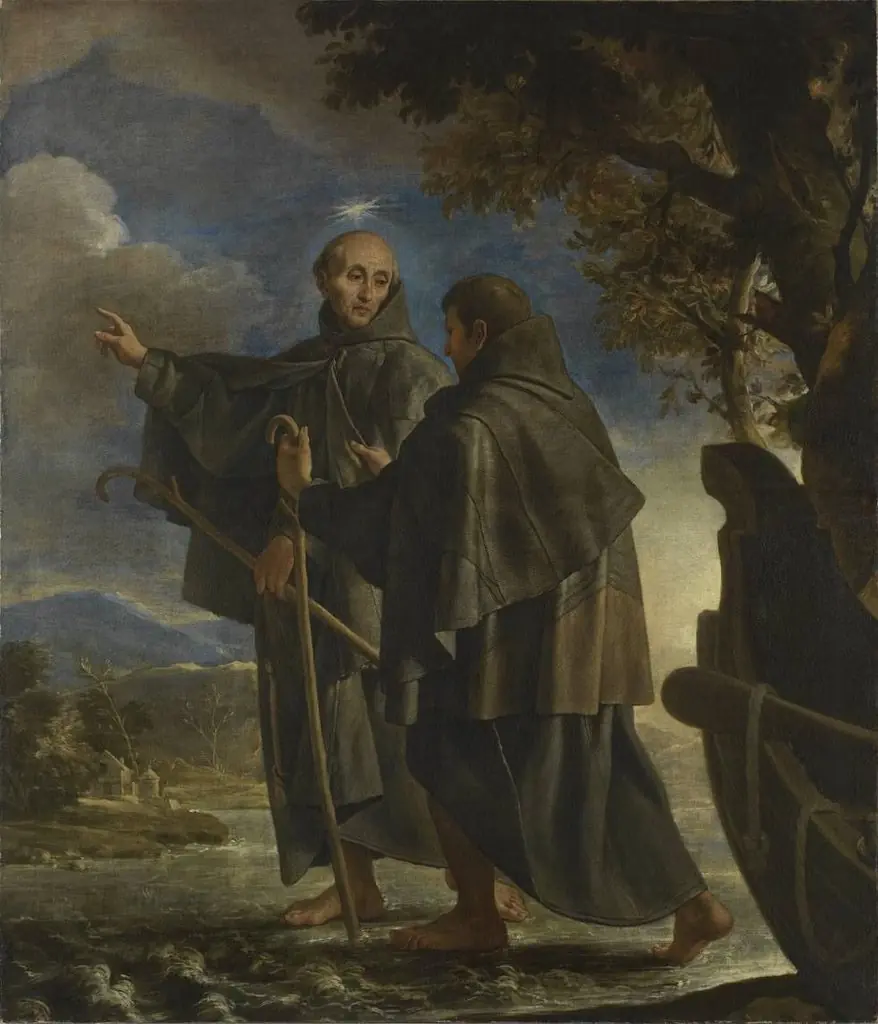 Der hl. Petrus von Alcántara wandelt über den Fluss Quadiana
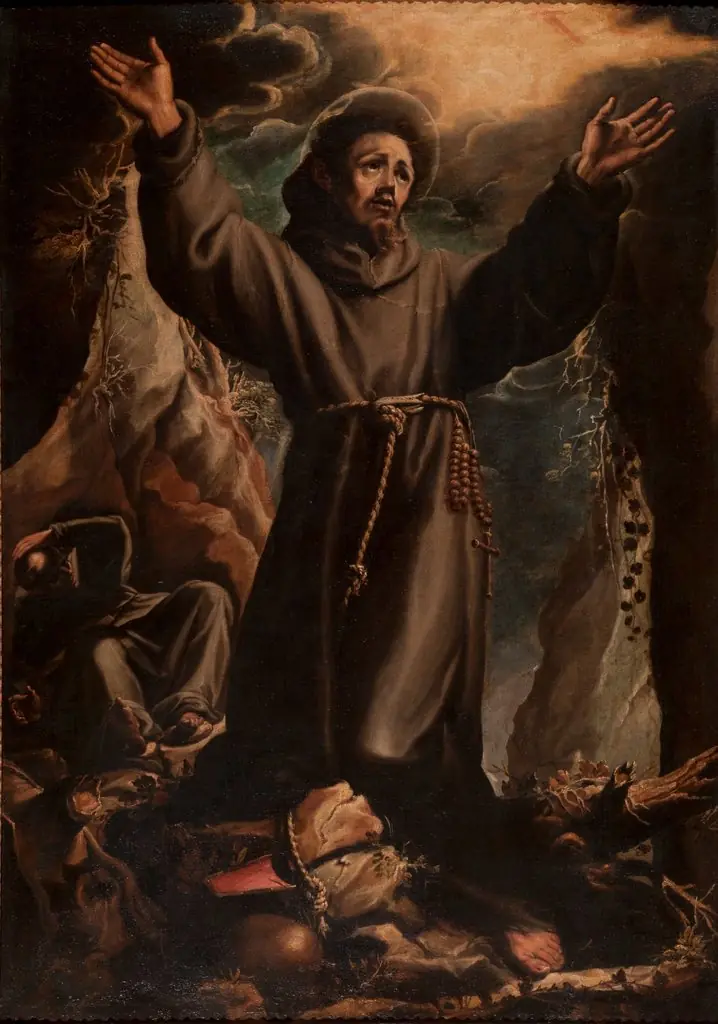 San Francisco recibiendo los estigmas
 The Miracle of Saint John of Capestrano
 The Vision of the Blessed Sebastián Aparicio
 Saint Didacus Heals the Sick
 Saint Anthony of Padua
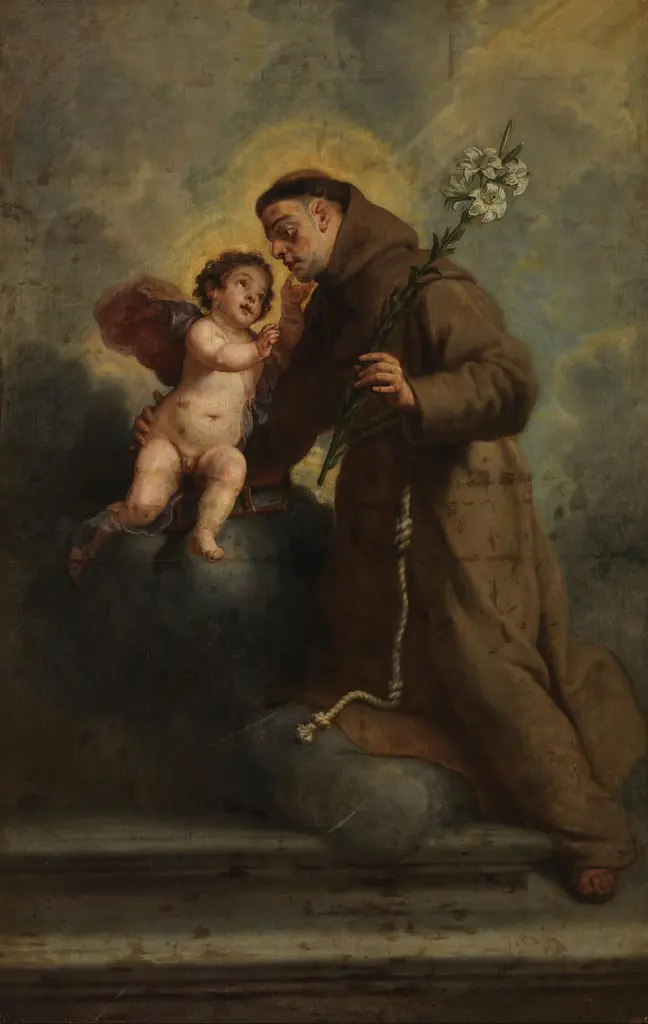 Saint Anthony of Padua with the Infant Christ