Artwork
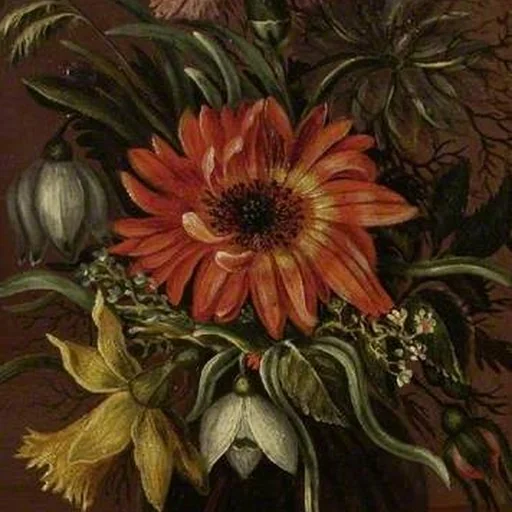
Flowers in a Glass Vase
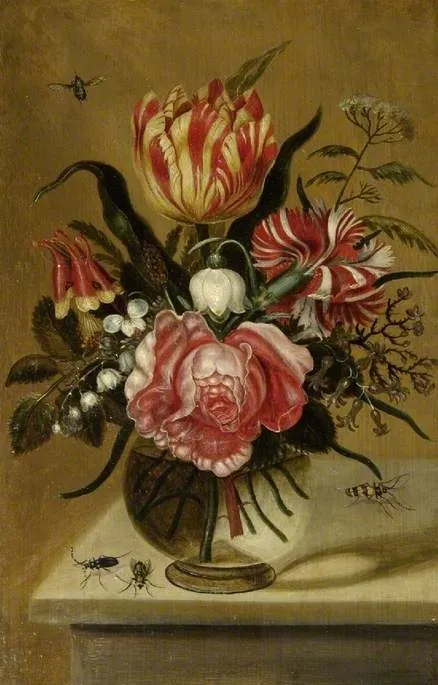
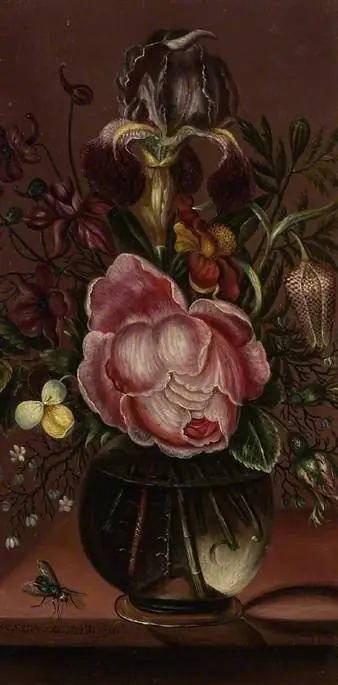
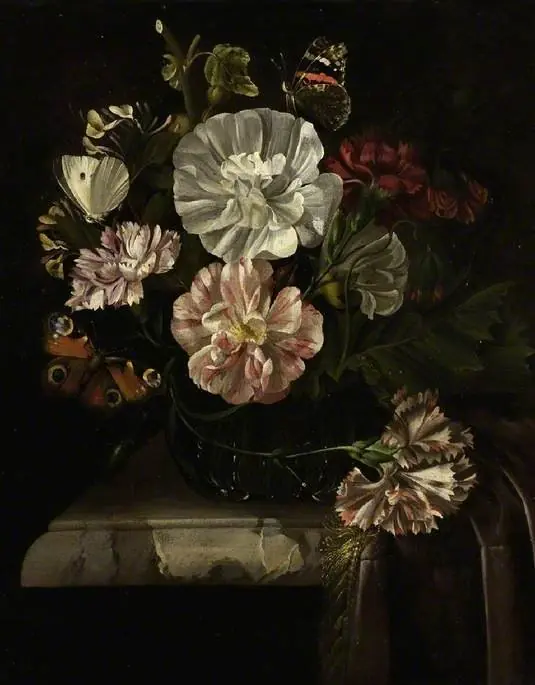
Flowers in a Glass Vase is an oil painting by Magdalena van den Hecken. It dates from 1635 and is held in the collection of the Fitzwilliam Museum.
About this work
Overview
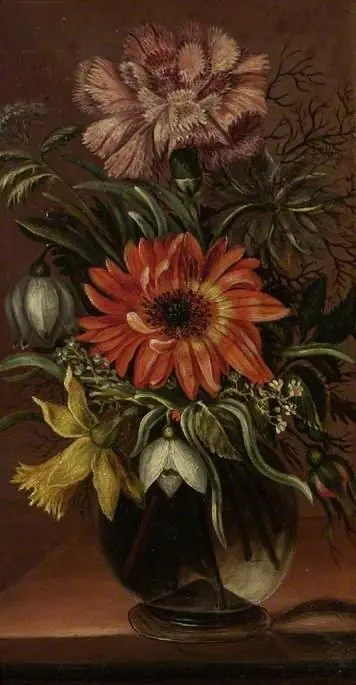
Created in 1635, this oil painting by Magdalena van den Hecken presents a still‑life composition centered on a glass vase brimming with an informal bouquet. The work is part of the Fitzwilliam Museum’s collection and measures the quiet elegance of a domestic interior through its restrained palette and careful observation of natural detail.
Subject & Meaning
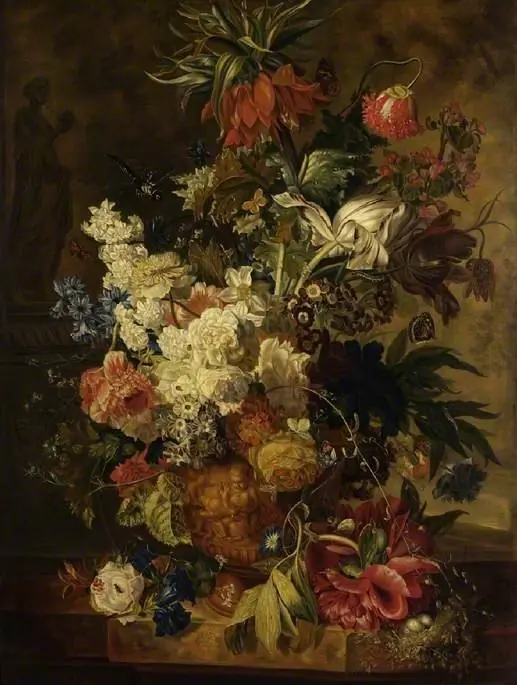
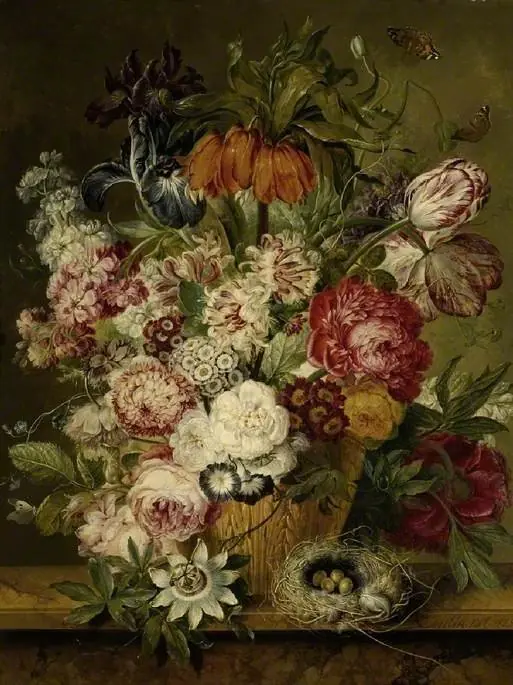
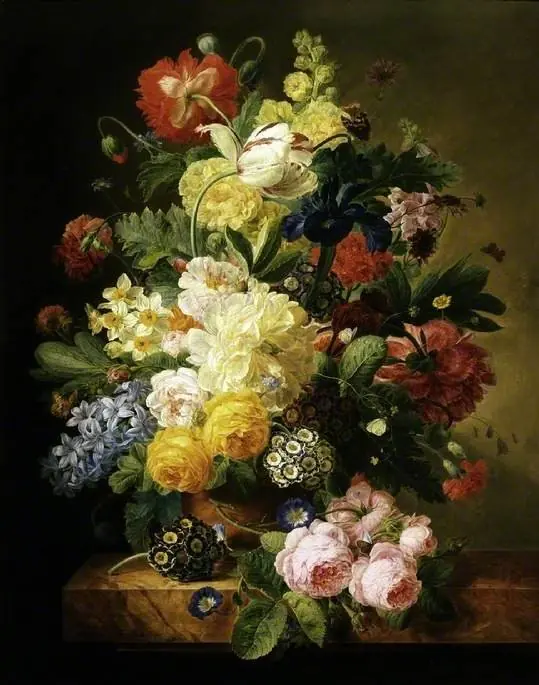
The vase contains a mixed selection of tulips, roses and lilies rendered in pink, red and white hues. Their loose, organic arrangement, together with a bee and a butterfly hovering nearby, suggests a fleeting moment of nature’s vitality captured within a controlled interior space, inviting contemplation of transience and calm.
Technique & Style
Van den Hecken employs a smooth oil application that models the translucency of glass and the delicate petals with subtle chiaroscuro. The muted brown background recedes, allowing the bright floral colors and the insects to emerge with clarity, while fine brushwork conveys the texture of each bloom and the sheen of the vase.
History & Provenance
The painting has been housed in the Fitzwilliam Museum since its acquisition, though earlier ownership records are sparse. Its attribution to van den Hecken, a Dutch painter active in the early 17th century, rests on stylistic analysis and documented signatures linking it to her known oeuvre.
Context
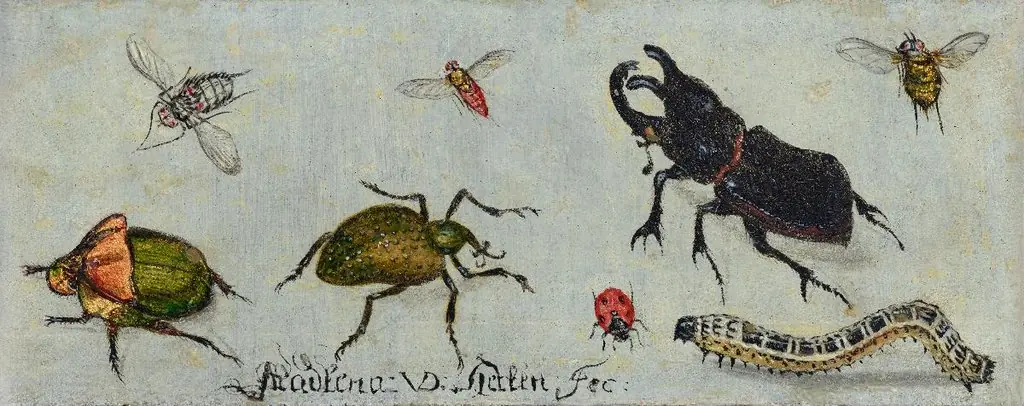
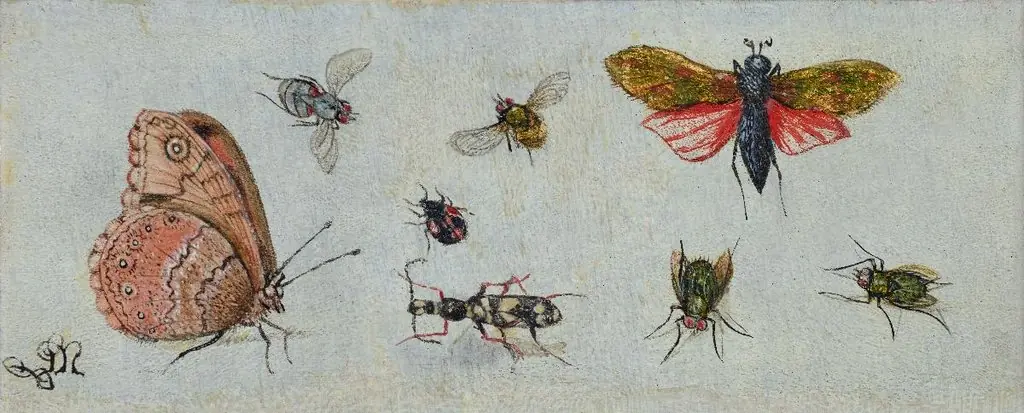
Executed during the Dutch Golden Age, the work reflects contemporary interest in botanical accuracy and the symbolic language of flowers. The inclusion of insects aligns with the period’s fascination with natural history, while the domestic setting mirrors the genre of still‑life paintings that celebrated everyday beauty.
Artist & collection
Artist
Magdalena van den Hecken (1615–1650) was an artist, born in Antwerp.