Artwork
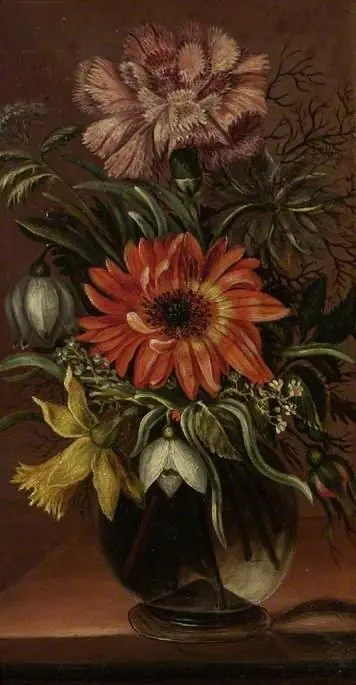
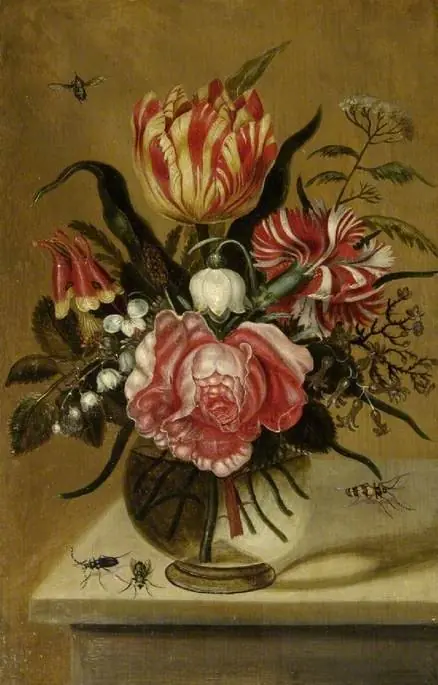
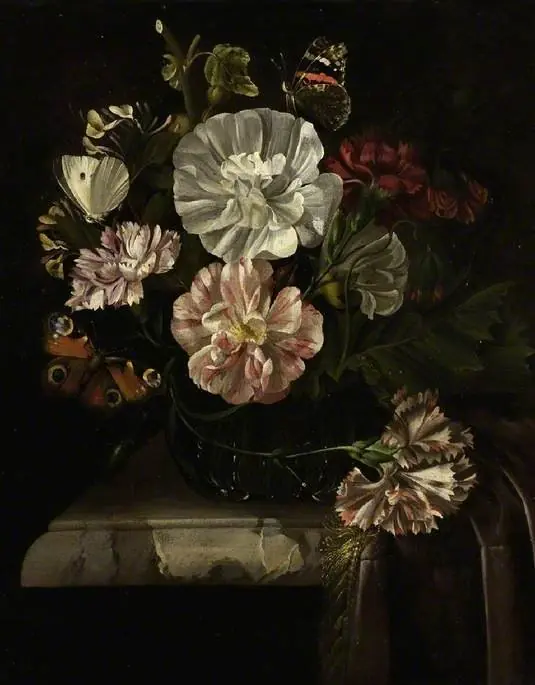
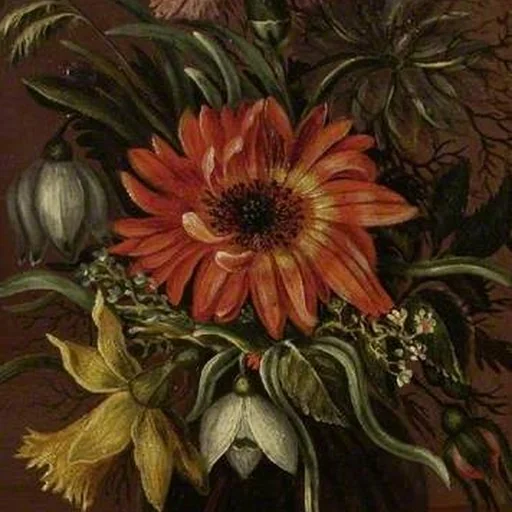
Flowers in a glass vase
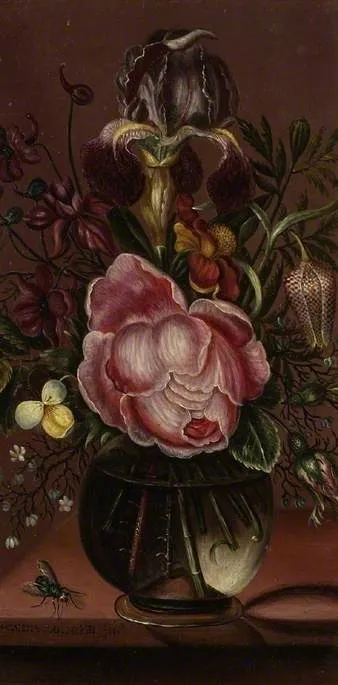
Flowers in a glass vase is an oil painting by the Dutch Golden Age artist Magdalena van den Hecken. It dates from 1635 and is held in the collection of the Fitzwilliam Museum.
About this work
Overview
Painted in 1635, this oil still life by Magdalena van den Hecken presents a modest yet carefully composed arrangement of cut flowers in a dark glass vessel.
Painted in 1635, this oil still life by Magdalena van den Hecken presents a modest yet carefully composed arrangement of cut flowers in a dark glass vessel. The work belongs to the Dutch tradition of floral painting, where natural detail and quiet observation were valued over grandeur. It is held in the collection of the Fitzwilliam Museum in Cambridge, where it remains one of the few surviving works by this lesser-known female artist of the period.
Subject & Meaning
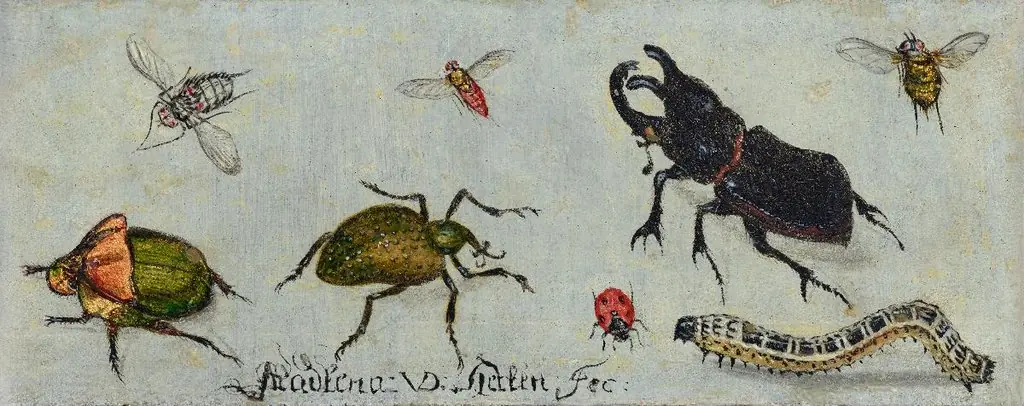
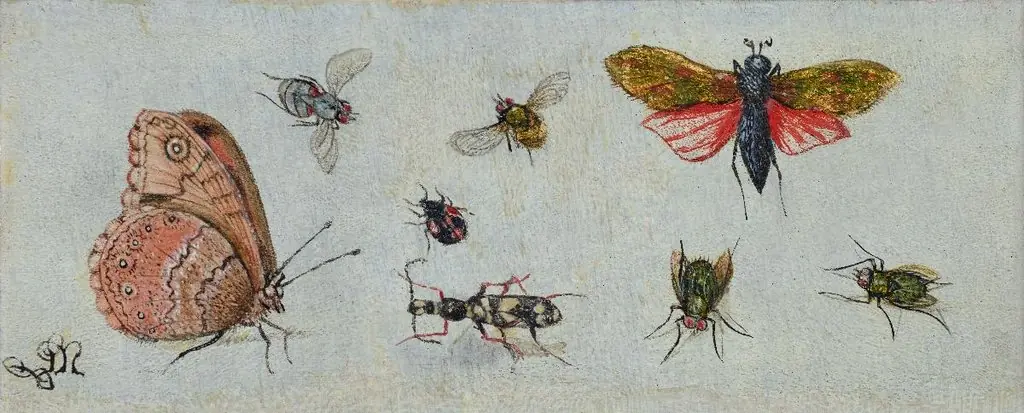
The arrangement includes a prominent pink rose, a tall purple iris, and smaller white and yellow blossoms, accompanied by green foliage and scattered berries. A single fly rests on the table beside the vase, a subtle reminder of transience. These elements reflect the vanitas theme common in Dutch still lifes—beauty and life are fleeting, even in their most vibrant forms. The composition avoids overt symbolism, instead inviting quiet contemplation of nature’s ephemeral grace.
Technique & Style
Van den Hecken employs precise brushwork to render the texture of petals, the sheen of glass, and the delicate curve of stems. Light falls selectively, enhancing the translucency of petals and the depth of the vase’s dark interior. The background is nearly black, heightening the contrast and drawing focus to the luminous colors. This use of chiaroscuro, though restrained, demonstrates a sophisticated understanding of how light defines form and volume in still life.
History & Provenance
The painting was created during the height of Dutch still life production, a time when floral arrangements were popular subjects among both male and female artists. Van den Hecken, active in Haarlem, was one of the few women documented as producing such works. The painting entered the Fitzwilliam Museum’s collection in the 19th century, likely through a private acquisition, and has remained there since, offering rare insight into the contributions of women in early Dutch painting.
Context
In 17th-century Holland, still life painting flourished as a genre reflecting civic pride, scientific curiosity, and moral reflection. Floral arrangements were not merely decorative; they signaled wealth, knowledge of botany, and awareness of mortality. Female artists like van den Hecken often worked within domestic spheres, producing intimate compositions that avoided the grandeur of history painting yet demanded equal technical skill and perceptiveness.
Legacy
Though little known during her lifetime, van den Hecken’s work contributes to a broader recognition of women’s roles in Dutch Golden Age art. This painting, with its quiet precision and sensitivity to natural detail, stands as a testament to the skill of artists who operated outside the mainstream. It continues to inform scholarly interest in gender, genre, and the quiet aesthetics of early modern still life.
Artist & collection
Artist
Magdalena van den Hecken (1615–1650) was an artist, born in Antwerp.