Artwork
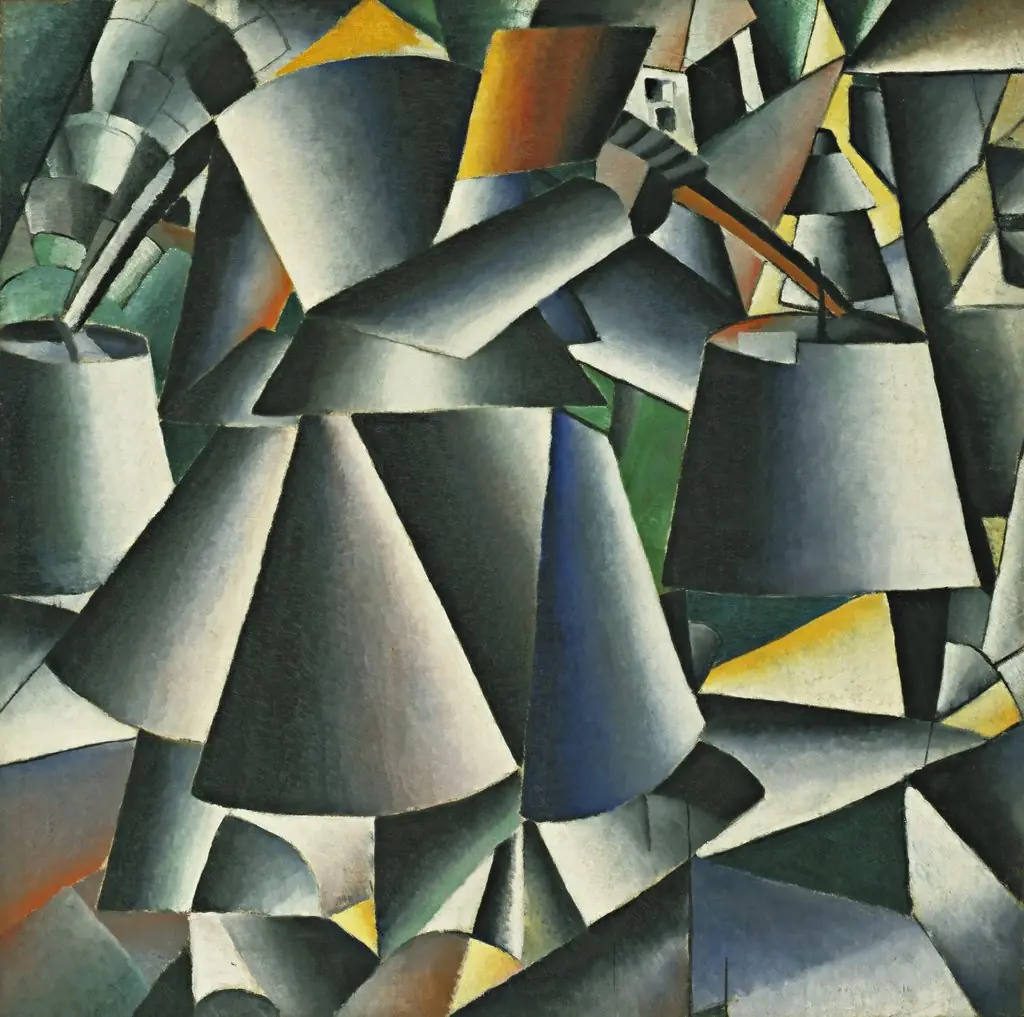
A Peasant Woman Goes for Water
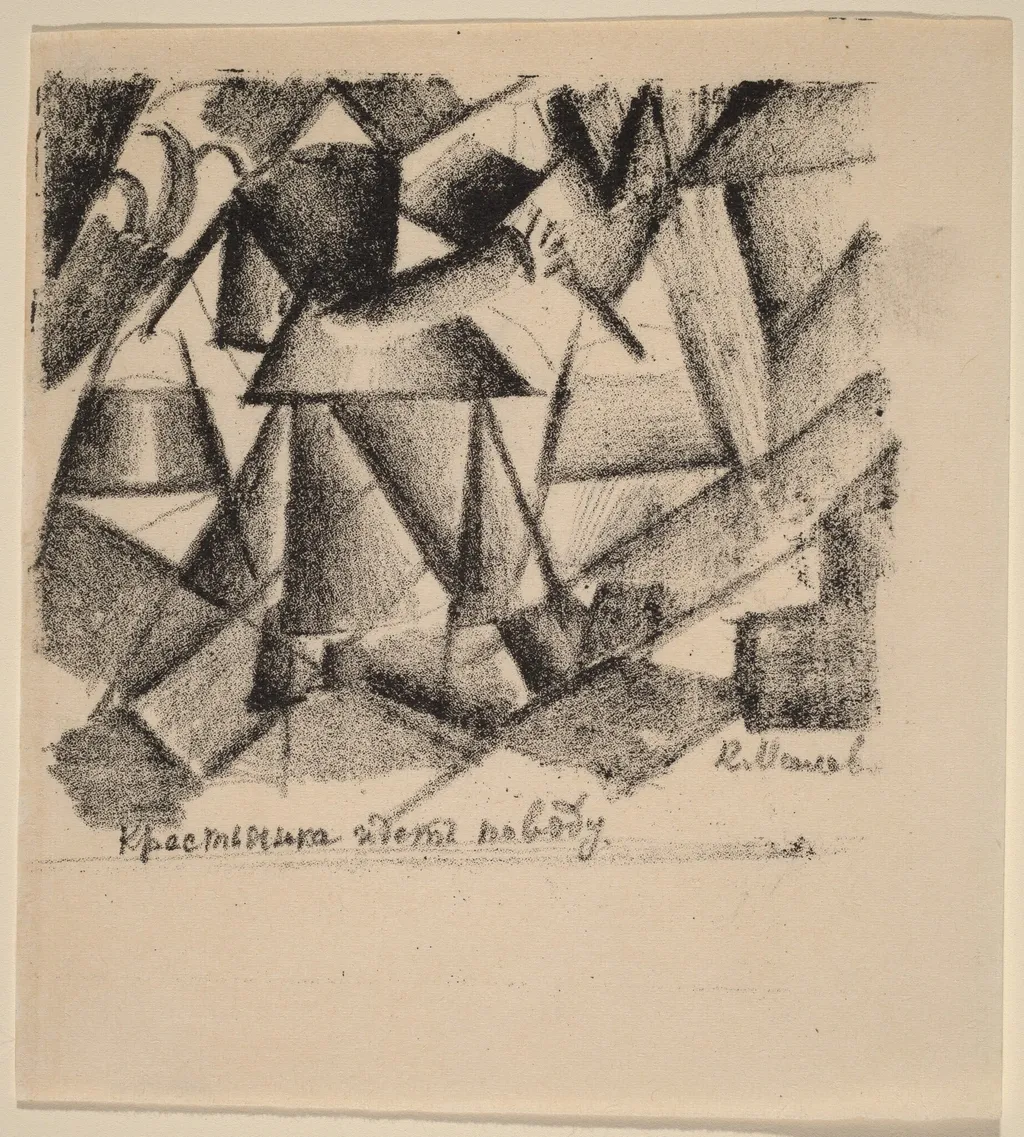
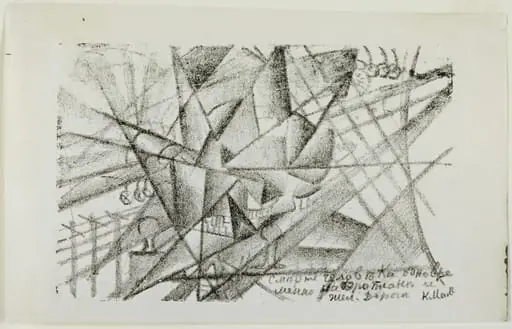
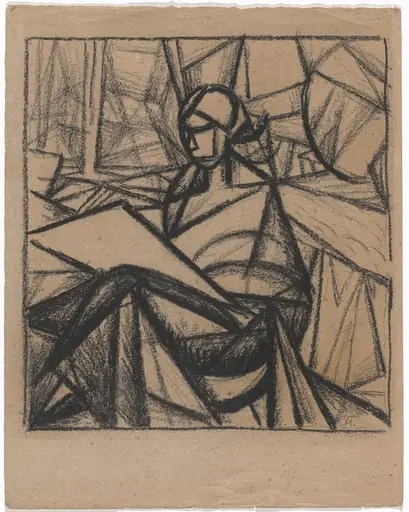
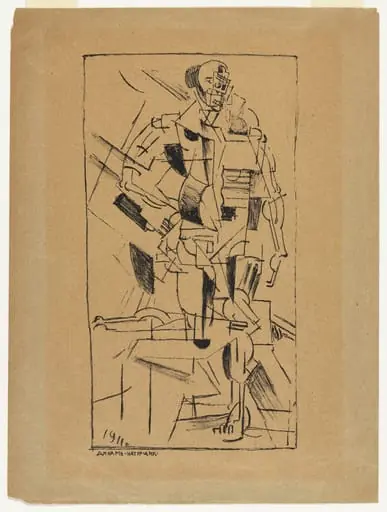
A Peasant Woman Goes for Water is an ink print by Kazimir Malevich. It dates from 1913 and is held in the collection of the National Gallery of Art.
About this work
Overview
Created in 1913, this lithograph by Kazimir Malevich captures a rural woman carrying water, rendered in stark black ink on white wove paper.
Created in 1913, this lithograph by Kazimir Malevich captures a rural woman carrying water, rendered in stark black ink on white wove paper. It belongs to a phase of his career before he fully embraced abstraction, yet already shows a departure from naturalism. The work reflects the broader Russian avant-garde interest in simplifying form and elevating everyday subjects through modern graphic means.
Subject & Meaning
The figure is a peasant woman, depicted in motion with a bucket, her posture grounded and unidealized. Her clothing—a long skirt, blouse, and headscarf—signals rural life in early 20th-century Russia. The image avoids sentimentality, instead presenting her as a structural element within a composed space. Her turned head introduces subtle tension, suggesting awareness beyond the immediate task.
Technique & Style
Malevich used lithography, a process allowing direct drawing on stone, to achieve sharp, bold contours. The composition relies on strong black lines against the paper’s white ground, eliminating gradation and texture. Background elements are reduced to abstract geometric patterns, hinting at landscape without describing it. This graphic economy aligns with contemporary modernist efforts to distill form to its essence.
History & Provenance
Produced during Malevich’s transitional period, this print emerged alongside other experimental works as he moved from folk-inspired realism toward pure abstraction. It was likely made for limited circulation among avant-garde circles, not mass reproduction. Its survival as a single-sheet print reflects its status as a study or artistic exploration rather than a commercial product.
Context
In 1913, Russian artists were redefining visual language, rejecting academic norms in favor of primal forms and symbolic simplification. Malevich’s work here resonates with the influence of folk art and Cubo-Futurism, both of which sought to merge traditional subjects with radical structure. This print stands as a bridge between rural imagery and the abstract language he would soon pioneer.
Legacy
Though overshadowed by his later Suprematist works, this lithograph reveals the roots of Malevich’s formal innovations. Its reduction of the human figure to essential lines and its integration of pattern into figure-ground relationships prefigure key Suprematist principles. It remains a significant document of how modernist abstraction emerged from observation of everyday life.
Artist & collection
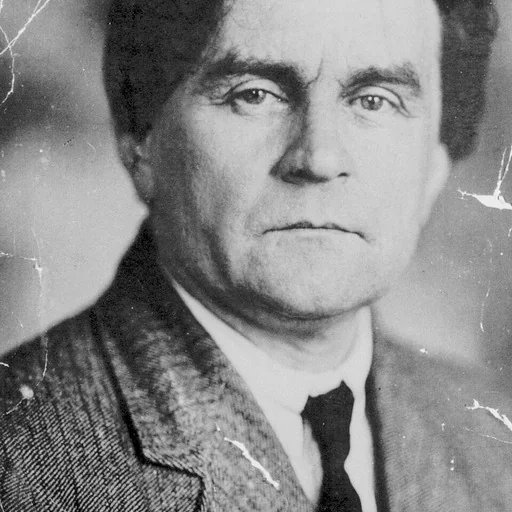
Artist
Kazimir Severinovich Malevich (23 February 1879 – 15 May 1935) was a Russian avant-garde artist and art theorist, whose work and writings pioneered the development of abstract painting in the 20th century.