Artwork
Untitled
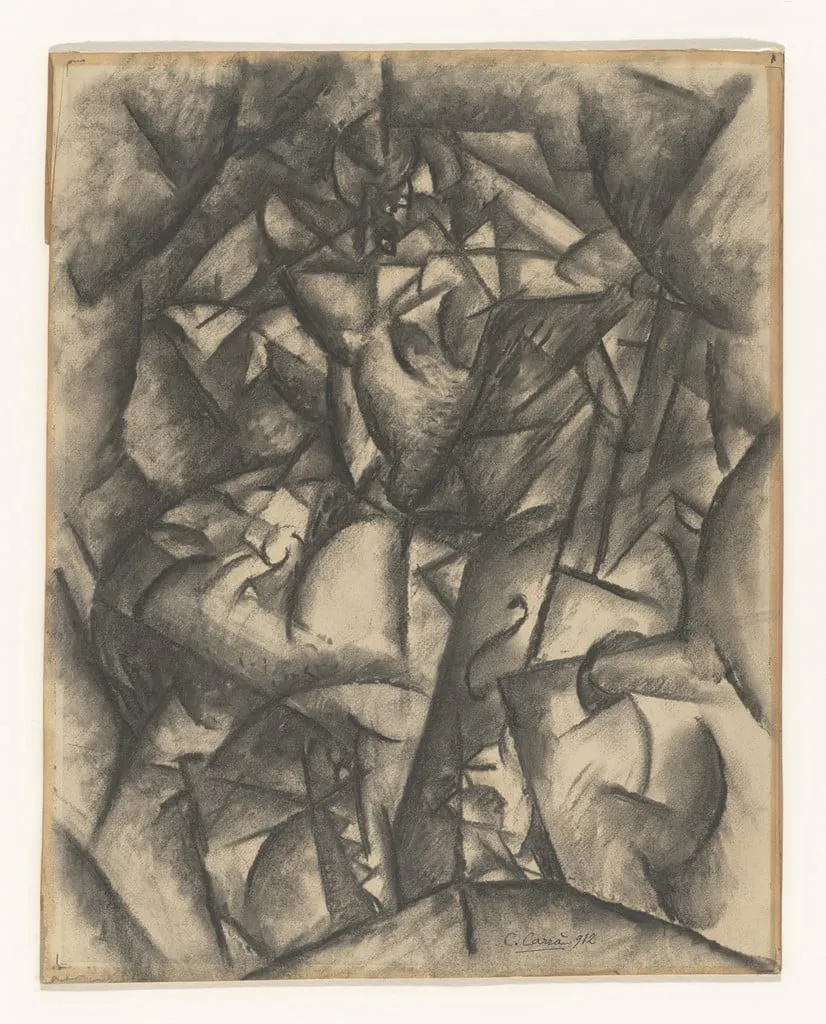
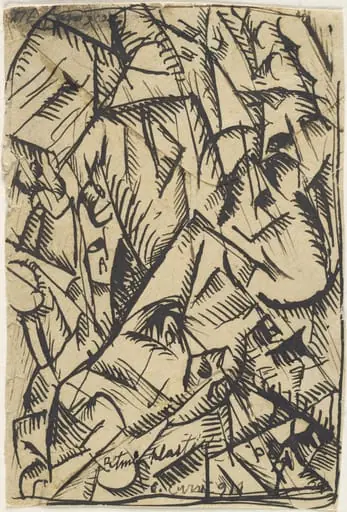
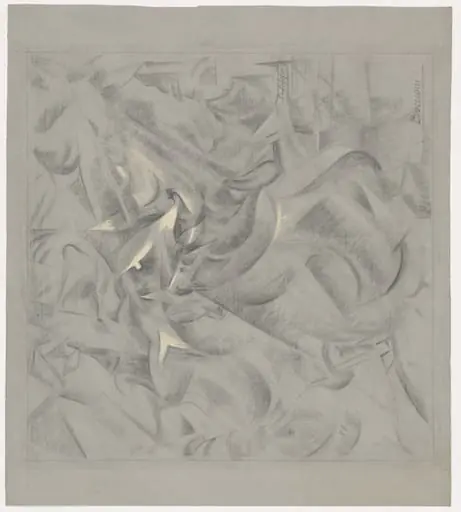
Untitled is a charcoal drawing by Carlo Carrà. It dates from 1912 and is held in the collection of the Museum of Modern Art.
About this work
A few lumpy forms stand out—maybe a person’s head, a hand, and some rounded objects—but they’re all broken into jagged pieces.
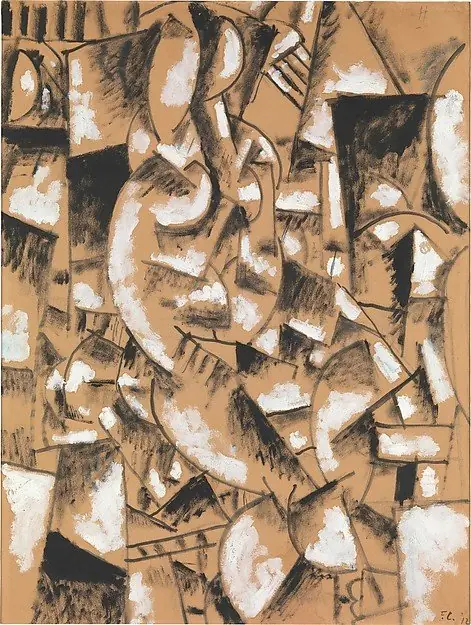
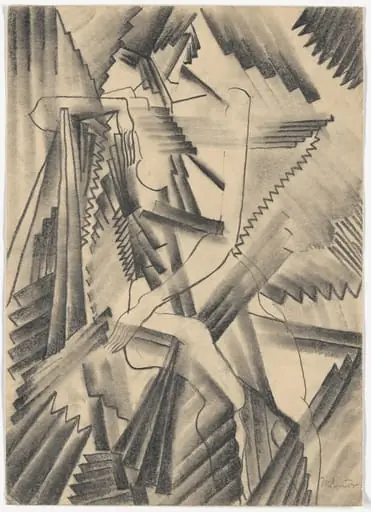
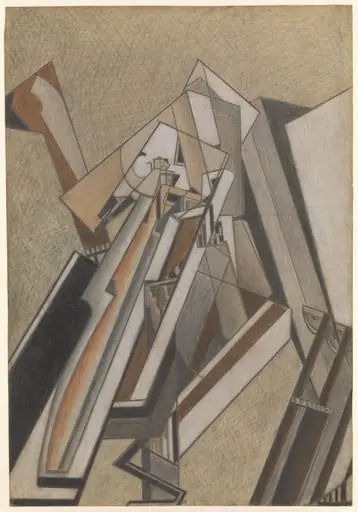
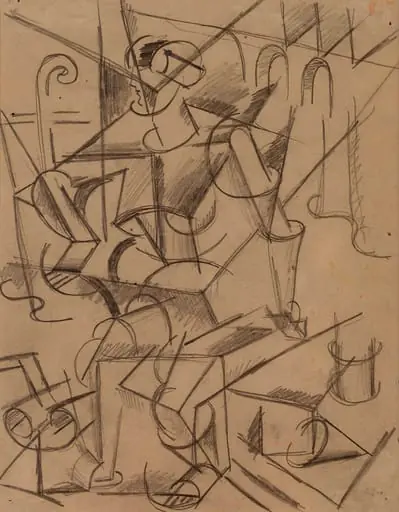
This drawing looks like a tangled mess of sharp-edged shapes. A few lumpy forms stand out—maybe a person’s head, a hand, and some rounded objects—but they’re all broken into jagged pieces. The lines are thick and scratchy, with some areas left light and others heavily shaded. The whole thing feels rough and unfinished, like the artist was still working it out.
The way the charcoal is layered makes the drawing look almost three-dimensional, with some parts popping forward. The signature in the corner says "C. Carrà '12," which might mean it’s from 1912.
If you like this style, check out the technique called scumbling.
Overview
Created in 1912, this charcoal drawing by Carlo Carrà reflects his engagement with Futurist principles during a period of intense experimentation. Executed on paper, the work captures motion and fragmentation through aggressive mark-making. Its raw, unpolished appearance suggests a focus on process over finish, aligning with Futurism’s interest in dynamism and the breakdown of traditional form.
Subject & Meaning
The drawing resists clear narrative, instead presenting abstracted fragments that may suggest a human figure—partial head, hand, or limb—dissolved into angular shards. These forms evoke movement and disintegration rather than representation, reflecting Futurism’s fascination with speed, mechanical energy, and the instability of perception. The ambiguity invites interpretation without anchoring meaning to a single subject.
Technique & Style
Carrà employed thick, layered charcoal strokes to build texture and depth, using heavy shading alongside areas of untouched paper to create contrast and spatial tension. The scratchy, uneven lines and scumbled surfaces produce a sense of physicality, as if the image is emerging from or receding into the paper. The technique avoids smooth transitions, emphasizing abruptness and energy over refinement.
History & Provenance
This work dates from 1912, a pivotal year in Carrà’s career as he transitioned from early Futurist experimentation toward more structured compositions. Signed and dated by the artist, it belongs to a series of drawings made during his active involvement with the movement’s core group. Its survival as a standalone sheet suggests it was preserved as a study or independent work rather than a preparatory sketch.
Context
In 1912, Carrà was immersed in the Futurist circle centered in Milan, influenced by Marinetti’s manifestos and the group’s rejection of static art. This drawing aligns with contemporaneous works by Boccioni and Severini, which sought to depict motion through fractured forms. Unlike later figurative phases, this piece embodies the movement’s radical early phase, prioritizing sensation over legibility.
Legacy
Though less known than Carrà’s paintings, this drawing exemplifies his contribution to Futurist graphic practice. Its emphasis on materiality and process influenced later Italian modernists interested in expressive drawing. The work remains a key example of how Futurism extended beyond painting into the intimate, immediate medium of paper, shaping the trajectory of 20th-century experimental drawing.
Artist & collection
Artist
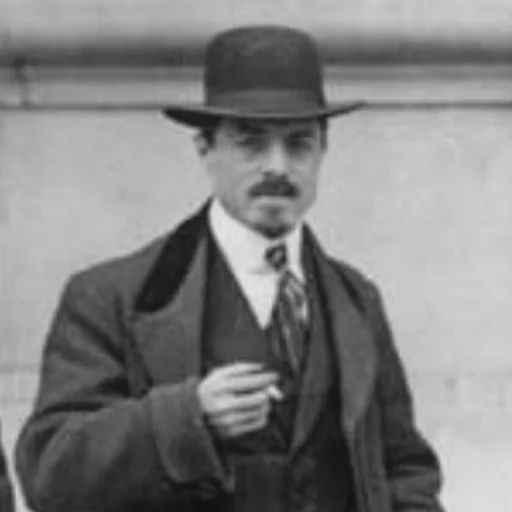
Carlo Carrà (Italian: ; February 11, 1881 – April 13, 1966) was an Italian painter and a leading figure of the Futurist movement that flourished in Italy during the beginning of the 20th century.