Artwork
At the Prado (Au Prado)
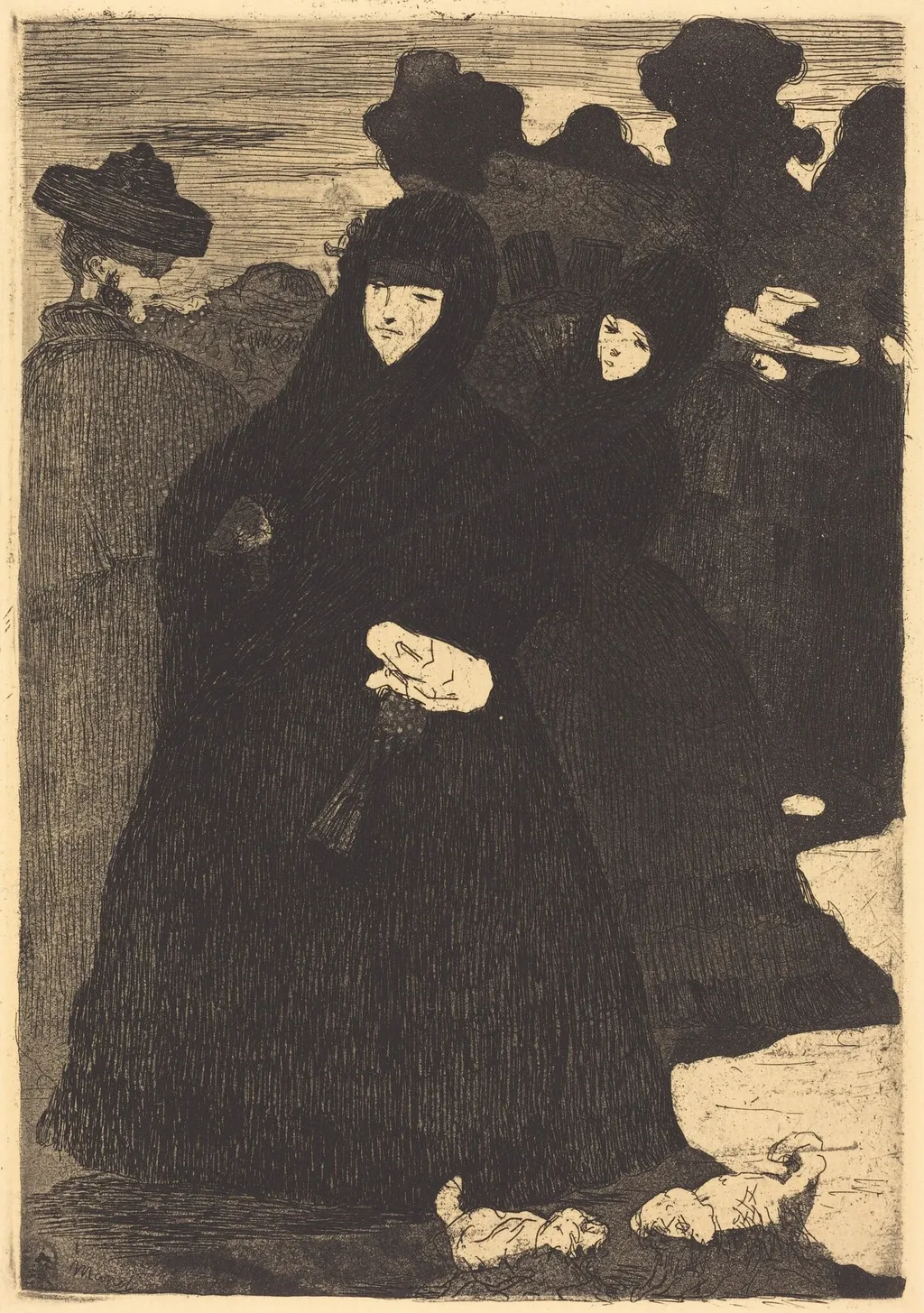
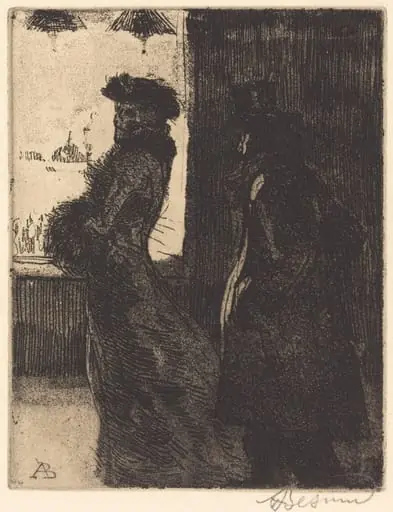
At the Prado (Au Prado) is an ink print by the Impressionist artist Edouard Manet. It dates from 1866 and is held in the collection of the National Gallery of Art.
About this work
Overview
At the Prado (Au Prado), created in 1866 by Édouard Manet, is a print made using etching and aquatint on machine-made laid paper. It captures a solitary woman standing in an outdoor setting, her figure isolated against a dense group of shadowed forms. The work belongs to Manet’s exploration of modern urban life and the visual language of printmaking, distinct from his painted compositions.
Subject & Meaning
The woman, dressed in a dark coat and wearing a low-hat, stands apart from the blurred crowd behind her, her pale face drawing attention. The figures surrounding her lack individual detail, merging into a somber, indistinct mass. This contrast suggests themes of alienation and anonymity within public spaces, reflecting the psychological distance often felt in crowded modern environments.
Technique & Style
Unlike smooth painterly effects, this method embraces the tactile, imperfect qualities of print, aligning with Manet’s interest in material honesty.
Manet employed etching to define lines and aquatint to create tonal gradations, producing a grainy, atmospheric texture. The rough surface of the print results from acid biting into the metal plate, with aquatint allowing subtle shifts from deep black to soft gray. Unlike smooth painterly effects, this method embraces the tactile, imperfect qualities of print, aligning with Manet’s interest in material honesty.
History & Provenance
The print was made in 1866, during a period when Manet was actively experimenting with printmaking. Few impressions were pulled, and the work remained relatively obscure compared to his paintings. Its early history is undocumented in public records, but it entered institutional collections in the 20th century as interest in Manet’s graphic work grew.
Context
Created shortly after Manet’s controversial painting The Fifer, this print reflects his ongoing engagement with contemporary Parisian life. While the Prado Museum in Madrid inspired the title, the scene likely depicts visitors at the Louvre or another public promenade. The work aligns with broader 19th-century artistic inquiries into spectatorship and the individual within mass society.
Legacy
At the Prado contributed to the redefinition of printmaking as a medium for serious artistic expression, not merely reproduction. Its emphasis on mood over narrative influenced later artists exploring psychological depth through tonal print techniques. Though less known than his paintings, the work remains a quiet testament to Manet’s innovation in graphic arts.
Artist & collection

Artist
Édouard Manet didn’t have much time to make his mark—he died at 51—but he used every year.

 The Unknown Woman (L'inconnue)
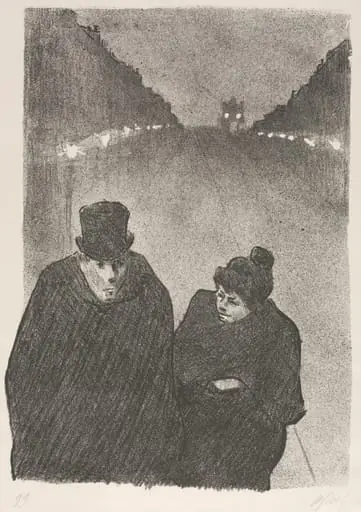 Ah, it's true, my poor old man, you would be the first to whom I would have made to miss his bus. "But I'll Miss My Bus" "My Customers Have Never Missed Their Bus"
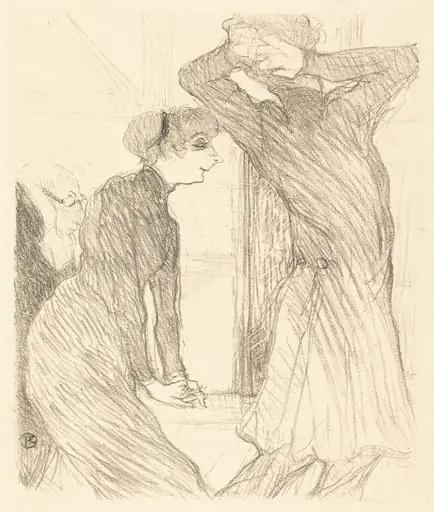 Lugne Poe and Baldy in "Au-dessus des forces humaines" (Lugne Poe et Baldy dans "Au-desses des forces humaines")
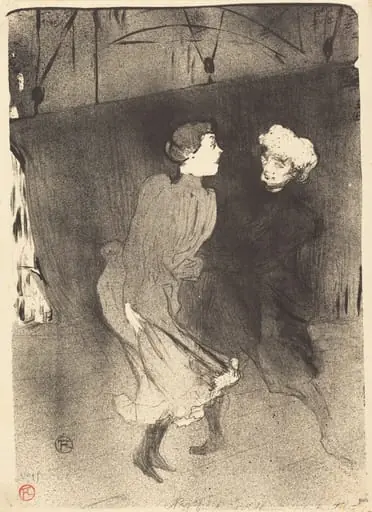 Dress Rehearsal at the Folies-Bergere (Répétition générale aux Folies-Bergère)
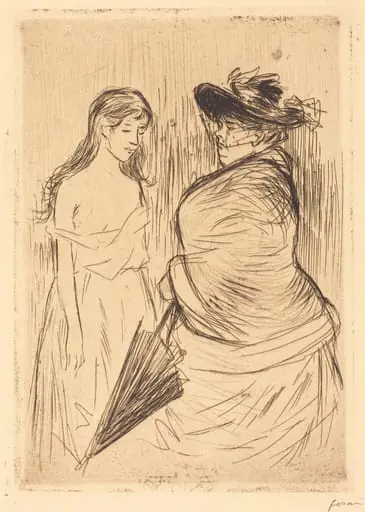 Le Traite des blanches (The White Slave Trade)
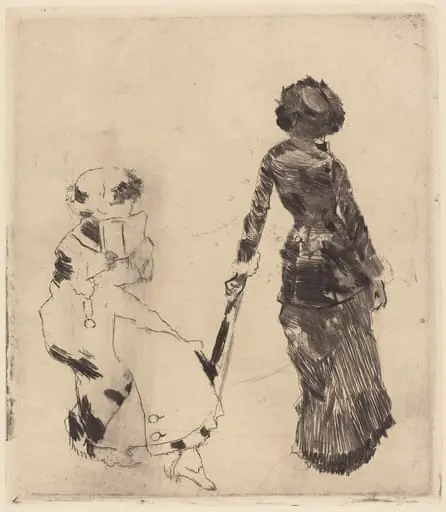 Mary Cassatt at the Louvre: The Etruscan Gallery
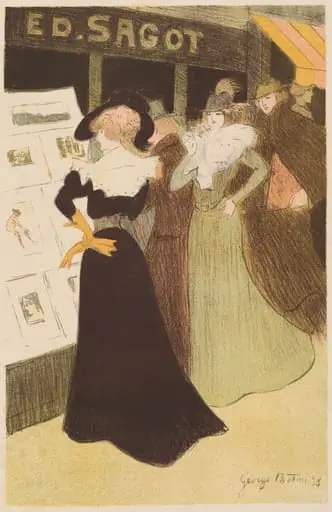 The Sagot Address