Artwork
Ah, it's true, my poor old man, you would be the first to whom I would have made to miss his bus. "But I'll Miss My Bus" "My Customers Have Never Missed Their Bus"
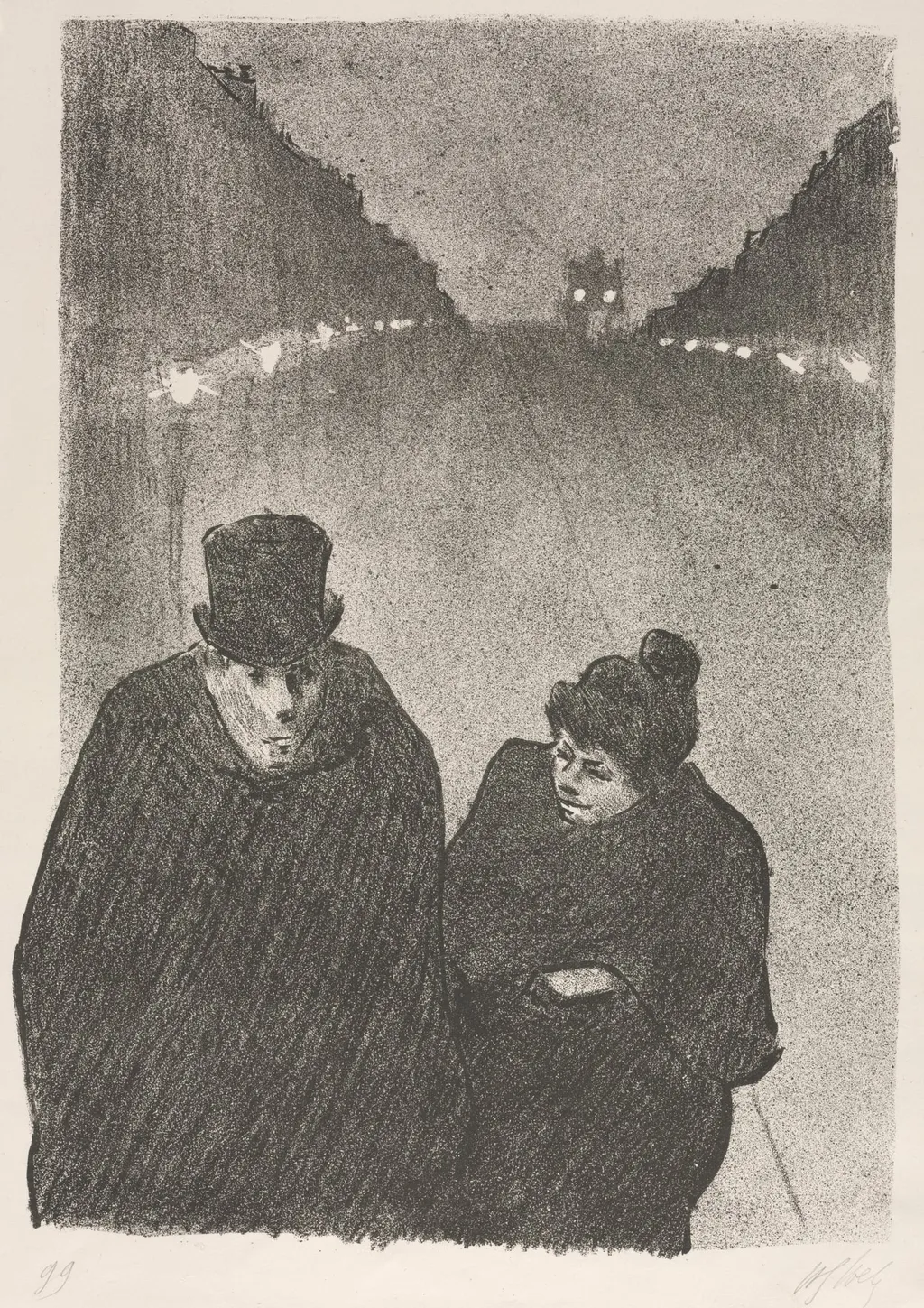
Ah, it's true, my poor old man, you would be the first to whom I would have made to miss his bus. "But I'll Miss My Bus" "My Customers Have Never Missed Their Bus" is a print by the Impressionist artist Henri-Gabriel Ibels. It dates from 1893 and is held in the collection of the Cleveland Museum of Art. Created in 1893 by Henri Gabriel Ibels, this print captures a quiet, tense moment between two individuals in an urban setting.
About this work
Overview
Created in 1893 by Henri Gabriel Ibels, this print captures a quiet, tense moment between two individuals in an urban setting. Rendered in ink and wash, the work belongs to a series reflecting everyday life in late 19th-century Paris. Its somber tone and intimate composition align with the Realist tradition, emphasizing ordinary people in unidealized circumstances rather than grand narratives.
Subject & Meaning
The man, dressed in formal attire, appears to be a figure of authority, while the woman, equally somberly clad, seems to be addressing him with quiet urgency.
The scene depicts a man and woman in conversation, their dialogue implied through the title’s fragmented phrases. The man, dressed in formal attire, appears to be a figure of authority, while the woman, equally somberly clad, seems to be addressing him with quiet urgency. The tension lies in the contrast between his claim of reliability and her fear of being left behind, suggesting themes of neglect, responsibility, and the fragility of daily routines.
Technique & Style
Ibels employs stark contrasts of light and shadow, using ink washes to define forms with minimal detail. The figures emerge from a nearly featureless background, their outlines softened by atmospheric darkness. The lack of environmental specificity heightens emotional focus, while the restrained palette—dominated by blacks, grays, and muted browns—reinforces the mood of isolation and quiet despair.
History & Provenance
The print was produced during Ibels’s active period in Paris, when he contributed illustrations to journals like La Revue Blanche. It entered the collection of The Cleveland Museum of Art in the 20th century, likely through a donation or acquisition of French graphic works. Its preservation reflects growing interest in fin-de-siècle printmaking as a medium for social observation.
Context
Ibels worked alongside artists and writers engaged with urban realism, capturing the rhythms and tensions of Parisian life beyond the boulevards. This piece reflects broader cultural concerns of the era: the anonymity of city dwellers, the erosion of personal connections, and the quiet tragedies embedded in routine. It resonates with contemporaneous literary depictions of alienation in modern society.
Legacy
Though not widely exhibited, the work remains a quiet example of how graphic art conveyed psychological depth in the late 19th century. Ibels’s ability to suggest narrative through minimal means influenced later illustrators and printmakers interested in emotional realism. Its endurance in museum collections underscores its value as a nuanced document of everyday human vulnerability.
Artist & collection
Artist
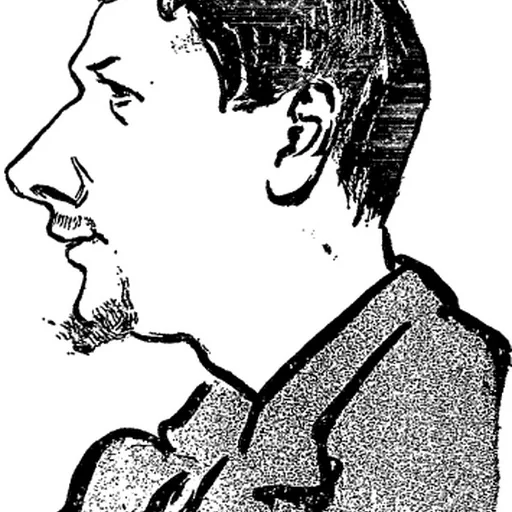
Henri-Gabriel Ibels (1867–1936) was a French artist, born in 10ᵗʰ arrondissement of Paris.

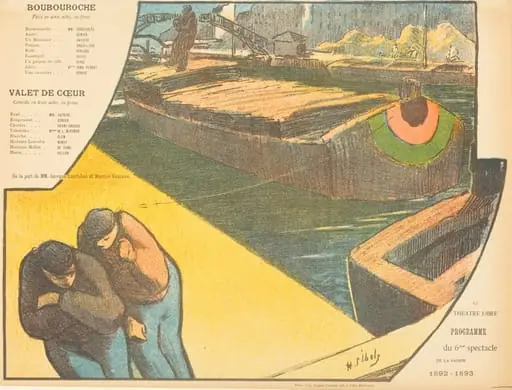
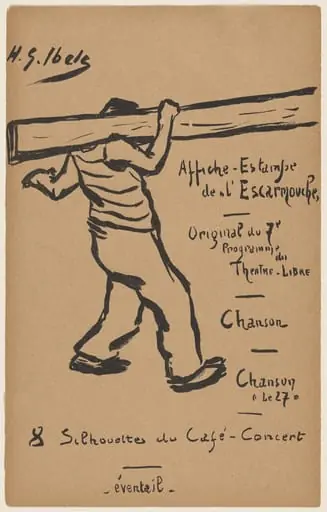
![Men Towing a Barge [Study for Boubourouche], by Henri-Gabriel Ibels](https://artifactworldgallery.com/img/henri-gabriel-ibels--men-towing-a-barge-study-for-boubourouche--2afc843c43c02cba-w320.webp)
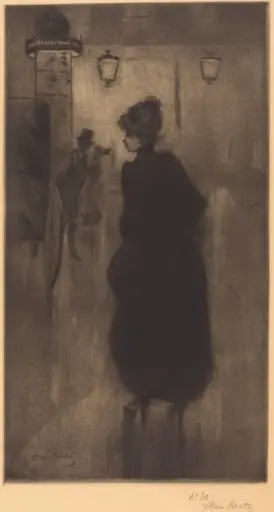 Parisian Woman (The Effect of the Night)
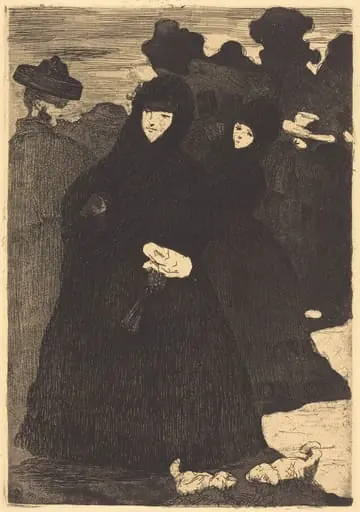 At the Prado (Au Prado)
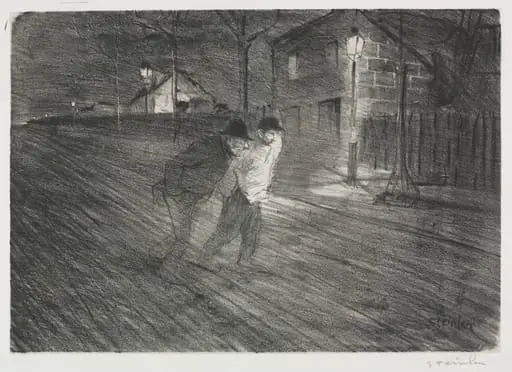 La Rue Coulaincourt
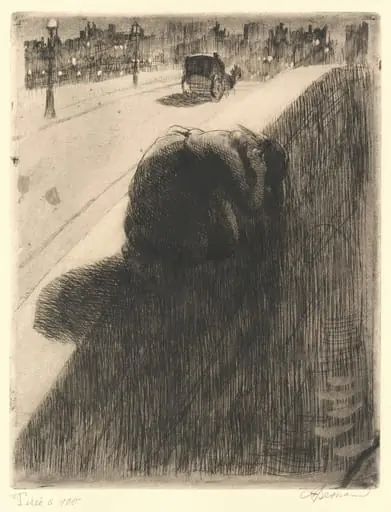 The Suicide (Le Suicide)
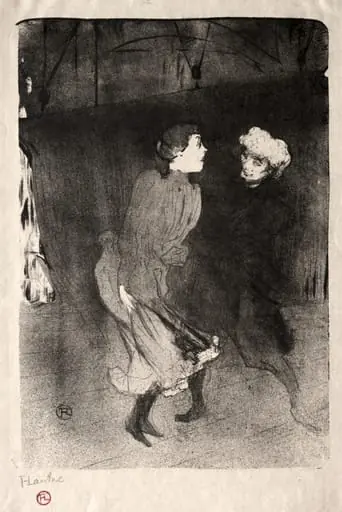 Emilienne d'Alecon and Mariquita of the Follies-Bergère
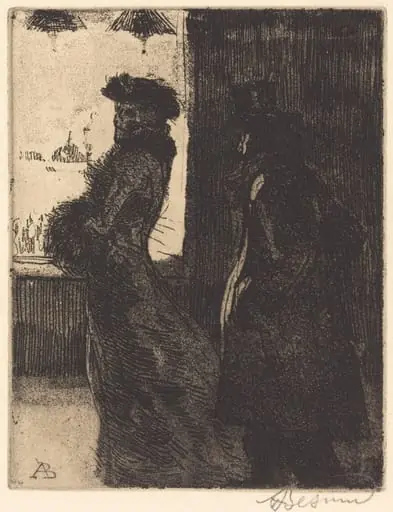 The Unknown Woman (L'inconnue)
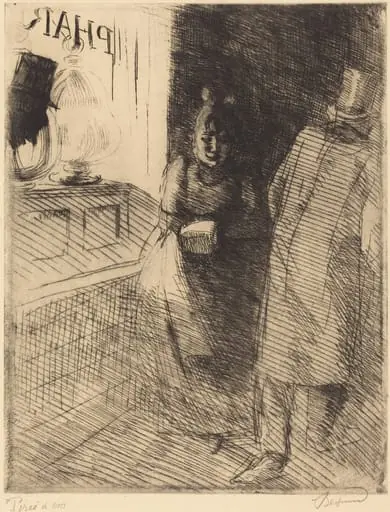 Prostitution (La Prostitution)
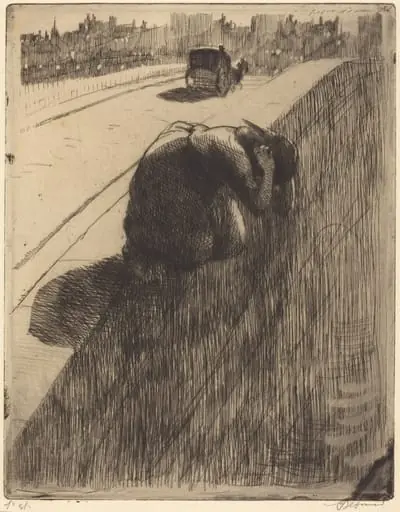 The Suicide (Le Suicide)
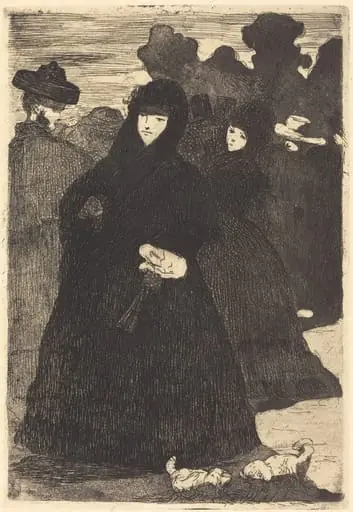 At the Prado (Au Prado)
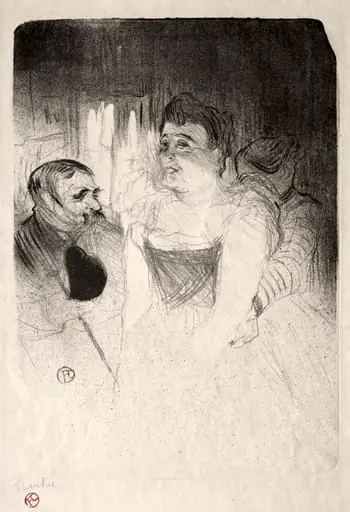 Judic in the Loge
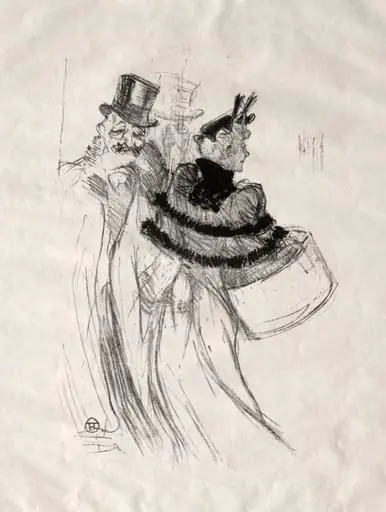 The Old Gentlemen
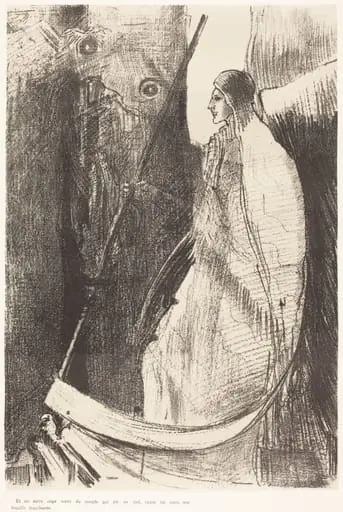 Et un autre ange sortit du temple qui est au ciel, ayant lui aussi une faucille tranchante (And another angel came out of the temple which is in heaven, and he also having a sharp sickle)