Artwork
The Unknown Woman (L'inconnue)
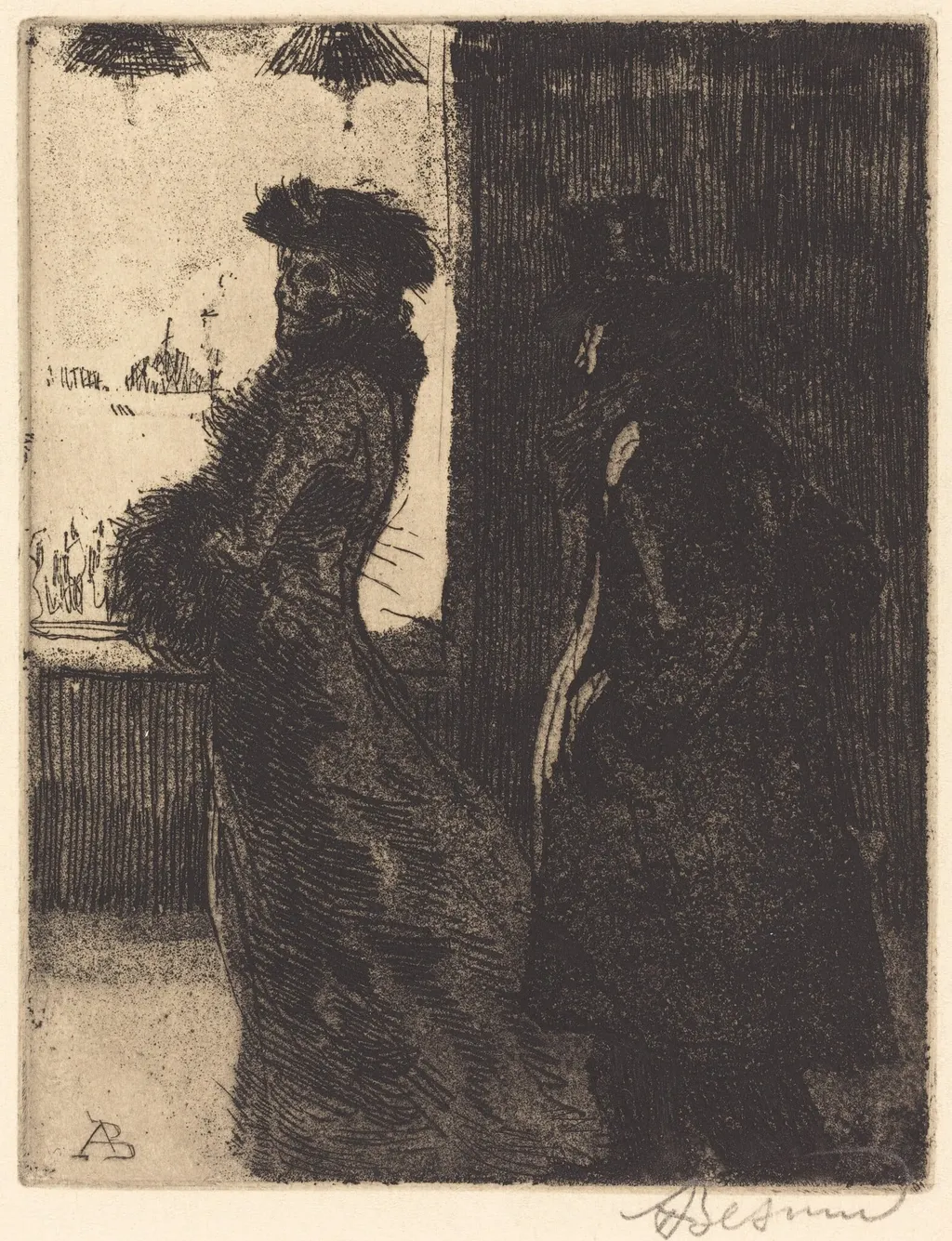
The Unknown Woman (L'inconnue) is an ink print by Paul-Albert Besnard. It dates from 1900 and is held in the collection of the National Gallery of Art.
About this work
Overview
Created in 1900, The Unknown Woman is a print by Albert Besnard, combining etching, aquatint, and printed tone on Van Gelder Zonen wove paper.
Created in 1900, The Unknown Woman is a print by Albert Besnard, combining etching, aquatint, and printed tone on Van Gelder Zonen wove paper. The work presents a solitary female figure in profile, rendered with subtle tonal gradations. The composition emphasizes mood over narrative, using darkness and texture to isolate the subject. The paper’s natural grain enhances the atmospheric quality, characteristic of Besnard’s experimental approach to printmaking.
Subject & Meaning
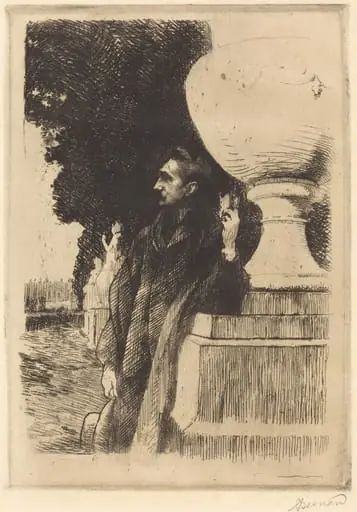
The figure is anonymous, her identity deliberately obscured by a high-collared coat and low-brimmed hat. Her turned head and still posture suggest introspection or detachment. The faint outline of a second figure to her right introduces ambiguity—perhaps a presence, a memory, or an echo. Besnard avoids explicit storytelling, inviting contemplation of solitude and the unseen dimensions of personal experience.
Technique & Style
Besnard employed etching to define fine lines and aquatint to build rich, uneven tones across the surface. Printed tone was applied selectively to deepen shadows and unify the background. The rough texture of the paper interacts with the ink, creating a tactile, almost atmospheric ground. The effect is neither sharp nor polished, but softly evocative, aligning with Symbolist tendencies in late 19th-century printmaking.
History & Provenance
The print was produced during Besnard’s mature period, when he increasingly focused on intimate, psychologically nuanced subjects. It was likely made as a standalone work rather than an illustration, reflecting his interest in print as an independent art form. Early ownership records are sparse, but the piece entered public collections in the 20th century, valued for its technical innovation and quiet emotional resonance.
Context
In the early 1900s, French printmakers were redefining the medium beyond reproductive functions. Besnard, influenced by Whistler and Japanese woodcuts, sought to capture mood through tone and texture. The Unknown Woman aligns with broader Symbolist interests in ambiguity and inner life, contrasting with the overt realism of academic art. It reflects a shift toward personal expression in printmaking during a period of artistic experimentation.
Legacy
The work remains a quiet example of Besnard’s contribution to modern printmaking. While not widely exhibited, it is studied for its sensitive use of tone and paper texture. Its influence is seen in later artists who prioritized atmospheric effect over detail. The Unknown Woman endures as a testament to the expressive potential of print media when used with restraint and psychological insight.
Artist & collection
Artist
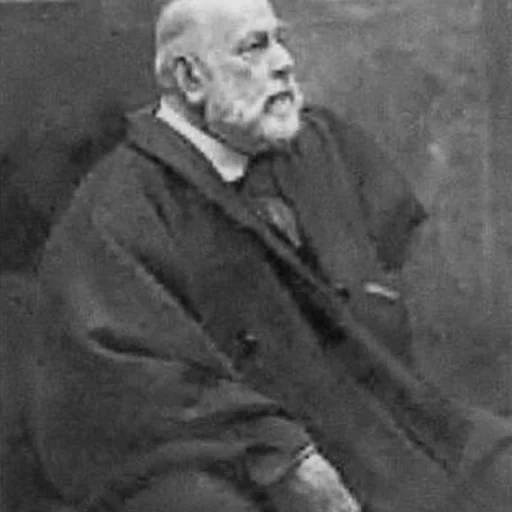
Paul-Albert Besnard (1849–1934) was a French artist, born in 7th arrondissement of Paris.

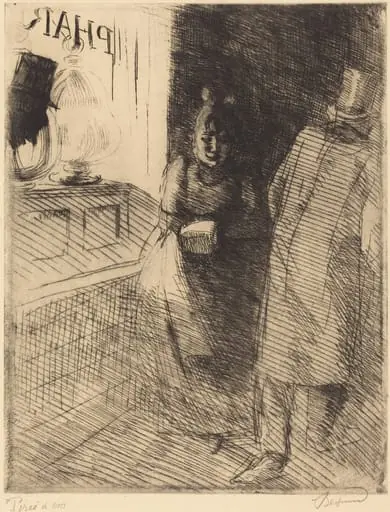 Prostitution (La Prostitution)
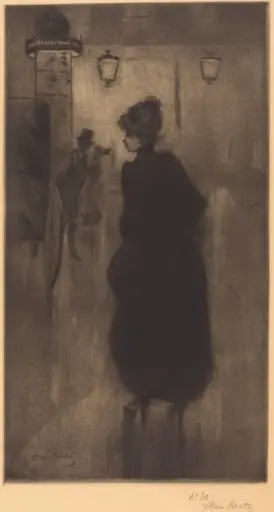 Parisian Woman (The Effect of the Night)
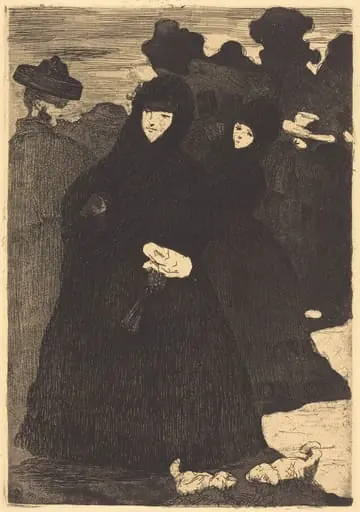 At the Prado (Au Prado)
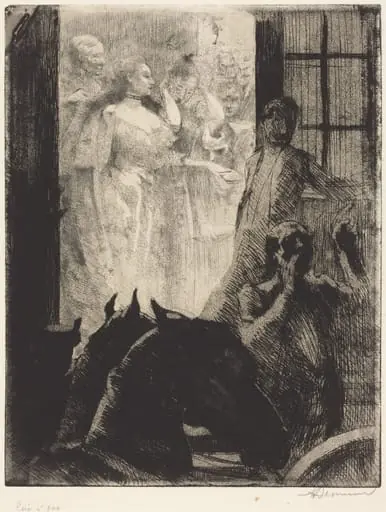 Social Triumph (Le Triomphe mondain)
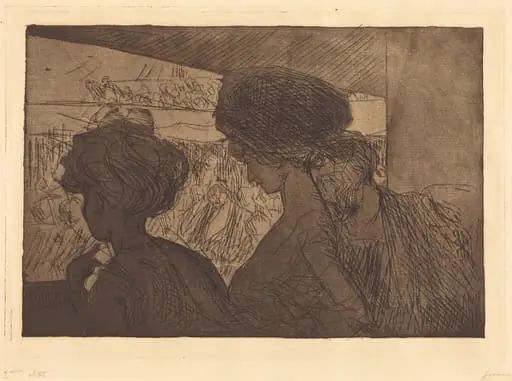 Baignoire au théatre (Lower Box at the Theater)
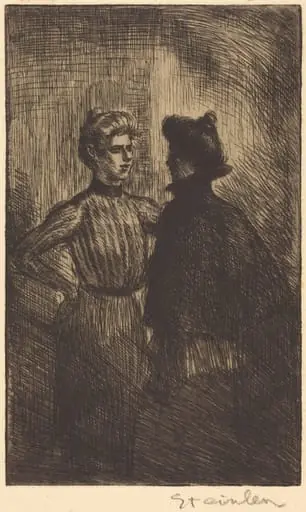 The Encounter (Recontre)
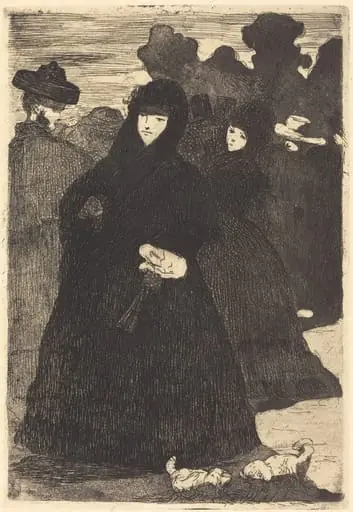 At the Prado (Au Prado)
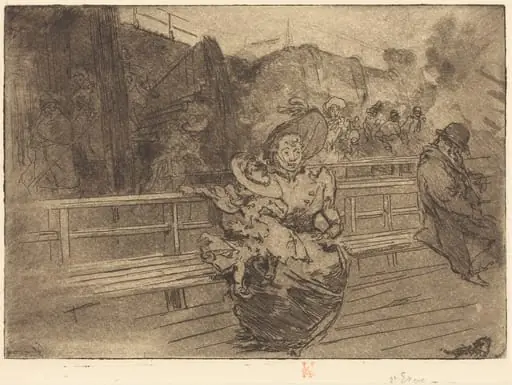 Departure for Greenwich (Depart pour Greenwich)
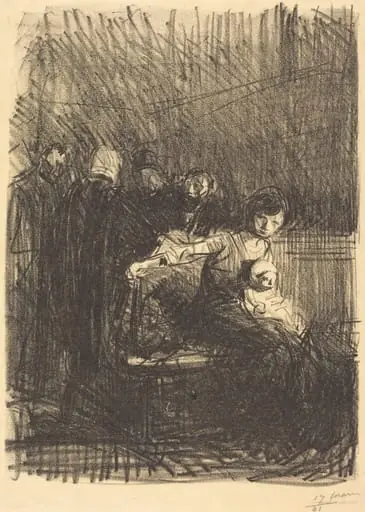
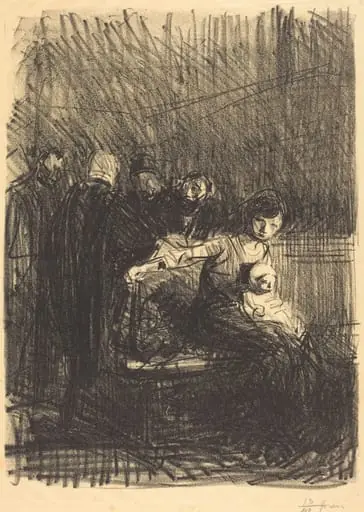 Suspension d'audience (Recess of the Hearing)
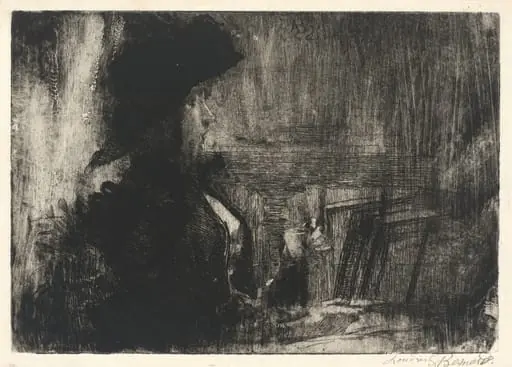 The Cup of Tea (La tasse de thé)
 Suspension d'audience (Recess of the Hearing)
 Le Cafe