Artwork
Untitled
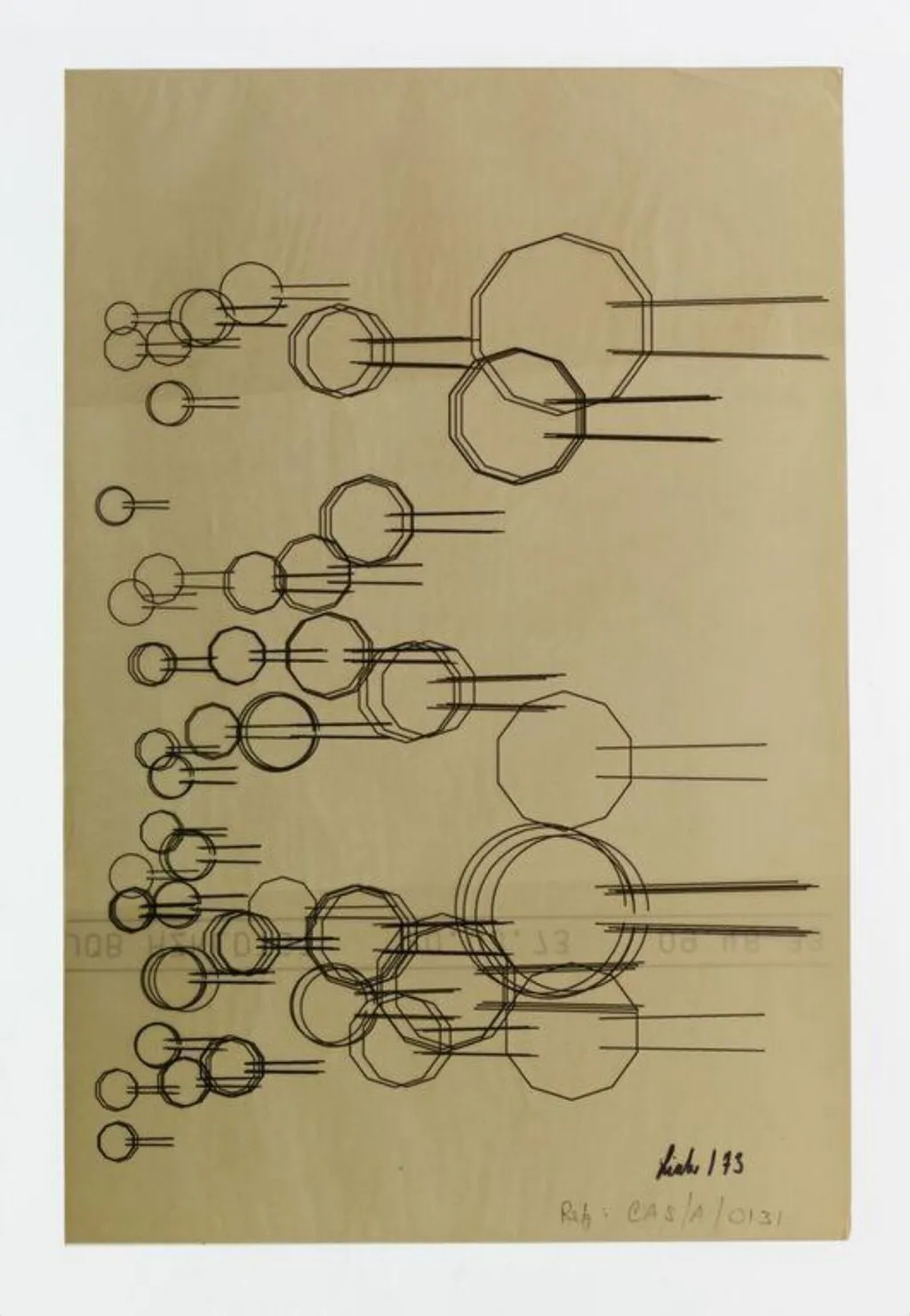
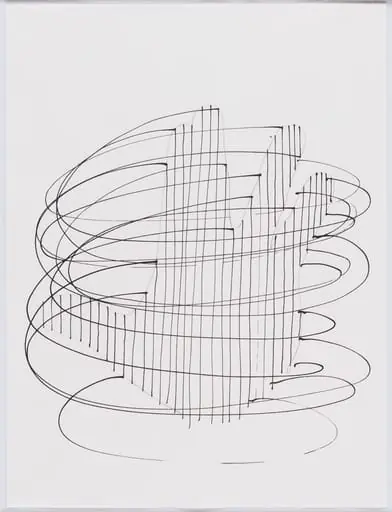
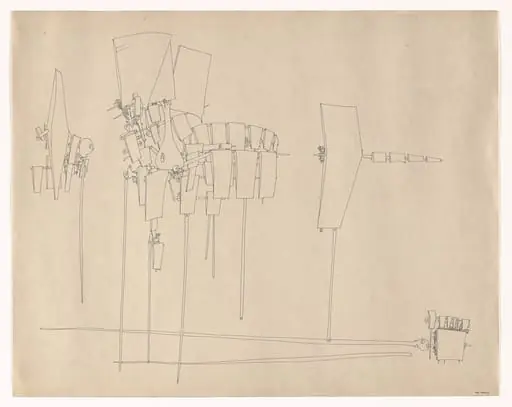
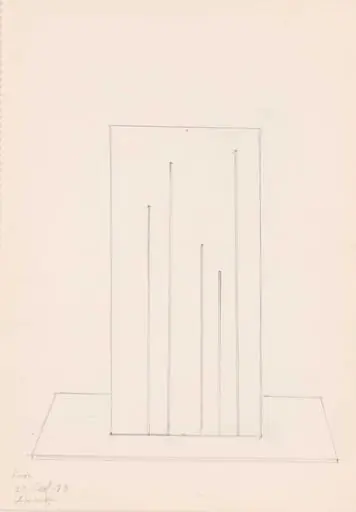
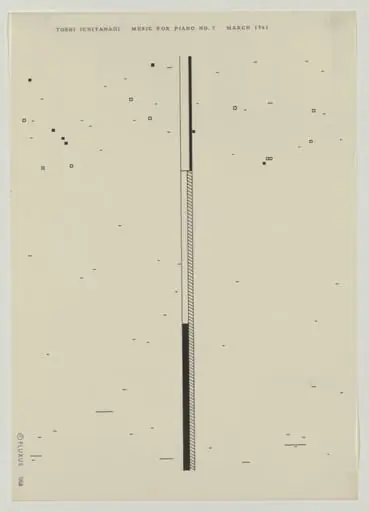
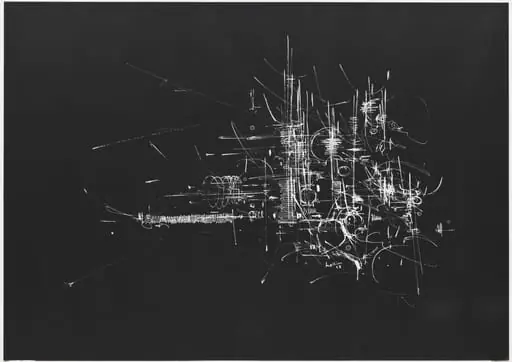
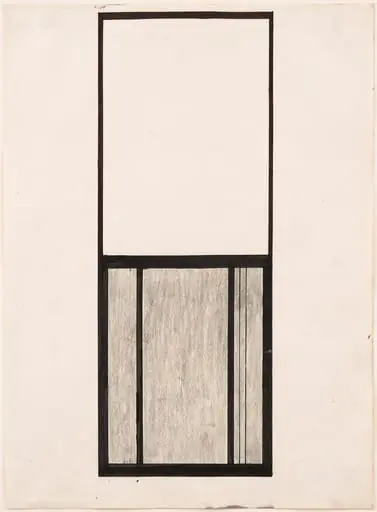
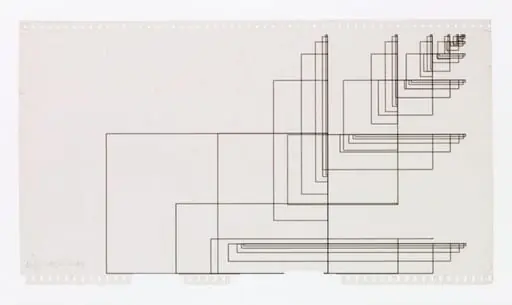
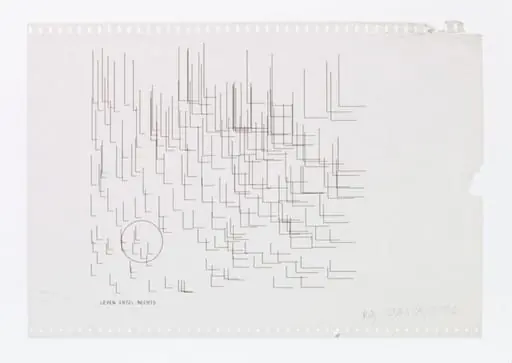
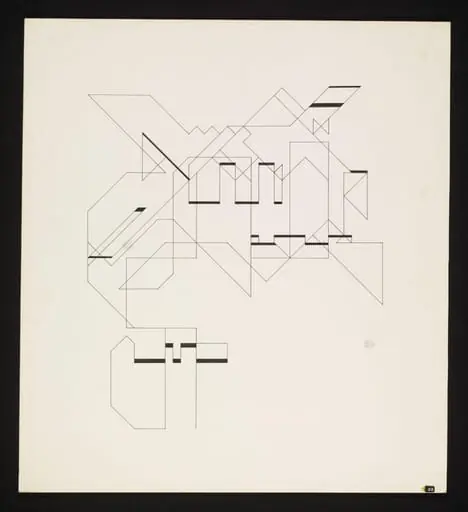
Untitled is a drawing by Manfred Linder. It dates from 1973 and is held in the collection of the Victoria and Albert Museum. Created in 1973, this drawing was produced not by hand but through algorithmic instruction.
About this work
Manfred Linder made a drawing in 1973 using a computer. It wasn’t a sketch on paper with a pencil. He wrote code in FORTRAN instead. A machine with a pen followed his instructions to draw on paper.
Linder used a Siemens 4004/G computer and a small plotter. He worked at a university computer center. This drawing was part of a 1973 art show in Edinburgh.
Check out the Victoria and Albert Museum.
Overview
Manfred Linder wrote code in FORTRAN to direct a mechanical plotter, which translated numerical commands into precise pen movements on paper.
Created in 1973, this drawing was produced not by hand but through algorithmic instruction. Manfred Linder wrote code in FORTRAN to direct a mechanical plotter, which translated numerical commands into precise pen movements on paper. The work emerged from his role at the University of Cologne’s computer center, where he developed software for graphical output systems, blending technical labor with aesthetic experimentation.
Subject & Meaning
The drawing lacks representational imagery, instead presenting abstract geometric patterns generated by mathematical logic. Its form reflects the constraints and possibilities of early computer graphics—lines defined by coordinates, repetition, and algorithmic variation. The absence of human gesture emphasizes the machine’s role as an intermediary, raising questions about authorship and the nature of artistic creation in the digital age.
Technique & Style
Linder used a Siemens 4004/G computer to run FORTRAN programs that controlled a Calcomp 565 plotter—a device with a pen mounted on a motorized carriage. The plotter moved across paper in precise increments, producing line-based compositions defined by programmed sequences. The style is minimal and systematic, characterized by uniform line weight, symmetry, and structured repetition, typical of early computer-generated art.
History & Provenance
The work was submitted to the Computer Arts Society’s INTERACT exhibition in Edinburgh in 1973, one of the first international forums to present computer-generated art as a legitimate field. Its inclusion signaled recognition of algorithmic production within the art world. The piece remains part of the historical record of early digital art, with later documentation preserved in institutions such as the Victoria and Albert Museum.
Context
In the early 1970s, artists and scientists began exploring computers as tools for visual expression, often collaborating across disciplines. Linder’s work emerged from an academic computing environment, where programming was still a specialized skill. His contribution reflects a broader movement in Europe where technical expertise was being reoriented toward creative inquiry, challenging traditional notions of artistic practice.
Legacy
Linder’s drawing stands as an early example of algorithmic art produced in a university setting, predating widespread access to personal computers. It illustrates how computational processes, once confined to scientific use, began to inform aesthetic experimentation. Today, it is referenced in histories of digital art as a foundational work that demonstrated the potential of code as a medium for visual expression.
Artist & collection
Artist
This German artist spent years drawing nothing but empty chairs in pencil. Not fancy chairs—just the wood and metal of ordinary seating, over and over, until the lines started to hum. If you’ve ever stared at a quiet…