Artwork
Untitled
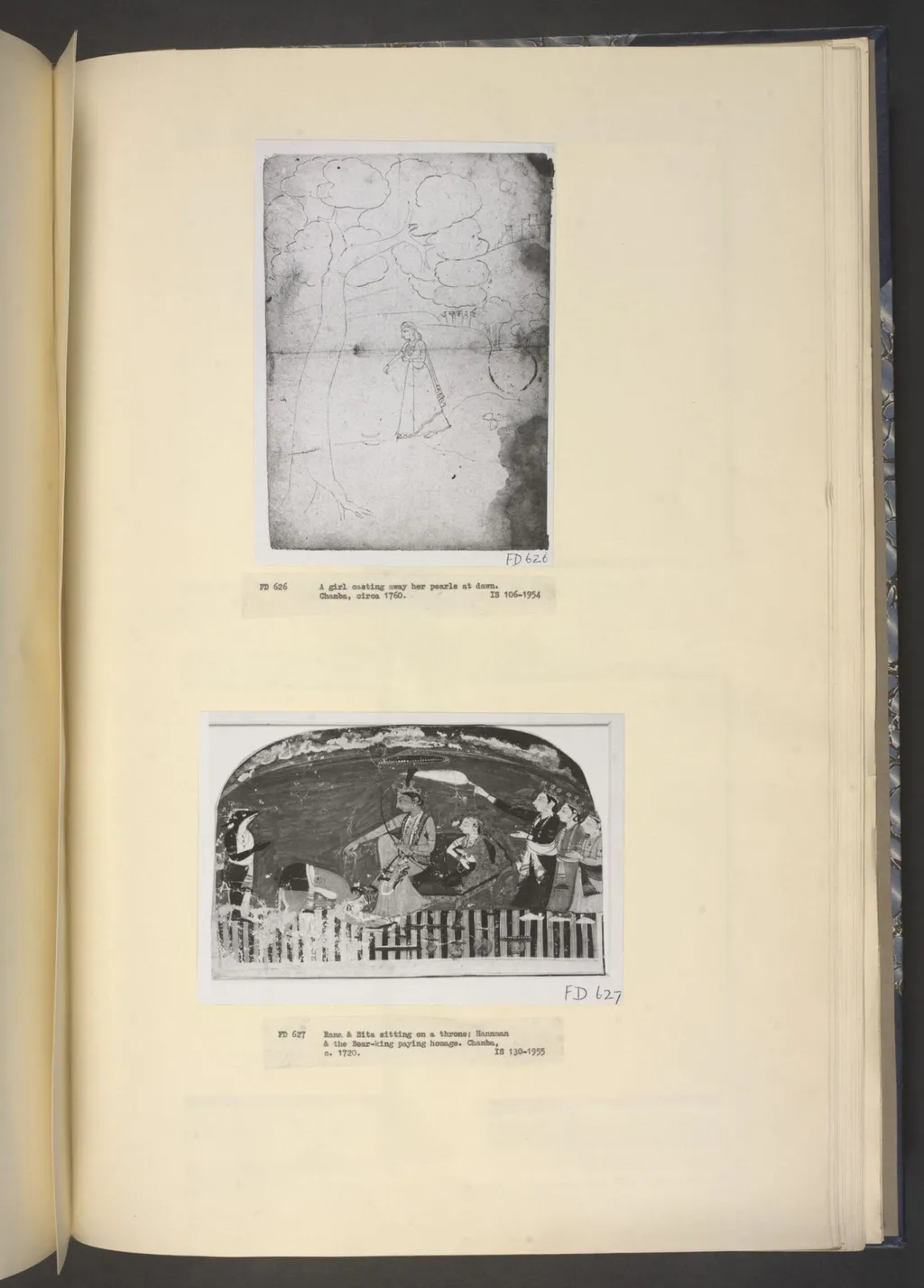
Untitled is a paint painting by the Rococo painting artist Mangnu. It dates from 1760 and is held in the collection of the Victoria and Albert Museum.
About this work
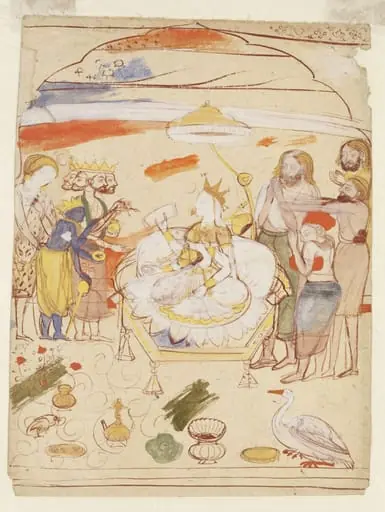
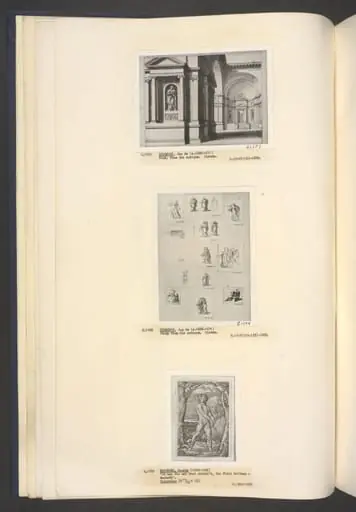
This painting shows a man and woman sitting on a raised platform, surrounded by a few other figures.
This painting shows a man and woman sitting on a raised platform, surrounded by a few other figures. The scene looks like a courtyard with a fence and buildings in the background. The colors are mostly dark, with some light areas on the faces and clothing.
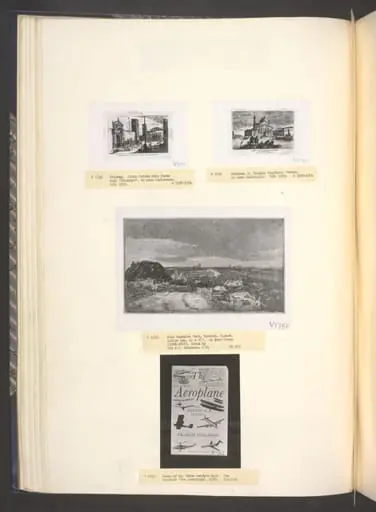
The top sketch shows a girl scattering pearls, which might be a related scene. Both images come from the same region and time period, around 1760.
Check out the Victoria and Albert Museum to see more works like this.
Overview
Created in 1760, this ink drawing on paper by the artist Mangnu is one of several works from the Chamba region of northern India. Executed with fine brushwork, it depicts a quiet domestic scene featuring a man and woman seated on a raised platform, accompanied by other figures. The composition is framed by architectural elements suggesting a courtyard, with subdued tones and selective highlights defining form and space.
Subject & Meaning
The scene likely portrays a moment of leisure or ritual within a noble household, common in Pahari courtly art. The presence of a girl scattering pearls in a related sketch may indicate a ceremonial or symbolic gesture, perhaps tied to celebration or status. The intimate arrangement of figures suggests a private setting, reflecting the refined social customs of the region’s elite during the mid-18th century.
Technique & Style
Mangnu employed a delicate ink brush technique, characteristic of Pahari miniature traditions, with fine lines defining figures and architecture. Color is restrained, applied sparingly to highlight faces and garments against a predominantly dark ground. The composition balances spatial depth with flat decorative elements, typical of regional styles that prioritize narrative clarity over naturalistic perspective.
History & Provenance
The work passed through the Hira Lal family of Chamba, descendants of the artist, before being acquired by Jagdish Mittal in 1952. In 1954, it was purchased by the Victoria and Albert Museum from Maggs Bros. for £150. Its documented lineage from artist to collector to institution offers rare continuity, preserving the cultural context of its creation within a specific artistic lineage.
Context
Produced during the height of Pahari painting traditions, this work reflects the influence of Mughal aesthetics adapted to local hill-court sensibilities. Artists like Mangnu worked under regional patrons, creating intimate scenes that blended courtly life with spiritual or symbolic undertones. The use of ink and minimal color aligns with a broader trend of refined, monochromatic drawings favored in smaller princely states.
Legacy
As one of the few signed works from Mangnu, this drawing contributes to the understanding of individual artist identity in a tradition often dominated by anonymous production. Its preservation in a major museum ensures continued study of regional Pahari practices, offering insight into the social and aesthetic values of 18th-century northern Indian court culture.
Artist & collection
Artist
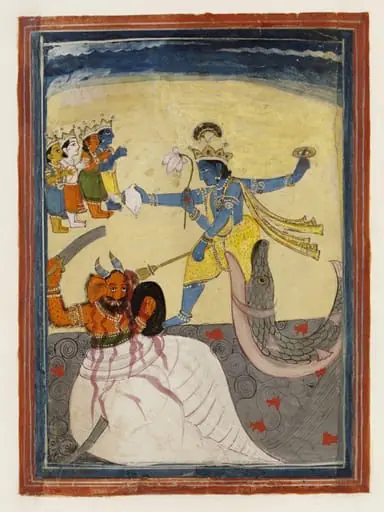
Mangnu’s paintings bring India’s sacred stories to life in vivid detail. Around 1760 they rendered scenes from Hindu myths, like Vishnu as Matsya—where the god takes the form of a fish to save the world—while later…