Artwork
Near Magdalen Gate, Norwich
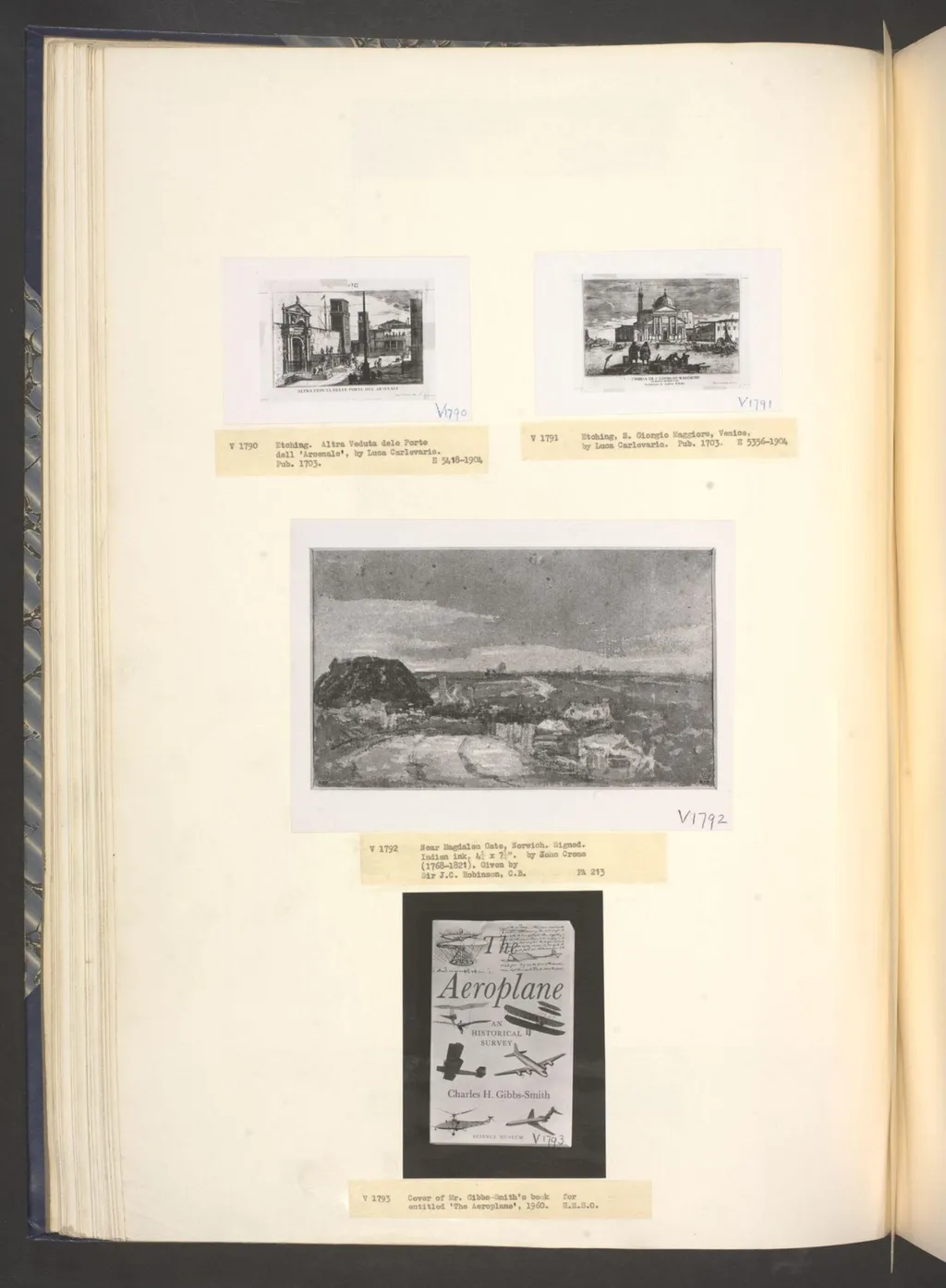
Near Magdalen Gate, Norwich is a drawing by the Romanticist artist John Crome. It dates from 1790 and is held in the collection of the Victoria and Albert Museum.
About this work
Overview
This ink drawing by John Crome depicts a quiet stretch of the River Wensum near Magdalen Gate in Norwich. Executed in fine, controlled lines, it captures a moment of stillness rather than a finished composition. The work bears Crome’s signature and reflects his practice of recording local landscapes through direct observation, prioritizing atmospheric nuance over formal finish.
Subject & Meaning
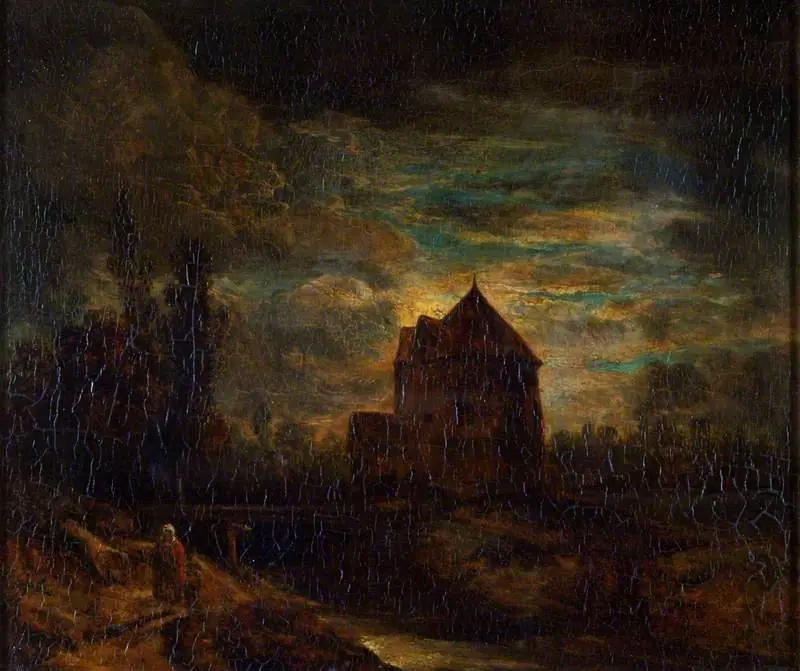
The scene presents a modest riverside settlement with clustered buildings lining the water’s edge, backed by gently rolling hills. The distant town suggests everyday life, unembellished and unidealized. The hazy, pale sky and muted tones evoke a quiet, transitional hour—neither dawn nor dusk—emphasizing the quiet dignity of ordinary places rather than grandeur.
Technique & Style
Crome employed Indian ink with delicate, layered strokes to suggest form and shadow, avoiding bold outlines or dramatic contrasts. Fine cross-hatching and sparse washes build texture and depth, particularly in the water and distant hills. The sketchlike quality reveals a working method focused on observation, where precision emerges through restraint rather than elaboration.
History & Provenance
Created during Crome’s active years in Norwich, the drawing likely dates to the early 19th century, when he regularly sketched local landscapes. It remained within his circle before entering institutional collections. Its survival as a study, rather than a saleable work, underscores its role as a personal record of the environment he knew intimately.
Context
Crome worked during a period when British artists increasingly turned to native scenery over classical or exotic subjects. This drawing aligns with the Norwich School’s emphasis on regional landscapes, rejecting grand narratives in favor of intimate, topographically accurate views. It reflects a broader shift toward valuing the everyday as worthy of artistic attention.
Legacy
As one of many observational studies by Crome, this drawing exemplifies the foundation of the Norwich School’s realist approach. Its unassuming character influenced later artists who valued direct engagement with place over theatrical composition. It remains a quiet testament to the artistic value of careful, unadorned looking.
Artist & collection
Artist
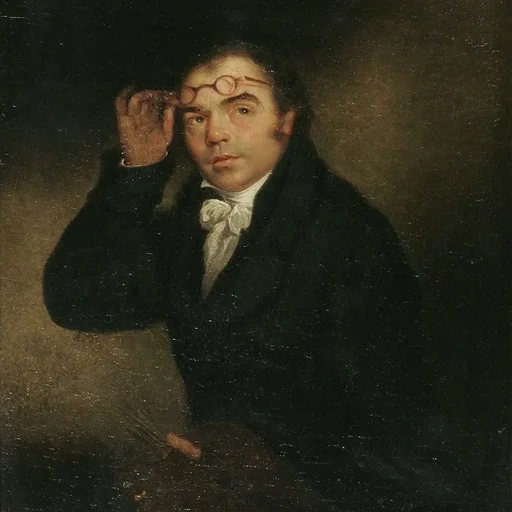
John Crome, once known as Old Crome to distinguish him from his artist son John Berney Crome, was an English landscape painter of the Romantic era, one of the principal artists and founding members of the Norwich School of painters.

 Exterior of the International Exhibition of 1862.
 Ullswater Head, Patterdale Hall
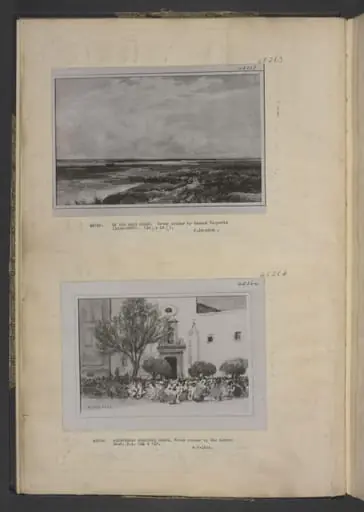 On the East Coast
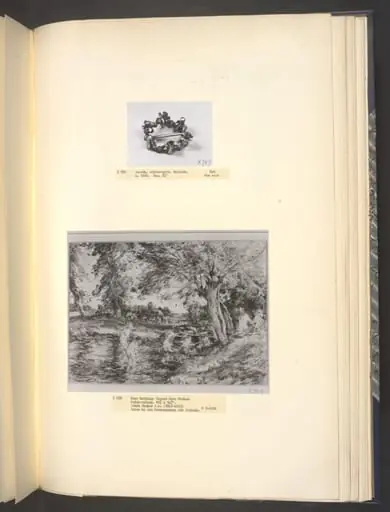 Girls Bathing
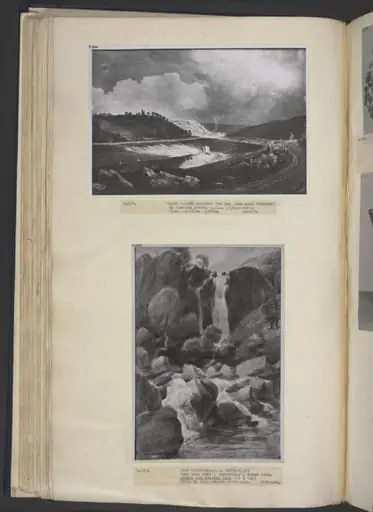 On the Avon, near Bristol
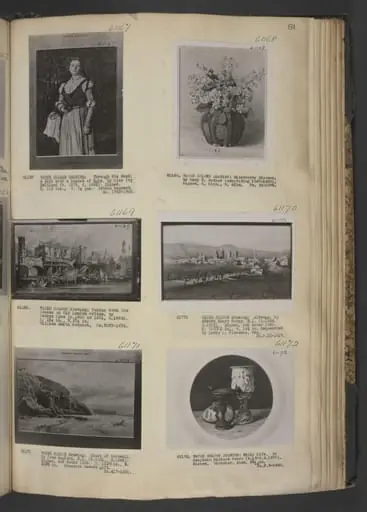 Taking down the houses on old London Bridge
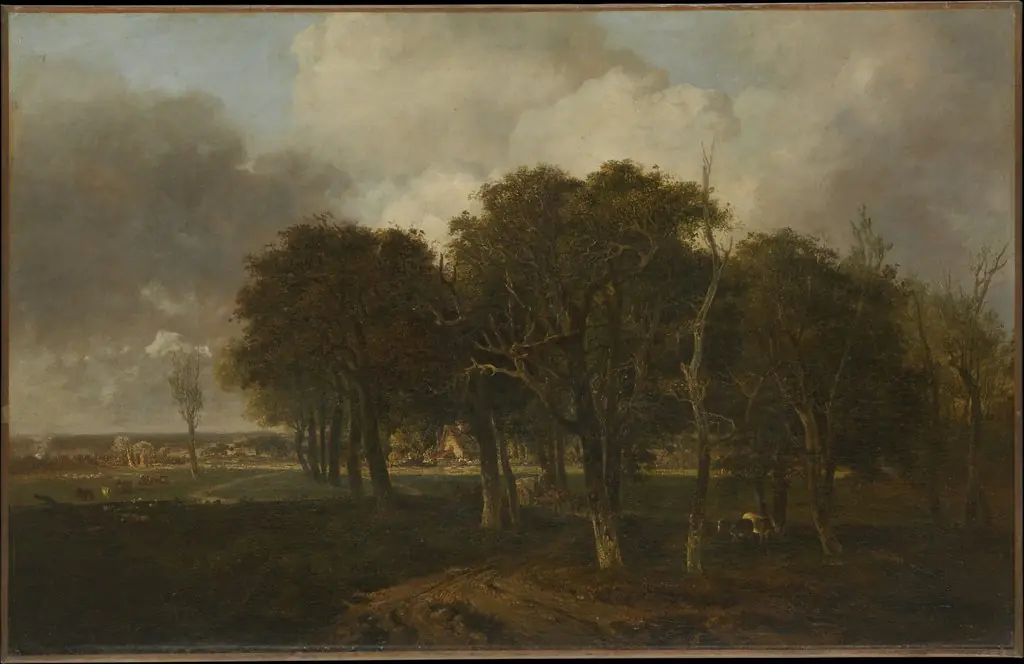
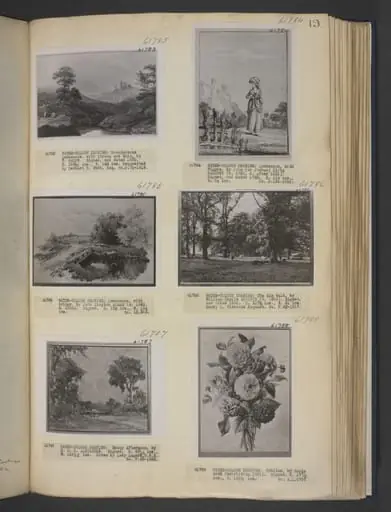 The Elm Walk. A Wooded Park
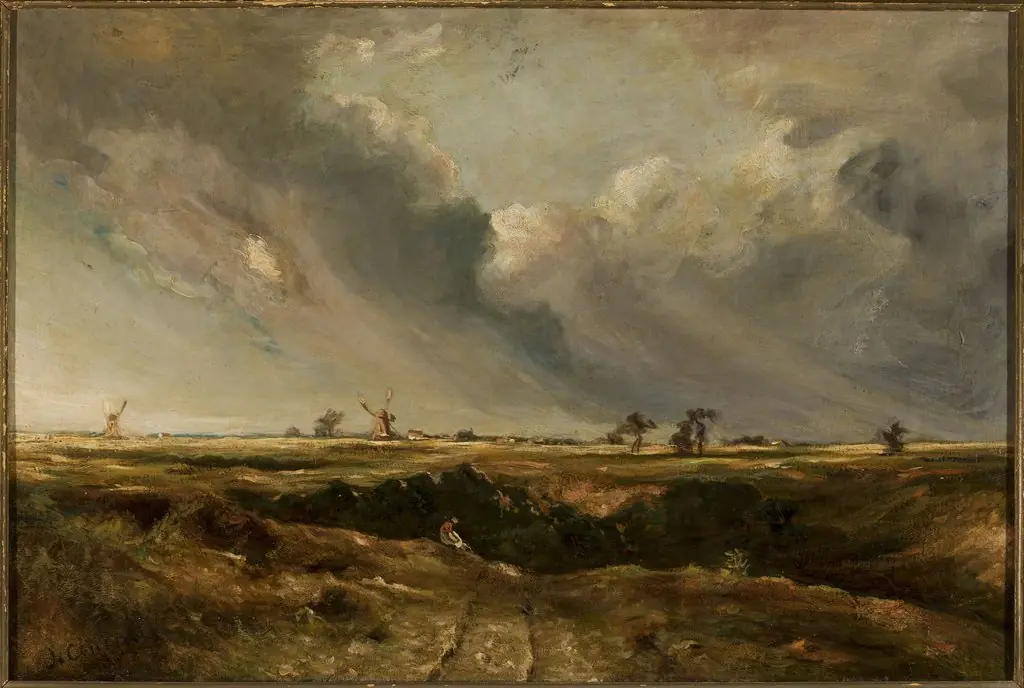
 Untitled
 The Robber
 Classical composition
 The Botanist
 Moel-y-Gest, North Wales, with figures and cattle