Artwork
Portrait of Stanisław August Poniatowski
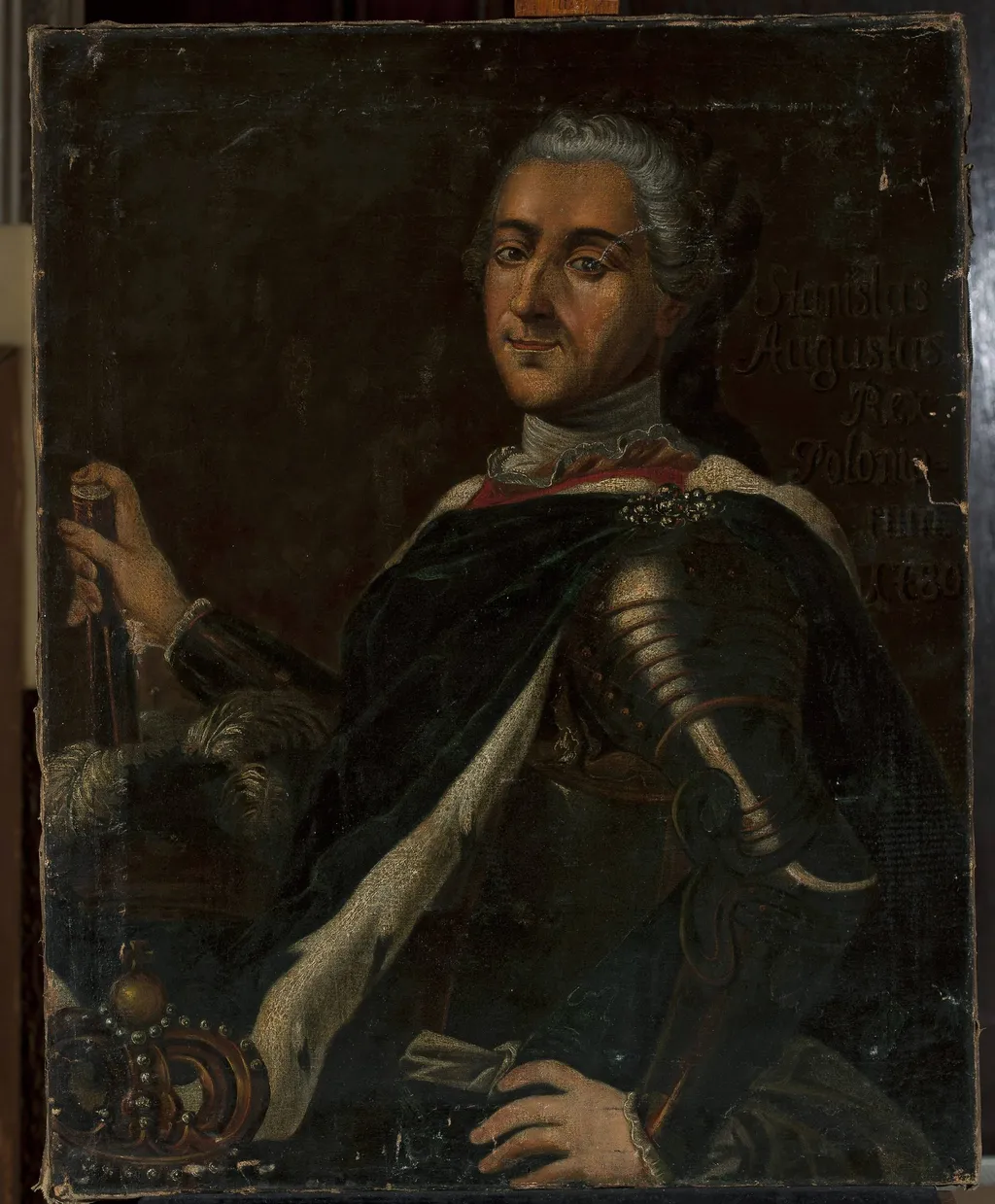
Portrait of Stanisław August Poniatowski is an oil painting by Marcello Bacciarelli. It dates from 1781 and is held in the collection of the National Museum in Warsaw.
About this work
Overview
Bacciarelli, an Italian artist long active in Warsaw, was appointed court painter and produced numerous official portraits.
Painted around 1781 by Marcello Bacciarelli, this oil-on-canvas portrait depicts Stanisław August Poniatowski, the last king of the Polish–Lithuanian Commonwealth. Bacciarelli, an Italian artist long active in Warsaw, was appointed court painter and produced numerous official portraits. This work is part of the National Museum in Warsaw’s collection and exemplifies the formal portraiture commissioned to affirm royal authority during a period of political transformation.
Subject & Meaning
The portrait presents King Stanisław August in ceremonial attire, emphasizing his role as sovereign. His dark green robe, lined in white and accented with gold, along with the red sash of the Order of the White Eagle, signals his status and affiliation with state honors. The scepter in his right hand reinforces his authority, while his direct gaze invites a sense of presence and dignity, aligning with Enlightenment ideals of enlightened monarchy.
Technique & Style
Bacciarelli employs a restrained Neoclassical style, blending clarity of form with subtle modeling. The dark background isolates the figure, enhancing focus through chiaroscuro—delicate contrasts of light and shadow define the king’s face, hands, and fabric folds. The rendering of textures, particularly the metallic sheen of the scepter and the softness of the sash, demonstrates meticulous attention to detail without overt theatricality, reflecting the era’s preference for restrained elegance.
History & Provenance
Commissioned during the king’s reign, the portrait was likely created for official use within royal or state institutions. Bacciarelli, who served as director of the Royal Academy of Arts in Warsaw, produced multiple likenesses of the monarch. The painting remained in state collections after the partitions of Poland and was later transferred to the National Museum in Warsaw, where it has been preserved as part of the nation’s cultural heritage.
Context
Created in the decade before the final partition of Poland, the portrait reflects an effort to project stability and legitimacy amid growing external pressures. The king, a patron of the arts and reformer, sought to align his image with Enlightenment values. Bacciarelli’s style, rooted in Italian academic traditions yet adapted to Polish courtly needs, served as a visual tool to reinforce the monarchy’s cultural authority during a time of national uncertainty.
Legacy
This portrait endures as one of the most recognizable images of Poland’s last monarch. It represents the intersection of art and politics in late 18th-century Eastern Europe, illustrating how portraiture functioned as both personal representation and state symbol. Its preservation in the National Museum underscores its role in shaping historical memory and national identity in post-partition Poland.
Artist & collection
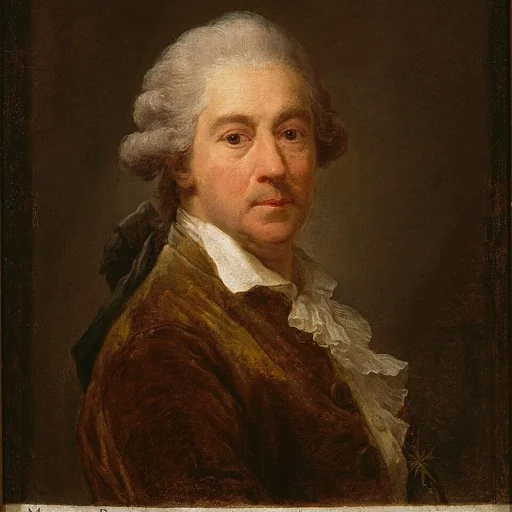
Artist
Marcello Bacciarelli (Italian pronunciation: ; 16 February 1731 – 5 January 1818) was an Italian-born painter of the late-baroque and Neoclassic periods active in Poland and the Polish–Lithuanian Commonwealth.

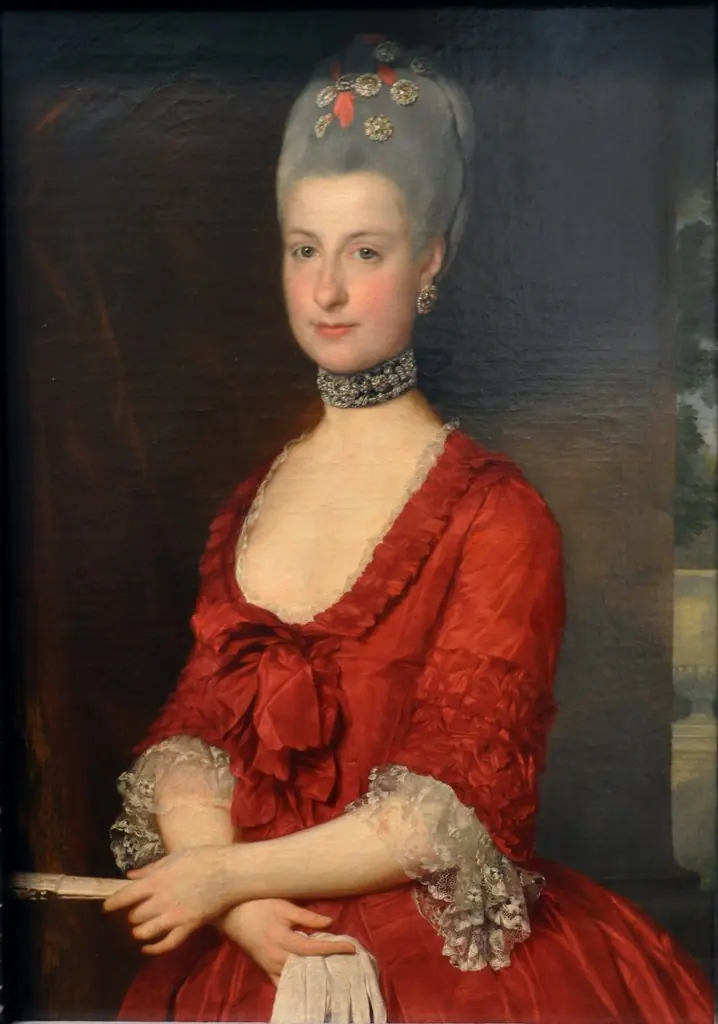 Portrait of Archduchess Maria Christina (1742-1798), Duchess of Teschen
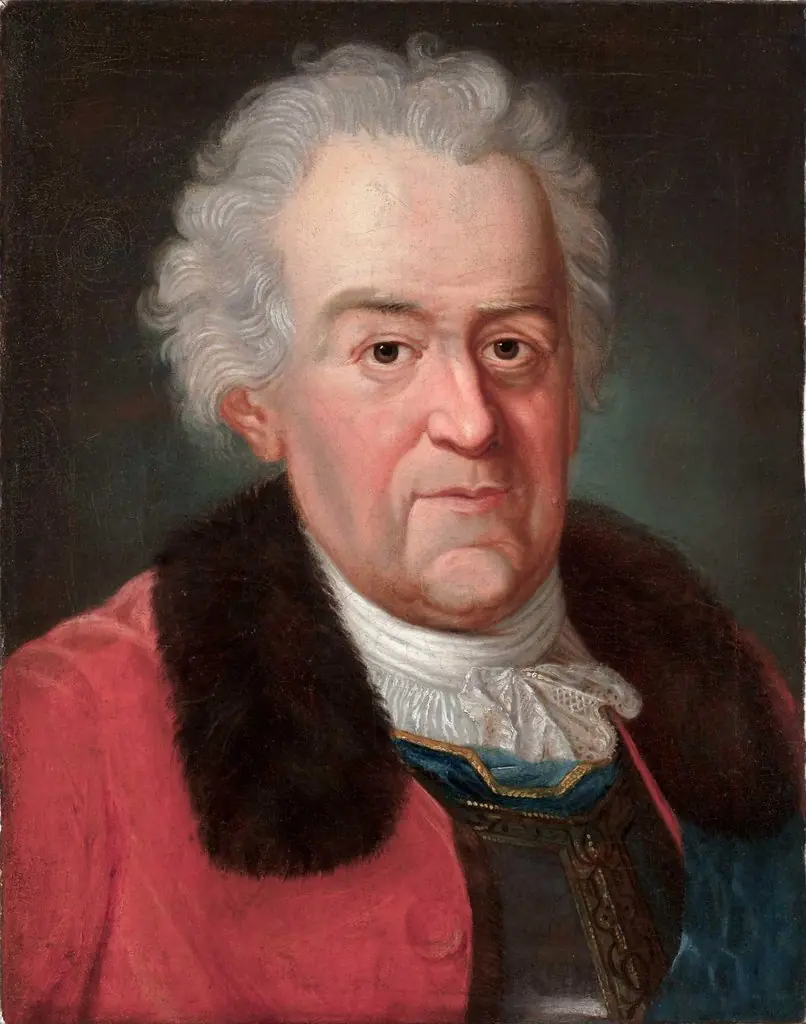 Portrait of Stanisław Poniatowski (1676–1762), king’s father
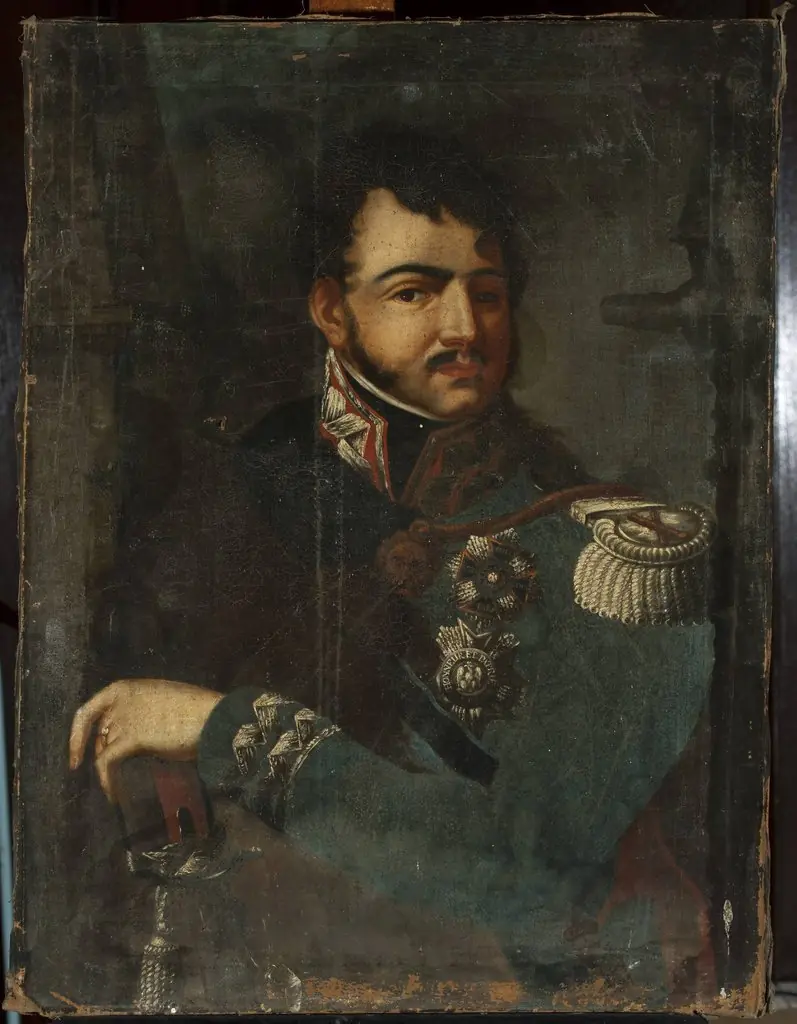 Portrait of Prince Józef Poniatowski
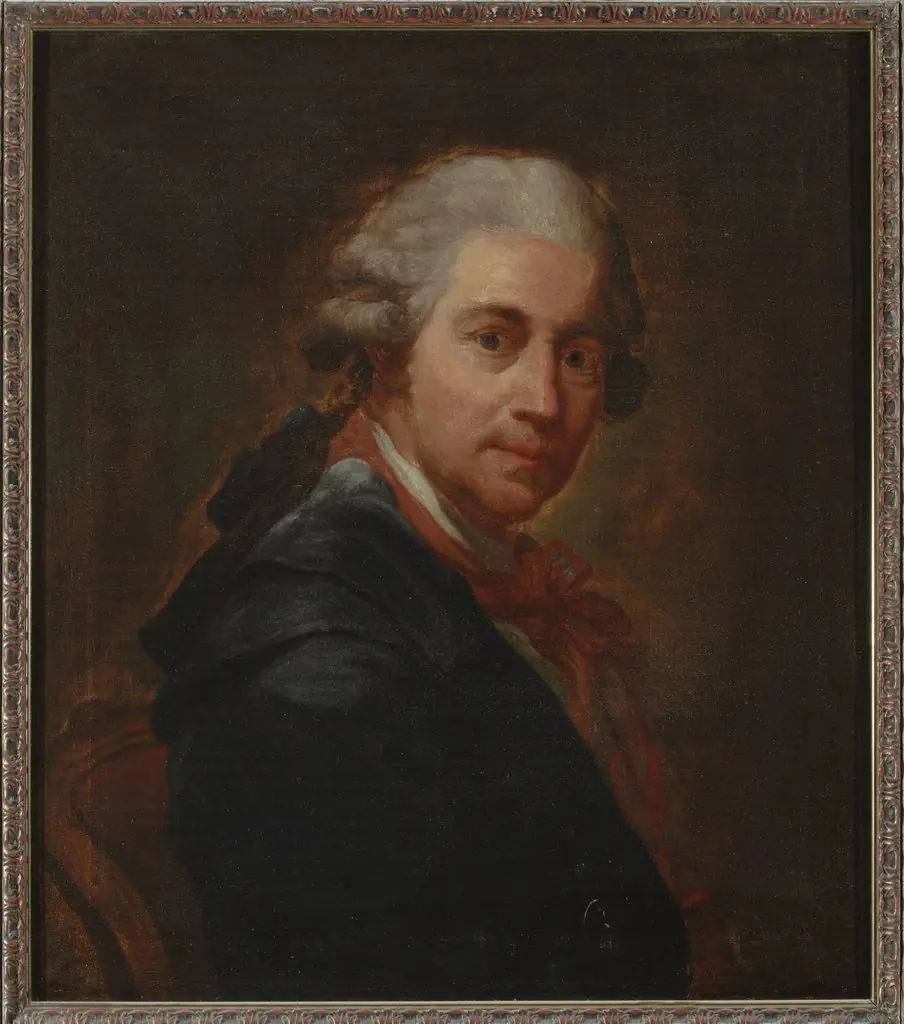 Self-portrait of Bacciarelli in a redingote
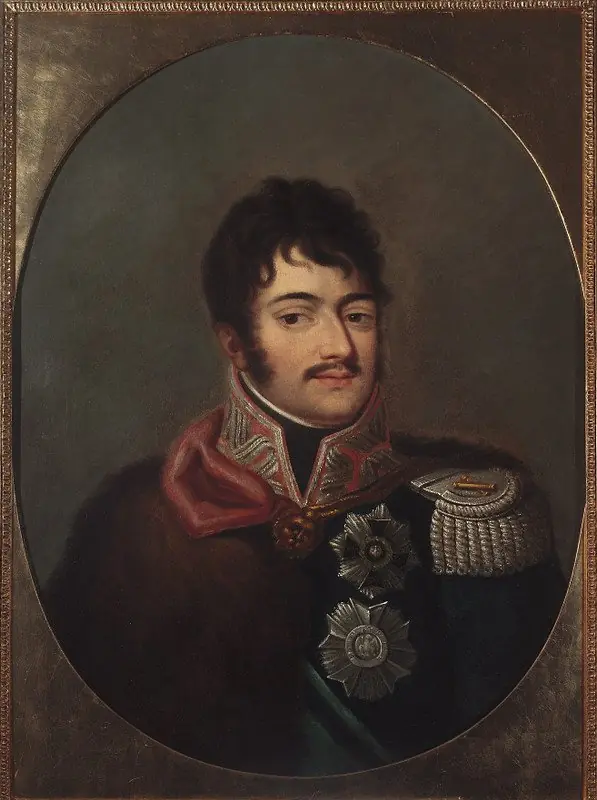 Portrait of Prince Józef Poniatowski
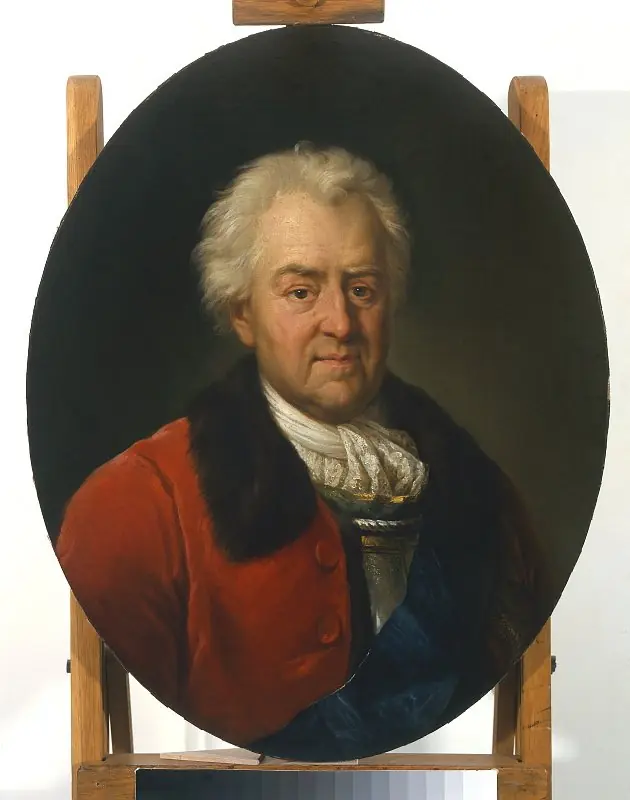 Portrait of Stanisław Poniatowski (1676–1762), king’s father
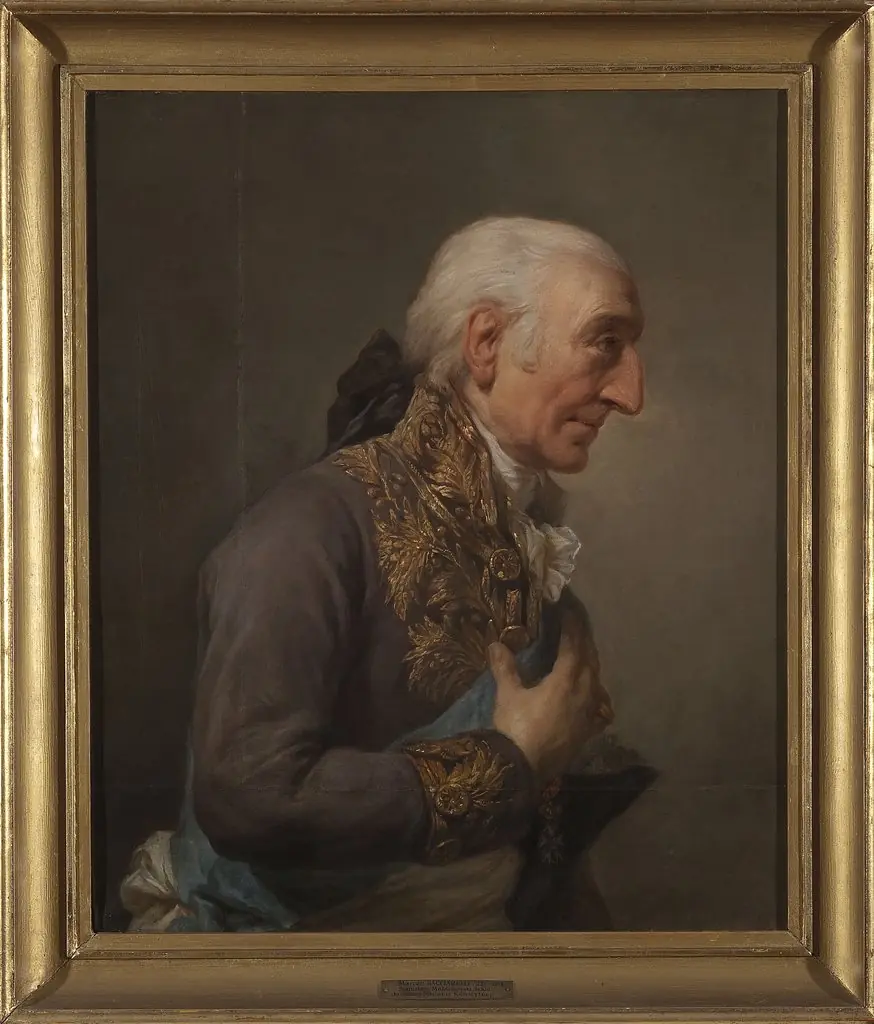 Portrait of Stanisław Małachowski (1736–1809), Marshal of the Seym
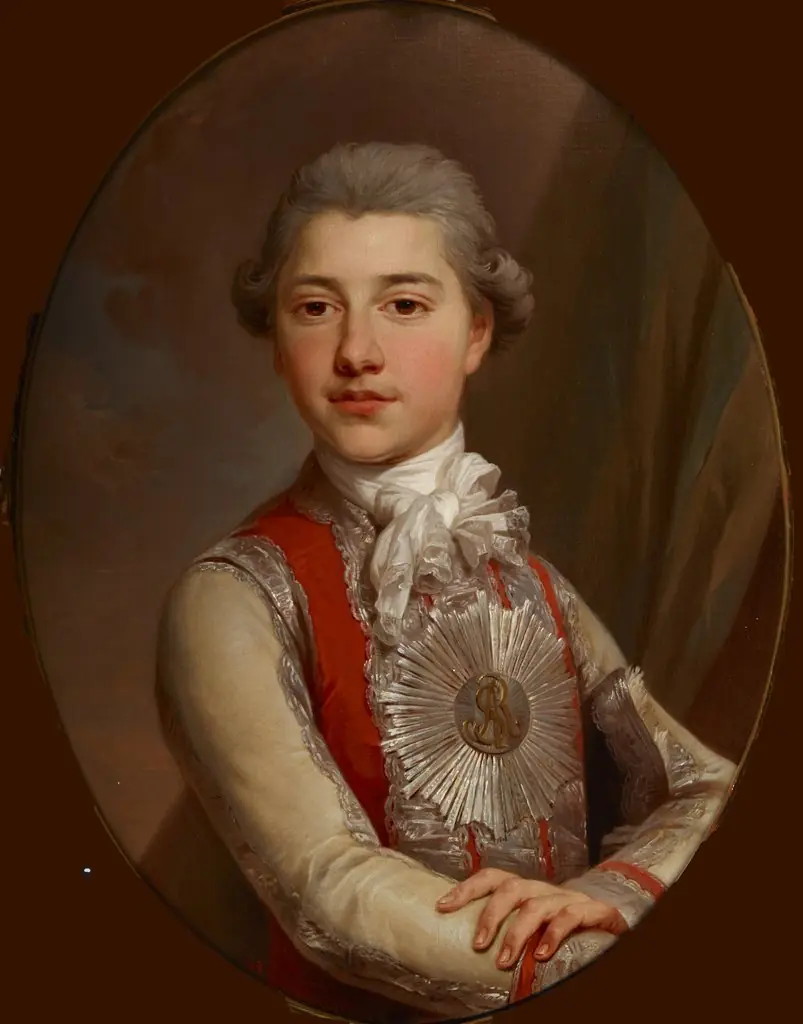 Portrait of Prince Józef Poniatowski as a Youth
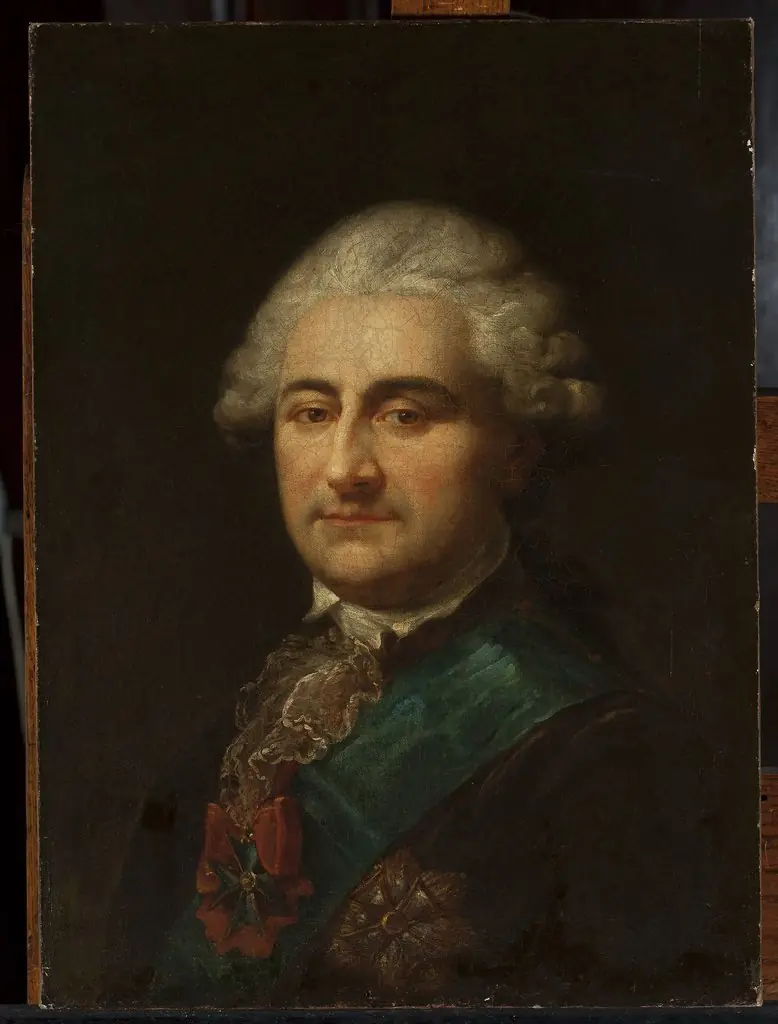 Portrait of Stanisław August Poniatowski with the Order of the White Eagle
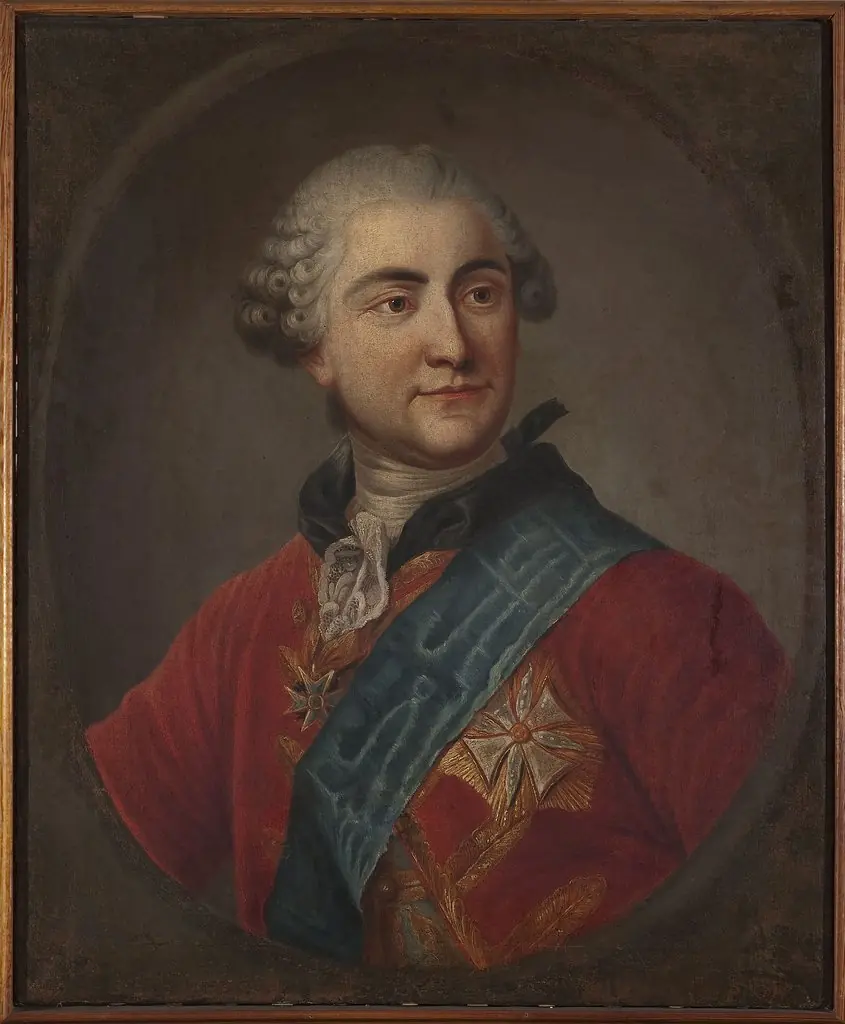 Portrait of Stanisław August Poniatowski
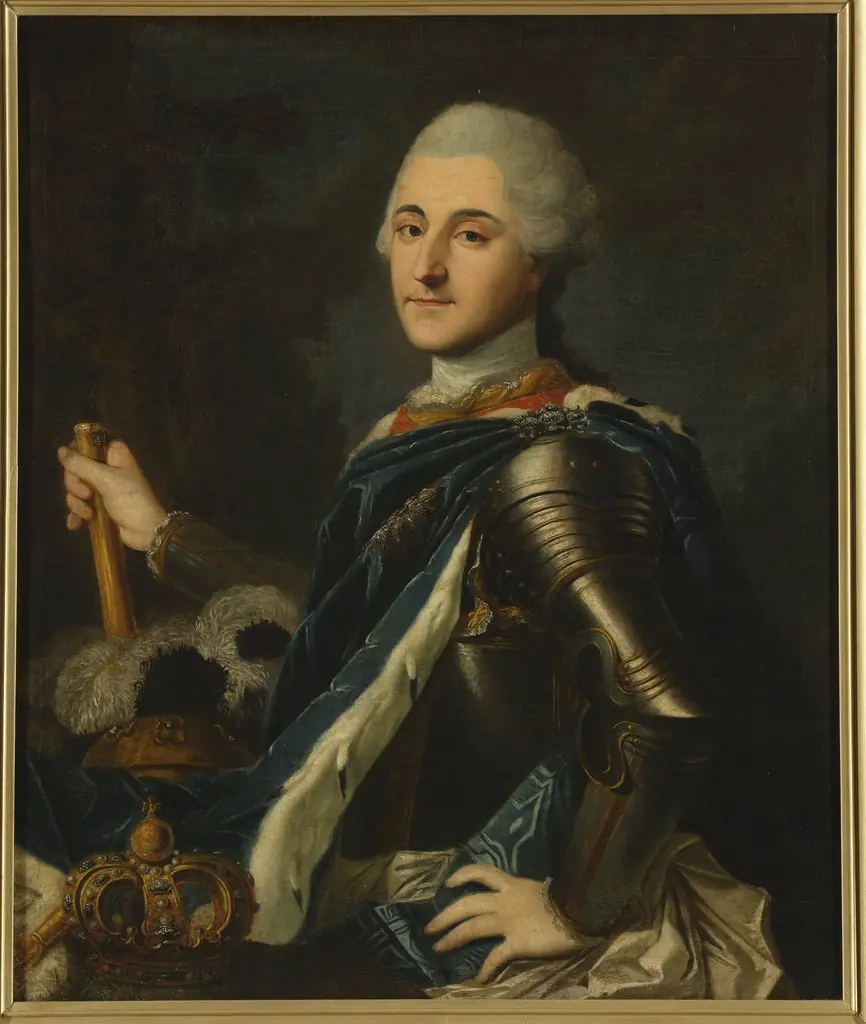 Portrait of king Stanisław August in armour
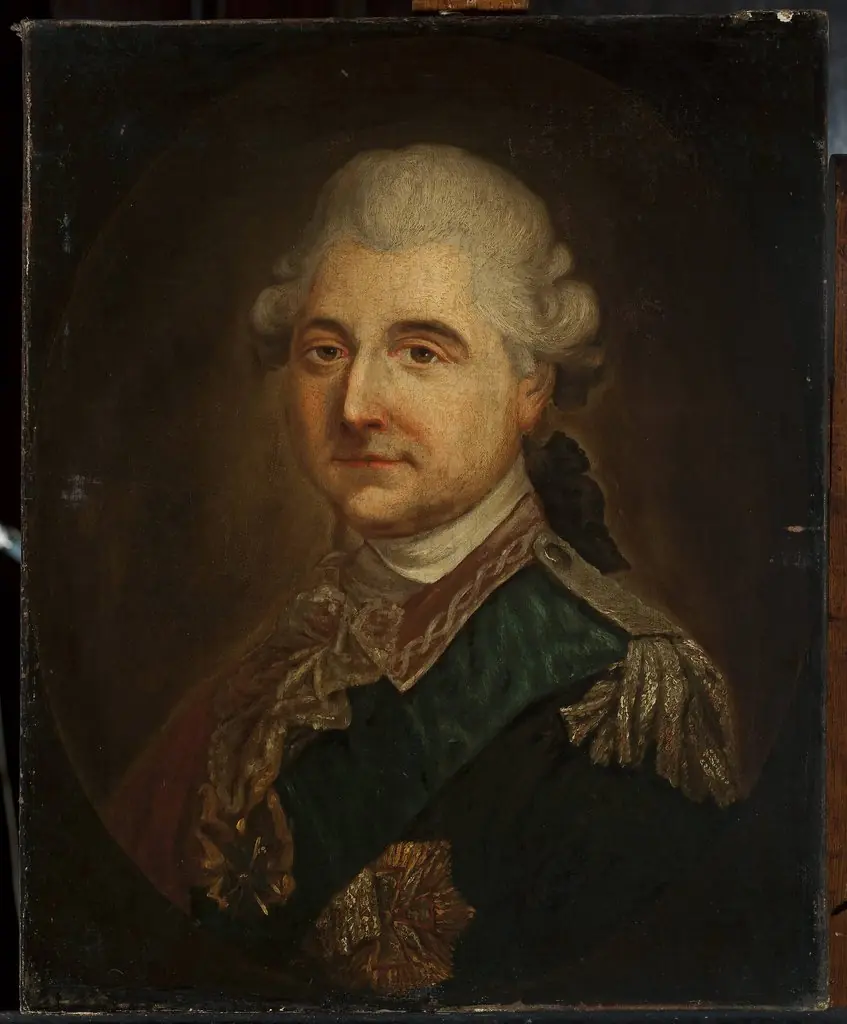 Portrait of Stanisław August Poniatowski in the uniform of the head of the Corps of Cadets
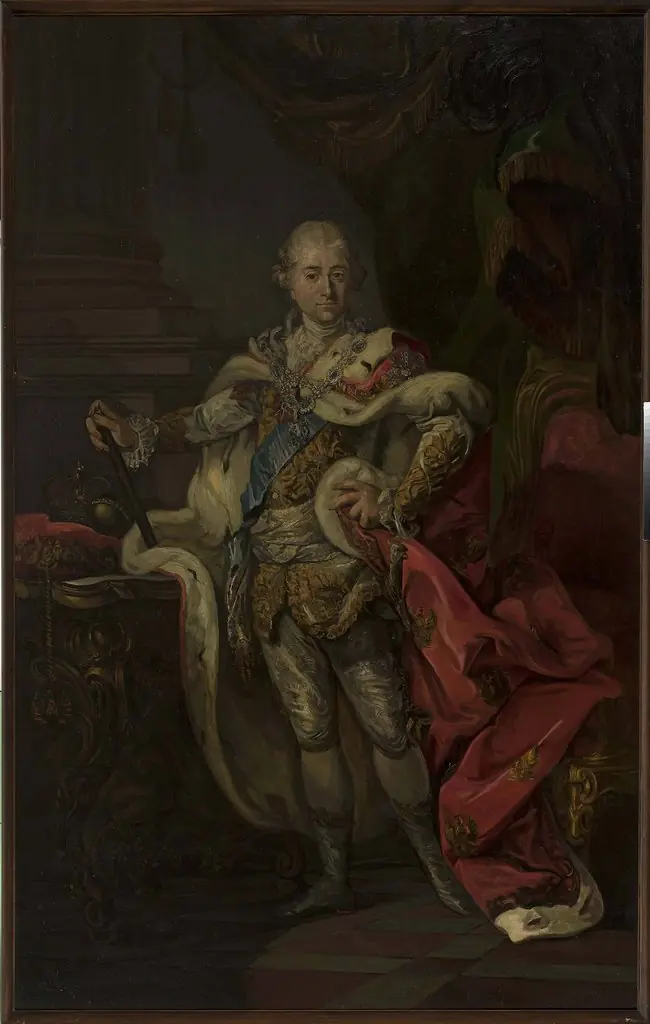 Portrait of Stanisław August in the coronation costume
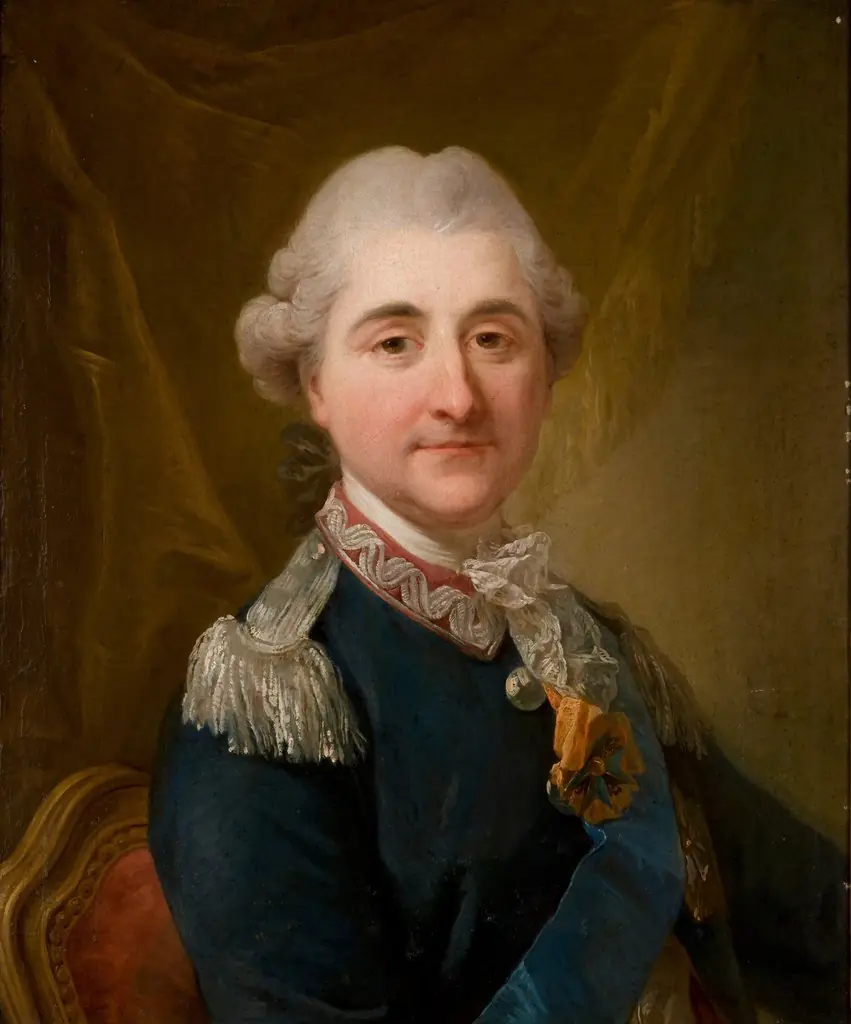 Portrait of King Stanislaus Augustus Poniatowski