Artwork
Romeo and Juliet
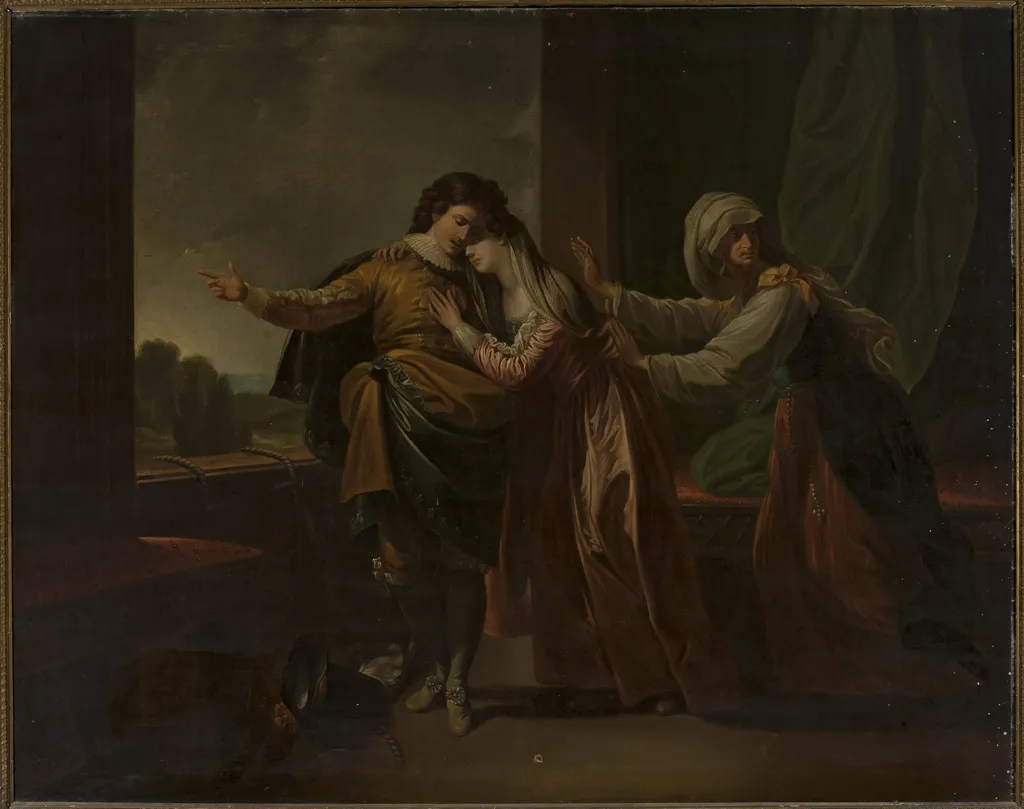
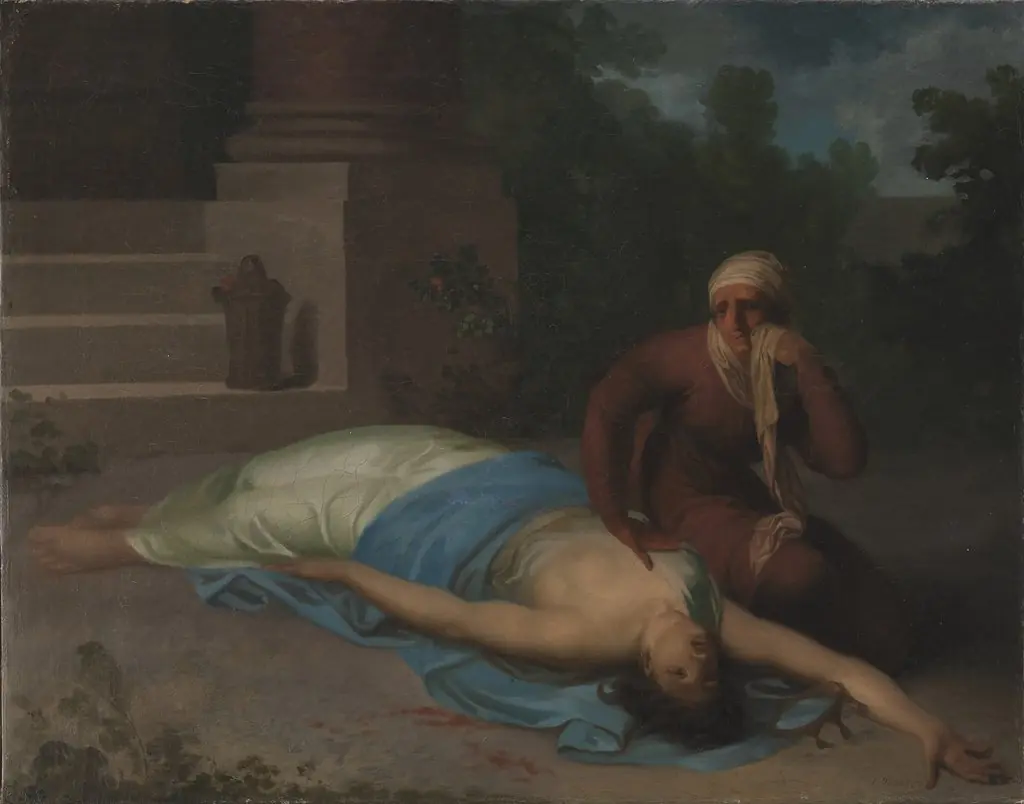
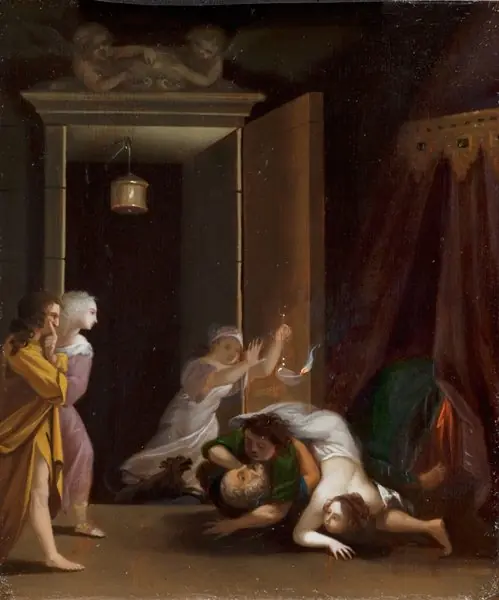
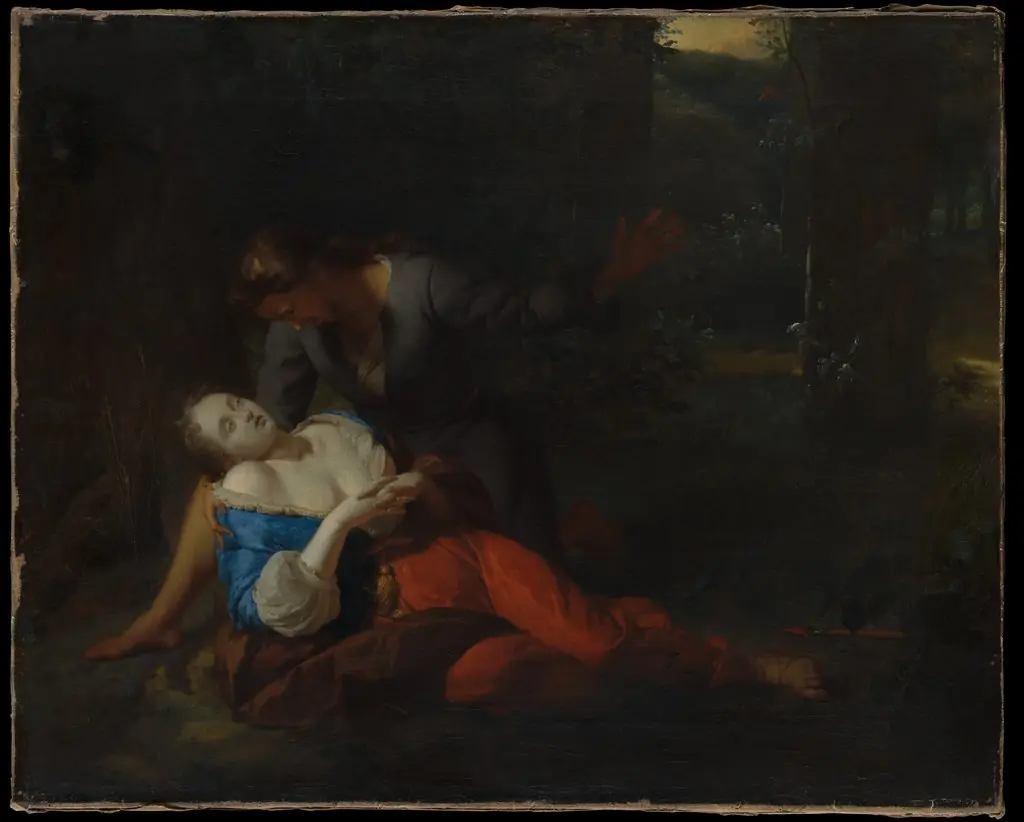
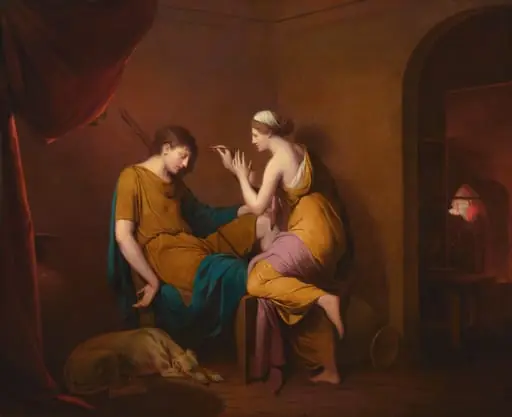
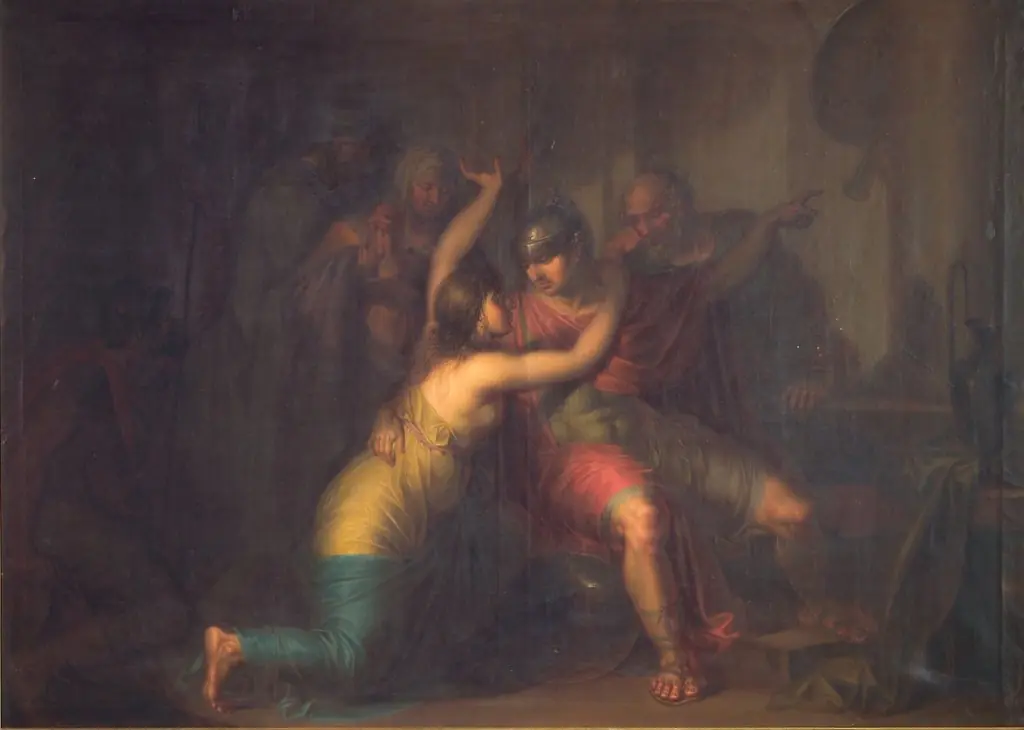
Romeo and Juliet is an oil painting by the Neoclassicist artist Marcello Bacciarelli. It dates from 1798 and is held in the collection of the National Museum in Warsaw.
About this work
Overview
It is now part of the National Museum in Warsaw’s collection, reflecting his influence on the region’s artistic development in the late 18th century.
Painted in 1798 by Marcello Bacciarelli, this oil-on-canvas work interprets a moment from Shakespeare’s Romeo and Juliet. Bacciarelli, an Italian artist who spent most of his career in Poland, produced this piece during his tenure in the Polish–Lithuanian Commonwealth. It is now part of the National Museum in Warsaw’s collection, reflecting his influence on the region’s artistic development in the late 18th century.
Subject & Meaning
The scene captures the emotional rupture between Juliet and her family as she resists being separated from Romeo. The woman in pink, likely Juliet, is being drawn away by an older female figure, while Romeo, in yellow and black, reaches toward her with urgency. The tension is heightened by the physical struggle and the unspoken conflict between personal desire and familial duty, echoing the tragedy’s central theme.
Technique & Style
Bacciarelli employs chiaroscuro to model the figures with sharp contrasts between light and shadow, lending volume and emotional weight to their forms. The drapery of garments, especially the dark cape and red dress, enhances the sense of movement. The composition is carefully staged, with figures arranged to guide the viewer’s eye toward the central conflict, characteristic of Neoclassical narrative painting.
History & Provenance
Created during Bacciarelli’s years in Warsaw, the painting was likely commissioned or acquired by Polish patrons familiar with European literary traditions. It entered the National Museum’s collection in the 19th century, where it has remained. Its preservation reflects the museum’s early commitment to documenting both local and international artistic influences within the Commonwealth.
Context
In late 18th-century Poland, interest in Shakespeare grew among the educated elite, who saw his works as expressions of universal human emotion. Bacciarelli’s choice of subject aligns with this cultural shift, blending Italian training with Polish patronage. The painting reflects broader European trends in Neoclassicism, where historical and literary themes were rendered with moral gravity and formal clarity.
Legacy
Though not widely reproduced, the painting remains a significant example of how Shakespearean narratives were visualized in Eastern Europe during the Enlightenment. It illustrates the transnational exchange of artistic ideas and the role of court painters in shaping regional tastes. Bacciarelli’s interpretation contributes to a lesser-known but important strand of Neoclassical storytelling outside Italy and France.
Artist & collection
Artist
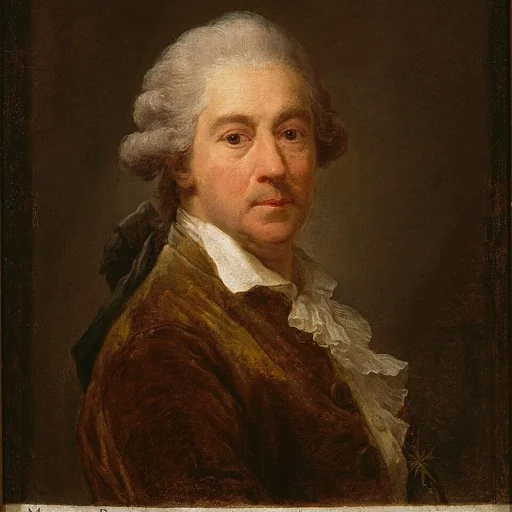
Marcello Bacciarelli (Italian pronunciation: ; 16 February 1731 – 5 January 1818) was an Italian-born painter of the late-baroque and Neoclassic periods active in Poland and the Polish–Lithuanian Commonwealth.

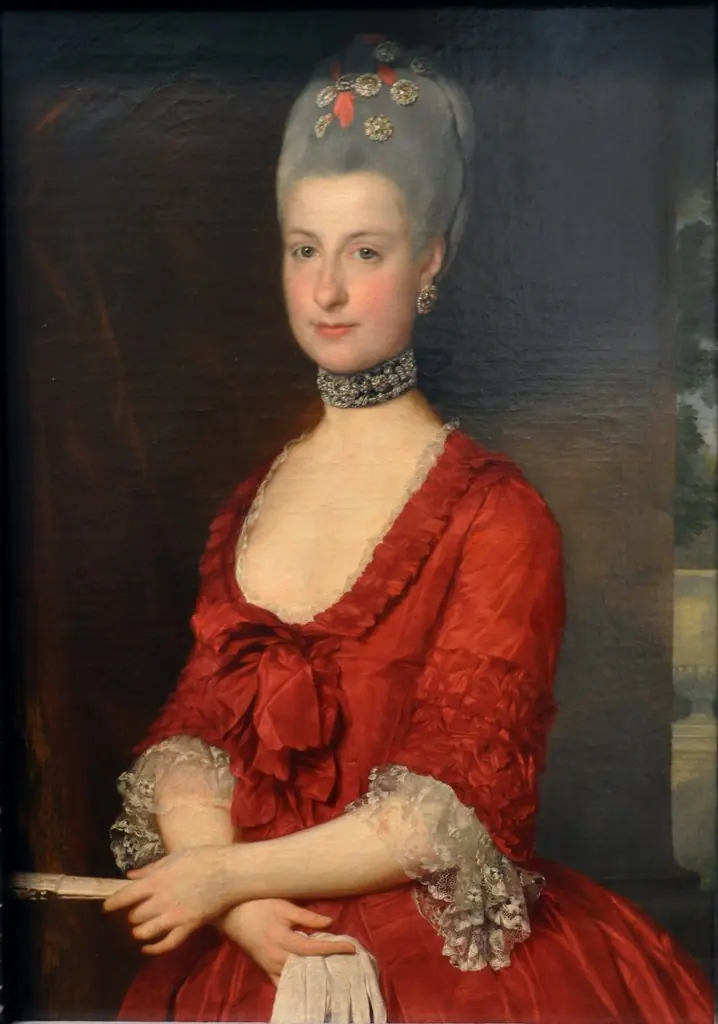 Portrait of Archduchess Maria Christina (1742-1798), Duchess of Teschen
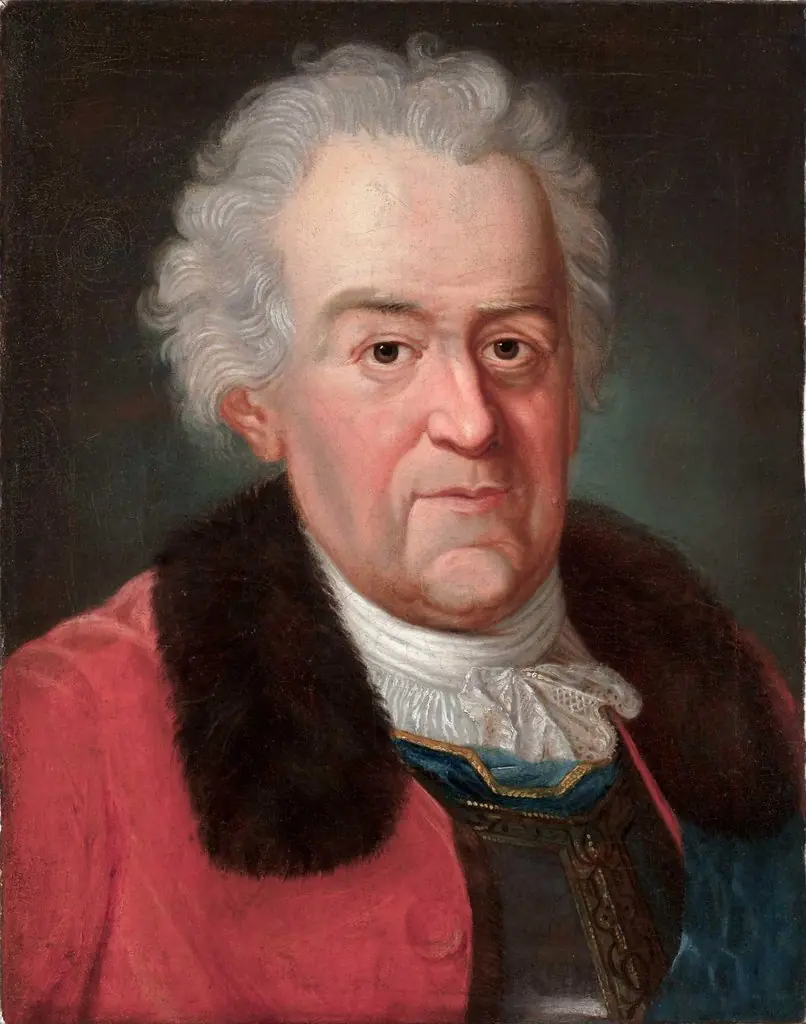 Portrait of Stanisław Poniatowski (1676–1762), king’s father
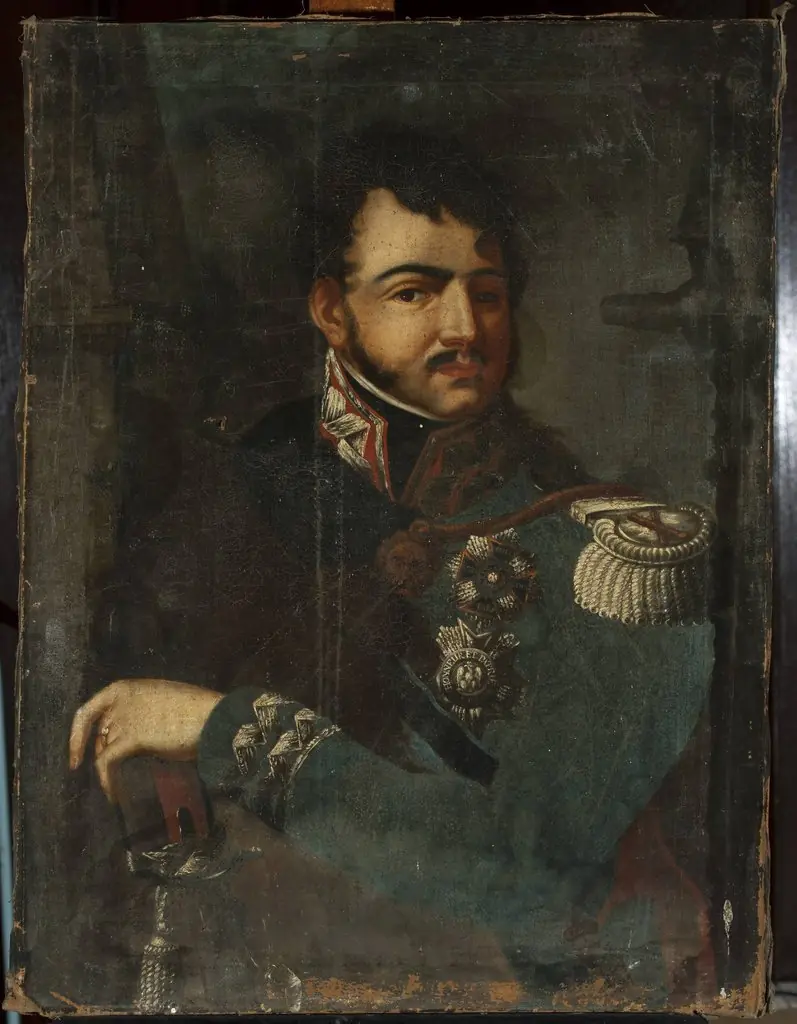 Portrait of Prince Józef Poniatowski
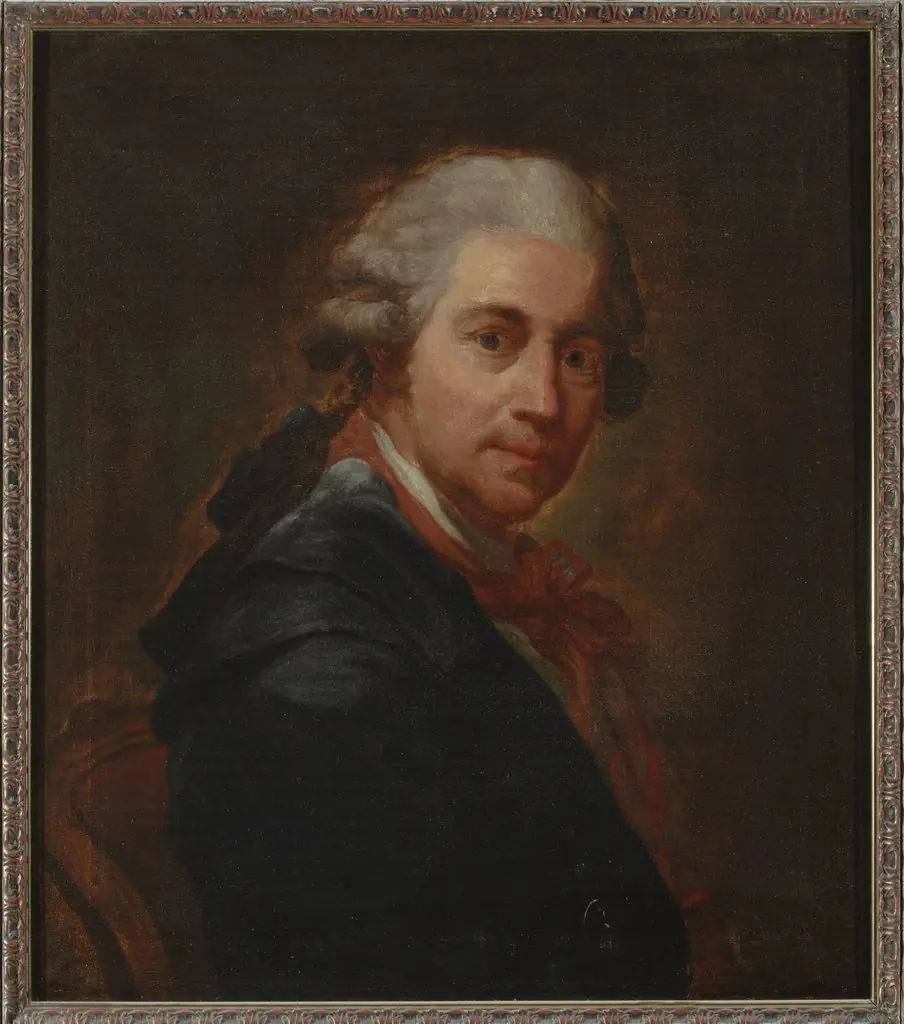 Self-portrait of Bacciarelli in a redingote
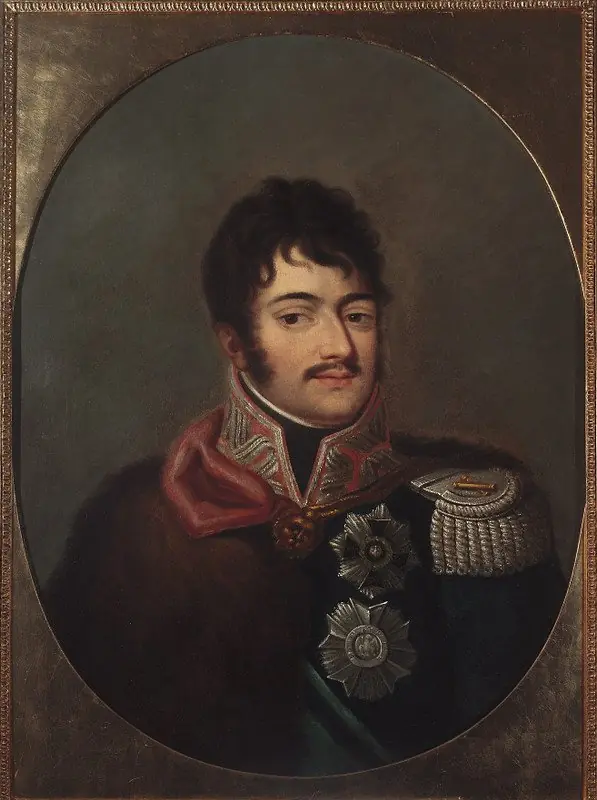 Portrait of Prince Józef Poniatowski
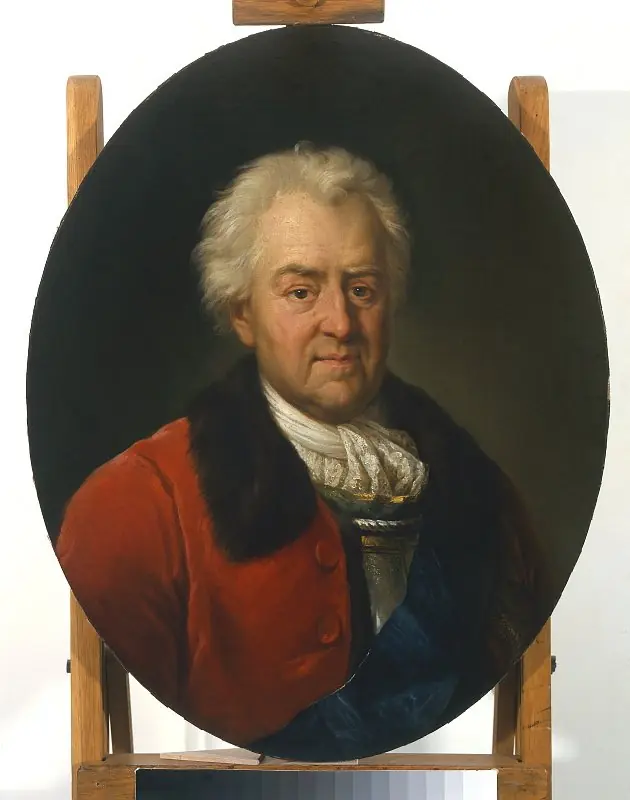 Portrait of Stanisław Poniatowski (1676–1762), king’s father
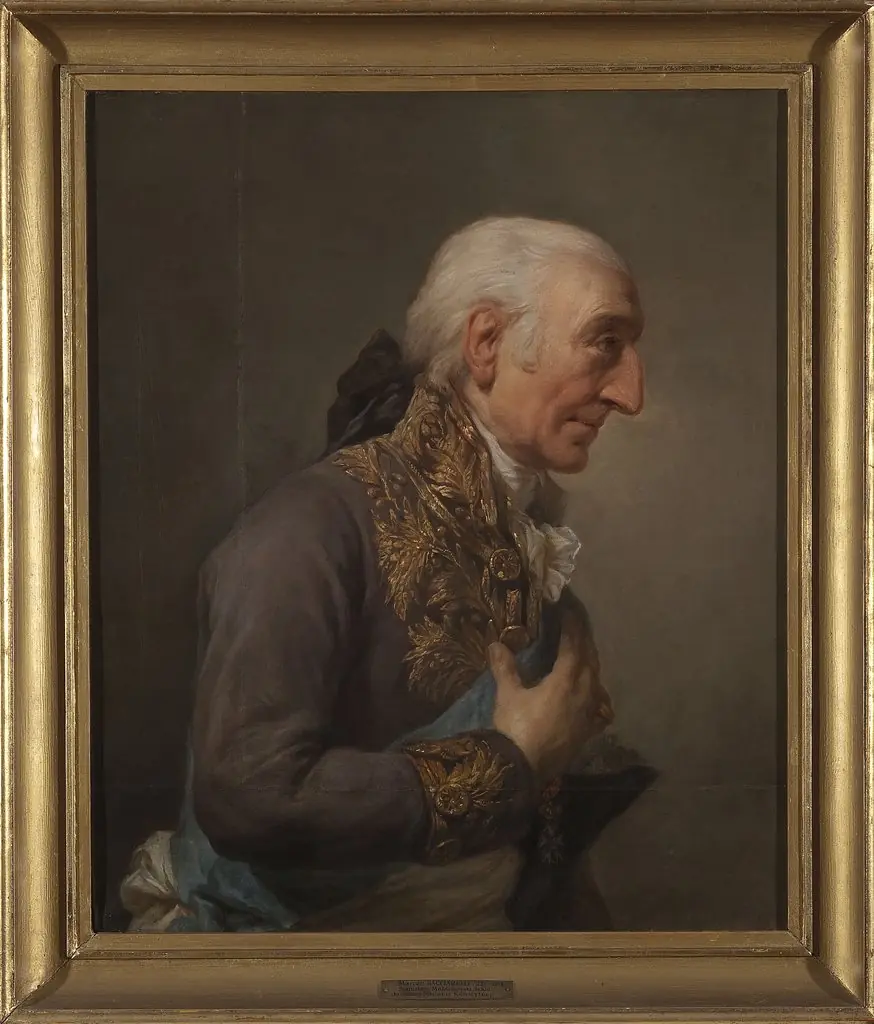 Portrait of Stanisław Małachowski (1736–1809), Marshal of the Seym
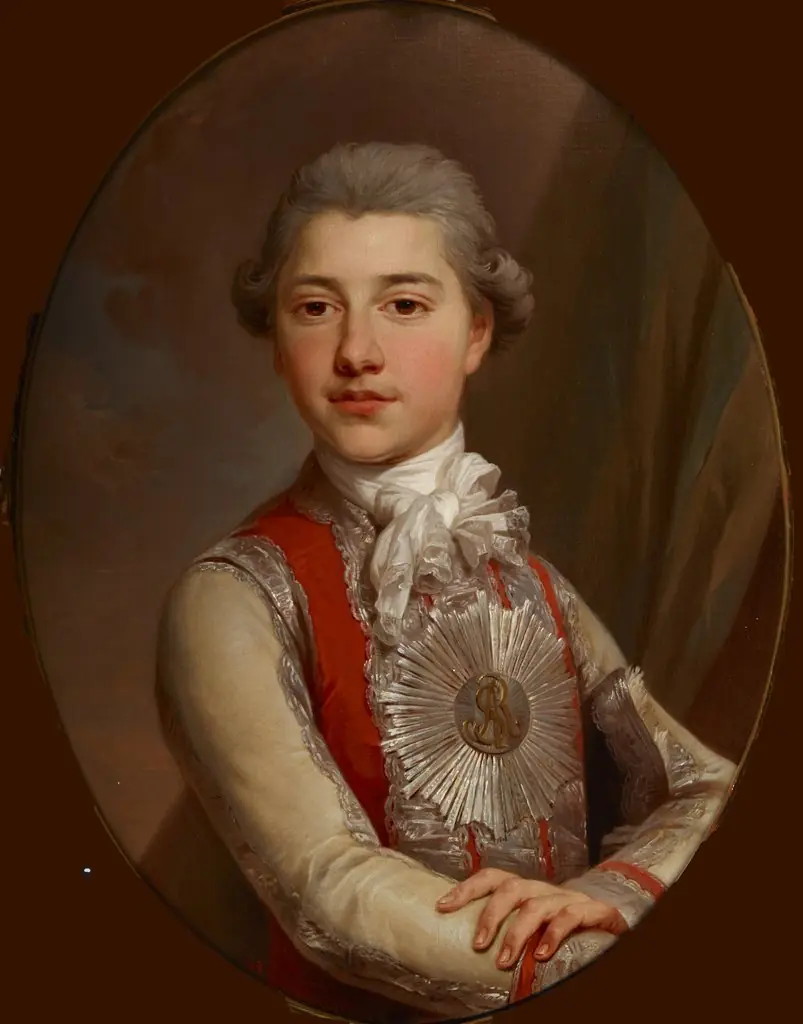 Portrait of Prince Józef Poniatowski as a Youth