Artwork
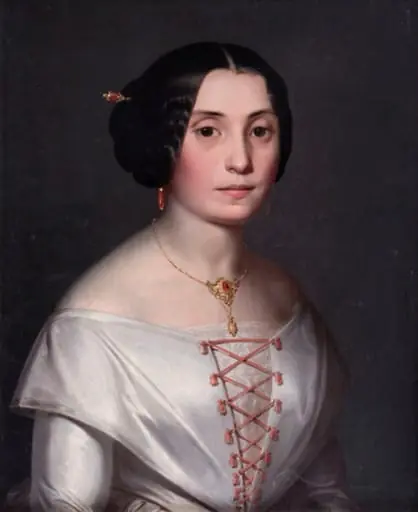
Auto-retrato de D. Maria das Dores Furtado
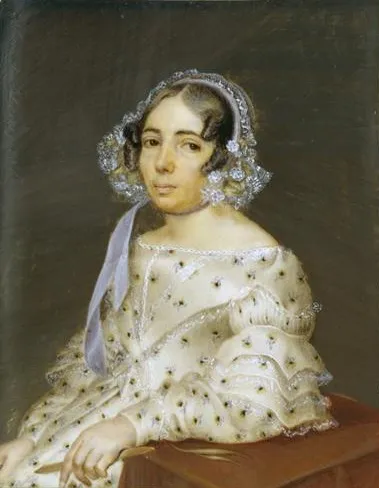
Auto-retrato de D. Maria das Dores Furtado is an unspecified painting by Maria das Dores de Almeida Furtado. It dates from 1840 and is held in the collection of the National Museum of Ancient Art.
About this work
Overview
Painted in 1840, this work is a self-portrait by Maria das Dores de Almeida Furtado, a Portuguese artist active in the early 19th century.
Painted in 1840, this work is a self-portrait by Maria das Dores de Almeida Furtado, a Portuguese artist active in the early 19th century. It presents the artist herself in formal attire, rendered with quiet precision against a deep, neutral background. The painting resides in the collection of the National Museum of Ancient Art in Lisbon, where it stands as one of the few known self-portraits by a woman artist from that period in Portugal.
Subject & Meaning
The subject is the artist herself, depicted with composure and dignity. Her attire—a white dress adorned with subtle black dots and a light blue ribbon—suggests both personal taste and adherence to contemporary conventions of modest elegance. The direct gaze and still posture convey self-possession, positioning the portrait not merely as likeness but as an assertion of identity and artistic presence in a male-dominated field.
Technique & Style
The painting employs a restrained palette and soft modeling to emphasize the figure against the dark background, creating a sense of intimacy and focus. Details in the fabric are rendered with fine brushwork, while the absence of decorative elements behind the subject directs attention to her form. The lighting is even and diffused, avoiding dramatic chiaroscuro, yet still achieving a sculptural presence through subtle tonal shifts.
History & Provenance
The painting has remained in institutional care since at least the late 19th century, entering the collection of the National Museum of Ancient Art in Lisbon. Its continuous preservation suggests early recognition of its significance as a rare female self-portrait from the period. No records indicate prior private ownership, implying it may have been donated or acquired directly from the artist’s estate.
Context
In mid-19th century Portugal, women artists were uncommon, and self-portraiture by women even rarer. This work emerges within a cultural moment when artistic training for women was limited, yet domestic and academic circles increasingly valued refined artistic expression. Furtado’s portrait reflects both the constraints and quiet opportunities available to women pursuing art in a conservative society.
Legacy
As one of the earliest known self-portraits by a Portuguese woman artist, the work contributes to the recovery of female voices in national art history. It is studied not for its technical innovation but for its historical rarity and the quiet authority it conveys. The painting remains a touchstone for discussions on gender, representation, and artistic identity in 19th-century Portugal.
Artist & collection

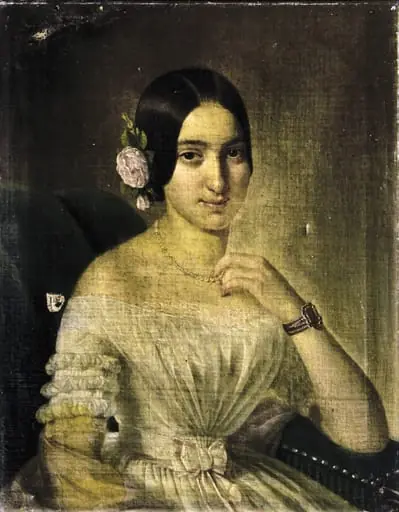 Portret de femeie
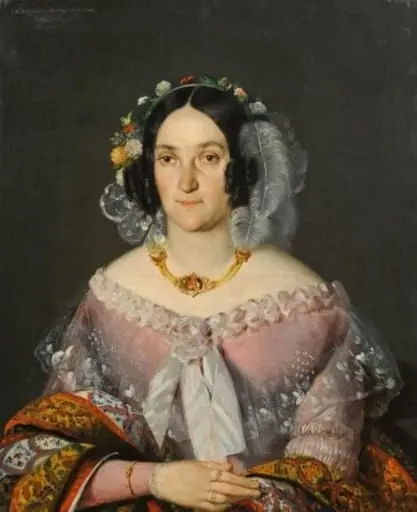 Vorniceasa Maria Burada
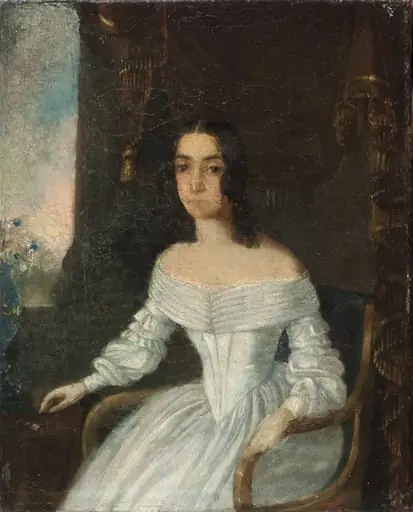 Portretul Elenei Manu (?)
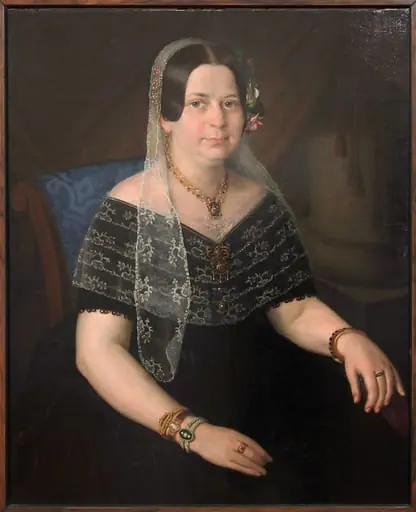 Portret de femeie
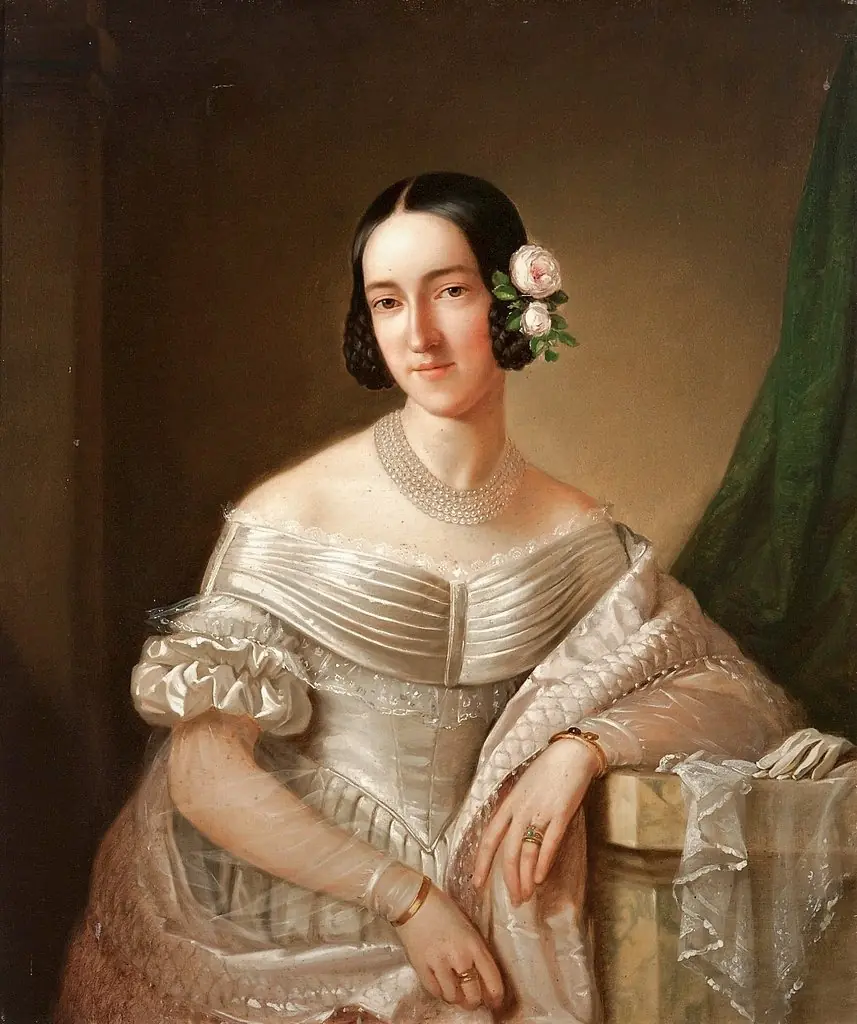 Portrait of Archduchess Hermine of Austria
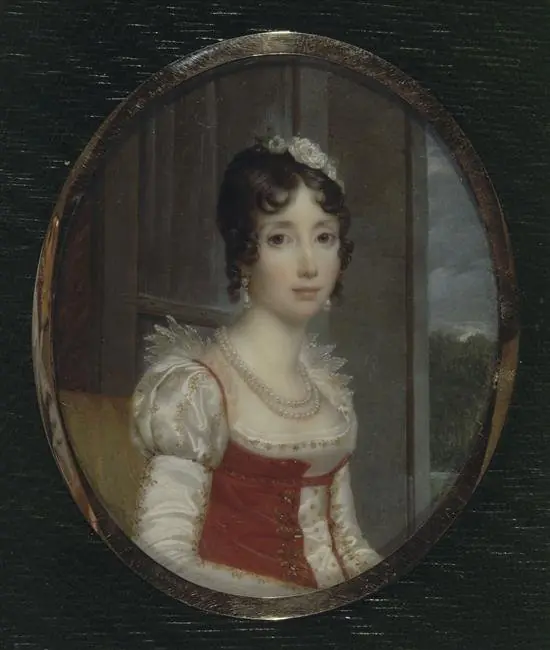 Porträt der Julie Clary (1771-1845)
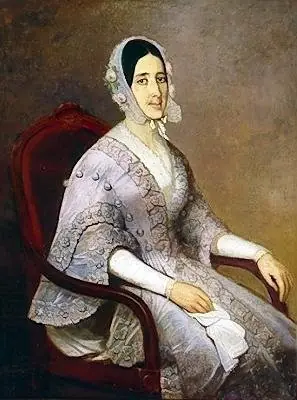 Portrait of a Lady
 Emilie von Wartenegg
 Portrait of Teresa Żebrawska née Hanowicz
 Portret de femeie
 Portrait of P.I. Sapoznikova
 Portret de femeie