Artwork
Emilie von Wartenegg
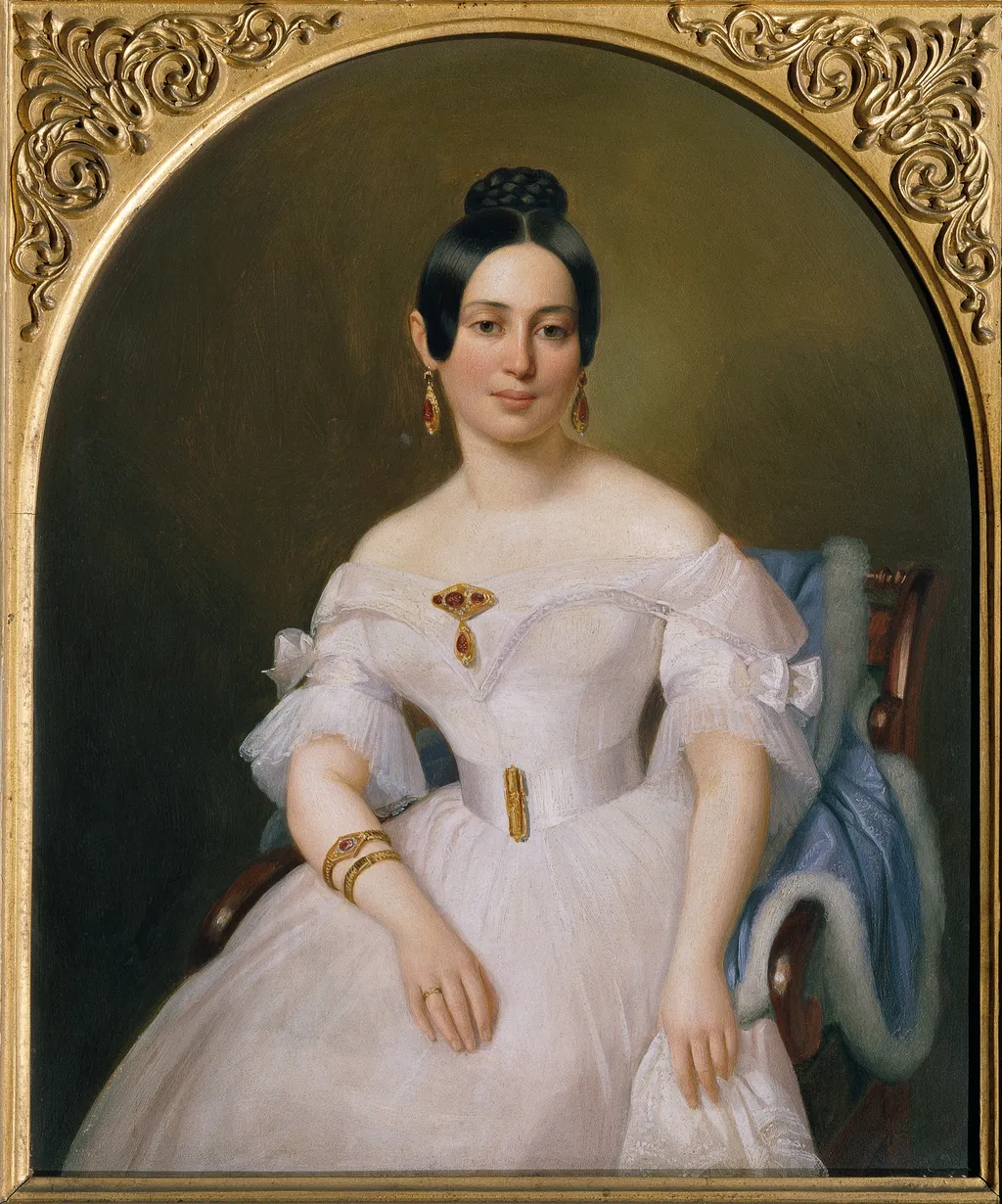
Emilie von Wartenegg is an unspecified painting by Julius Schoppe. It dates from 1841 and is held in the collection of the Kunsthistorisches Museum.
About this work
Overview
Executed circa 1841, *Emilie von Wartenegg* is a portrait by Julius Schoppe, a Berlin-born artist whose career spanned the Biedermeier era.
Executed circa 1841, *Emilie von Wartenegg* is a portrait by Julius Schoppe, a Berlin-born artist whose career spanned the Biedermeier era. Though Schoppe’s practice encompassed landscapes, historical scenes, and frescoes, he is chiefly remembered for his meticulous portraits. This work, now part of the Kunsthistorisches Museum’s holdings, exemplifies the period’s emphasis on refined, intimate representation.
Subject & Meaning
The painting presents a seated woman identified as Emilie von Wartenegg, rendered with understated elegance. Her attire—a white dress with delicate detailing—alongside modest jewelry and a restrained pose, reflects the conventions of bourgeois portraiture. The absence of overt symbolism suggests an intent to capture the sitter’s social standing and personal dignity rather than allegorical or narrative content.
Technique & Style
Schoppe’s approach combines precise draftsmanship with a controlled use of light, directing focus toward the subject’s face and attire. Subtle tonal gradations model the folds of the dress and the contours of the skin, while the neutral background ensures the figure remains the composition’s focal point. The painting’s clarity and restraint align with Biedermeier aesthetics, prioritizing legibility and craftsmanship over dramatic effect.
History & Provenance
Little is documented about the painting’s early history, though its creation coincides with Schoppe’s mature period in Berlin. Acquired by the Kunsthistorisches Museum, the work has since been preserved as part of its collection of 19th-century European portraiture. Its condition and attribution remain stable, with no significant disputes regarding its authorship or date.
Context
The Biedermeier period, roughly spanning 1815 to 1848, favored domestic and private themes, often expressed through portraiture. Schoppe’s work reflects this cultural shift, emphasizing individual likeness and social propriety over grand historical or mythological subjects. *Emilie von Wartenegg* typifies the era’s preference for restrained elegance and technical precision in depicting the middle and upper classes.
Artist & collection
Artist
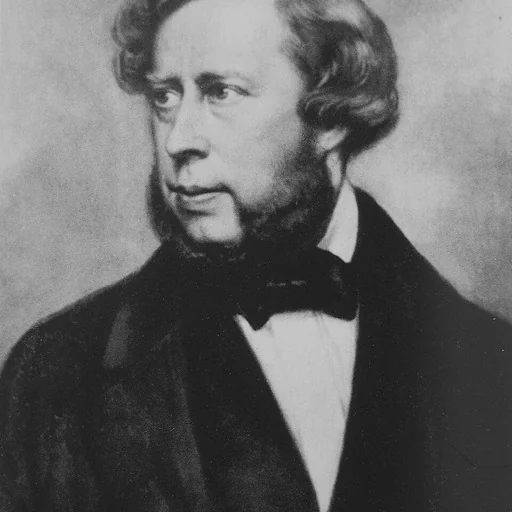
Julius Schoppe (27 January 1795, Berlin - 30 March 1868, Berlin) was a German portrait, landscape, history and fresco painter in the Biedermeier style.

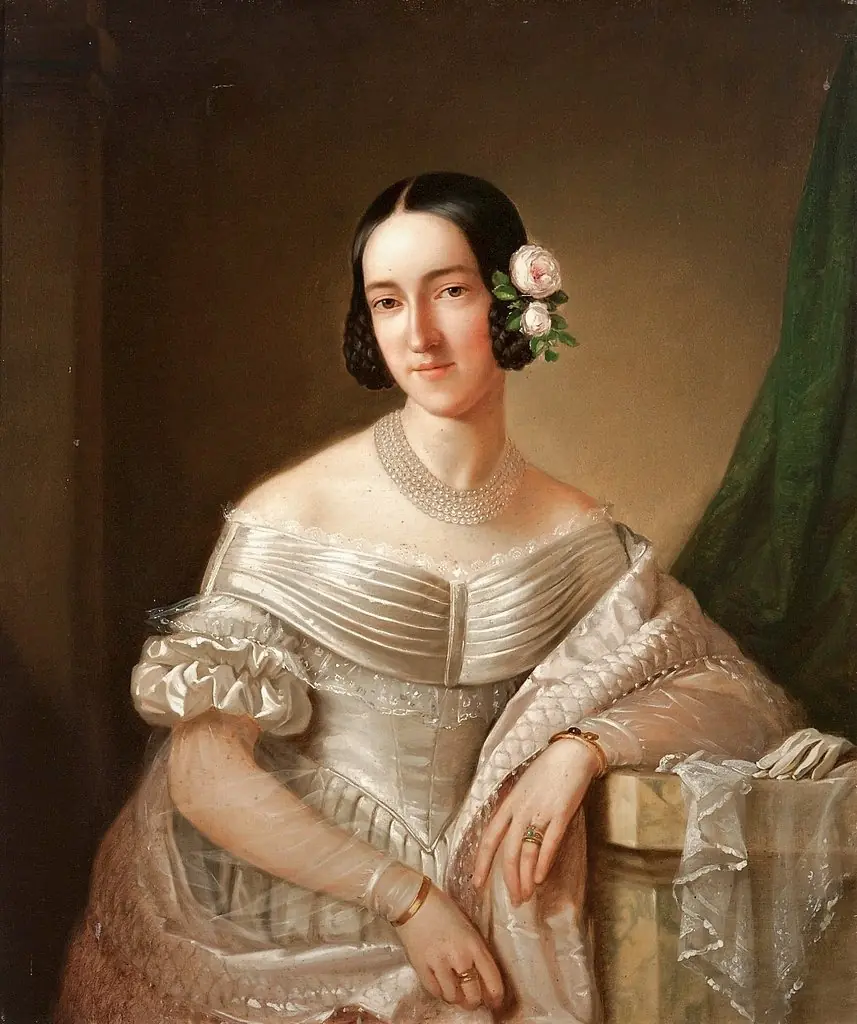 Portrait of Archduchess Hermine of Austria
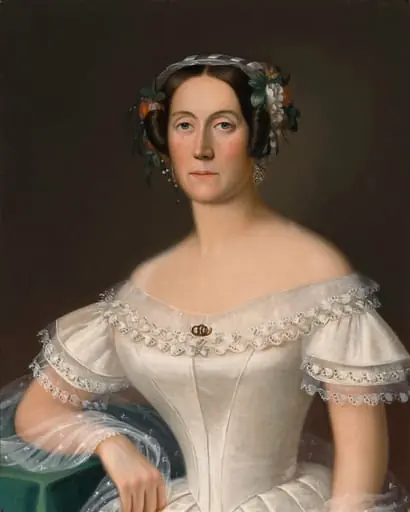 Cecilia Lindroos (os. Meyer) nuorena.
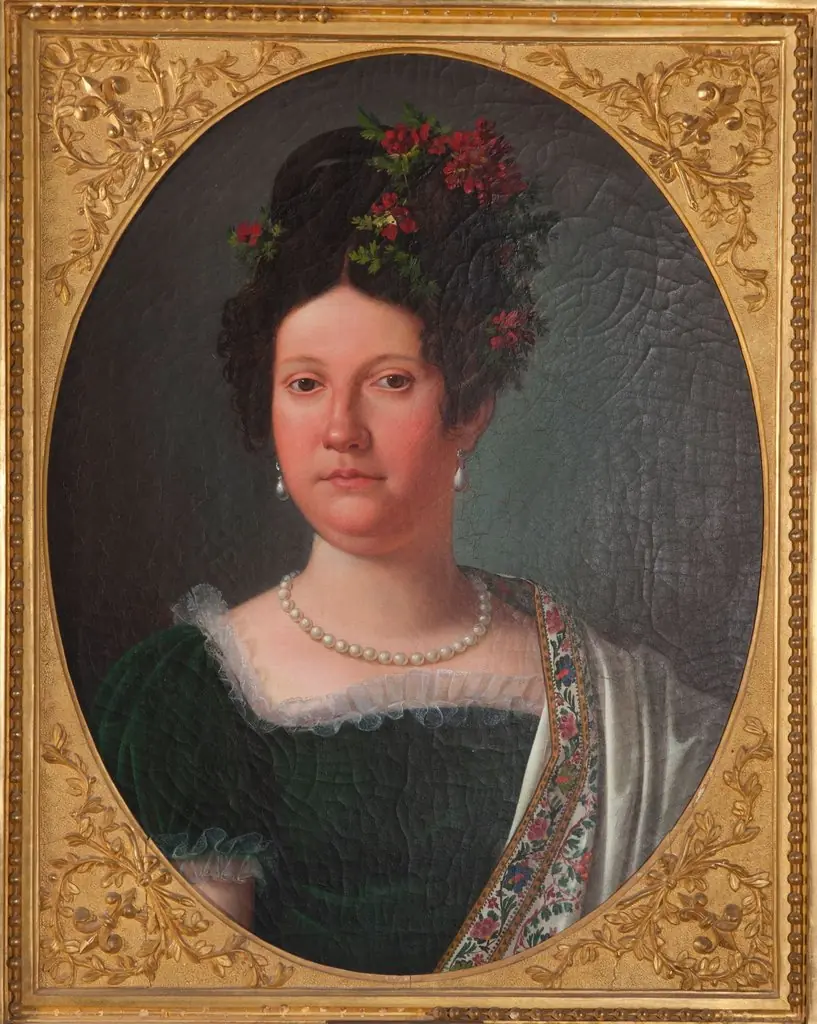 Portrait of María Isabella of Spain (1789-1848), Gueen of the Two Sicilies
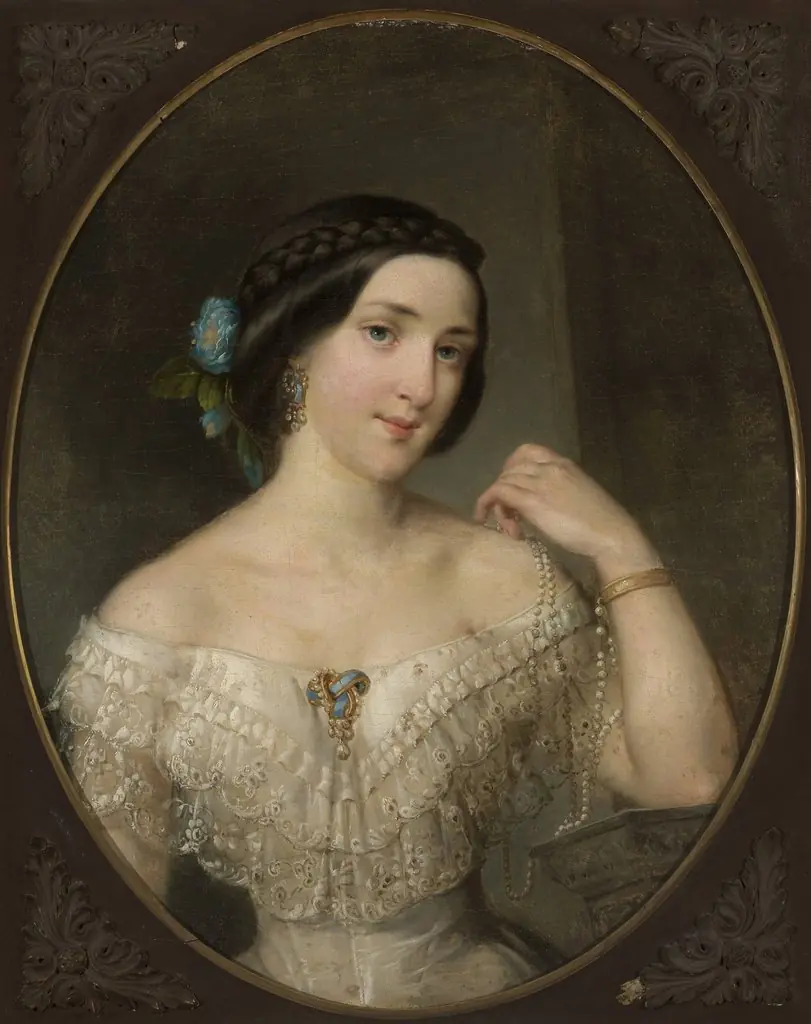 Portrait of Maria Ludwika Blumenfeld née Kobyłecka
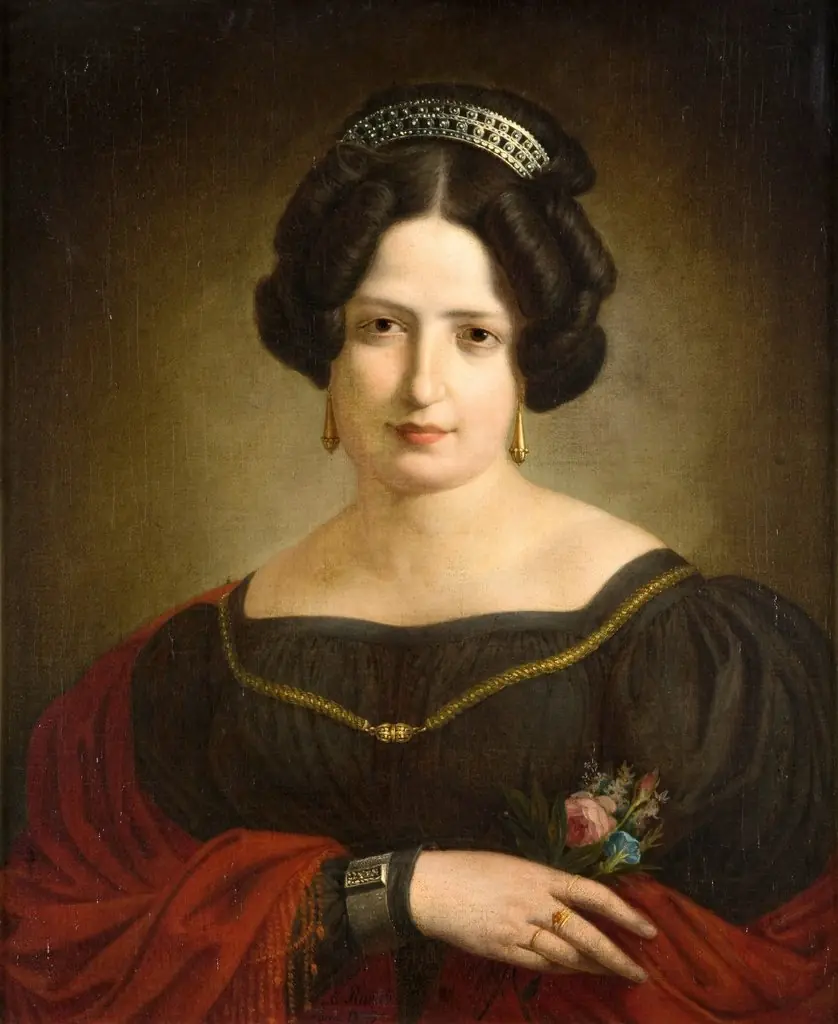 Portrait of Wife Antonina
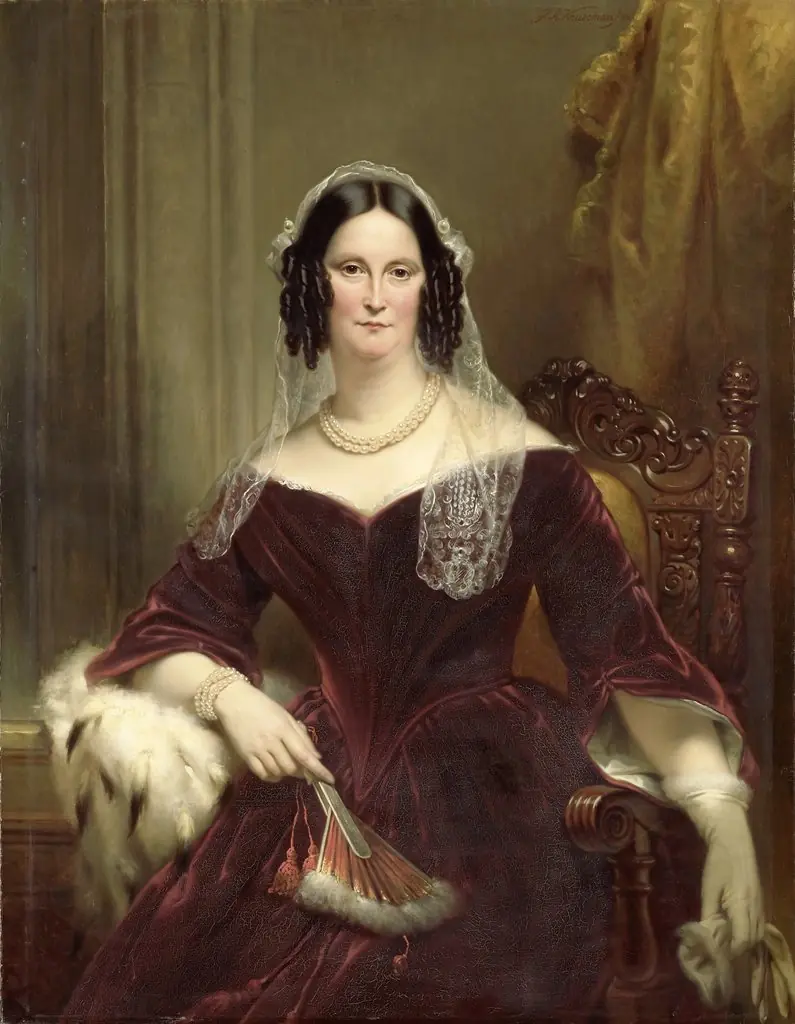 Portrait of Dieuwke Fontein, second Wife of Adriaan van der Hoop
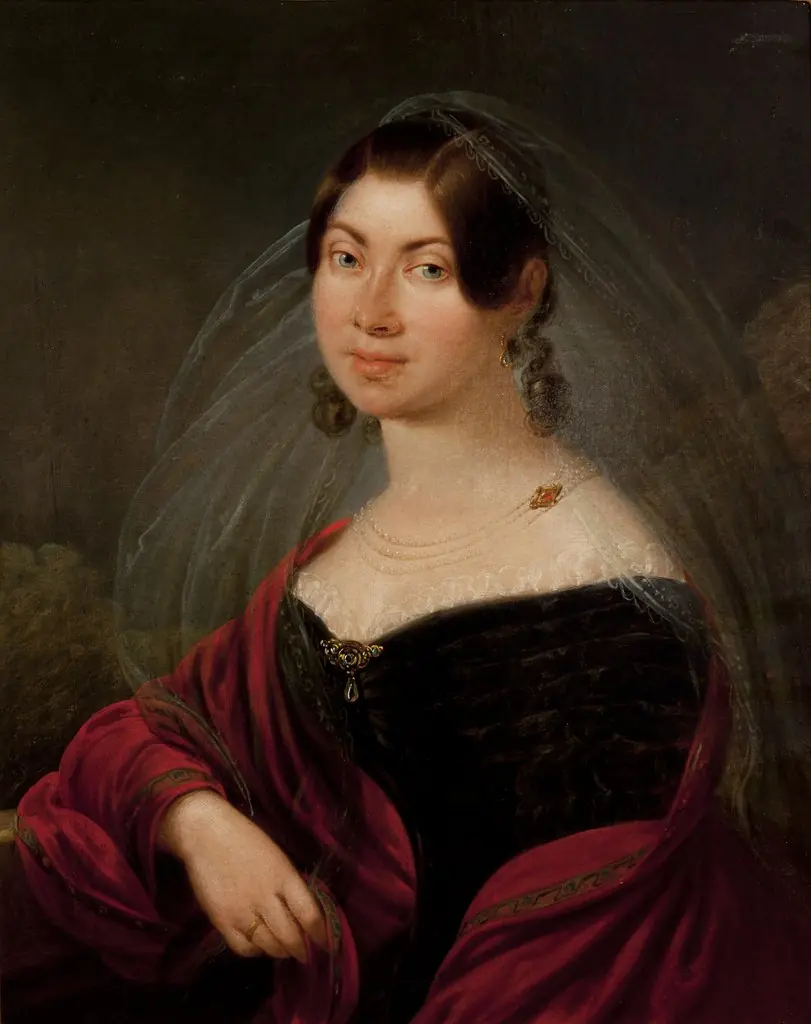 Portrait of Teresa Żebrawska née Hanowicz
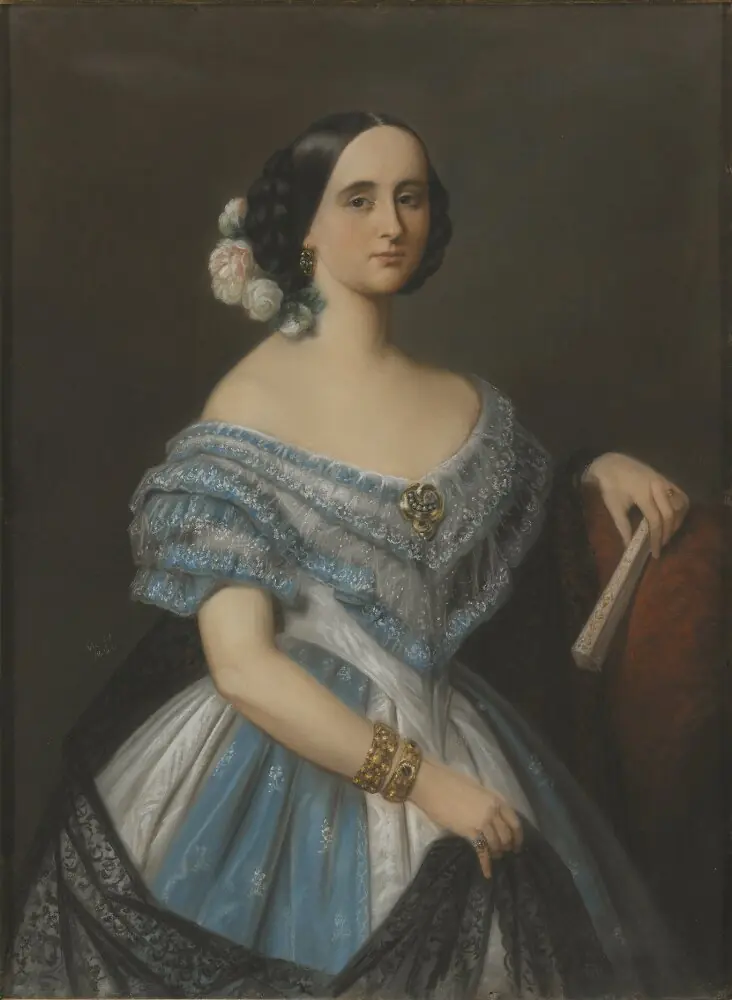 Julie (Julia Mathilda) Berwald, g. Åkerhielm af Margrethelund (1822-1877), operasångerska, gift med friherre hovmarskalk Gustaf Georg Knut Åkerhielm af Mergrethelund
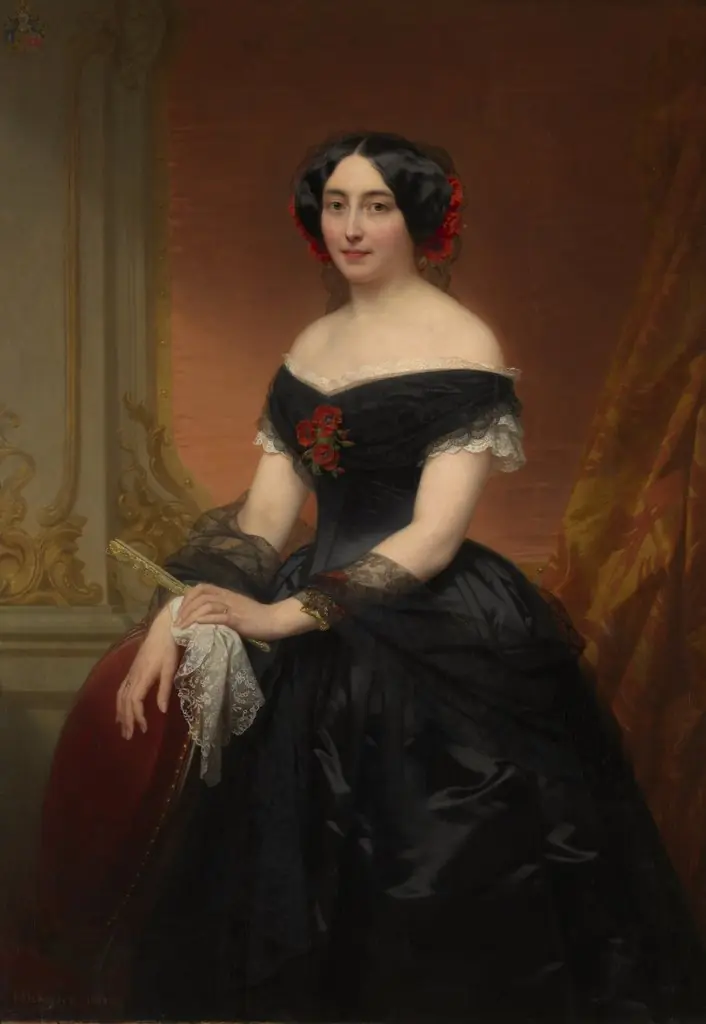 Madame Mols-de Brialmont
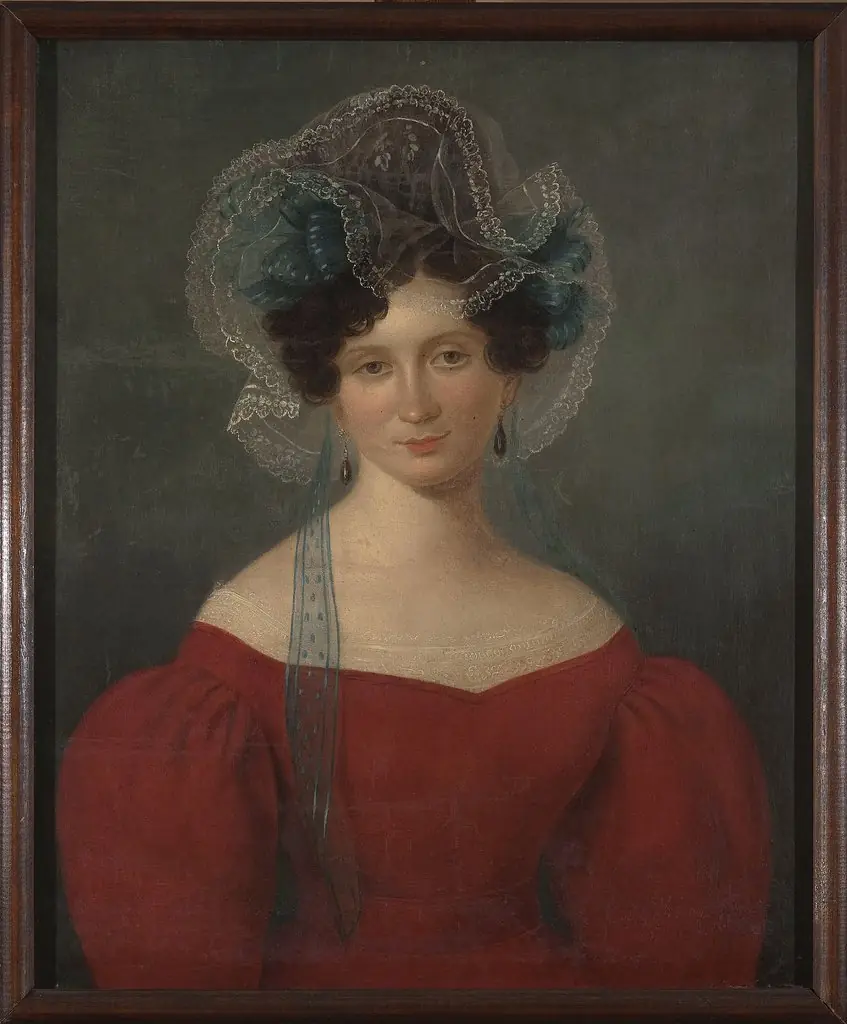 Portrait of a lady in a red dress
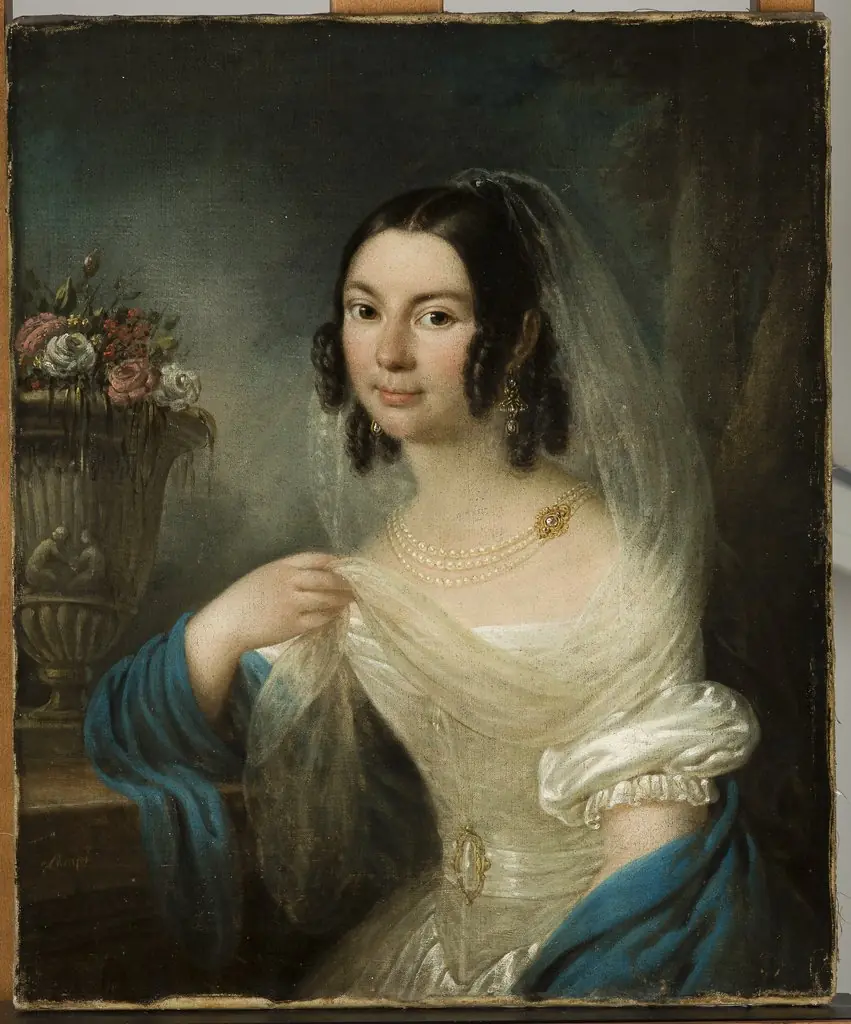 Portrait of Senator Chądzyński's Wife
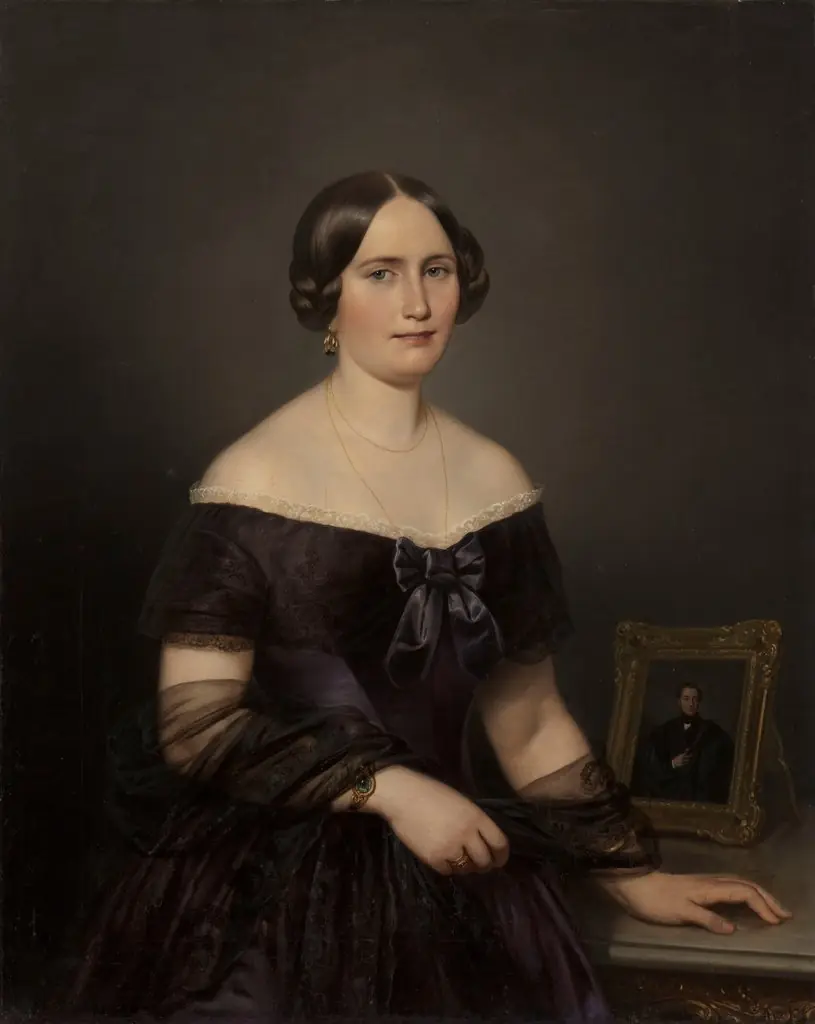 Ksenia Cavos