Artwork
Portret de femeie
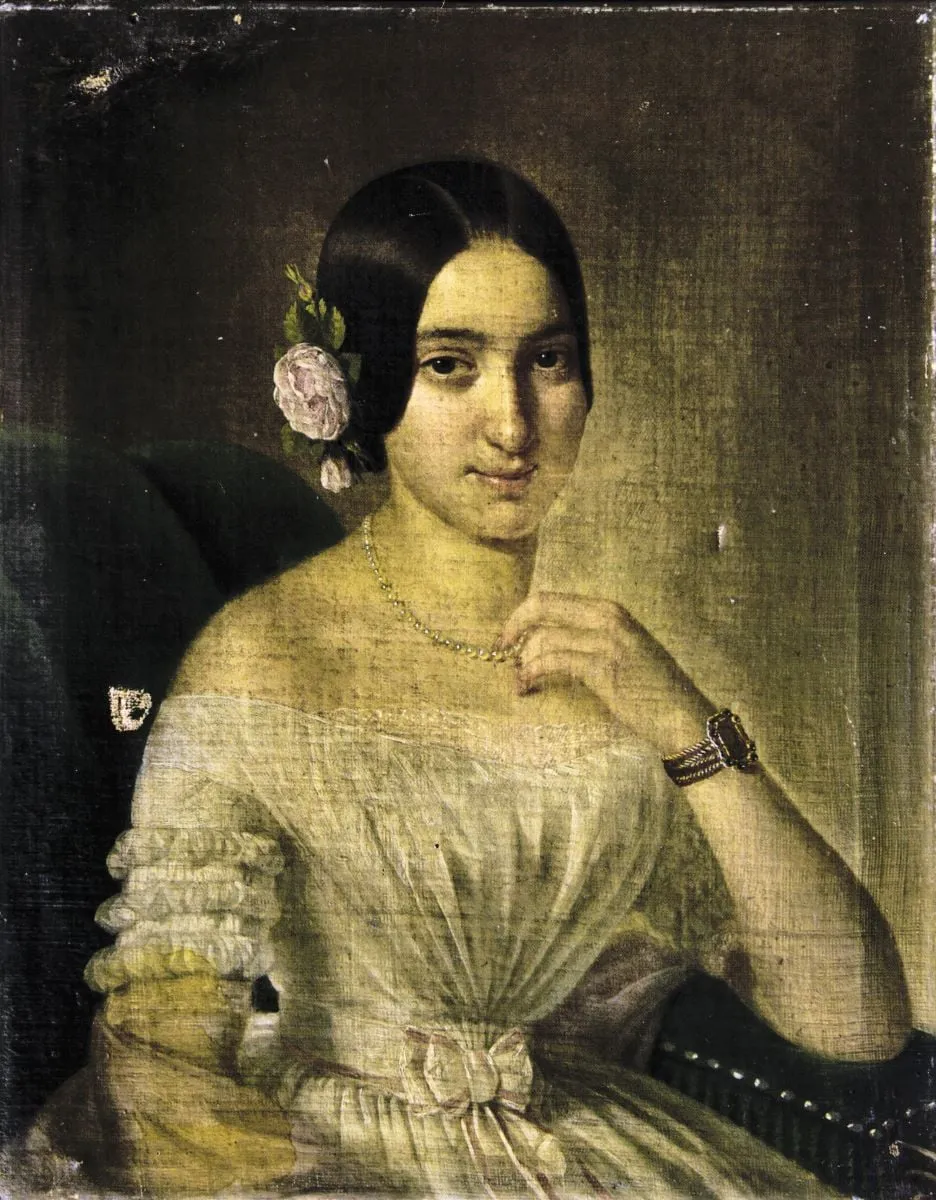
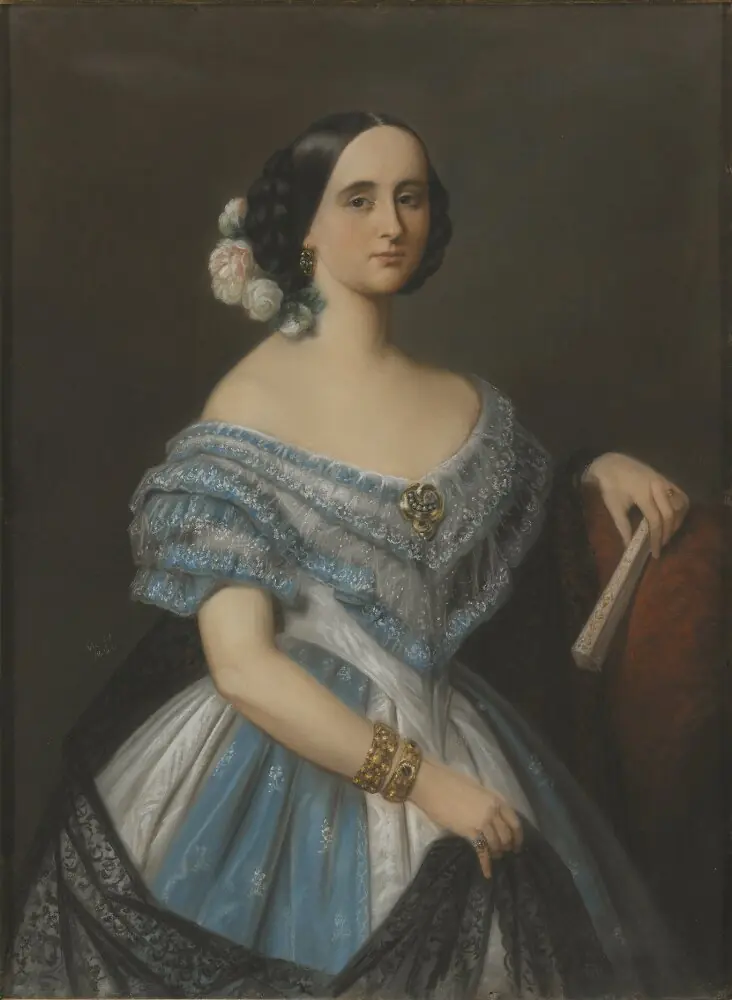
Portret de femeie is an unspecified painting by the Romanticist artist Iosif Weidner. It dates from 1845 and is held in the collection of the George Enescu National Museum.
About this work
Overview
Iosif Weidner’s 1845 portrait presents a seated woman rendered in a light‑toned dress with puffed sleeves. Her hair is gathered back and accented by a small flower, while a necklace and bracelet catch the light. The figure rests a hand on her chest, set against a dark, softly blended background.
Subject & Meaning
The work focuses on a single female sitter, emphasizing personal adornment and quiet contemplation. The inclusion of the floral motif—a rose‑type blossom—along with the jewelry suggests notions of femininity and modest elegance, inviting viewers to consider the individual’s identity within the intimate domestic sphere.
Technique & Style
Weidner employs gentle brushwork that merges the sitter’s facial features into the surrounding darkness, creating a subtle atmospheric effect. The palette contrasts the pale clothing with a deep background, while the delicate handling of light on metal accessories highlights the artist’s attention to texture and materiality typical of mid‑19th‑century portraiture.
History & Provenance
Created in 1845, the portrait is part of the collection of the Museum of Ethnography. Its acquisition history is not extensively documented, but the work has remained within the museum’s holdings, serving as a representative example of the artist’s output during that period.
Context
The painting emerges from a period when Romantic sensibilities influenced portraiture, encouraging expressive detail and emotional nuance. Weidner’s focus on the sitter’s inner presence, conveyed through soft modeling and intimate accessories, reflects broader artistic trends that prioritized personal feeling over strict academic formalism.
Artist & collection
Artist
Iosif Weider painted a single work in our collection: *Portret de femeie* (1845), a straightforward portrait of a woman in the direct style of the mid-1800s.
 Portret de femeie
 Portret de femeie
 Portret de femeie
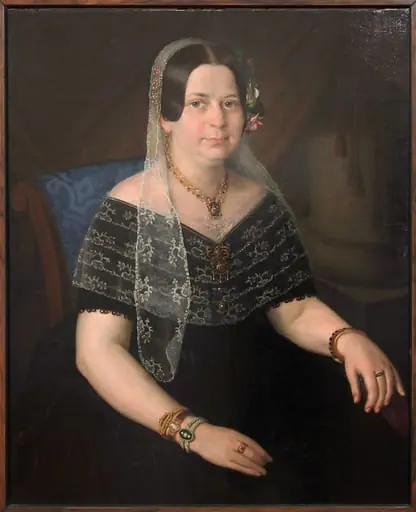 Portret de femeie
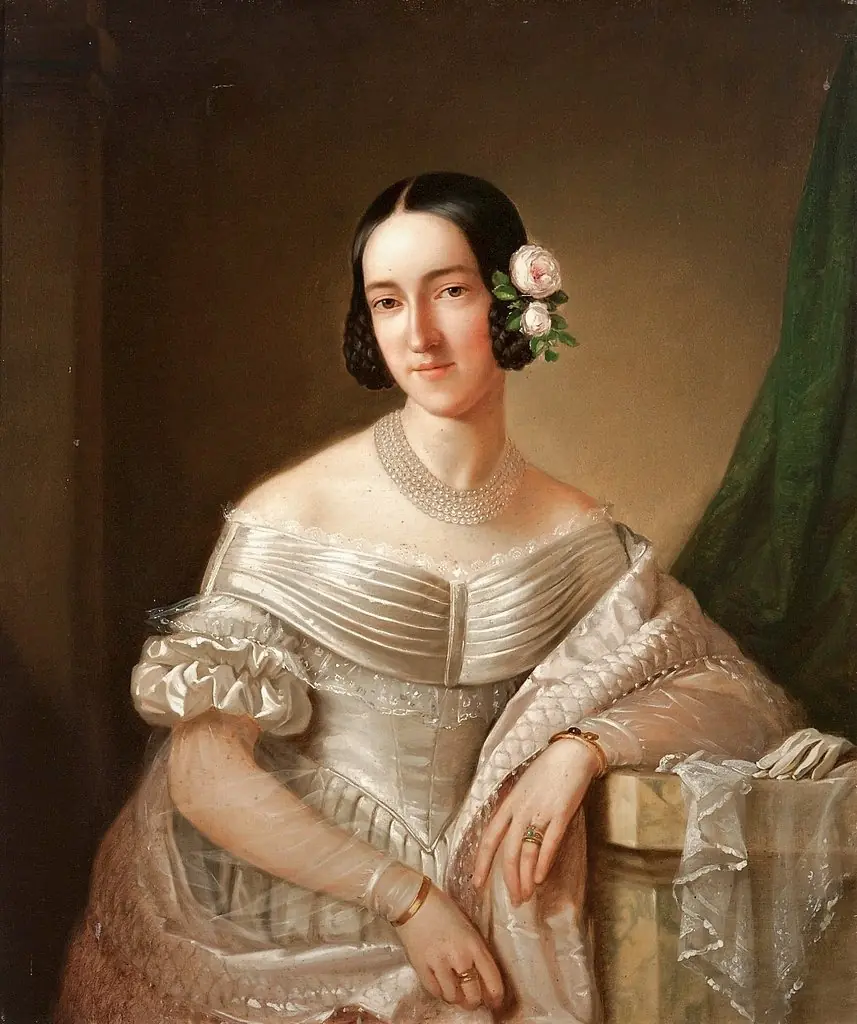 Portrait of Archduchess Hermine of Austria
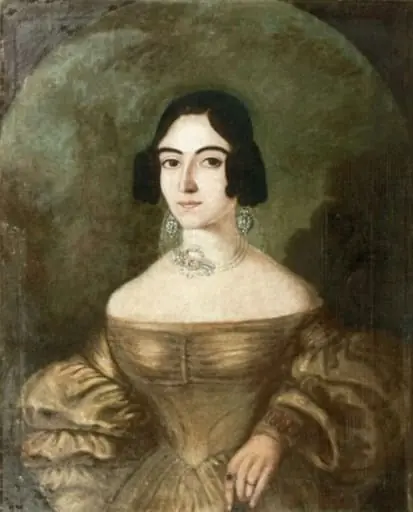 Portret de femeie
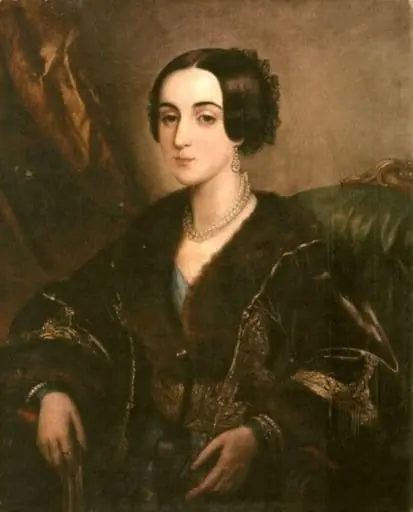 Portret de femeie
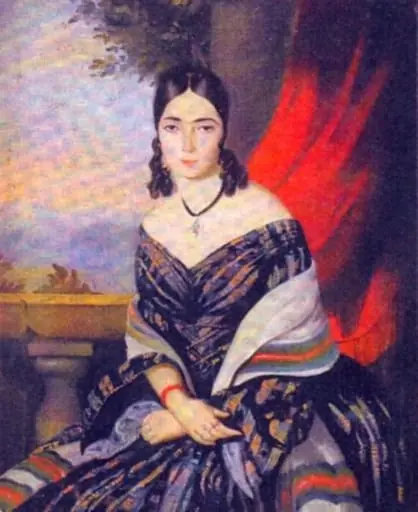 Femeie pe terasă
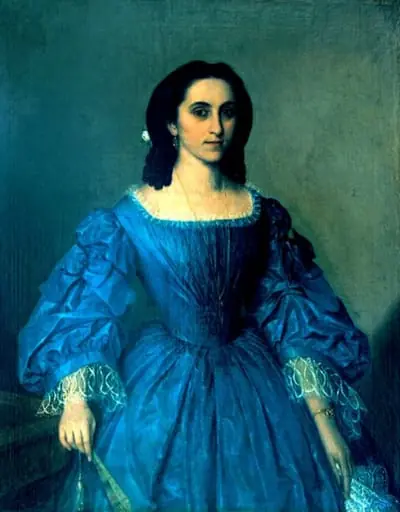 Anei Enescu
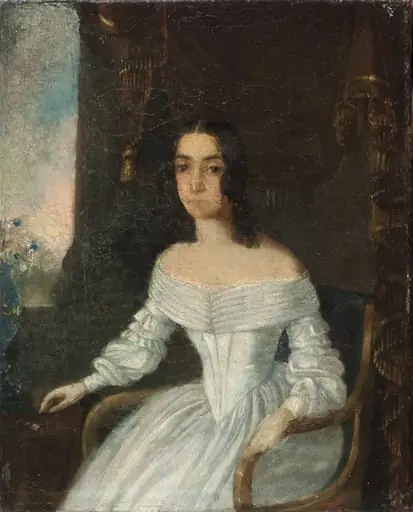 Portretul Elenei Manu (?)
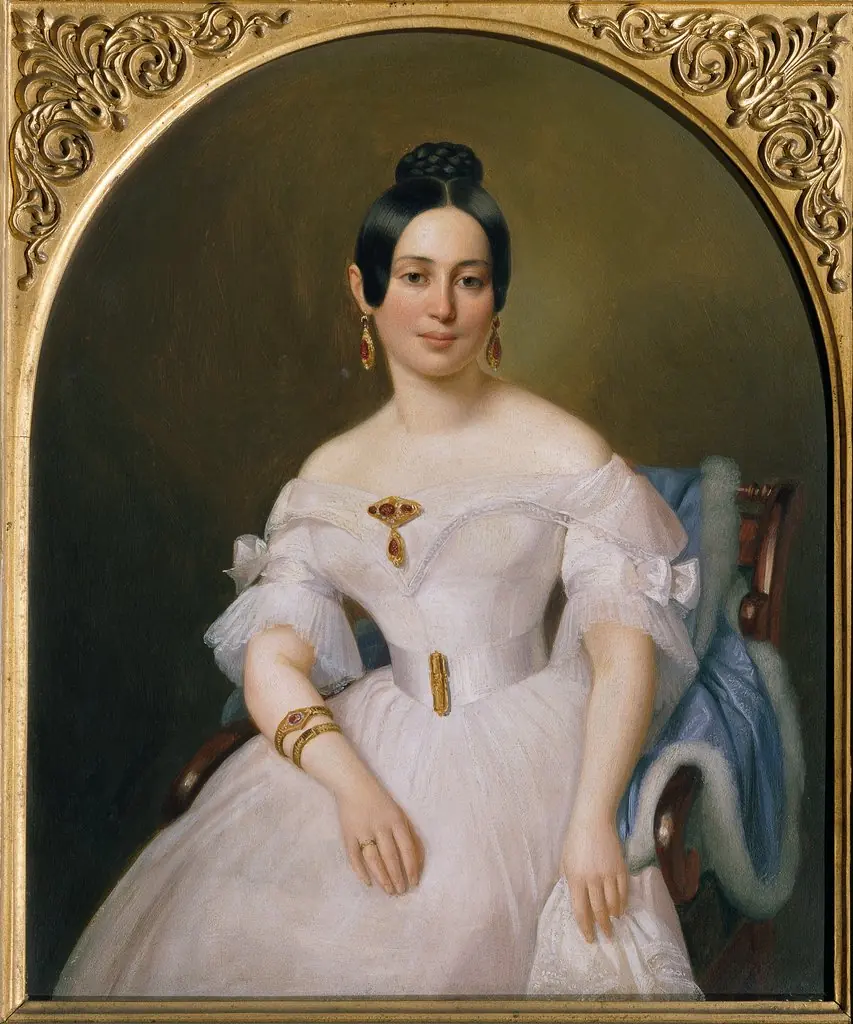 Emilie von Wartenegg
 Julie (Julia Mathilda) Berwald, g. Åkerhielm af Margrethelund (1822-1877), operasångerska, gift med friherre hovmarskalk Gustaf Georg Knut Åkerhielm af Mergrethelund