Artwork
Landscape sketch
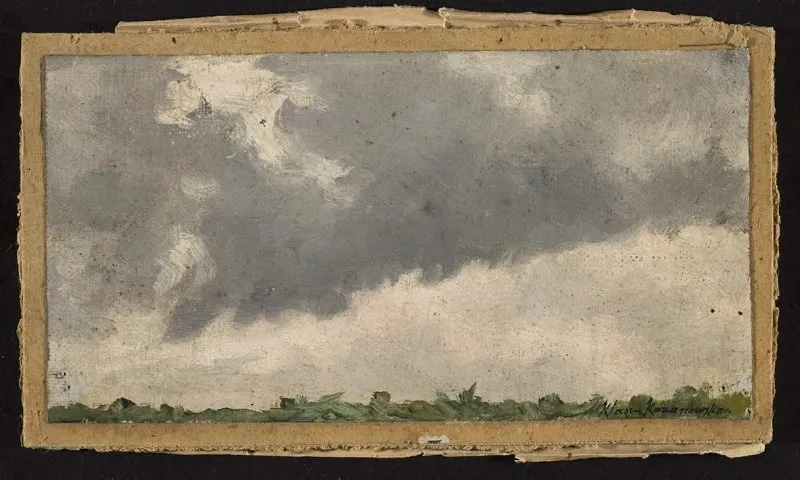
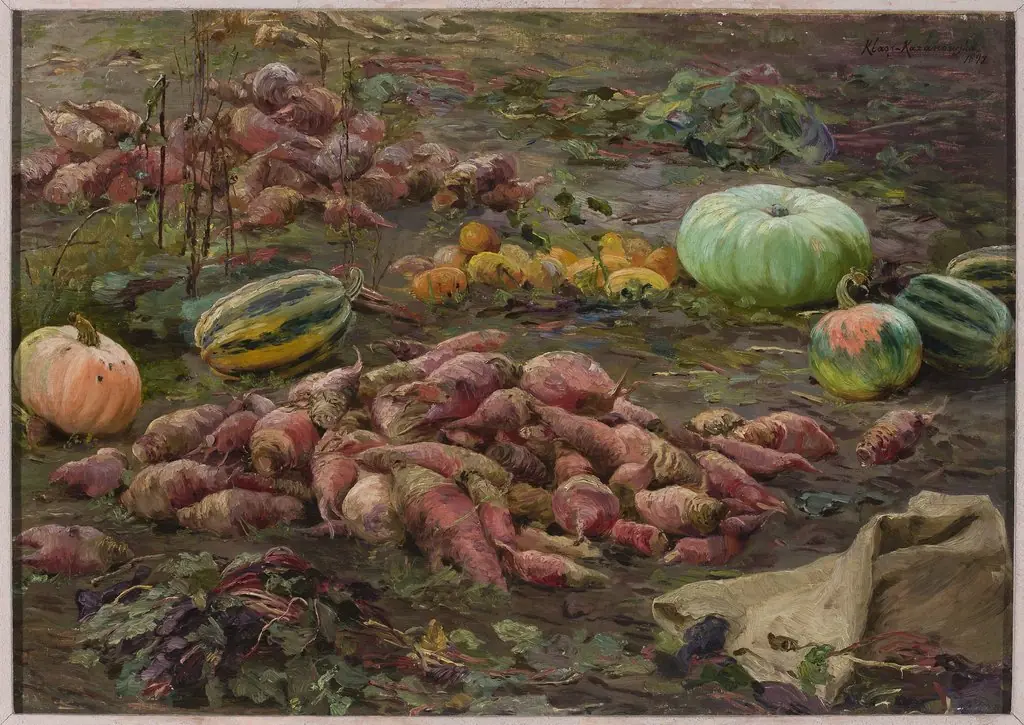
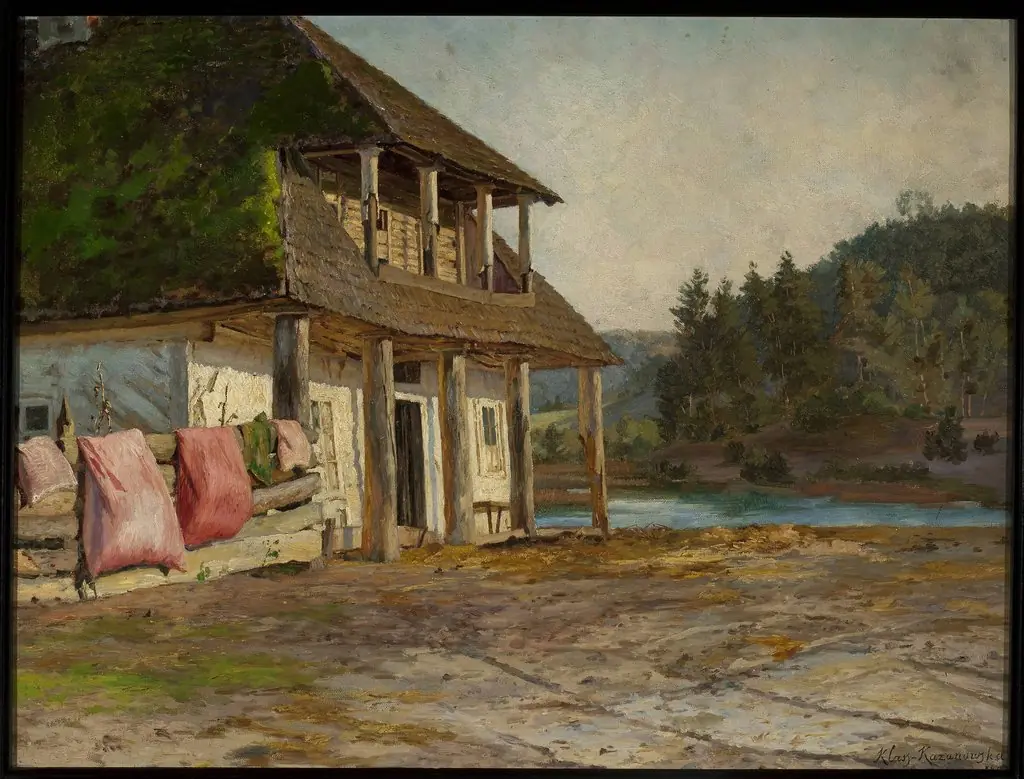
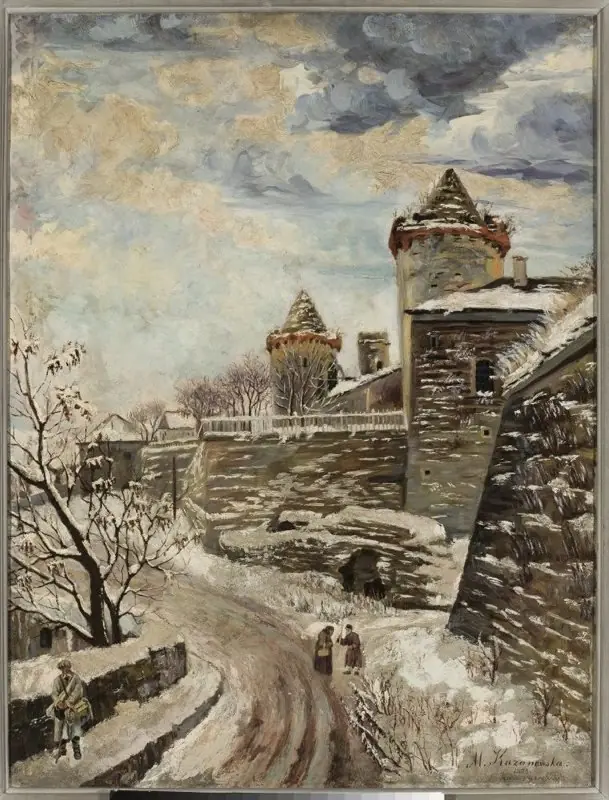
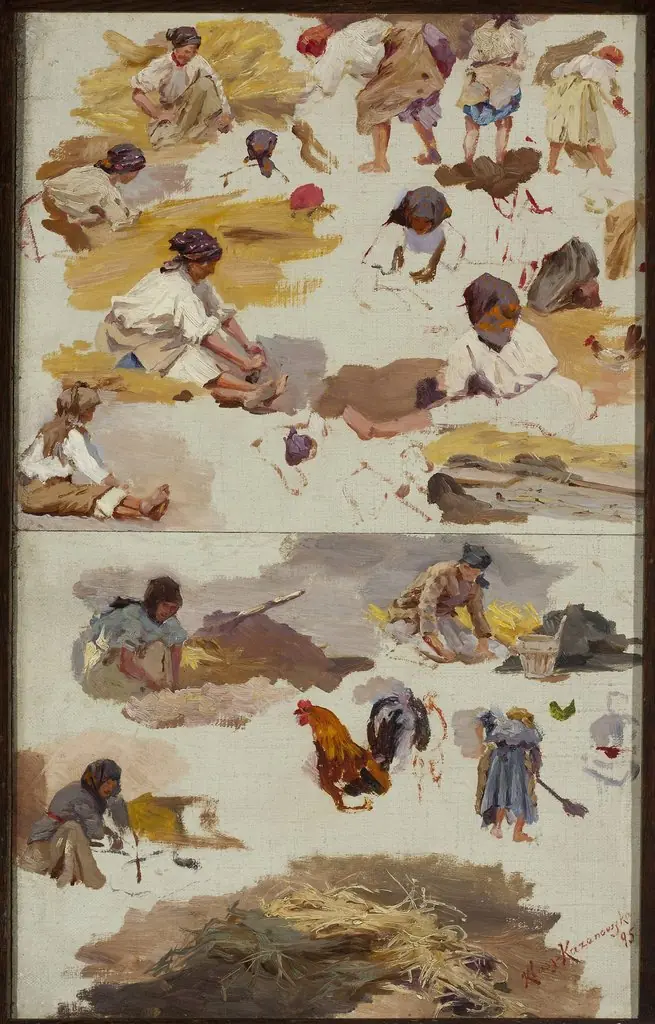
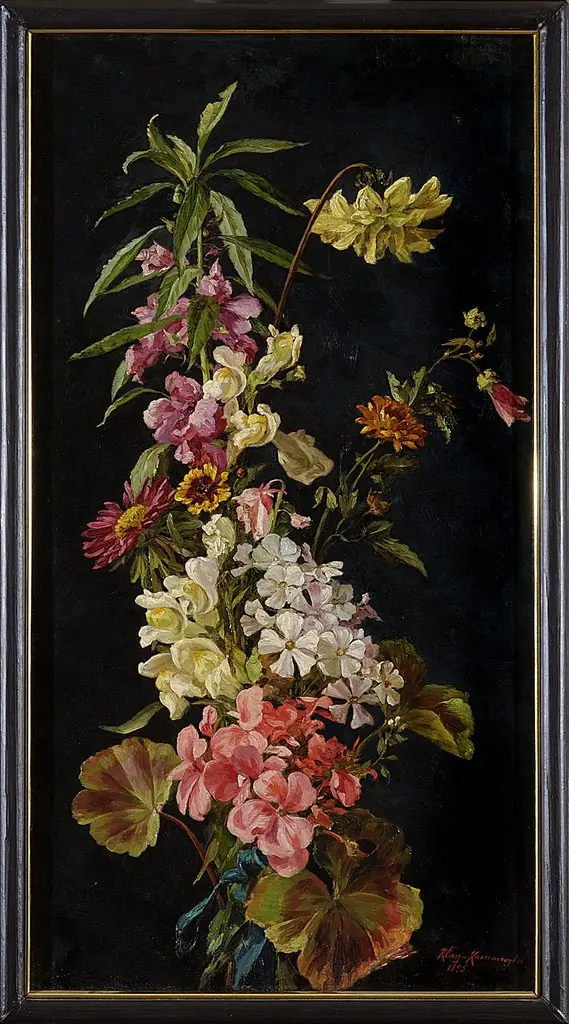
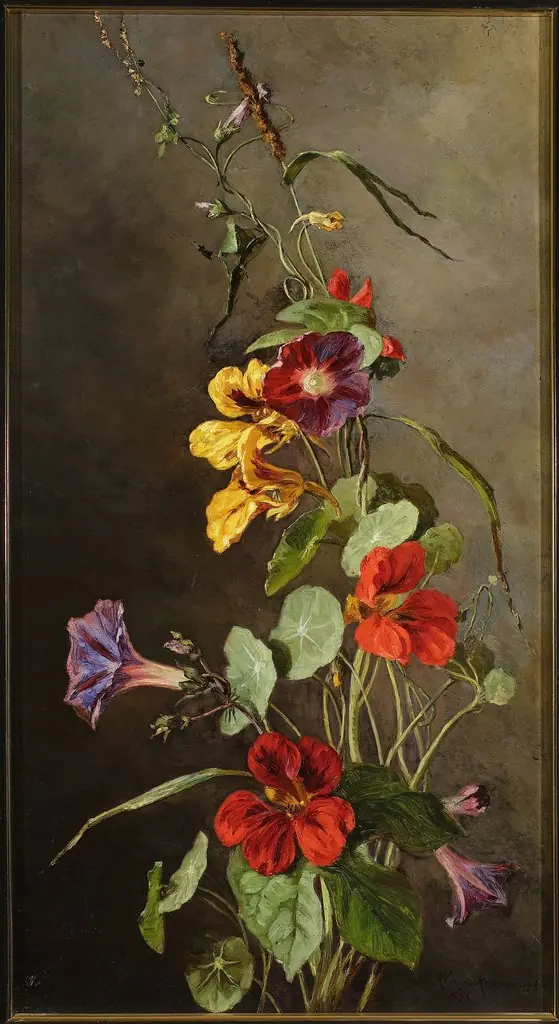
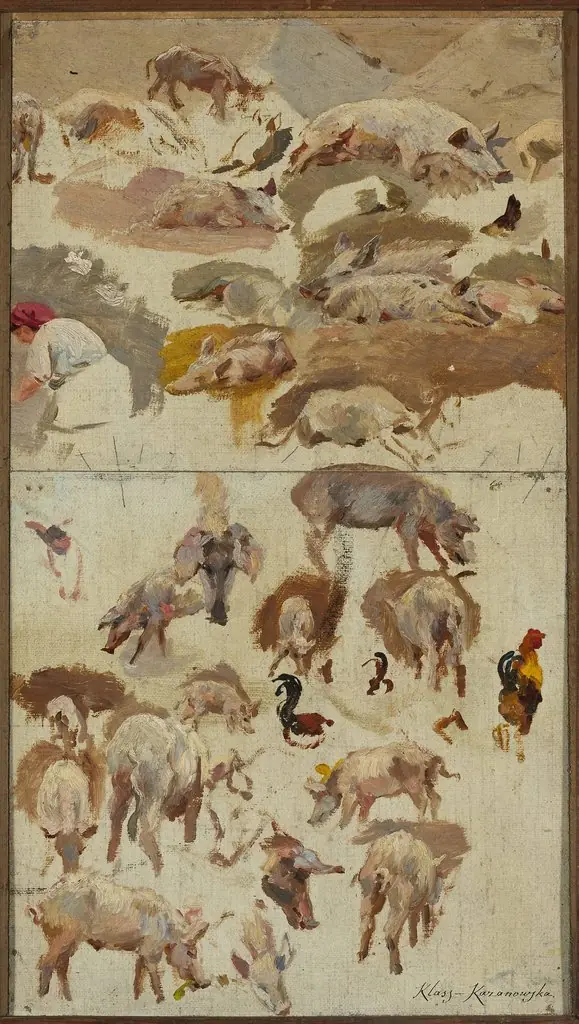
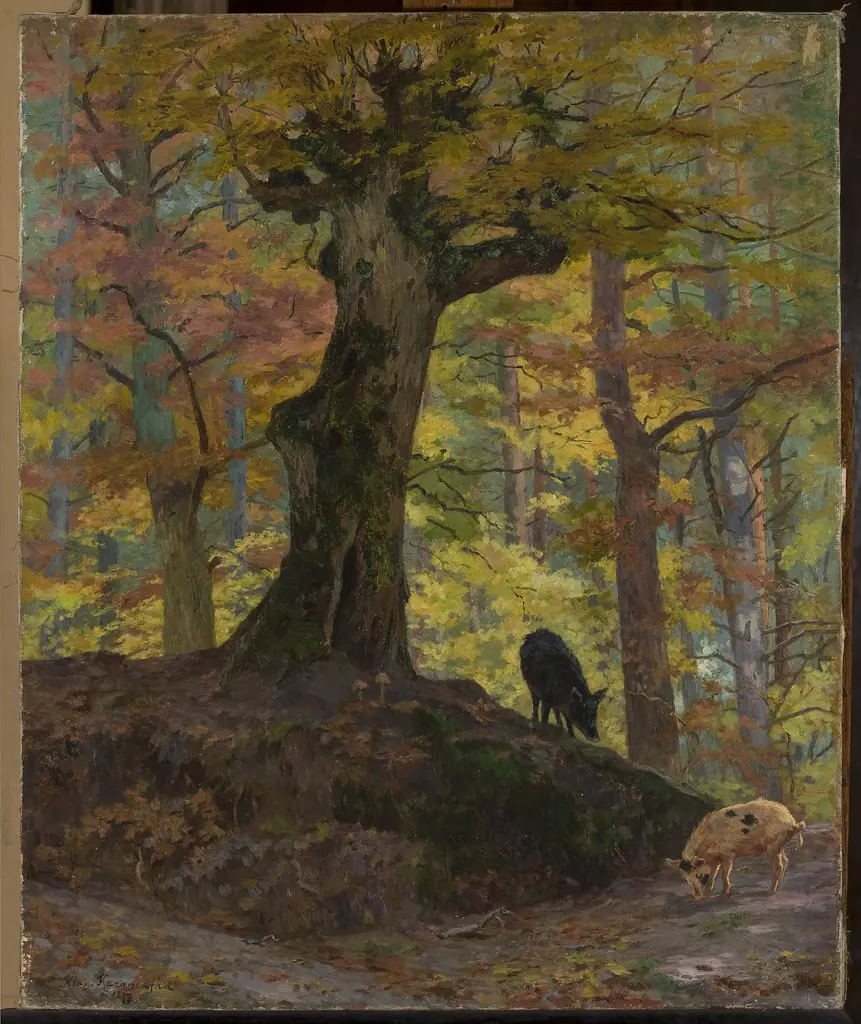
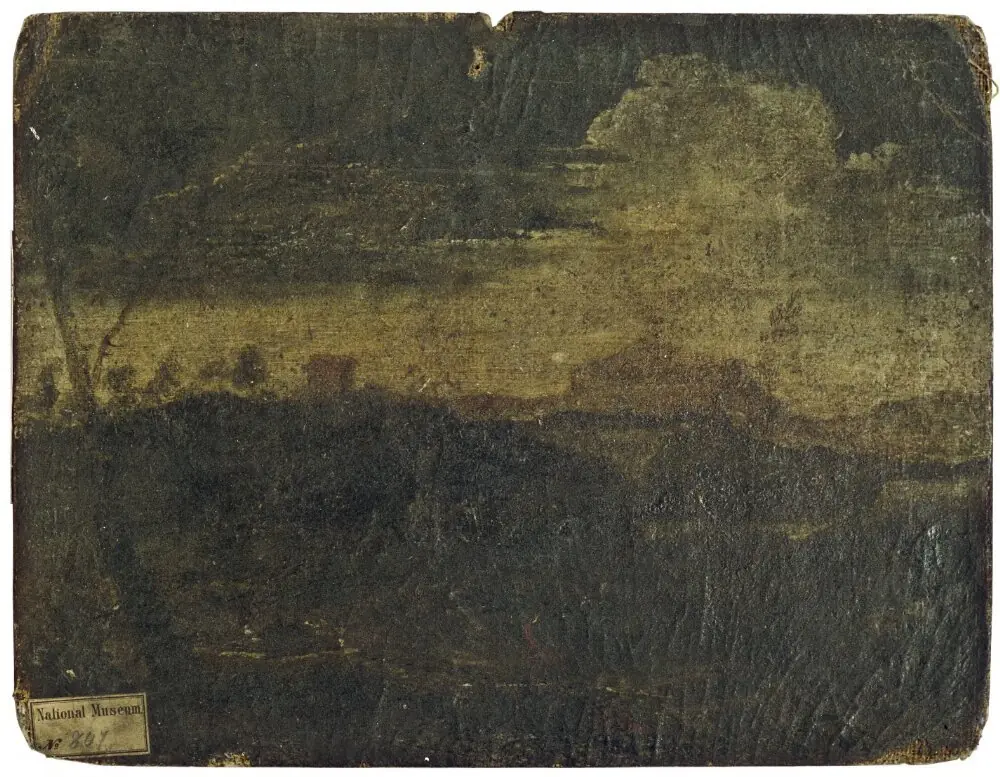
Landscape sketch is an unspecified painting by Maria Klass-Kazanowska. It is held in the collection of the National Museum in Warsaw.
About this work
Overview
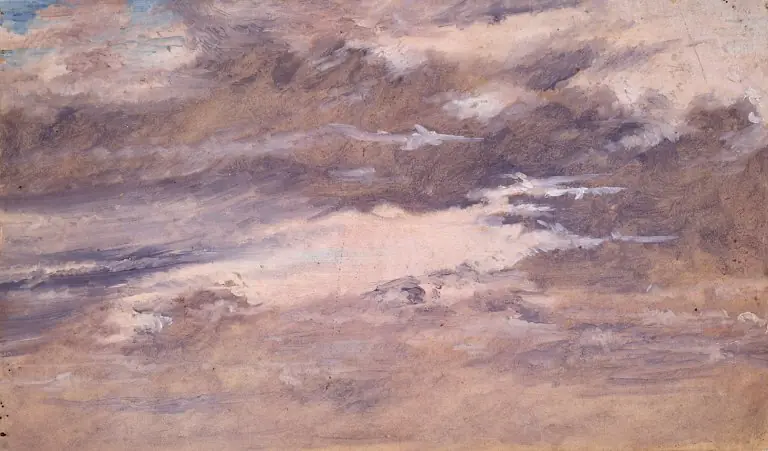
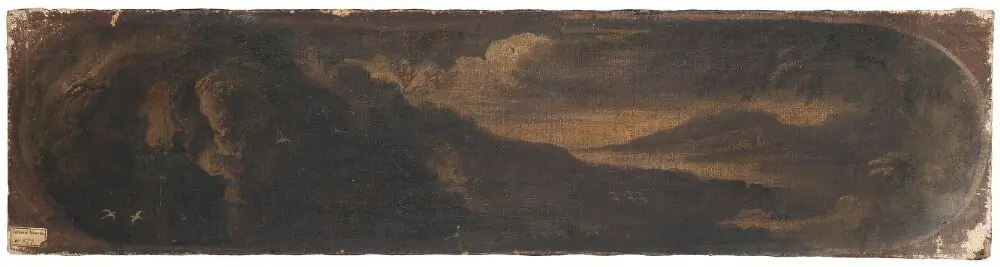
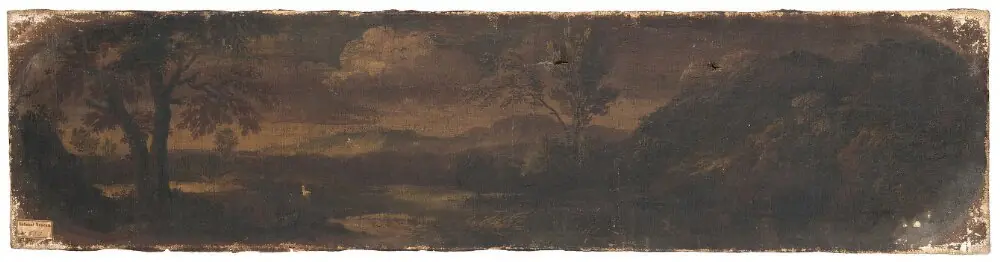
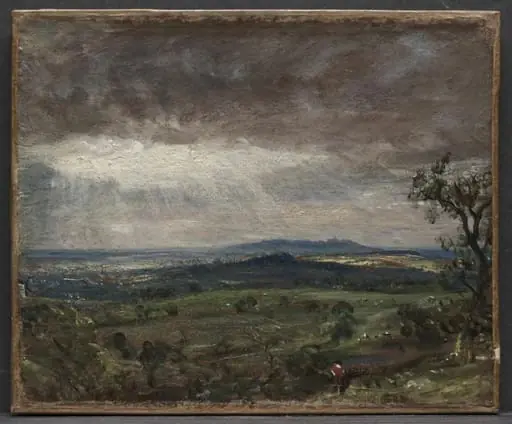
Executed in a direct, unembellished manner, it conveys atmospheric tension through simplified forms and restrained pigments.
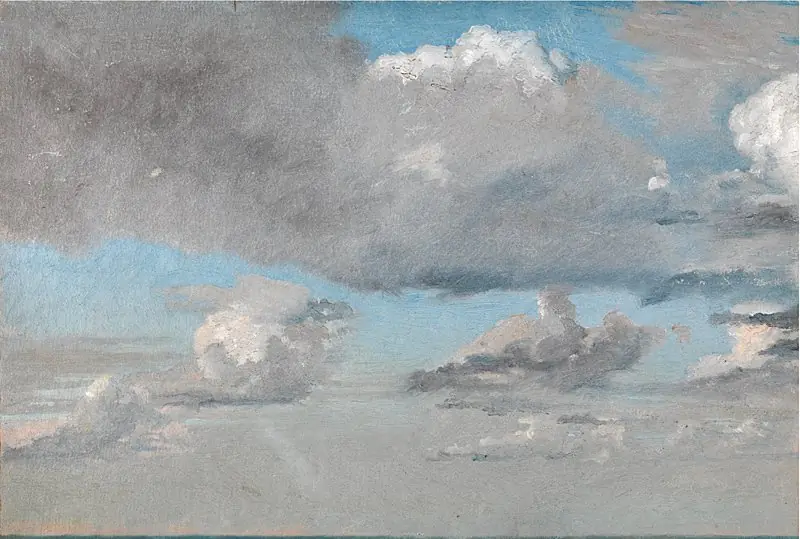
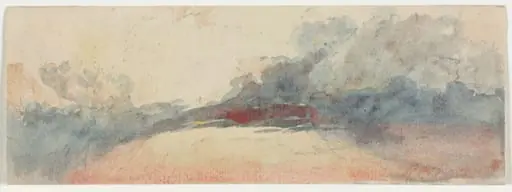
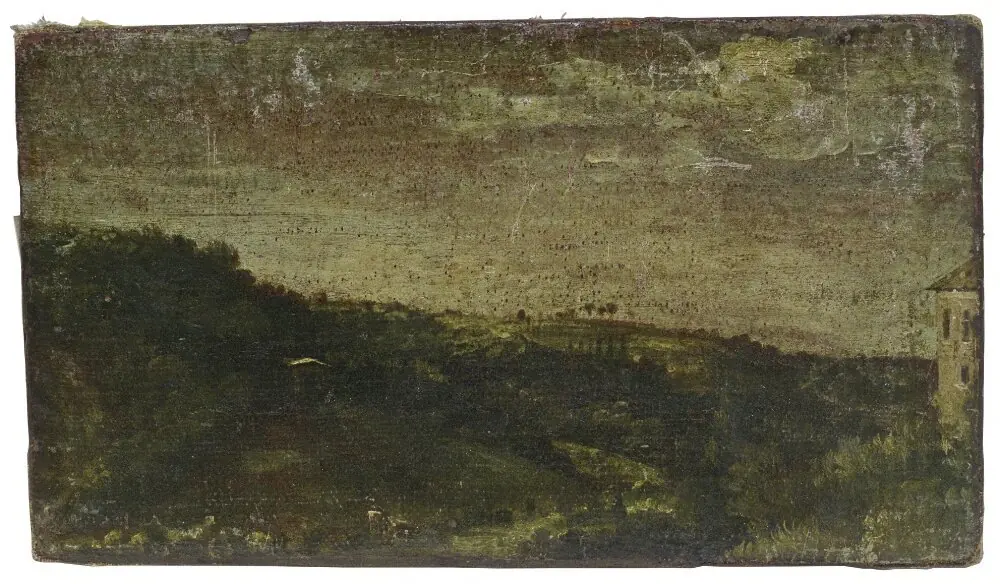
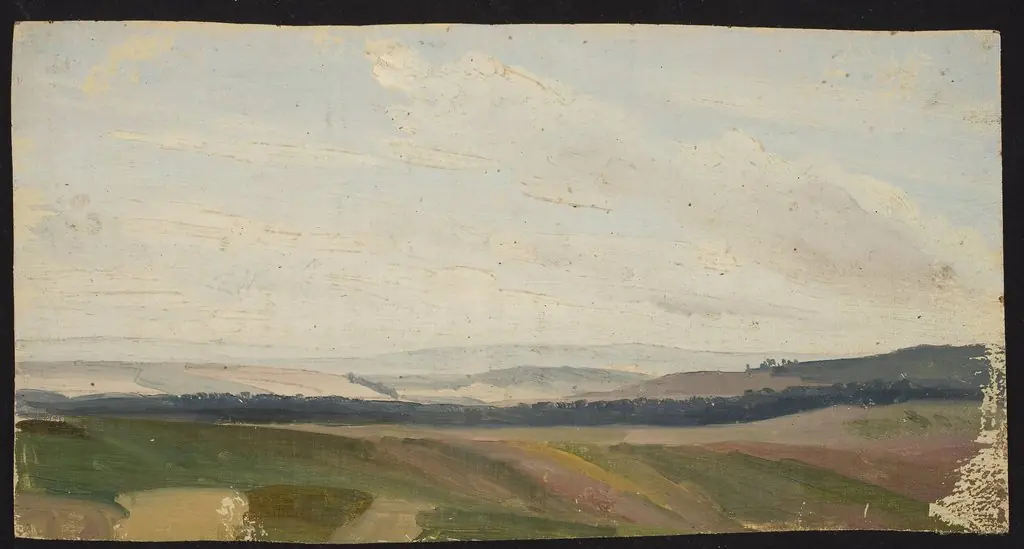
This small oil painting, attributed to Maria Klass-Kazanowska, captures a fleeting moment in nature with minimal detail. Executed in a direct, unembellished manner, it conveys atmospheric tension through simplified forms and restrained pigments. The work resides in the National Museum in Warsaw, where it is preserved as part of a broader collection of Polish landscape studies from the late 19th to early 20th century.
Subject & Meaning
The scene depicts a rural landscape under an approaching storm. The sky, heavy with dark clouds, dominates the composition, while the lower portion suggests dense vegetation without defining specific flora. The absence of human figures or landmarks emphasizes nature’s raw presence, evoking a sense of impending change rather than a specific location or narrative.
Technique & Style
Brushwork is swift and decisive, with broad strokes defining cloud masses and foliage. Colors are muted—grays, olive greens, and muted browns—creating a somber tone. The contrast between the turbulent sky and the grounded earth reflects an interest in light and shadow, though not in the formalized manner of chiaroscuro; instead, the effect arises from spontaneous, observational handling.
History & Provenance
The painting entered the National Museum in Warsaw’s collection as part of a donation or acquisition focused on regional artists. Its modest scale and informal character suggest it was likely a study rather than a finished exhibition piece. Documentation is limited, but its attribution to Klass-Kazanowska aligns with known works from her early career period.
Context
Created during a time when Polish artists were increasingly turning to nature as a subject independent of narrative or idealization, this sketch reflects a broader shift toward plein air practices. Though not part of a formal movement, it shares affinities with the quiet realism of contemporaneous landscape studies in Central Europe, prioritizing mood over detail.
Legacy
The work remains a quiet example of early 20th-century Polish landscape study, valued for its emotional immediacy rather than technical polish. It contributes to understanding how artists of the period engaged with nature through direct observation, laying groundwork for later generations who embraced expressive, non-idealized depictions of the environment.
Artist & collection
Artist
This artist painted scenes in oil: quiet houses, animals, and the city of Kamianets-Podilskyi in the 1890s.