Artwork
Predella Panel Representing the Legend of St. Stephen: St. Stephen Preaching
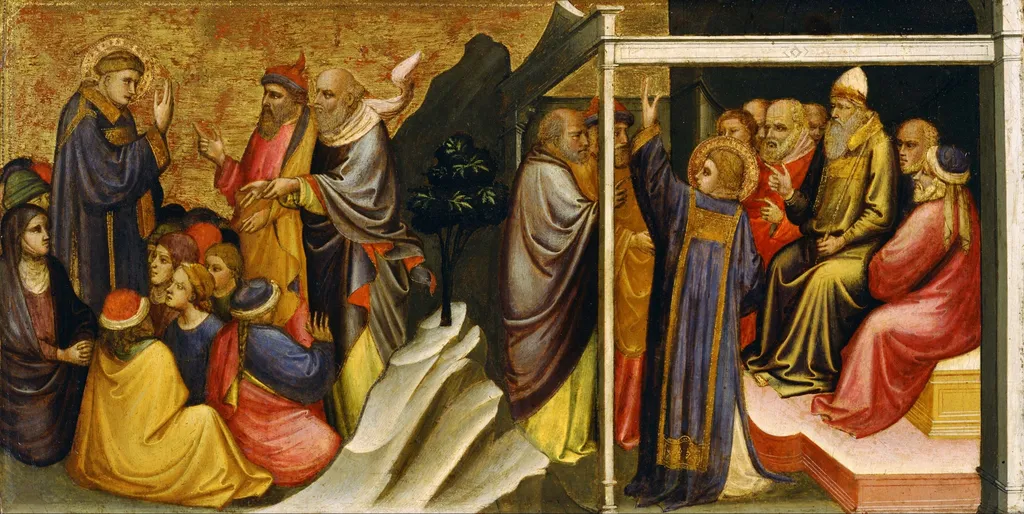
Predella Panel Representing the Legend of St. Stephen: St. Stephen Preaching is an unspecified painting by the Early Renaissance artist Mariotto di Nardo. It dates from 1408 and is held in the collection of the National Museum of Western Art.
About this work
Overview
Created in Florence during the early Renaissance, it reflects the transitional style between late Gothic conventions and emerging naturalism.
This predella panel, painted by Mariotto di Nardo in 1408, forms part of a larger altarpiece devoted to the life of Saint Stephen. Created in Florence during the early Renaissance, it reflects the transitional style between late Gothic conventions and emerging naturalism. The work was originally intended for devotional use, likely in a church setting, and is now preserved in the National Museum of Western Art. Its two-part composition separates key moments in Stephen’s story, unified by a shared visual language of color and form.
Subject & Meaning
The panel depicts two episodes from the Acts of the Apostles: Saint Stephen preaching to a crowd on the left, and his confrontation with the Sanhedrin on the right. In both scenes, his halo and central placement emphasize his spiritual authority. The kneeling figures on the left suggest conversion or reverence, while the seated elders on the right, some haloed, convey judgment and tension. The narrative progression underscores themes of divine truth versus institutional resistance, central to early Christian hagiography.
Technique & Style
Mariotto employed the Florentine Gothic tradition with bold outlines, flat planes of color, and gold leaf backgrounds to denote sacred space. The left scene’s gold ground contrasts with the right’s somber wall and tiled floor, subtly distinguishing divine presence from earthly authority. Figures are arranged with rhythmic symmetry, their drapery rendered in rich hues—crimson, ultramarine, and ochre—to guide the viewer’s eye. Though lacking full perspective, the composition achieves spatial clarity through layered planes and careful grouping.
History & Provenance
Commissioned as part of a multi-panel altarpiece, this work was likely created for a Florentine chapel or religious institution, possibly linked to the Dominican or Franciscan orders. Mariotto, known for contributions to major civic projects like Orsanmichele, worked within established workshop practices. The panel remained in Italy until the 20th century, when it entered the National Museum of Western Art’s collection, possibly through acquisition or donation following the dispersal of private ecclesiastical holdings.
Context
In early 15th-century Florence, religious imagery served both liturgical and didactic functions. Predella panels like this one were viewed up close during Mass, reinforcing biblical narratives for congregants. The depiction of Stephen, the first Christian martyr, resonated in a city where civic and religious identity were deeply intertwined. Mariotto’s style, rooted in Giotto’s legacy, still favored symbolic clarity over naturalism, reflecting the lingering influence of medieval iconography even as humanist ideas began to emerge.
Legacy
Though Mariotto di Nardo is less known than his contemporaries, his work exemplifies the continuity of Gothic traditions in Florentine art during the early Renaissance. This panel contributes to understanding how religious storytelling evolved visually before the full adoption of linear perspective. Its preservation allows study of workshop techniques and devotional practices, offering insight into the transition from medieval to early modern visual culture in Italy.
Artist & collection
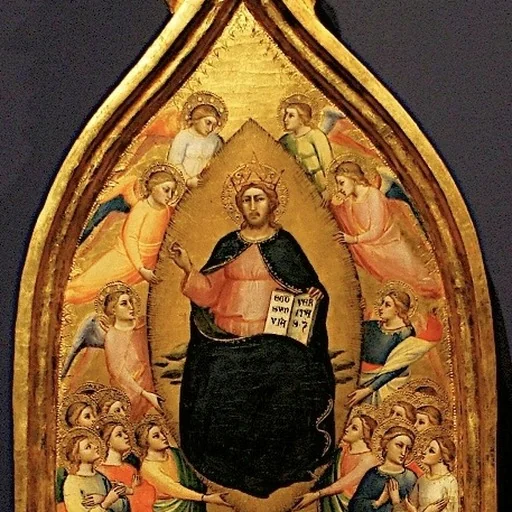
Artist
Mariotto di Nardo di Cione (fl. 1388–1424) was a Florentine painter in the Florentine Gothic style. He worked at the Duomo of Florence, the church of Santa Maria Maggiore, and the Orsanmichele. He created both frescoes…

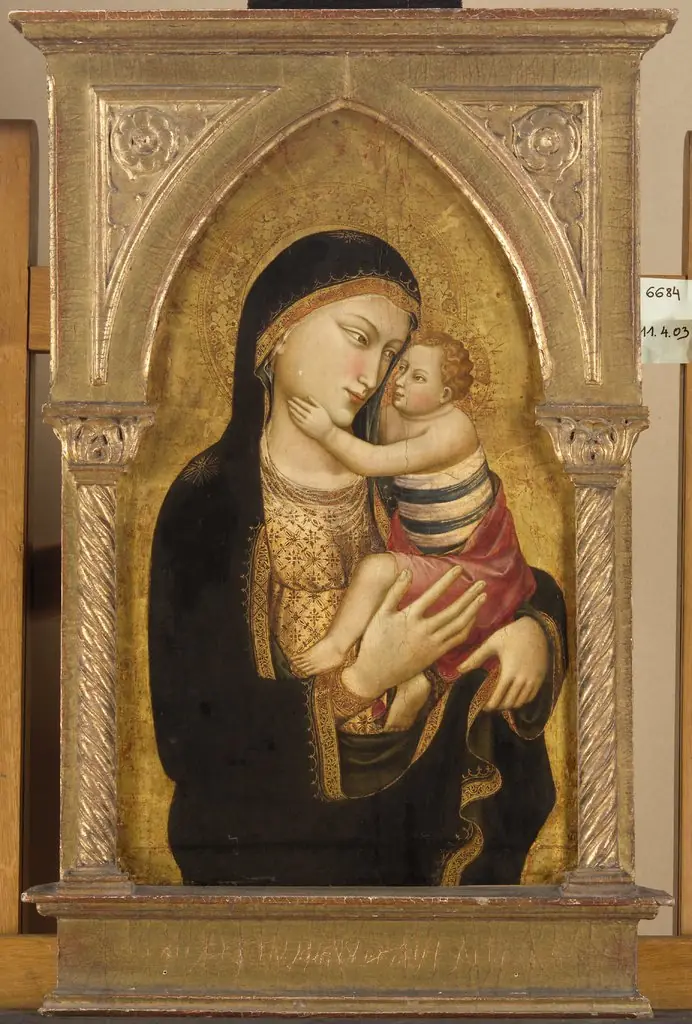 Maria mit Kind
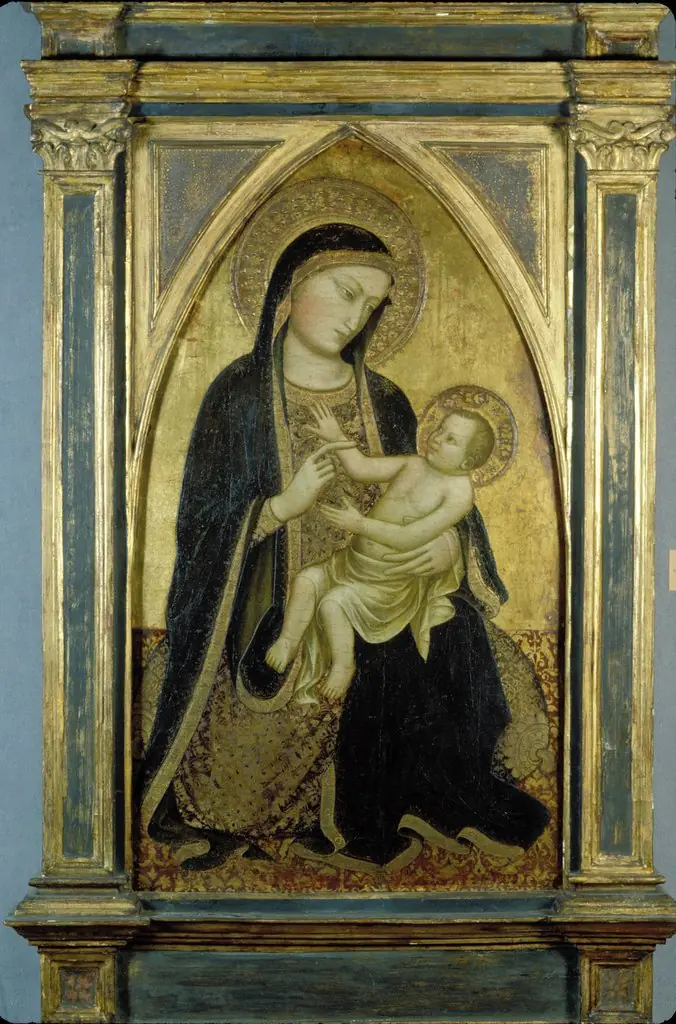 Madonna and Child
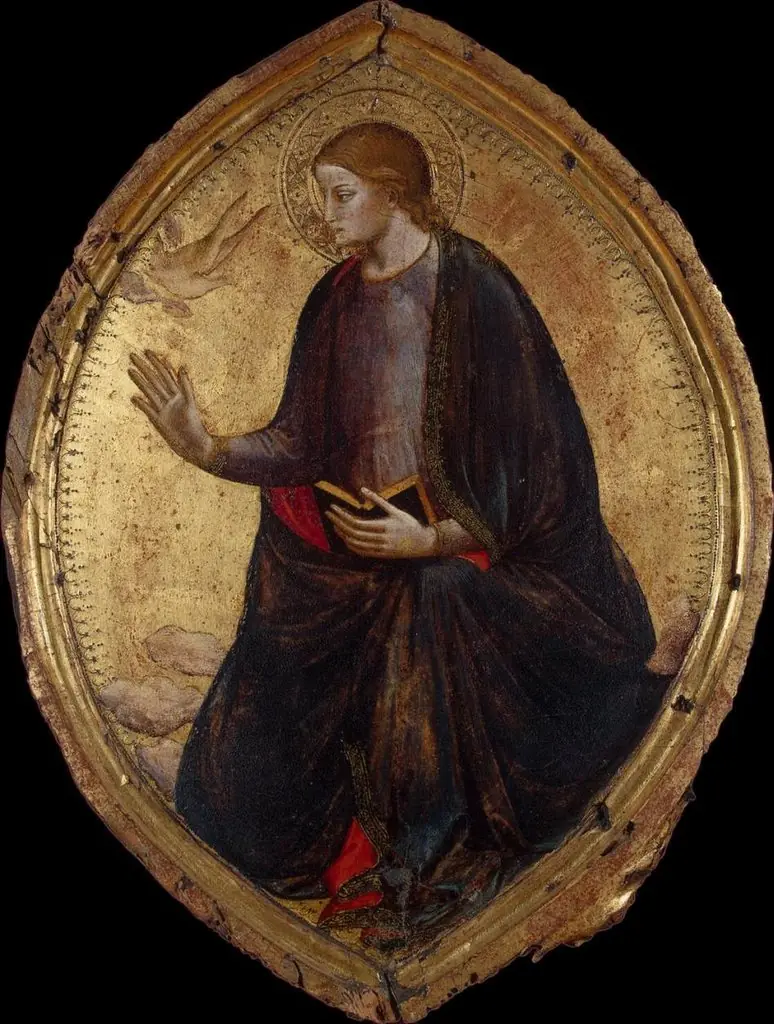 Madonna from the Annunciation Scene
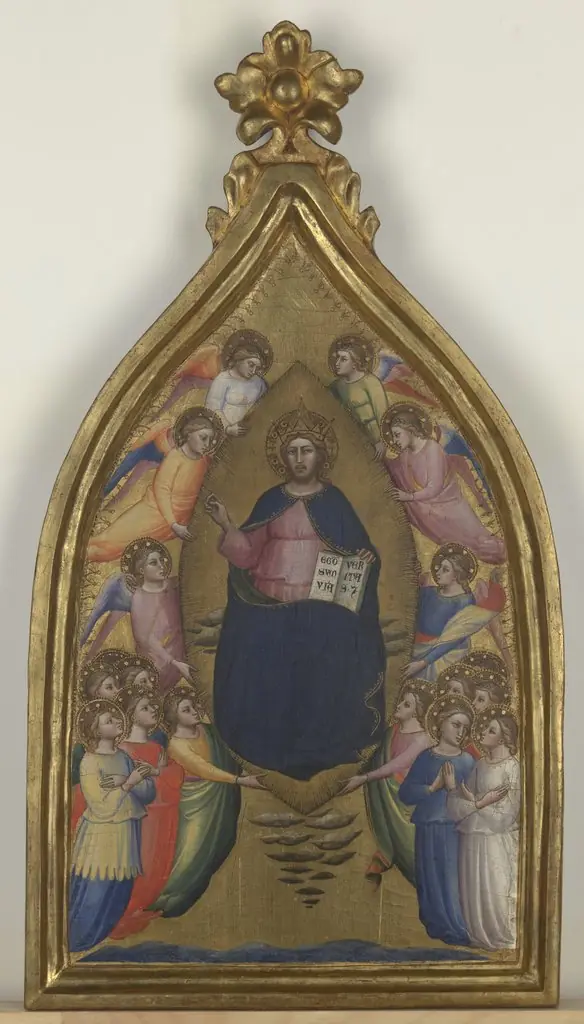 Christ Enthroned Within a Mandorla
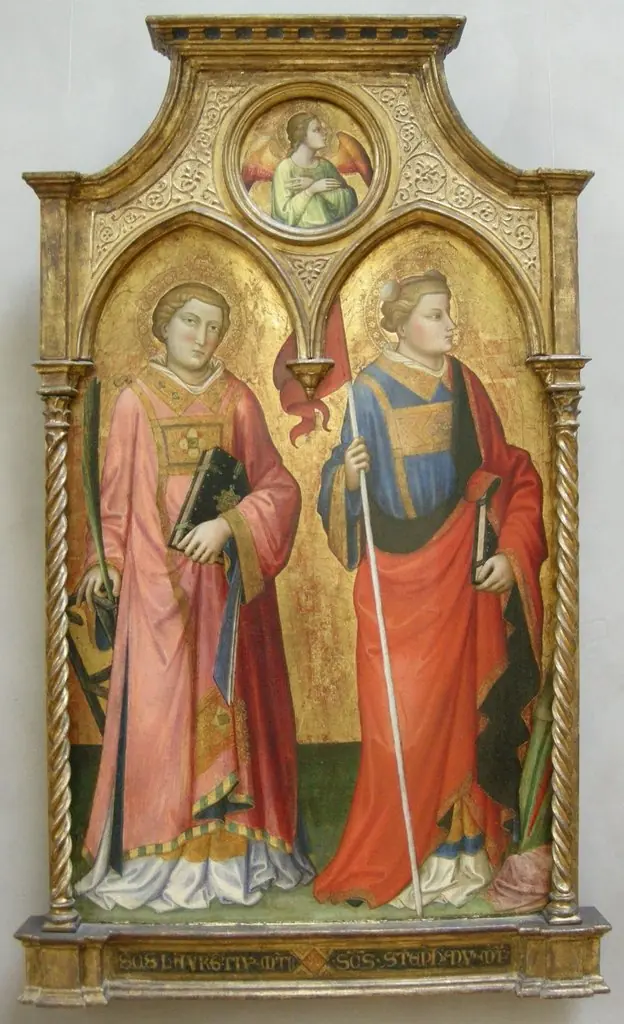 Saints Lawrence and Stephen
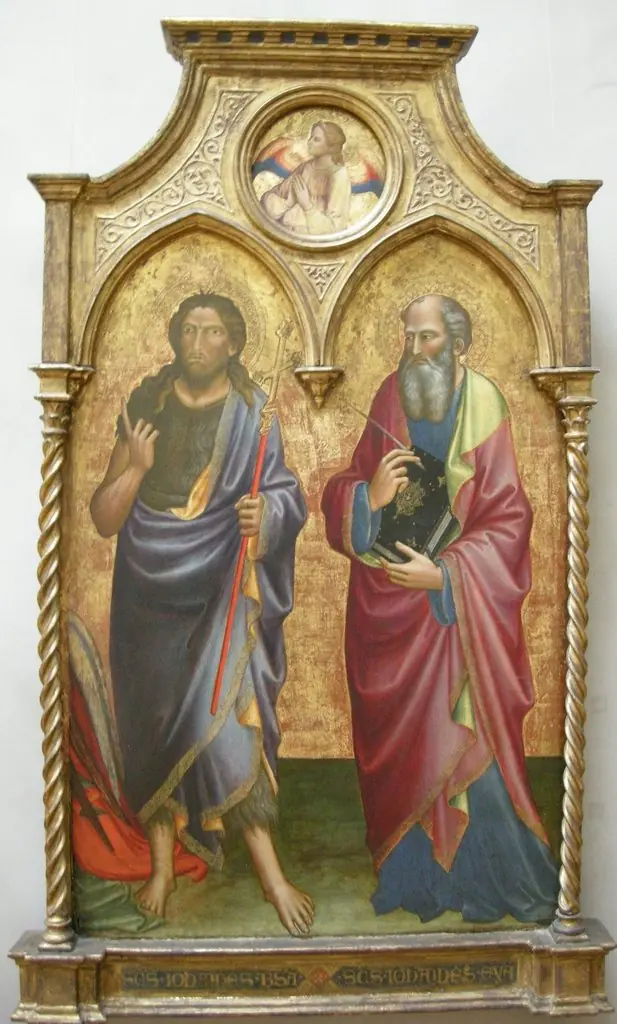 Saints John the Baptist and John the Evangelist
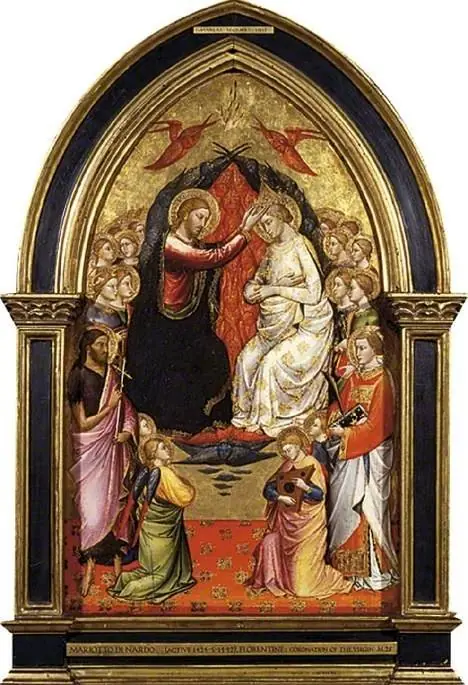 The Coronation of the Virgin
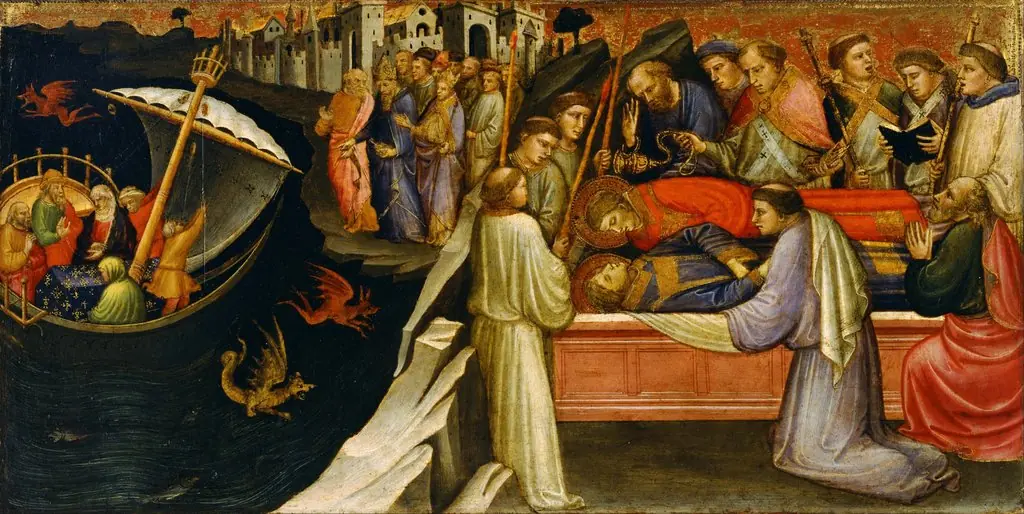 Predella Panel Representing the Legend of St. Stephen: Devils Agitating the Sea as Giuliana Transports the Body of St. Stephen from Jerusalem to Constantinople
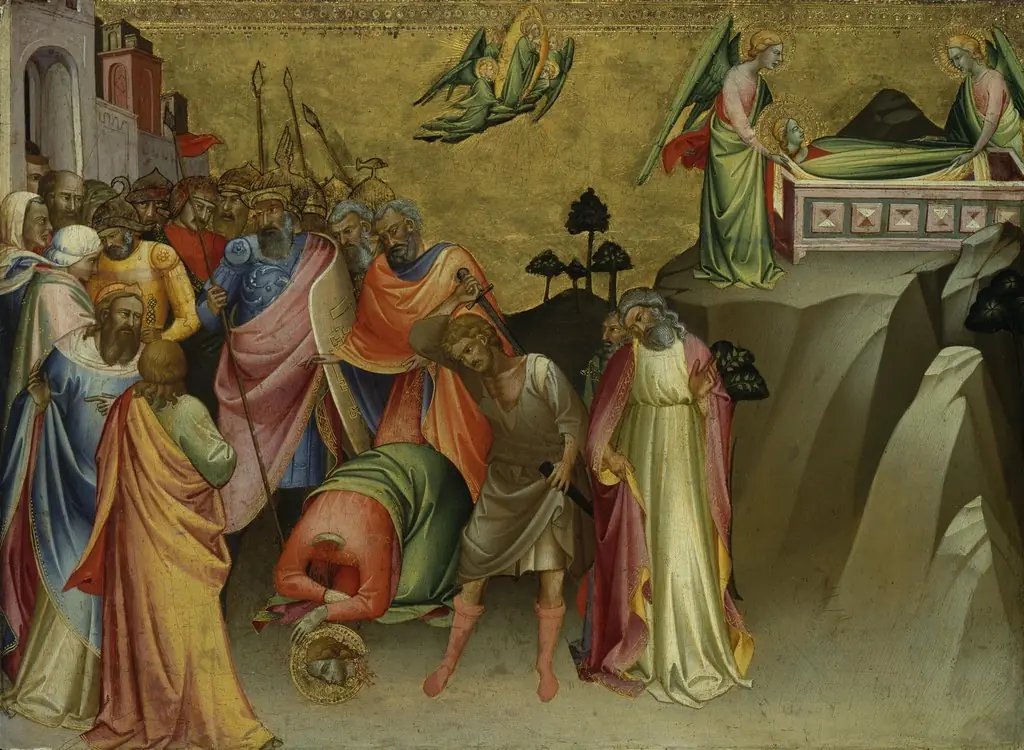 The Beheading of St. Catherine of Alexandria
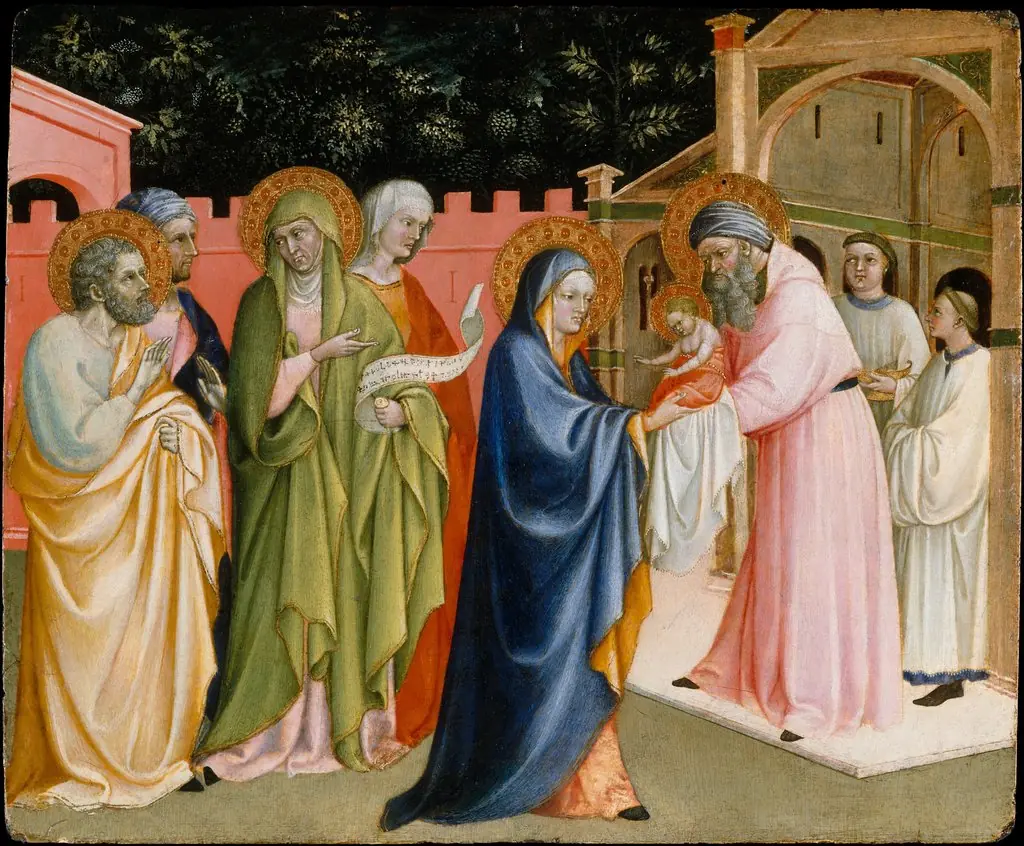 The Presentation in the Temple
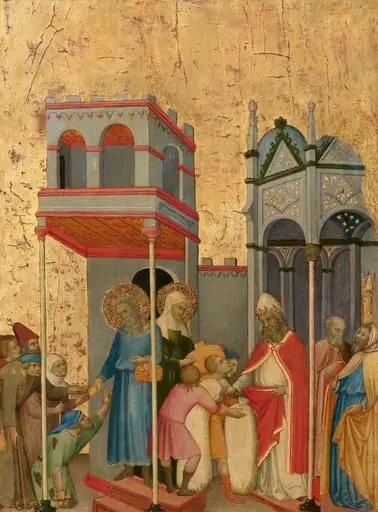 Joachim and Anna Giving Food to the Poor and Offerings to the Temple
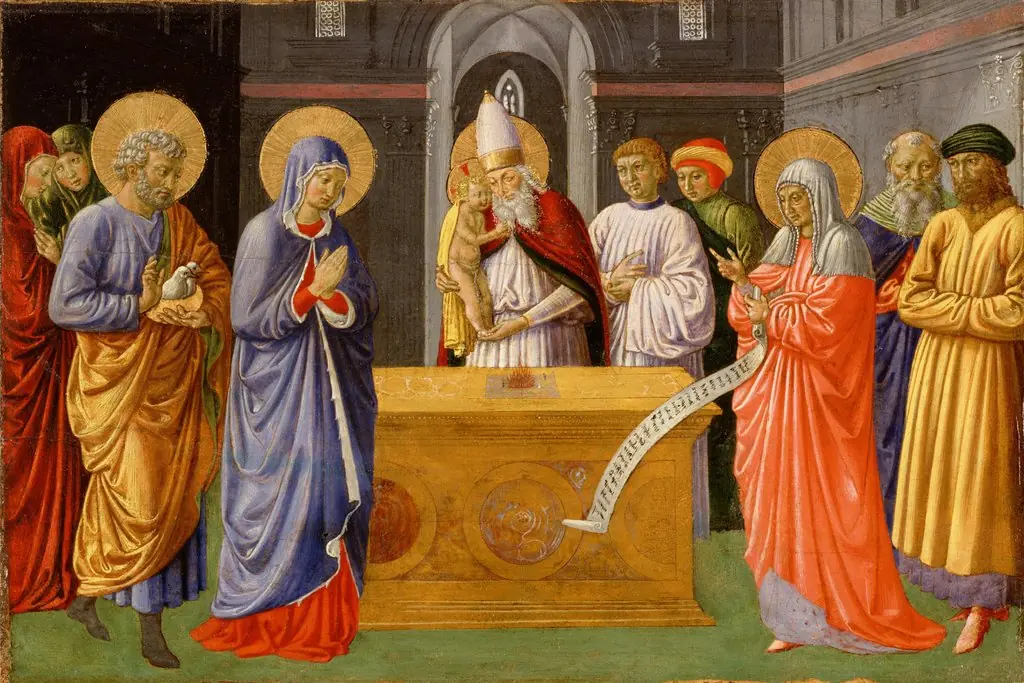 Purification of the Virgin
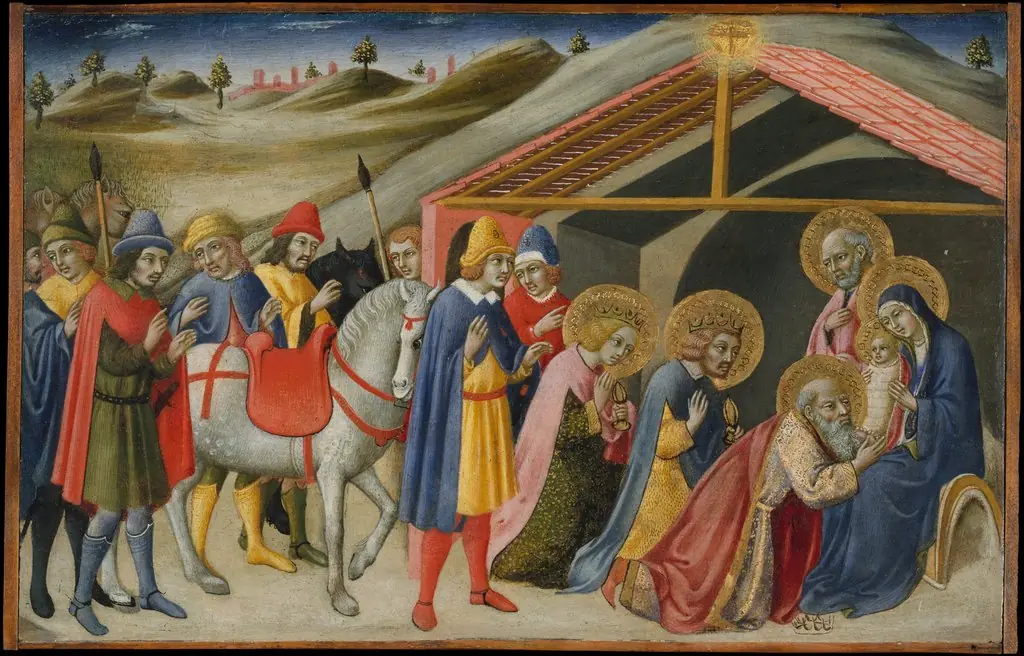 The Adoration of the Magi
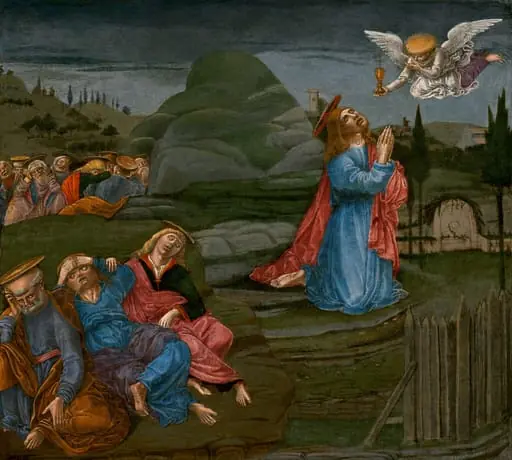 The Agony in the Garden
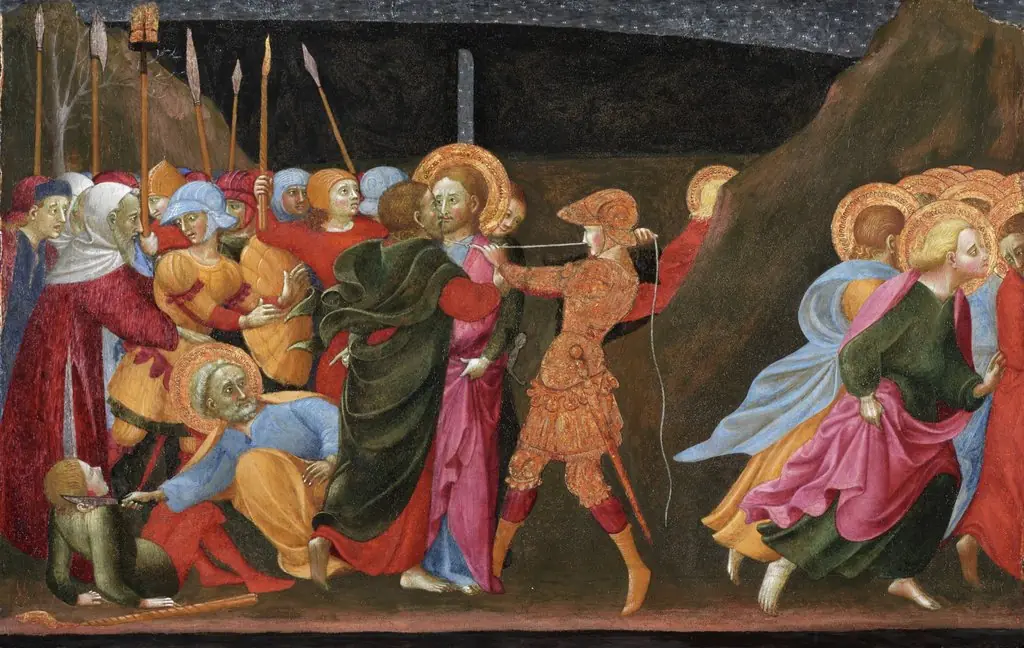 The Betrayal of Christ
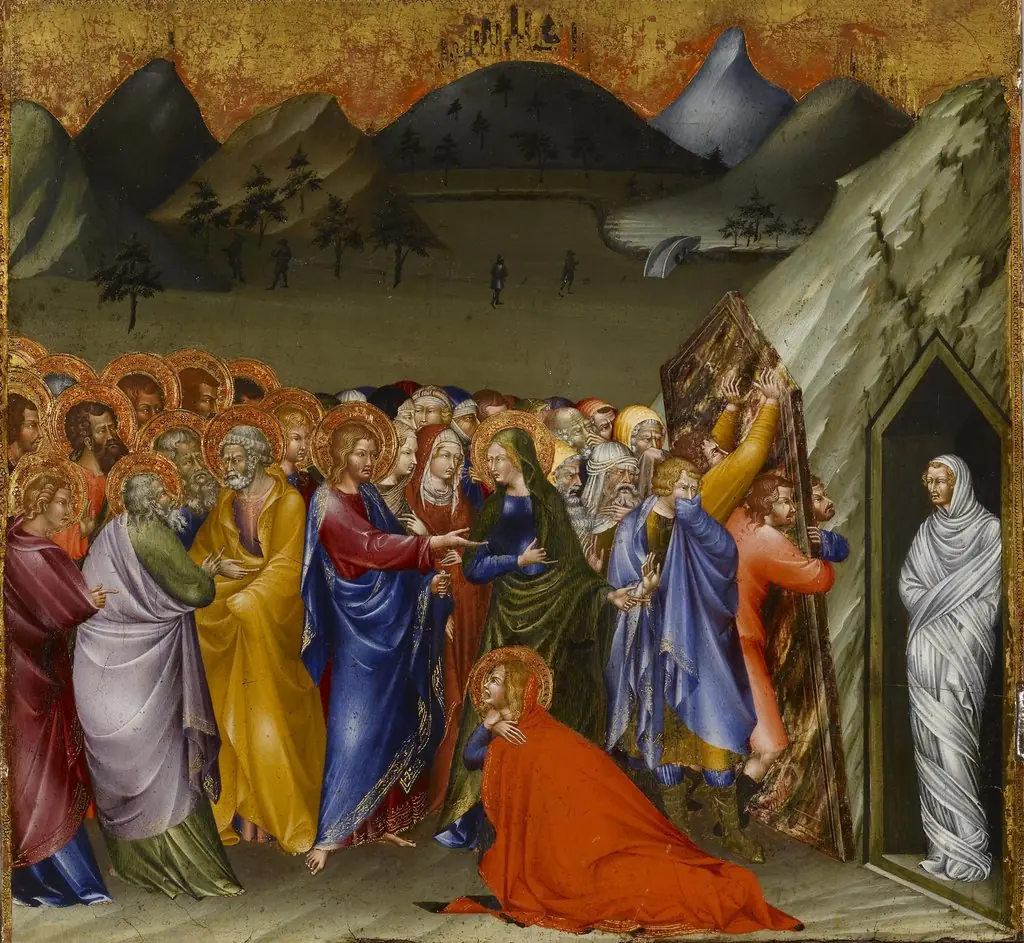 Raising of Lazarus
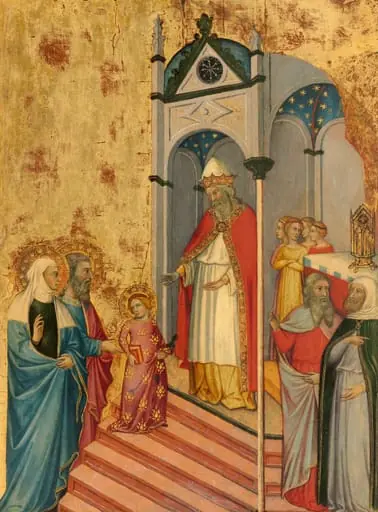 The Presentation of the Virgin in the Temple