Artwork
The Coronation of the Virgin
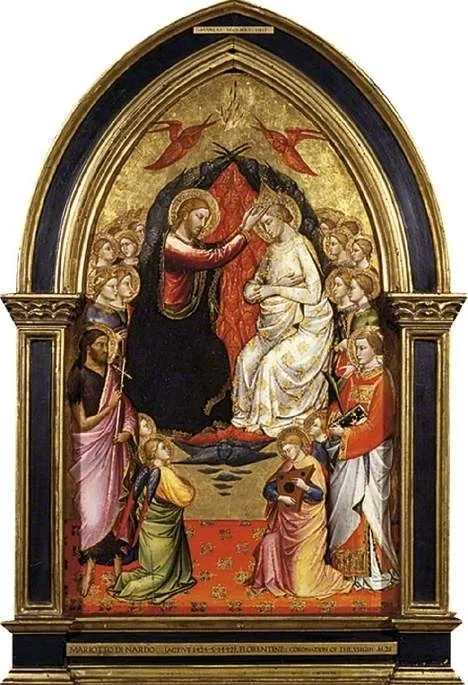
The Coronation of the Virgin is an unspecified painting by the Early Renaissance artist Mariotto di Nardo. It dates from 1419 and is held in the collection of the Fitzwilliam Museum.
About this work
Overview
Created circa 1419, *The Coronation of the Virgin* is a panel painting by Florentine artist Mariotto di Nardo. Executed in the early Renaissance, the work presents a celestial ceremony in which the Virgin Mary receives a crown. The composition is framed by a luminous gold ground, a dark arch, and a flock of red birds, giving the scene a solemn, ritualistic atmosphere.
Subject & Meaning
The surrounding figures, arranged in a semi‑circular pattern, gesture upward or downward, reinforcing the theme of heavenly hierarchy and reverence.
The central motif shows the Virgin, clothed in white, being crowned by a figure in red robes while a darker‑dressed attendant watches. This iconography reflects the medieval devotion to Mary as Queen of Heaven, emphasizing her exalted status and intercessory role. The surrounding figures, arranged in a semi‑circular pattern, gesture upward or downward, reinforcing the theme of heavenly hierarchy and reverence.
Technique & Style
Mariotto employs the Florentine Gothic language, combining linear elegance with emerging Renaissance spatial concerns. Subtle chiaroscuro models the bodies, creating a sense of volume against the flat gold background. The contrast between illuminated flesh and deep shadows, together with the archway’s architectural framing, adds depth while preserving the decorative richness typical of early 15th‑century panel work.
History & Provenance
Active between 1388 and 1424, Mariotto di Nardo received commissions for major Florentine sites such as the Duomo and Santa Maria Maggiore. *The Coronation of the Virgin* likely originated from one of these ecclesiastical projects, though its exact patron remains undocumented. The painting has survived in private collections before entering a museum setting, where it is displayed as an example of transitional Gothic‑Renaissance art.
Context
The work belongs to a period when devotional imagery of the Virgin proliferated across Italy, serving both liturgical and private prayer functions. Its gold ground echoes Byzantine influences, while the emerging naturalism anticipates the later achievements of artists like Masaccio. As a product of Florentine artistic circles, the painting illustrates the city’s role in shaping early Renaissance visual language.
Artist & collection
Artist
Mariotto di Nardo di Cione (fl. 1388–1424) was a Florentine painter in the Florentine Gothic style. He worked at the Duomo of Florence, the church of Santa Maria Maggiore, and the Orsanmichele. He created both frescoes…

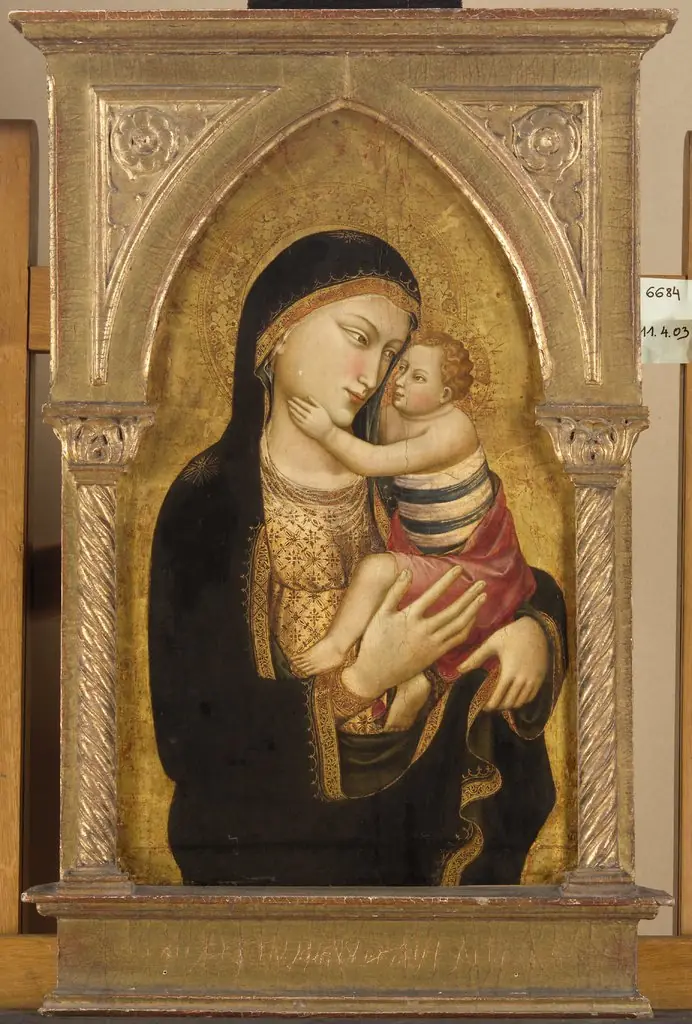 Maria mit Kind
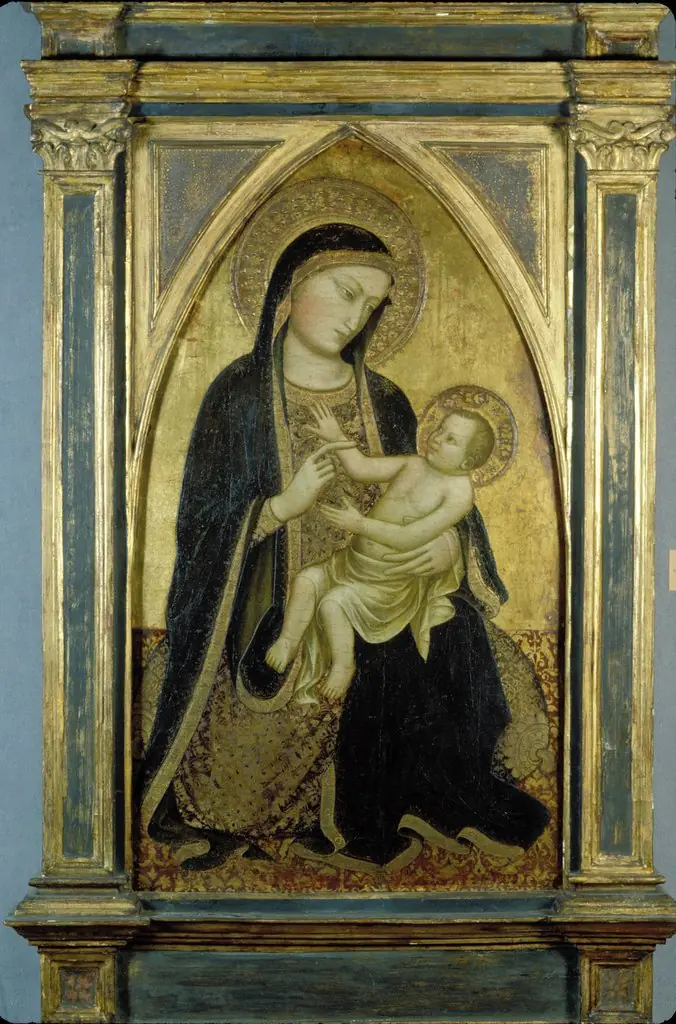 Madonna and Child
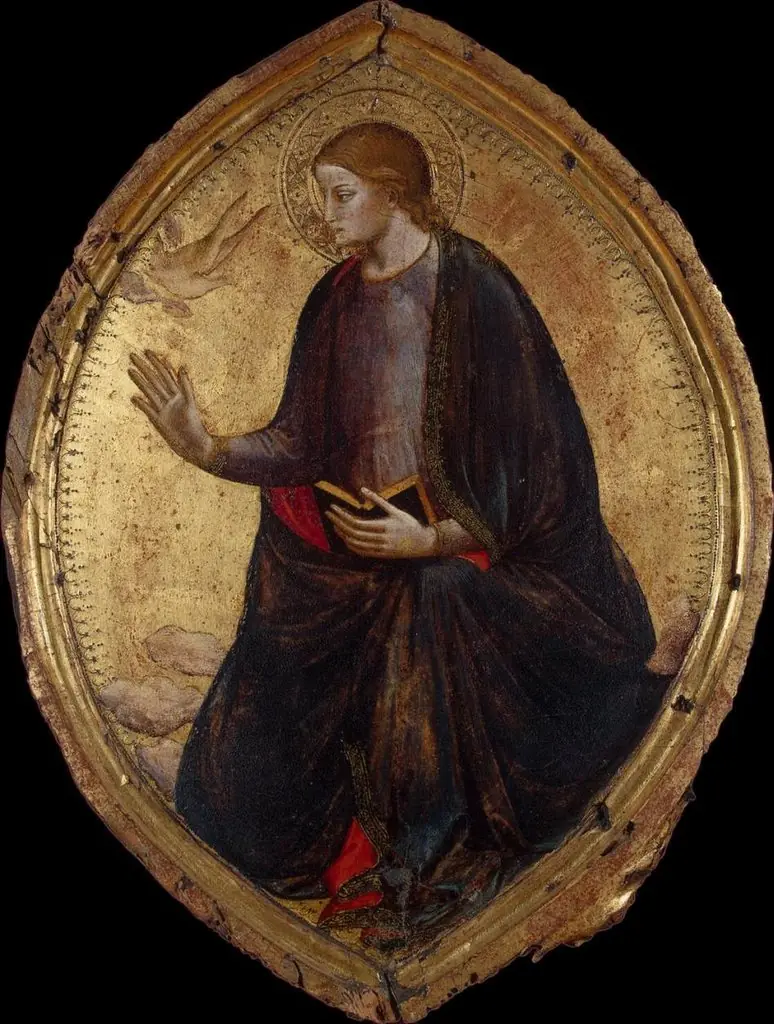 Madonna from the Annunciation Scene
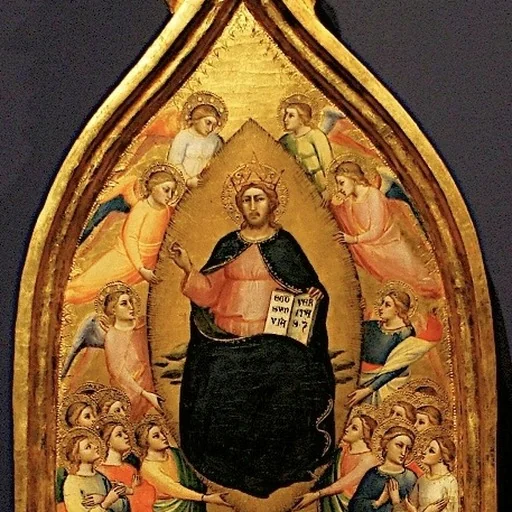
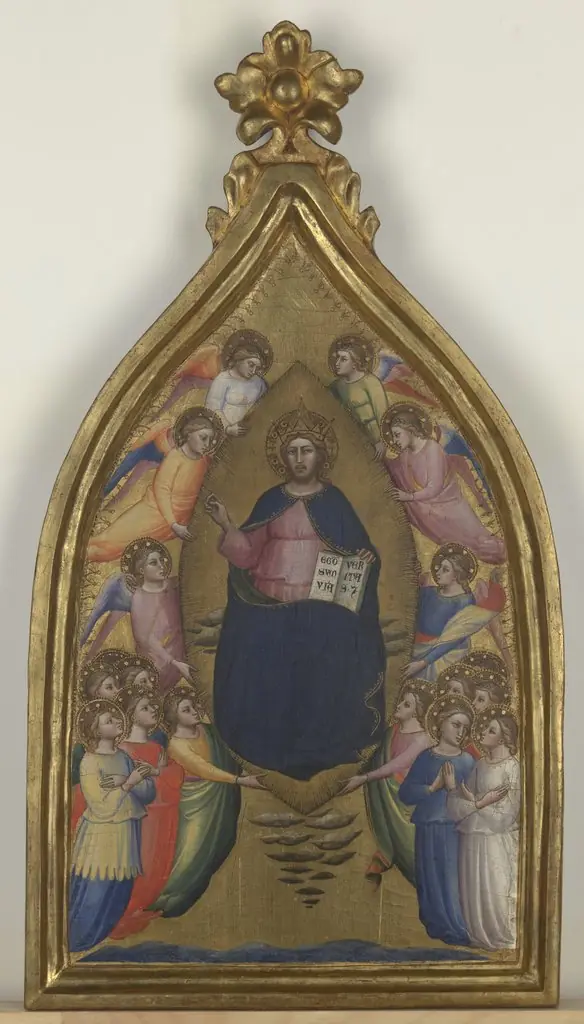 Christ Enthroned Within a Mandorla
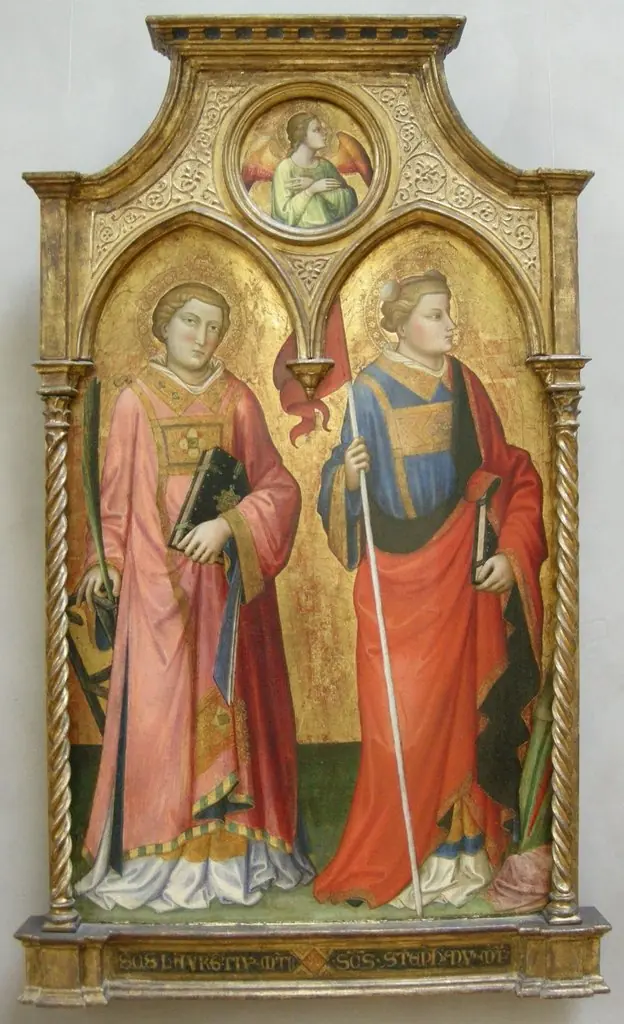 Saints Lawrence and Stephen
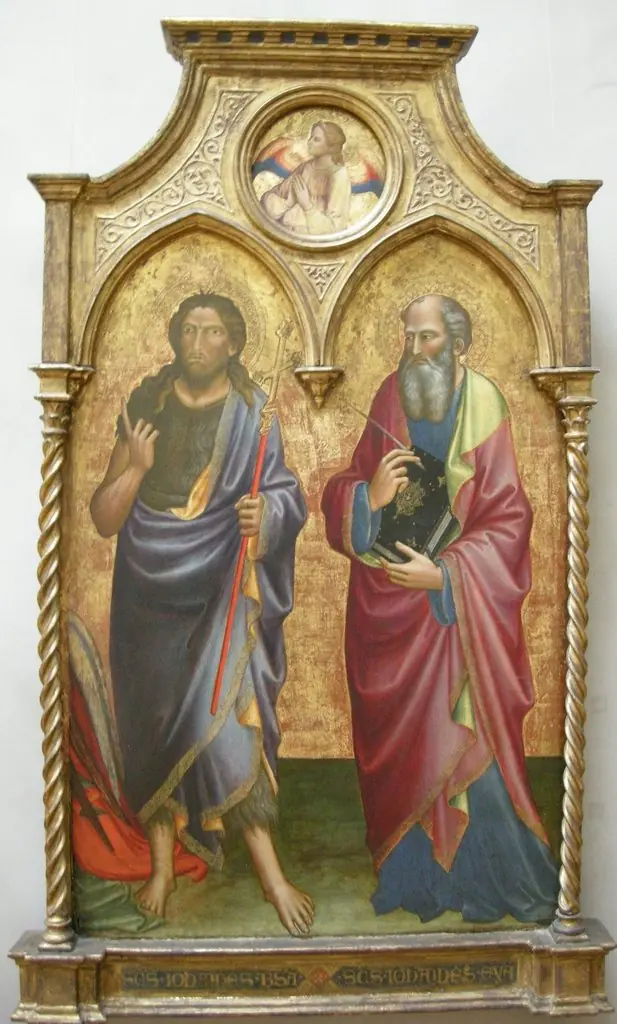 Saints John the Baptist and John the Evangelist
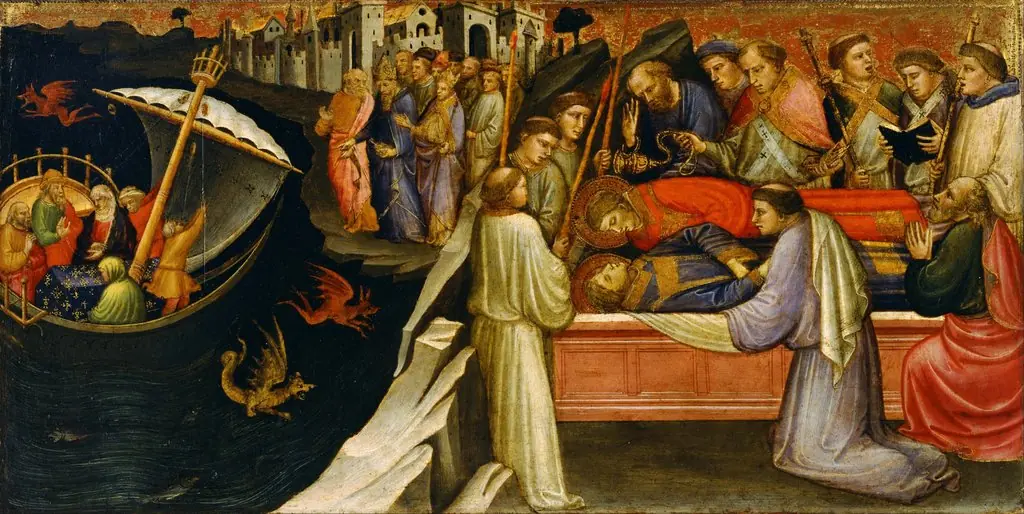 Predella Panel Representing the Legend of St. Stephen: Devils Agitating the Sea as Giuliana Transports the Body of St. Stephen from Jerusalem to Constantinople
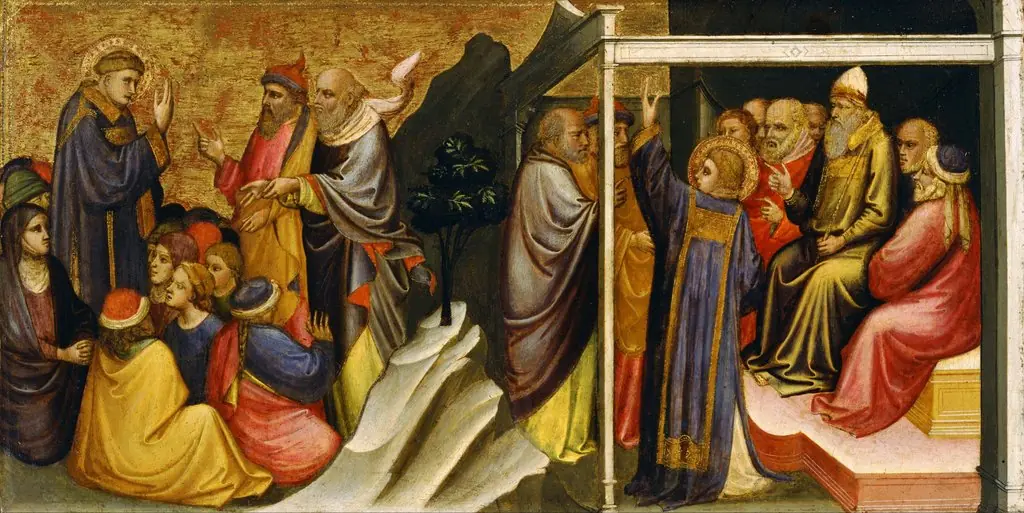 Predella Panel Representing the Legend of St. Stephen: St. Stephen Preaching
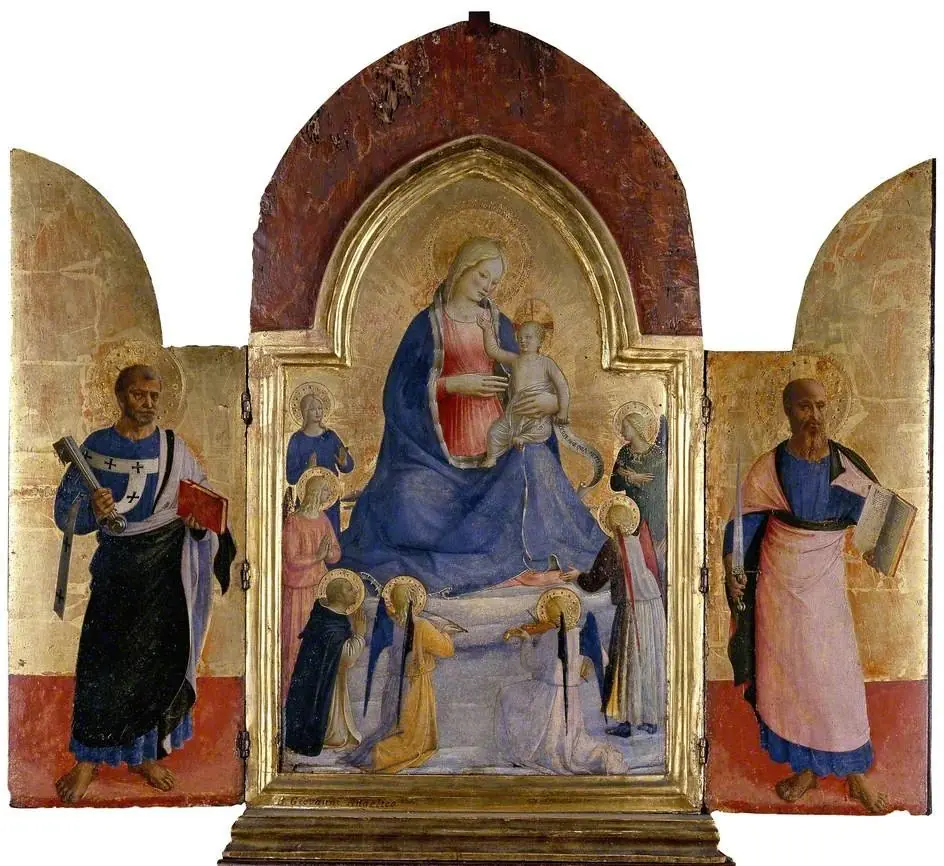 The Virgin and Child with Angels and a Dominican Saint (centre); St Peter (left); St Paul (right)
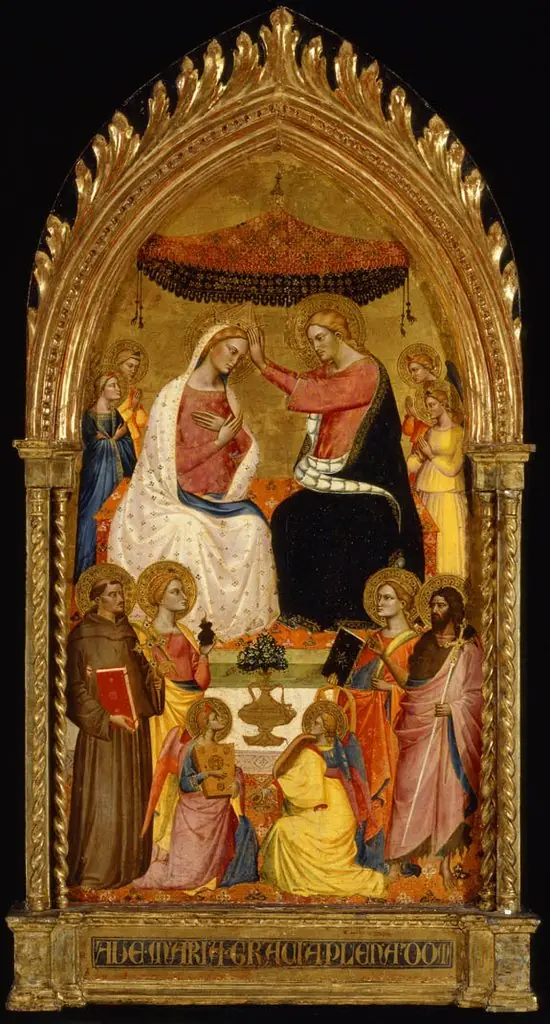 Coronation of Mary
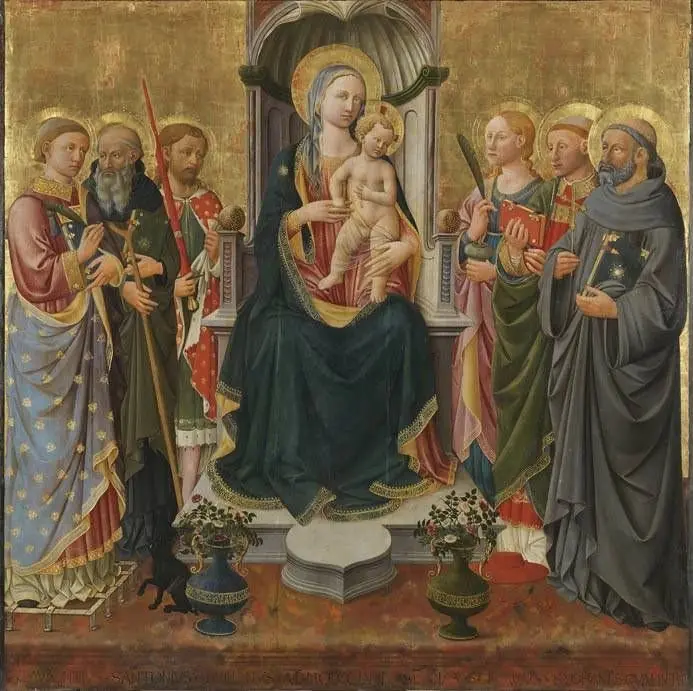 Madonna and Child and 6 Saints
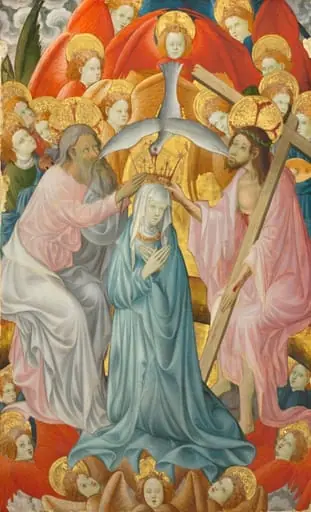 The Coronation of the Virgin with the Trinity
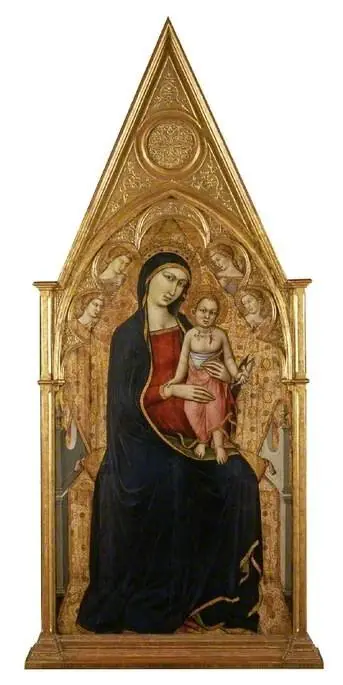 Virgin and Child enthroned
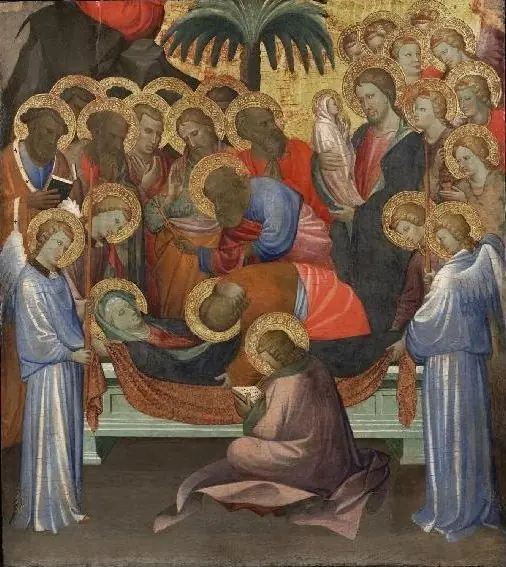 Dormition of the Virgin
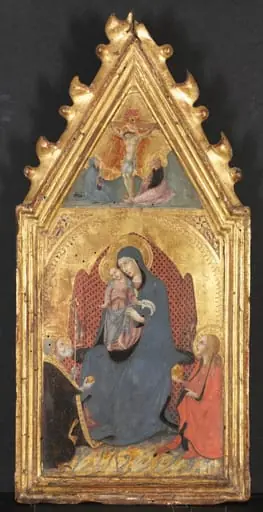 Virgin and Child Adored by Saints Mary Magdalene and Nicolas of Bari; Christ Crucified with the Virgin and Saint John the Evangelist
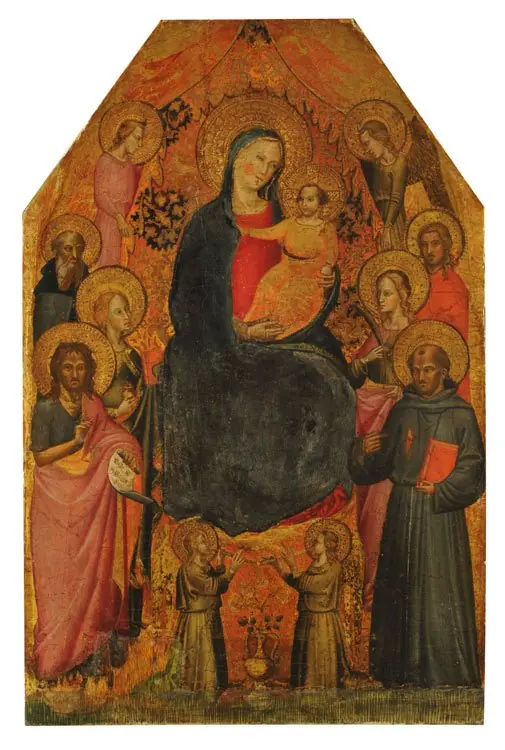 Virgen y Niño rodeados de santos y ángeles
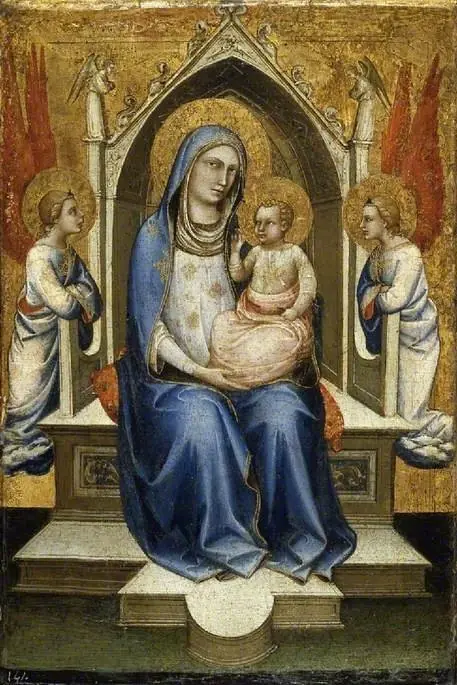 Virgin and Child enthroned