Artwork
Cape Town, Cape of Good Hope
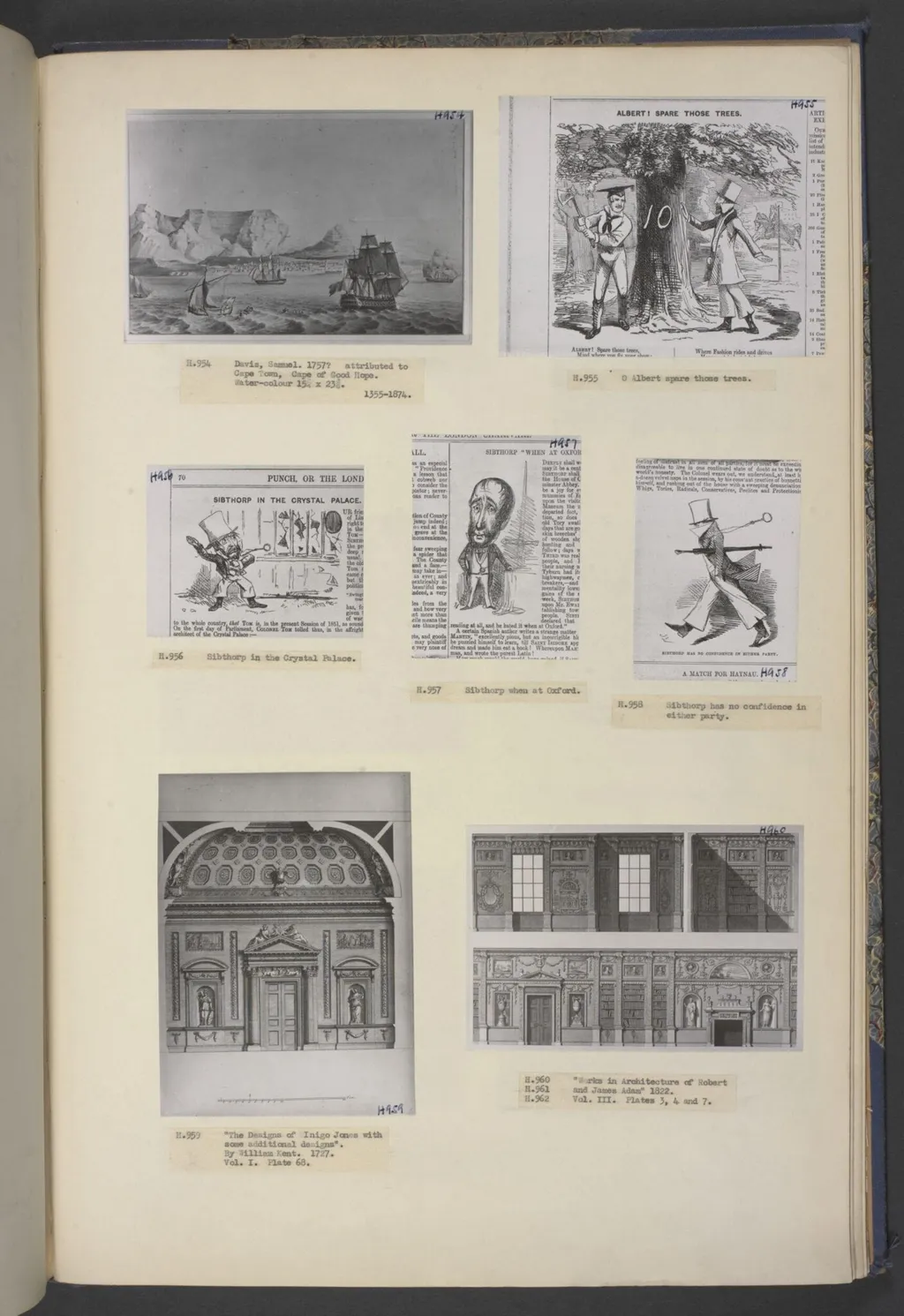
Cape Town, Cape of Good Hope is a watercolor work on paper by the American Folk Art artist Marshall Craig. It dates from 1788 and is held in the collection of the Victoria and Albert Museum.
About this work
Overview
Marshall Craig’s 1788 watercolour, titled *Cape Town, Cape of Good Hope*, depicts a maritime scene rendered in monochrome. The work appears in a printed catalogue rather than as an individual painting, offering a compact yet precise representation of a vessel navigating a rugged shoreline.
Subject & Meaning
The composition centers on a sailing ship confronting choppy seas beside steep, rocky cliffs. A second vessel is shown anchored nearer the coast, suggesting a narrative of navigation and anchorage within a challenging maritime environment.
Technique & Style
Executed in a straightforward, detailed manner, the piece employs line work and tonal contrast typical of late‑18th‑century watercolour sketches. The emphasis on ship forms and coastal topography reflects a utilitarian approach to documenting seascapes.
History & Provenance
Created in 1788, the watercolour was reproduced in a printed catalogue, indicating its role as a visual record rather than a decorative object. Its inclusion in such a publication points to contemporary interest in Cape Town’s strategic maritime position.
Context
The late 1700s saw increased European navigation around the Cape of Good Hope, a critical waypoint for trade routes. Craig’s depiction aligns with the period’s demand for accurate visual information about harbours and coastal hazards.
Artist & collection
Artist
This artist made gentle watercolors and drawings of faraway places and quiet scenes between about 1788 and 1828.

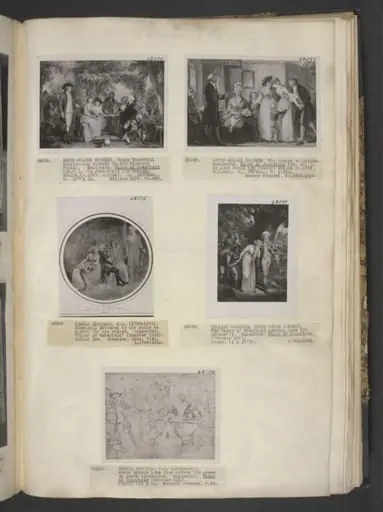 Thornhill Summoned by his Uncle to Answer for his Crimes
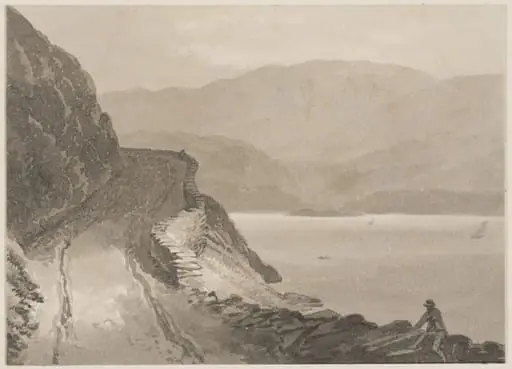
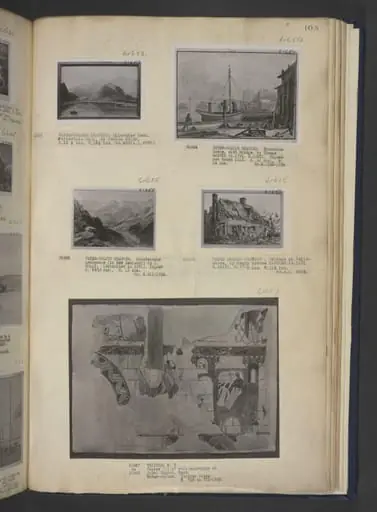 Ullswater Head, Patterdale Hall
 The Robber
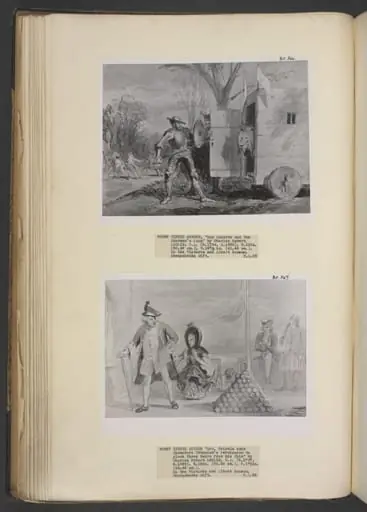 Don Quixote and the Lion
 Scene from Peregrine Pickle
 Under the Salle de Chevaliers, Mont St. Michel, Normand
 A Lady at her Toilette
 Charlton, looking towards Woolwich
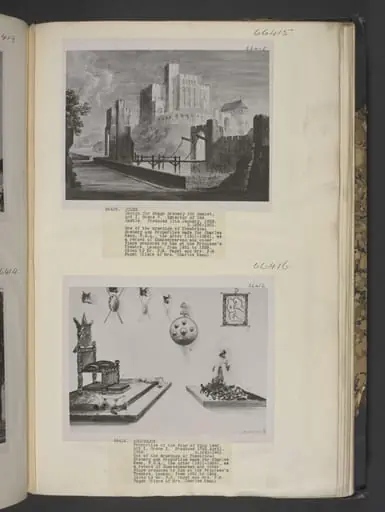 drawing of scenery and props in King Lear
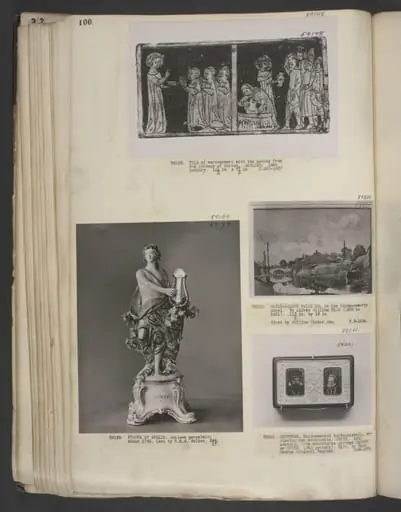 On Rickmansworth Canal
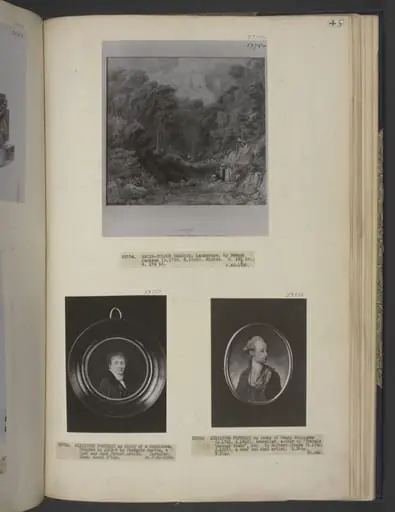 Nightingale Valley near Clifton with St. Vincent's Rocks and the Obsevatory Tower