Artwork
Walton-on-Thames
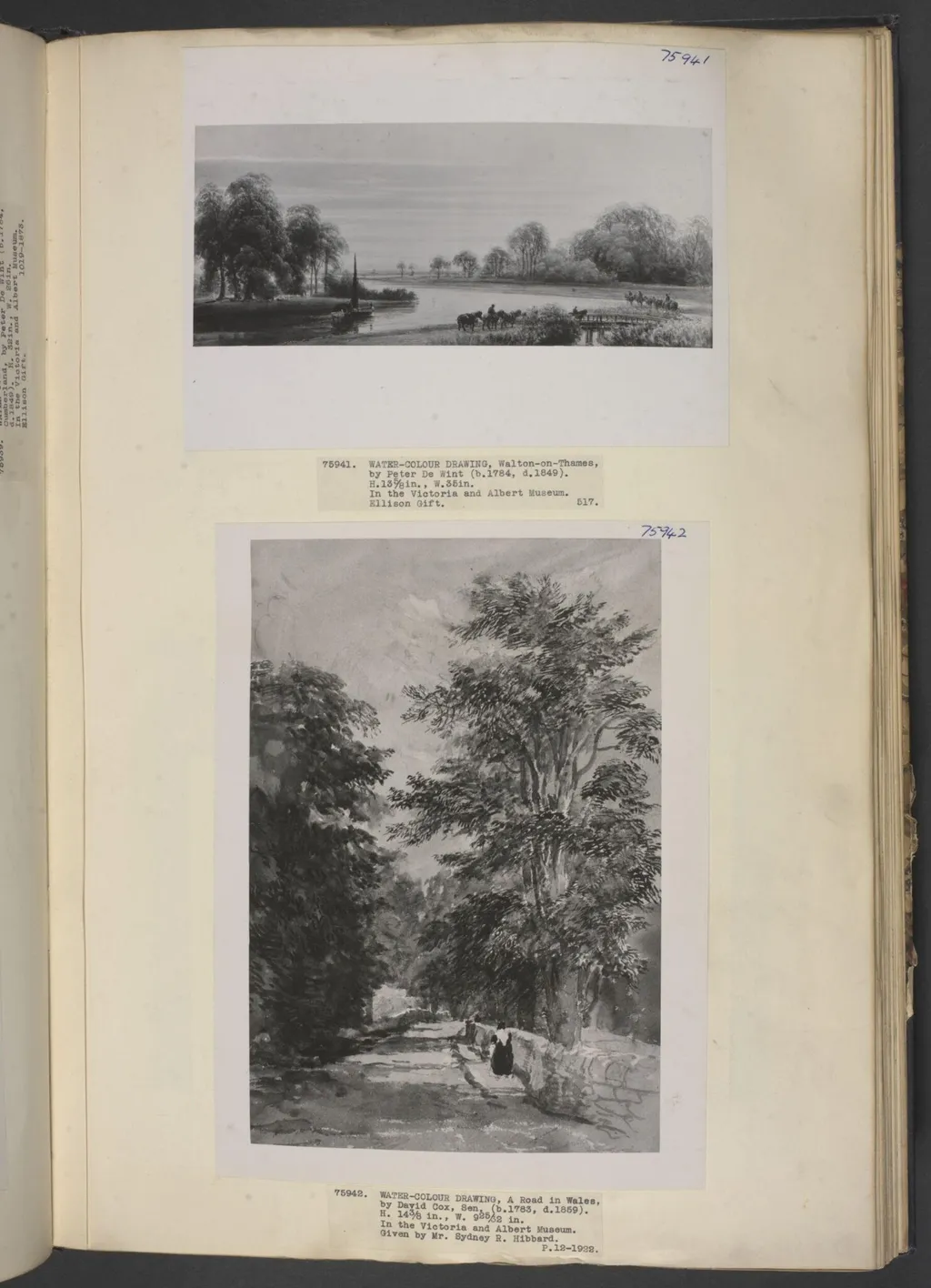
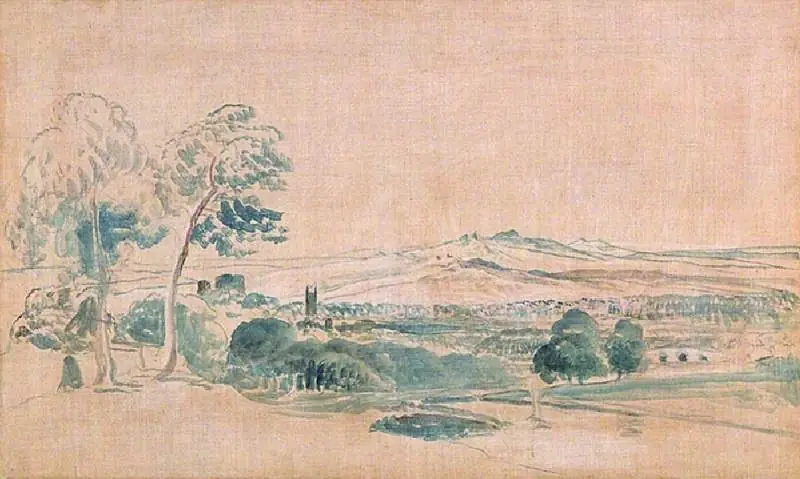
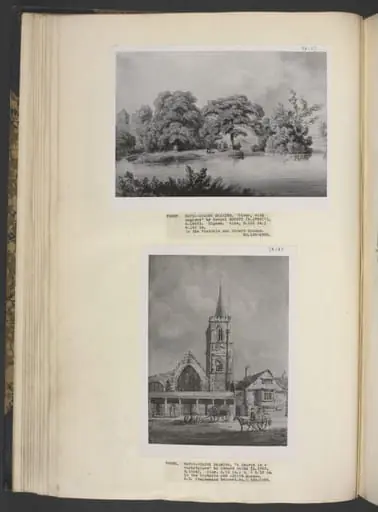
Walton-on-Thames is a watercolor work on paper by the Romanticist artist Peter De Wint. It dates from 1844 and is held in the collection of the Victoria and Albert Museum.
About this work
Overview
Painted in 1844, Peter De Wint’s watercolour *Walton-on-Thames* captures a tranquil riverside view of the Surrey town.
Painted in 1844, Peter De Wint’s watercolour *Walton-on-Thames* captures a tranquil riverside view of the Surrey town. Executed in delicate washes, the work reflects the artist’s mastery of the medium. It was later included in a significant bequest of one hundred British watercolours, donated by the widow of Richard Ellison between 1860 and 1873, intended to form the foundation of a national collection dedicated to watercolour art.
Subject & Meaning
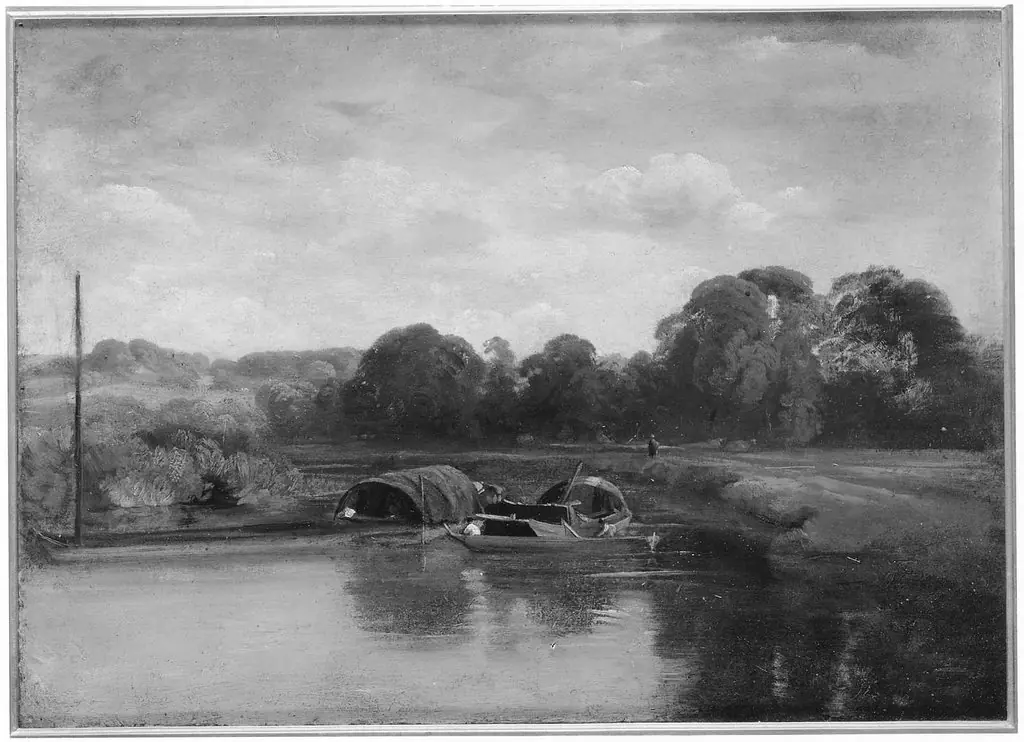
The scene portrays a quiet stretch of the River Thames near Walton, with low hills rising behind a modest church. Figures and animals move gently along the bank, their presence subtle and unobtrusive. The composition avoids drama, emphasizing stillness and harmony between human activity and the natural landscape. This quietude reflects a contemplative view of rural England, aligned with enduring ideals of pastoral life.
Technique & Style
De Wint employed transparent watercolour washes to build soft, layered tones, allowing the paper’s white to suggest light. His brushwork is restrained, blending hues seamlessly to evoke atmospheric depth without sharp outlines. The sky, rendered in pale washes, merges gently with the water and foliage, reinforcing a sense of calm. The technique prioritizes mood over detail, characteristic of his mature style.
History & Provenance
The painting entered a major public collection through the donation of Richard Ellison’s widow, who contributed one hundred British watercolours between 1860 and 1873. This bequest was instrumental in establishing a national repository for the medium. De Wint’s work was selected not for its novelty but for its technical refinement and representative quality within the British watercolour tradition of the early 19th century.
Context
Created during the later years of Romanticism, the painting reflects the movement’s enduring influence on landscape depiction—valuing emotional resonance over narrative. While not overtly dramatic, its quiet observation of nature aligns with Romantic ideals of harmony and introspection. De Wint’s focus on everyday English scenery contrasts with grander continental traditions, emphasizing local authenticity.
Legacy
As part of a foundational collection for British watercolours, *Walton-on-Thames* helped define institutional standards for the medium’s preservation and display. De Wint’s approach influenced later artists and curators seeking to elevate watercolour beyond sketchwork to a serious artistic form. The work remains a quiet exemplar of 19th-century British landscape sensibility.
Artist & collection
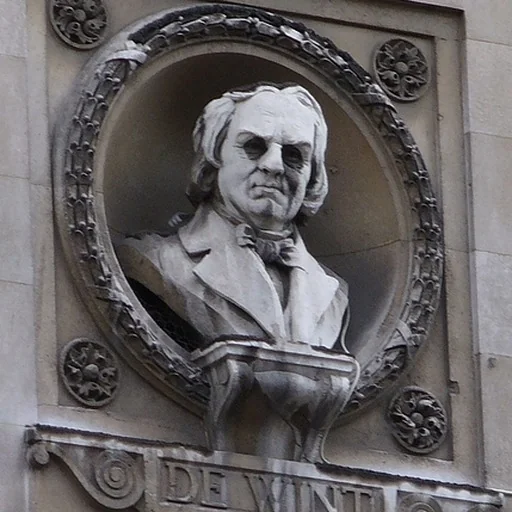
Artist
Peter De Wint was a prolific English painter, mostly in landscape painting in oils and watercolour. A number of his pictures are in Tate Britain, the Victoria and Albert Museum and The Collection, Lincoln. He died in London.