Artwork
Paisaje
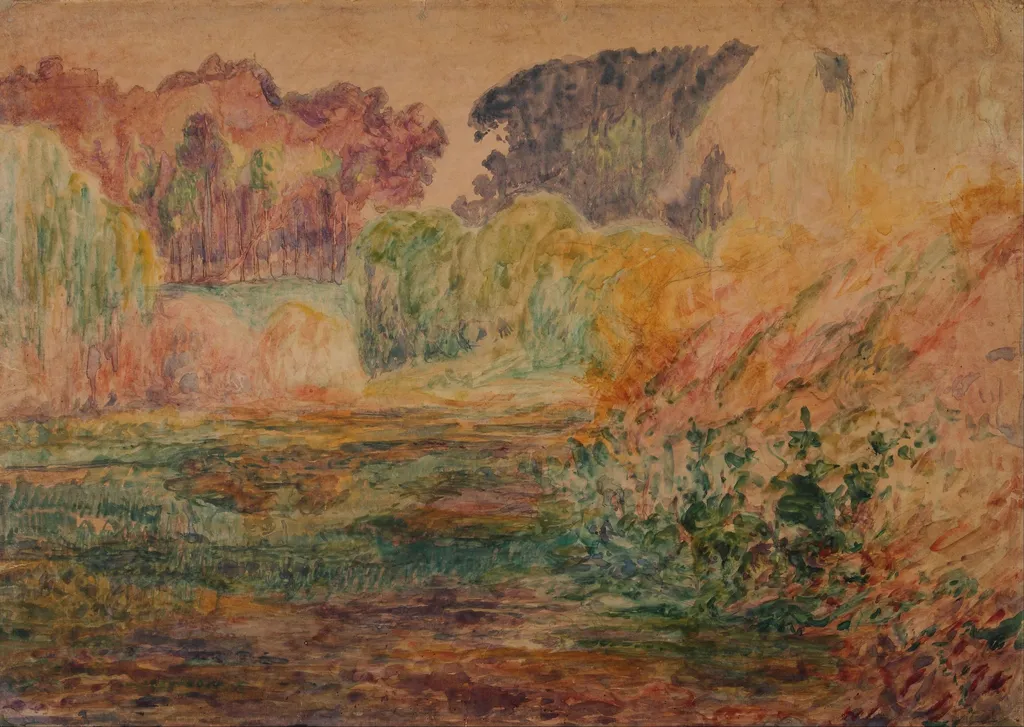
Paisaje is an unspecified painting by Martín Malharro. It dates from 1500 and is held in the collection of the National Museum of Fine Arts, Argentina.
About this work
Overview
The painting resides in the National Museum of Fine Arts in Buenos Aires, where it represents a pivotal moment in the nation’s artistic development.
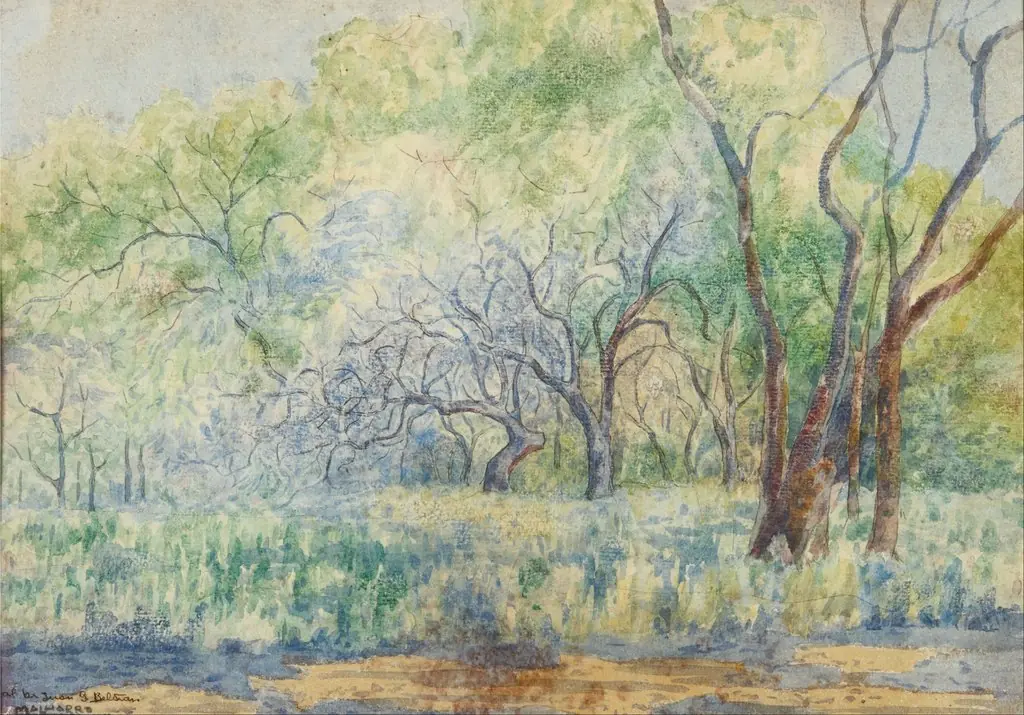
Paisaje, painted around 1900 by Argentine artist Martín Malharro, is a landscape work that reflects the early adoption of Impressionist principles in South America. Malharro, a key figure in bringing European light-based techniques to Argentina, used this piece to explore natural atmospheres through loose brushwork and subtle tonal shifts. The painting resides in the National Museum of Fine Arts in Buenos Aires, where it represents a pivotal moment in the nation’s artistic development.
Subject & Meaning
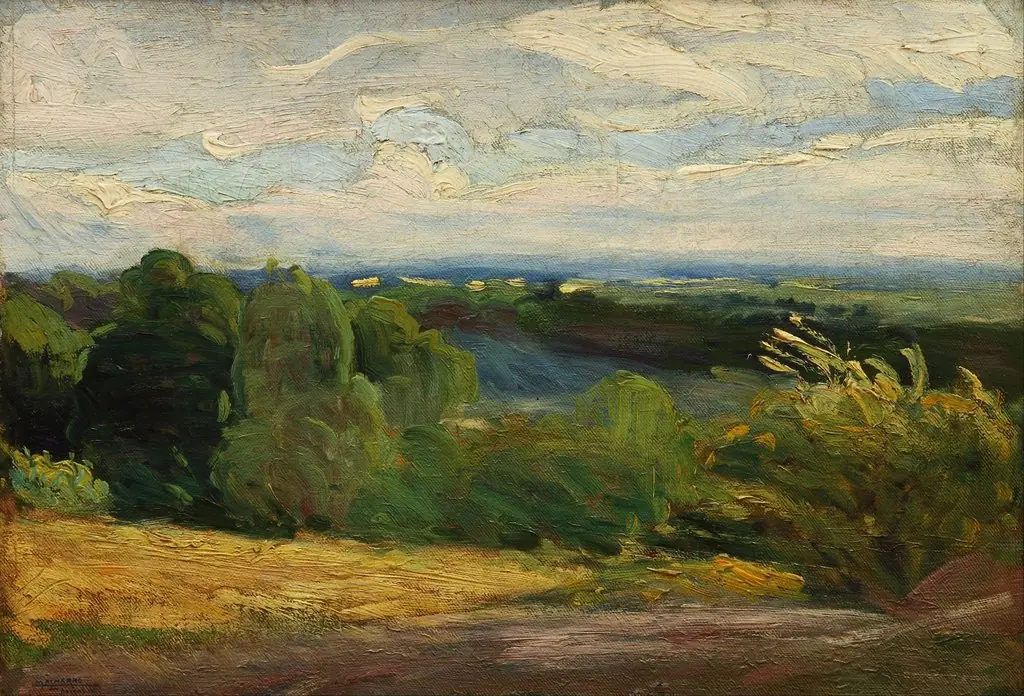
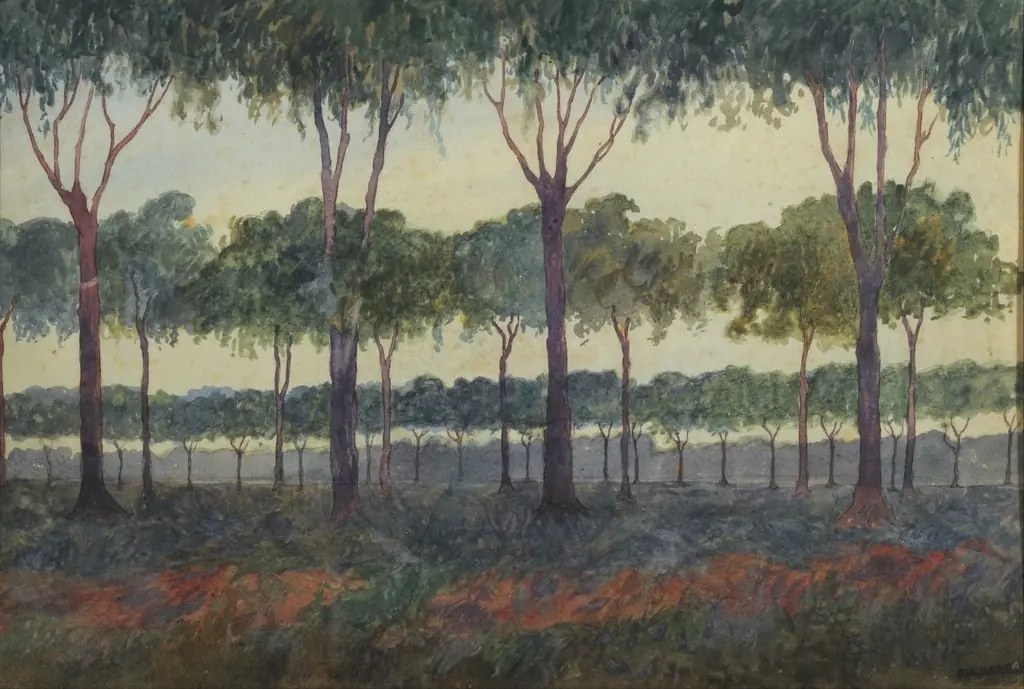
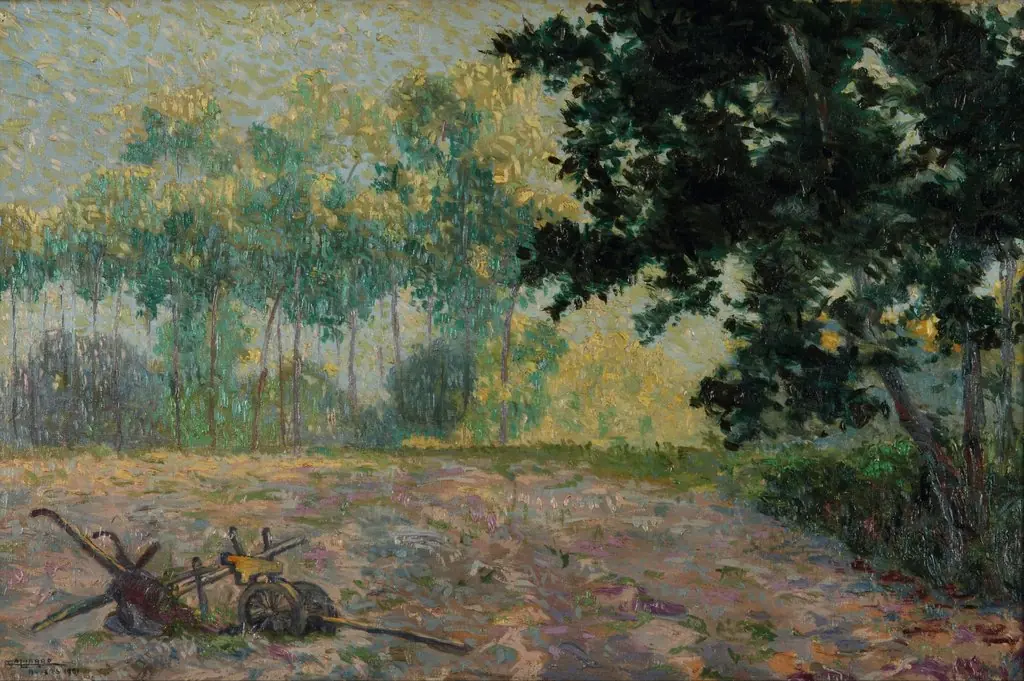
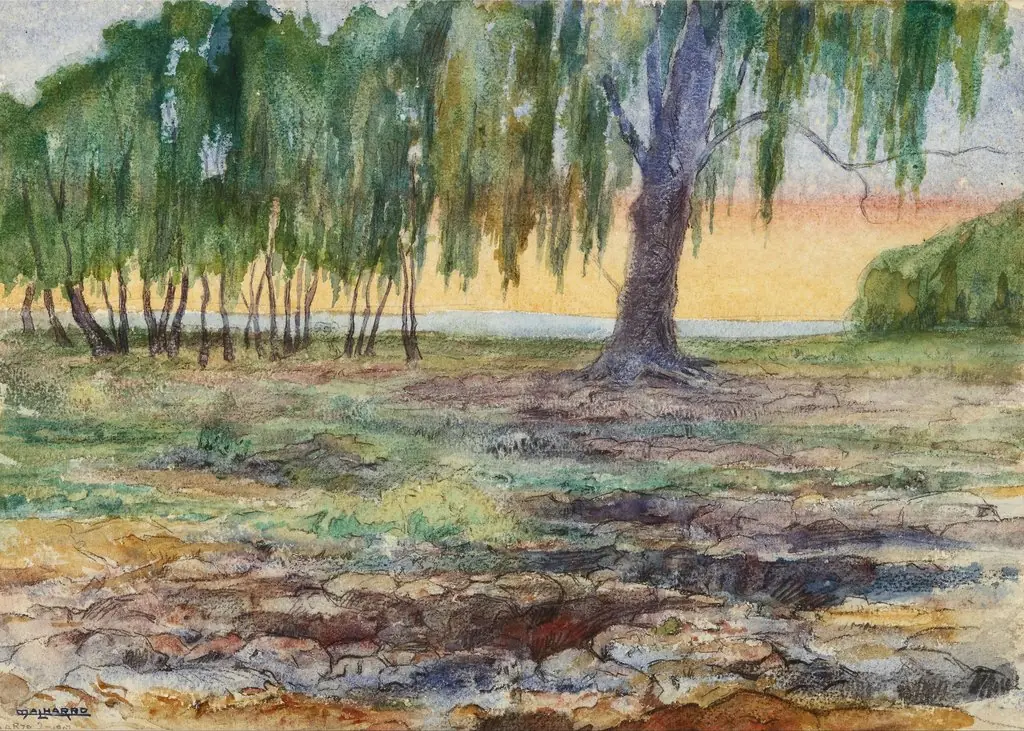
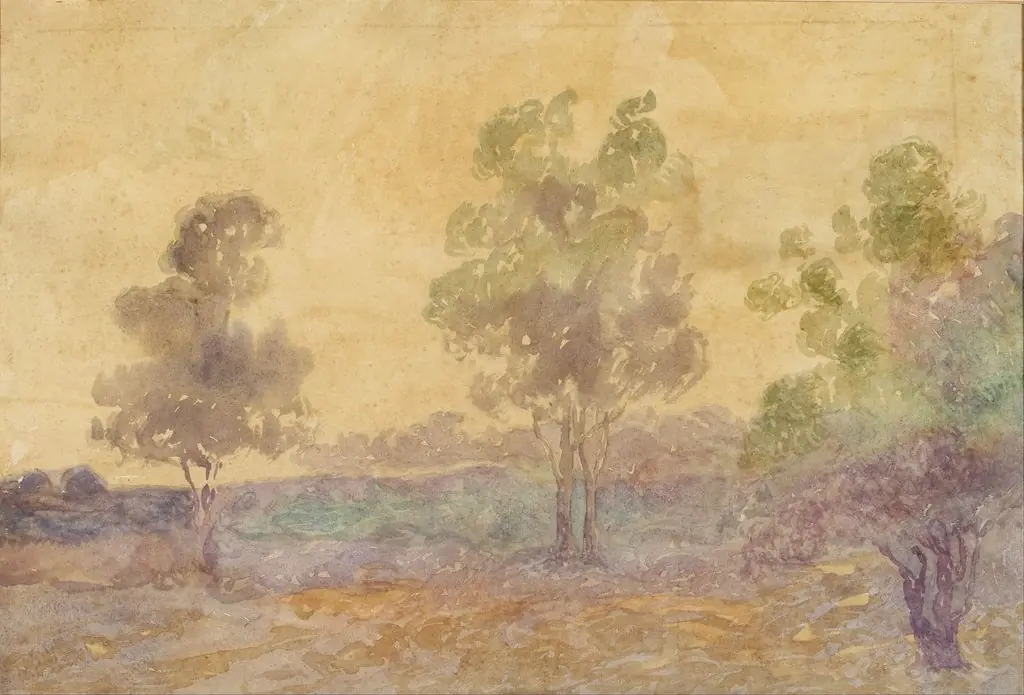
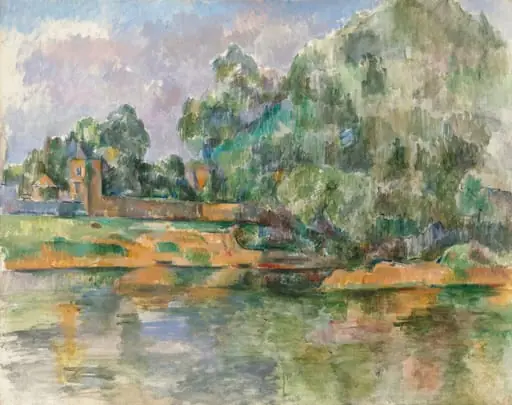
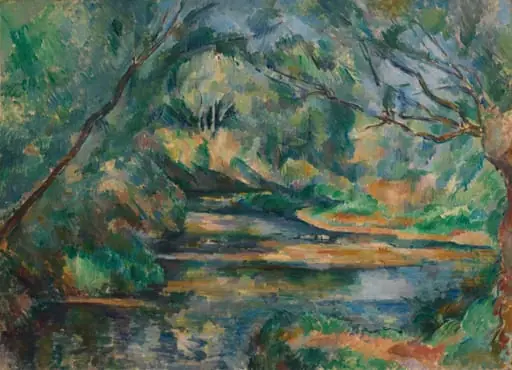
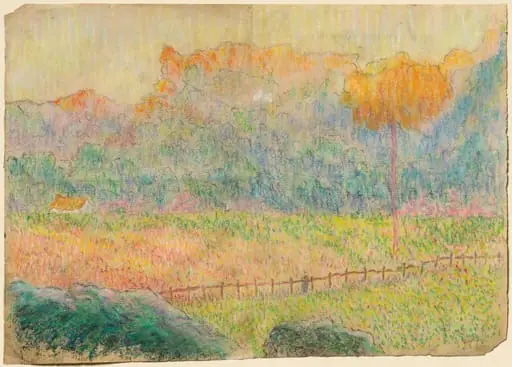
The painting presents a quiet rural scene centered on a still body of water, framed by distant trees and soft earth tones. There is no human presence or narrative event; instead, the focus lies in the quiet interplay of light and environment. The composition invites contemplation, emphasizing mood over detail. The blending of elements suggests a transient moment—dawn or dusk—where nature feels suspended in stillness.
Technique & Style
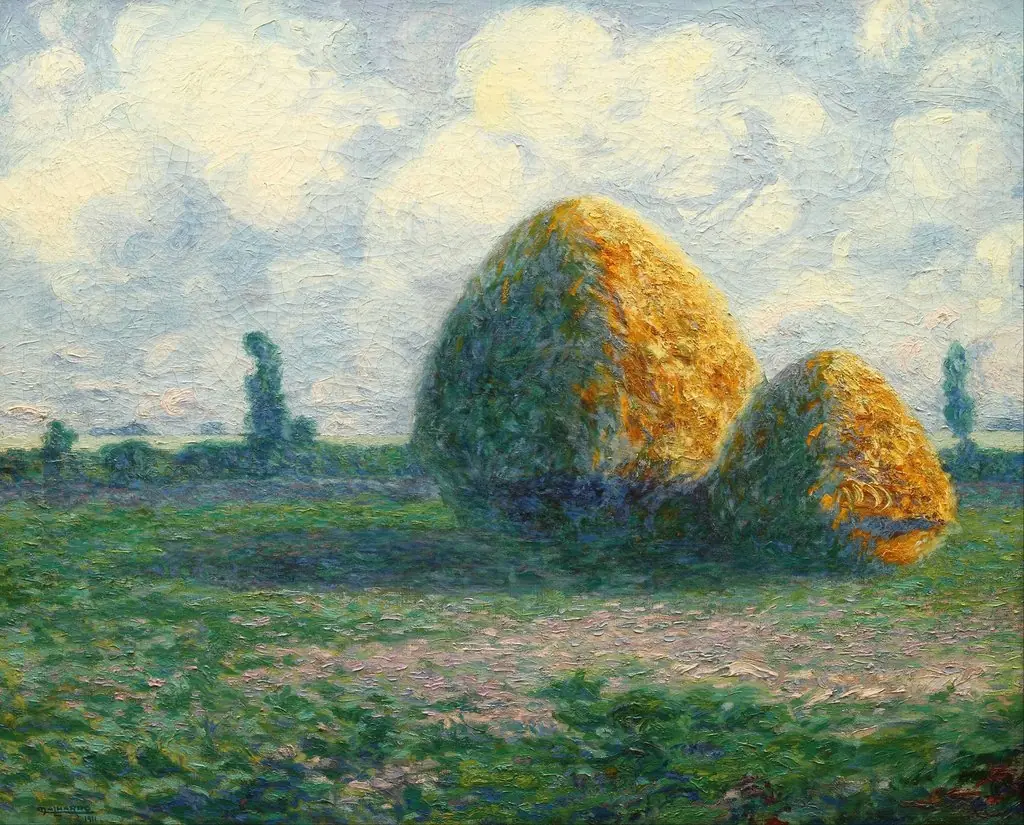
Malharro employed visible, broken brushstrokes to capture the fleeting effects of natural light, aligning with Impressionist methods. Colors are restrained—muted greens, ochres, and browns—avoiding bold contrasts in favor of harmonious gradations. The surface texture arises from layered application, not fine detail, creating a hazy, atmospheric depth. The effect is one of quiet resonance rather than dramatic emphasis, prioritizing sensory impression over precise representation.
History & Provenance
Created during a period of cultural expansion in Argentina, Paisaje emerged as the country’s artists began engaging with international movements. Malharro’s work was among the first in the region to systematically apply Impressionist techniques to local scenery. The painting entered the National Museum of Fine Arts’ collection early in the 20th century, where it has remained as part of a foundational group of Argentine modernist works.
Context
In late 19th-century Argentina, urbanization and European immigration spurred new artistic directions. Malharro’s landscapes responded to this shift by reimagining the local environment through a lens influenced by French Impressionism. While not a direct copy of European models, his approach signaled a departure from academic traditions, aligning Argentine art with broader global trends in perception and representation.
Legacy
Paisaje helped establish a visual language for Argentine landscape painting that valued atmosphere over detail. Malharro’s influence extended to later generations who continued exploring light and nature with similar sensitivity. Though not widely known internationally, the work remains a touchstone in Argentine art history for its quiet innovation and role in bridging local subject matter with international stylistic developments.
Own this work as a print
Artist & collection
Artist
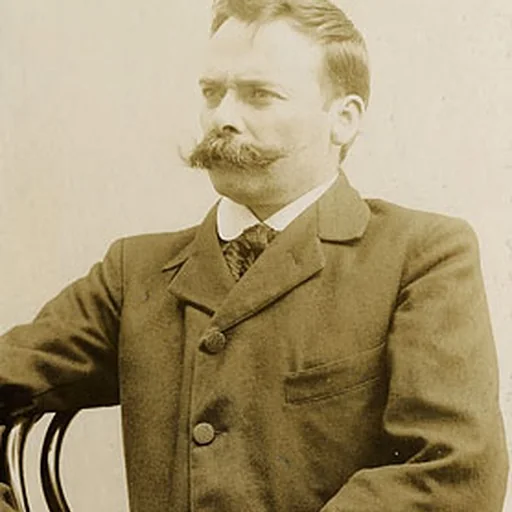
Martín Malharro (1865–1911) was an Argentine painter who introduced Impressionism in the country in the early 20th century.

Museum
National Museum of Fine Arts, Argentina
Continue through works from the same source collection.