Artwork
Țăran schwab (suab); pandant: Țărancă schwabă (suabă)
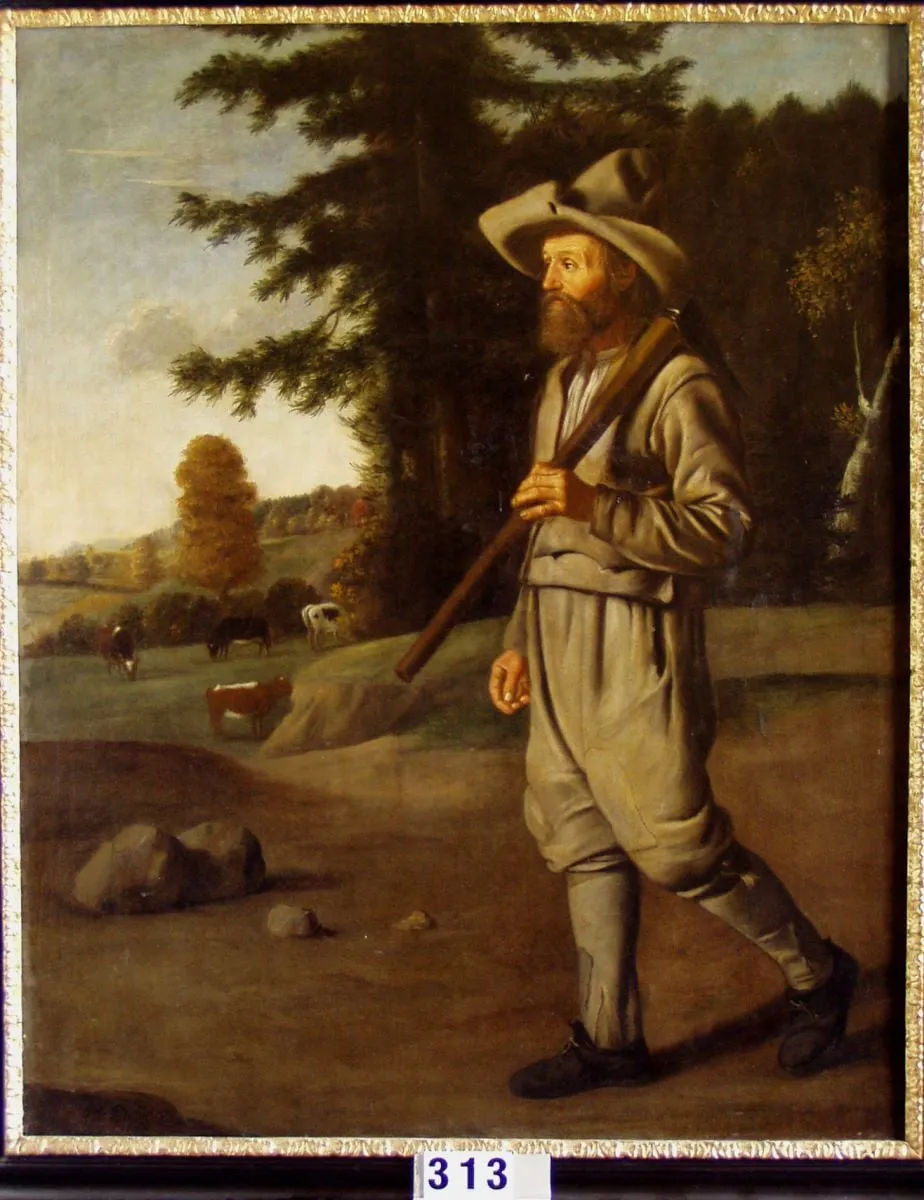
Țăran schwab (suab); pandant: Țărancă schwabă (suabă) is an unspecified painting by the Baroque artist Martin Dichtl. It dates from 1669 and is held in the collection of the Brukenthal National Museum.
About this work
Overview
It stands out for its focus on ordinary rural individuals rather than the more common aristocratic or religious subjects of the era.
Martin Dichtl’s 1669 image, titled Țăran schwab (suab) with its companion piece Țărancă schwabă (suabă), portrays a pair of figures dressed in traditional Swabian attire. The work is executed as a painted image and dates to the late seventeenth century, placing it within the Baroque period. It stands out for its focus on ordinary rural individuals rather than the more common aristocratic or religious subjects of the era.
Subject & Meaning
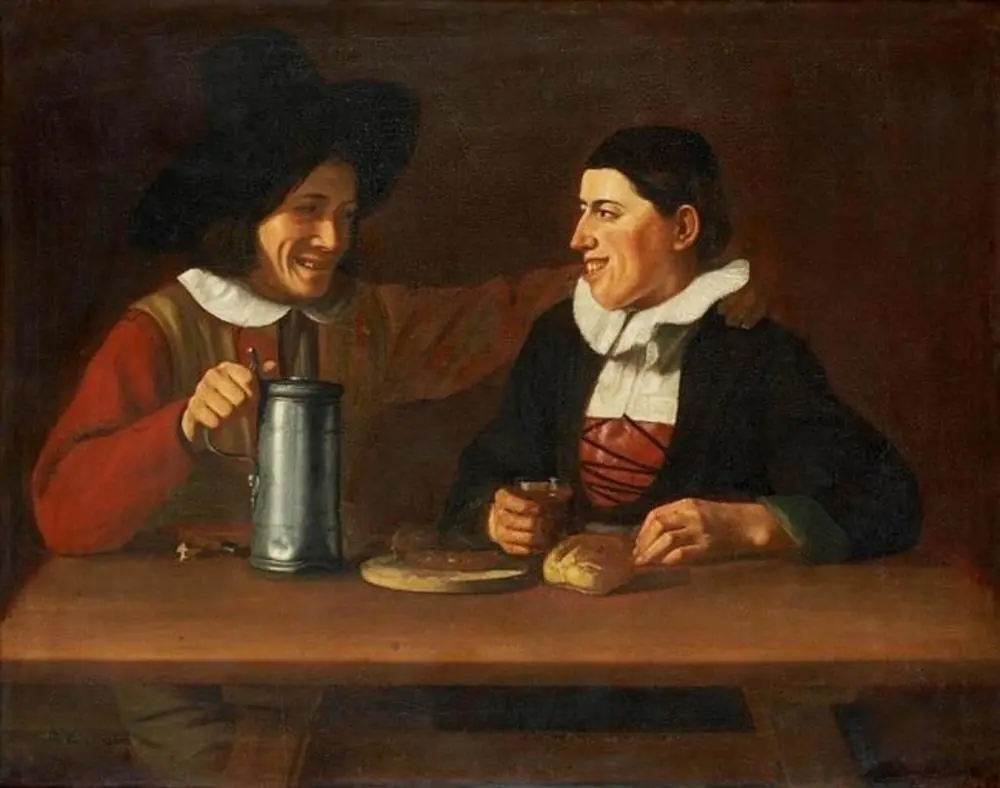
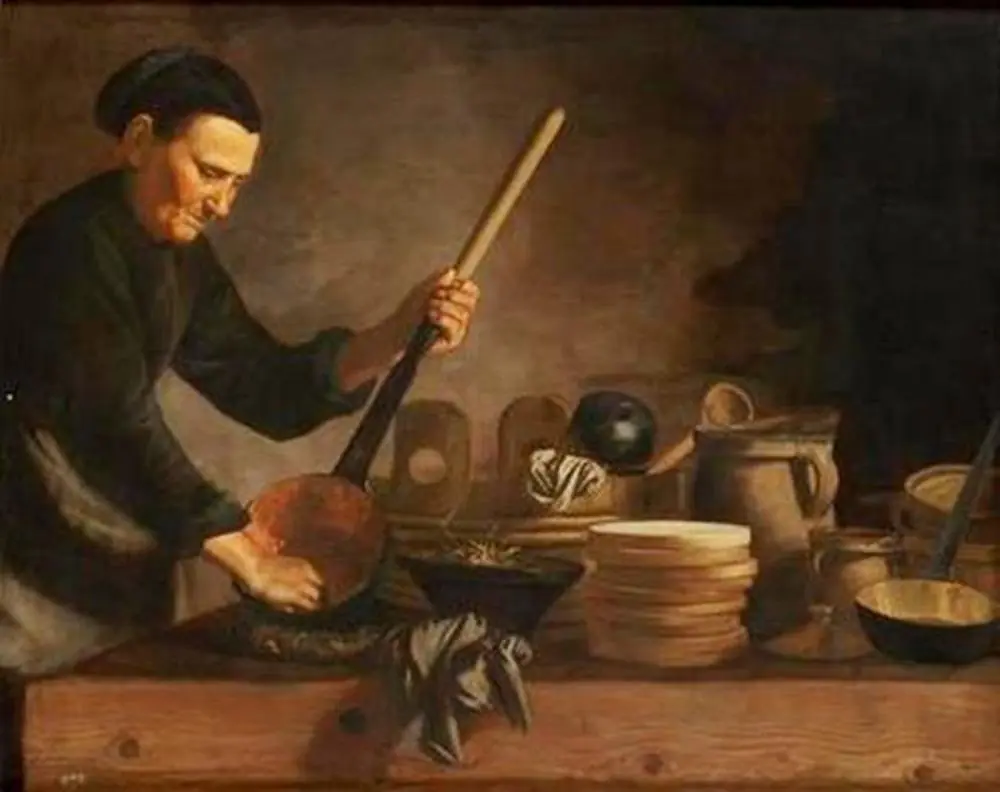
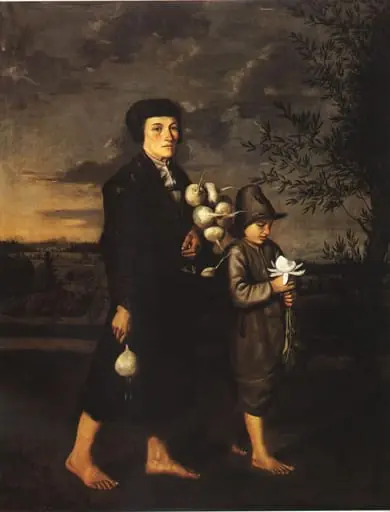
The composition features a man and a woman standing side by side, each rendered in the characteristic costume of Swabian peasants. The male figure wears a brimmed hat, a heavy coat, and sturdy boots, while the female figure is clad in a long skirt and apron. Their rigid, formal posture suggests a dignified representation of agrarian life, emphasizing the cultural identity of the region.
Technique & Style
Dichtl employs a muted, dark palette that reinforces the weight of the woolen fabrics. Careful modeling of folds gives the textiles a tactile quality, allowing viewers to sense the stiffness of the material. The rendering is precise and restrained, aligning with Baroque realism while avoiding the dramatic chiaroscuro typical of contemporary courtly portraits.
Context
Created during the height of the Baroque era, the image diverges from the period’s dominant themes of royalty, saints, and mythological scenes. By depicting everyday farmers in traditional dress, Dichtl contributes to a modest strand of Baroque art that documents regional customs and social strata, offering a counterpoint to the grandiose narratives prevalent in the same timeframe.
Artist & collection