Artwork
König Sigismund III. (1566-1632) von Polen, Kniestück
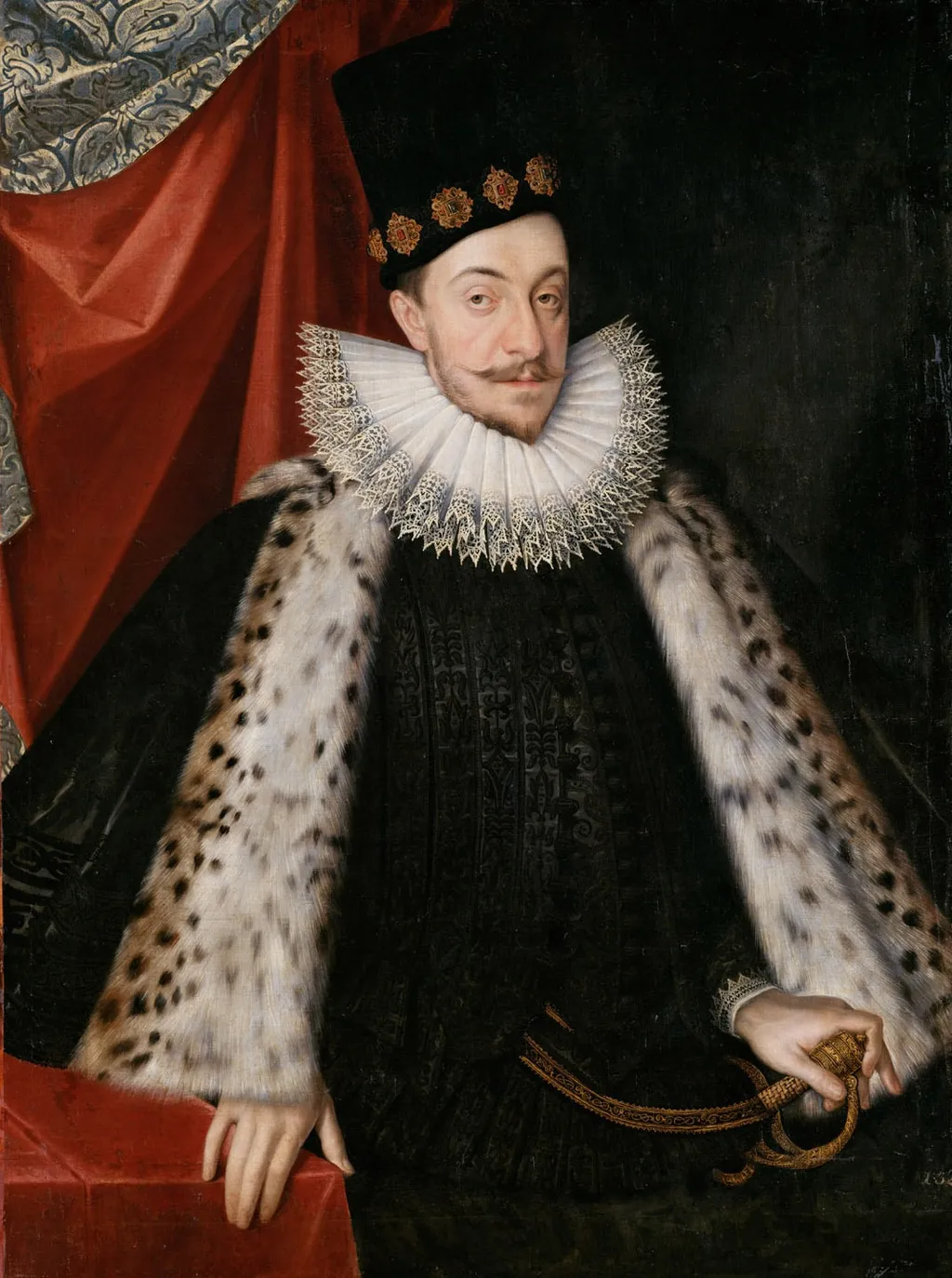
König Sigismund III. (1566-1632) von Polen, Kniestück is an unspecified painting by the Mannerist artist Martin Kober. It dates from 1596 and is held in the collection of the Kunsthistorisches Museum.
About this work
Overview
Kober, a court artist active across Central Europe, rendered the monarch in a formal, half-length composition typical of royal portraiture of the period.
Painted in 1596 by Martin Kober, this kneeling portrait depicts Sigismund III Vasa, King of Poland and Sweden. Kober, a court artist active across Central Europe, rendered the monarch in a formal, half-length composition typical of royal portraiture of the period. The work is held in the Kunsthistorisches Museum, Vienna, and reflects the stylistic conventions favored by Habsburg-aligned courts at the close of the 16th century.
Subject & Meaning
Sigismund III is shown in a posture of dignified submission, kneeling before an unseen authority—likely divine or imperial. His elaborate attire, including fur-trimmed garments and gold-adorned hat, signals his royal status and wealth. The restrained smile and composed gaze convey control rather than emotion, emphasizing his role as a sovereign rather than an individual. The painting functions as a visual assertion of legitimacy and hierarchical order.
Technique & Style
Kober employed Mannerist principles, favoring elongated proportions and polished surfaces over naturalism. The lighting is carefully modulated to highlight textures—fur, silk, and metal—while casting subtle shadows that define form. The background curtain introduces depth without distraction, and the rigid posture, though elegant, lacks spontaneity. The effect is one of calculated refinement, typical of courtly portraiture seeking to project authority through visual restraint.
History & Provenance
Commissioned during Sigismund’s reign, the portrait likely served diplomatic or ceremonial purposes, reinforcing his dual role as King of Poland and claimant to the Swedish throne. It entered the Habsburg collections following Sigismund’s political ties to Vienna and remained in imperial custody. Its preservation in the Kunsthistorisches Museum reflects its continued recognition as a document of early modern royal representation.
Context
In late 16th-century Central Europe, portraiture was a tool of political messaging. Rulers like Sigismund used images to assert dynastic continuity and religious authority amid religious conflict and territorial disputes. Kober’s style aligned with broader trends in Polish and Austrian courts, where Mannerist elegance replaced earlier Renaissance naturalism to convey status through stylized form rather than psychological depth.
Legacy
The portrait remains a key example of how royal identity was constructed visually in the Polish–Lithuanian Commonwealth. While not widely known outside specialist circles, it illustrates the transnational nature of court art in early modern Europe. Its preservation offers insight into the aesthetic and political priorities of a monarchy navigating complex alliances and internal divisions.
Artist & collection
Artist
Martin Kober (also Chober, Cober, Coeber, Khober, Koeber, Koebner; Polish: Marcin Kober; c.

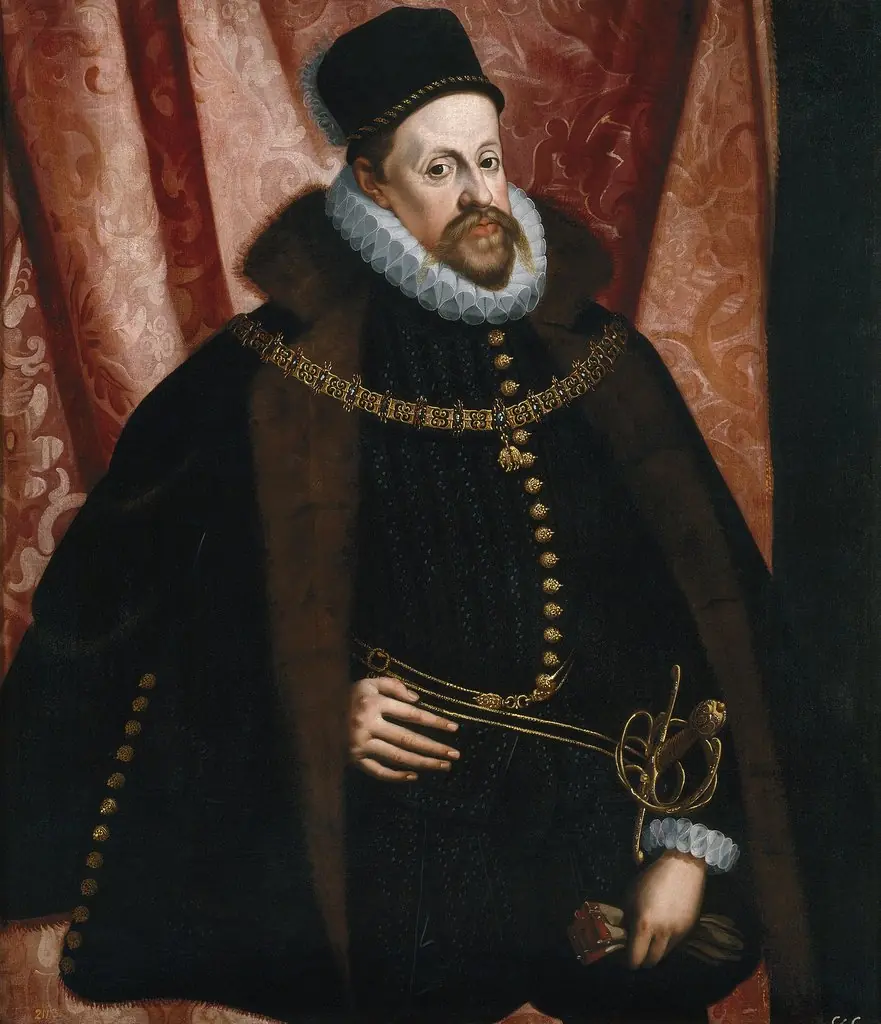 El archiduque Carlos de Austria, duque de Stiria
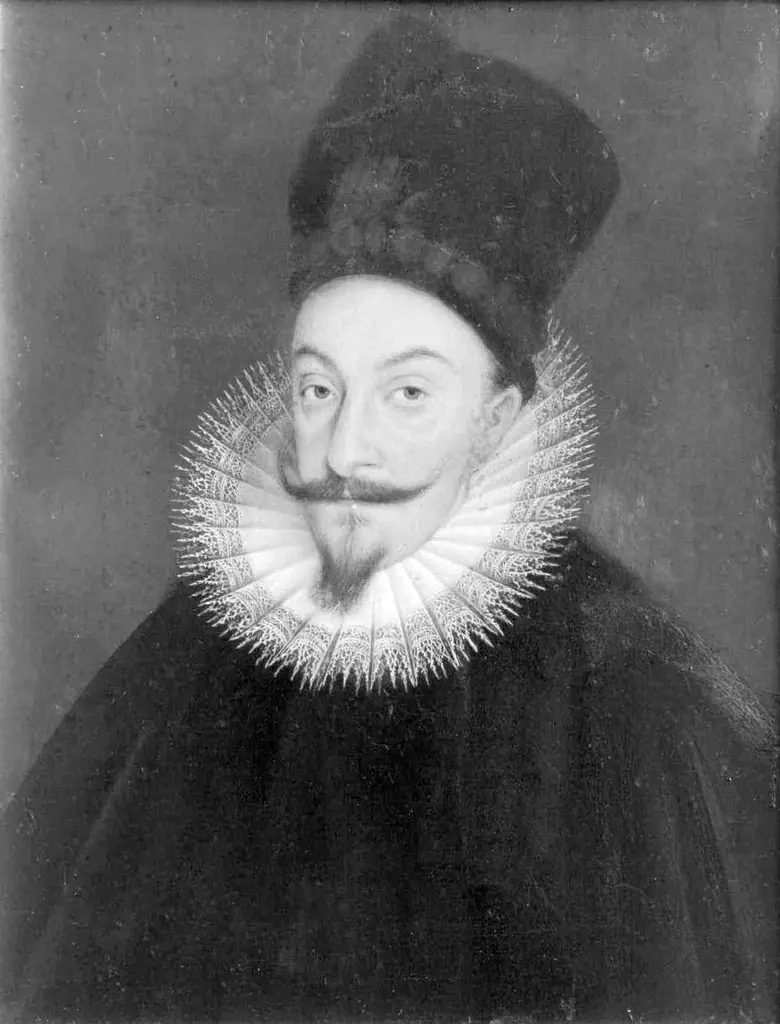
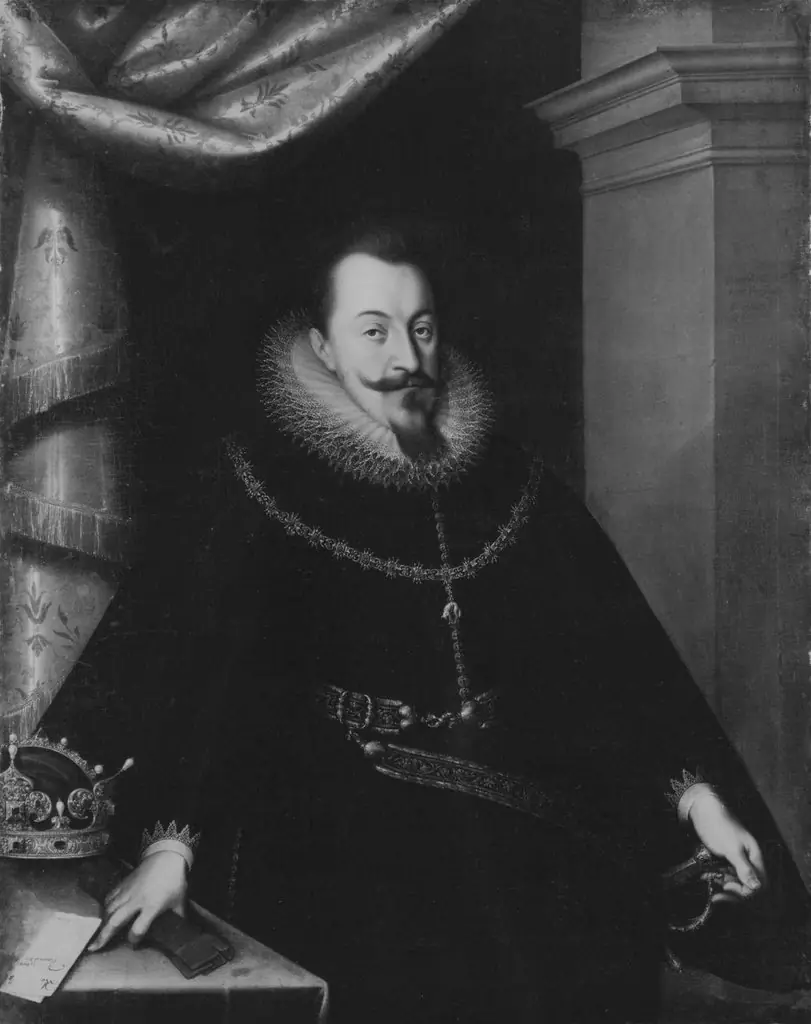 Bildnis des Königs Sigismund III. Vara von Polen und Schweden
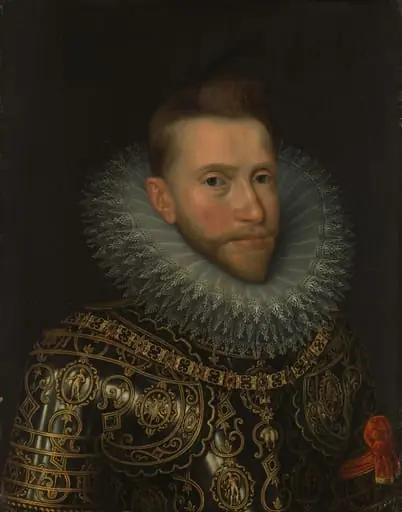 Untitled
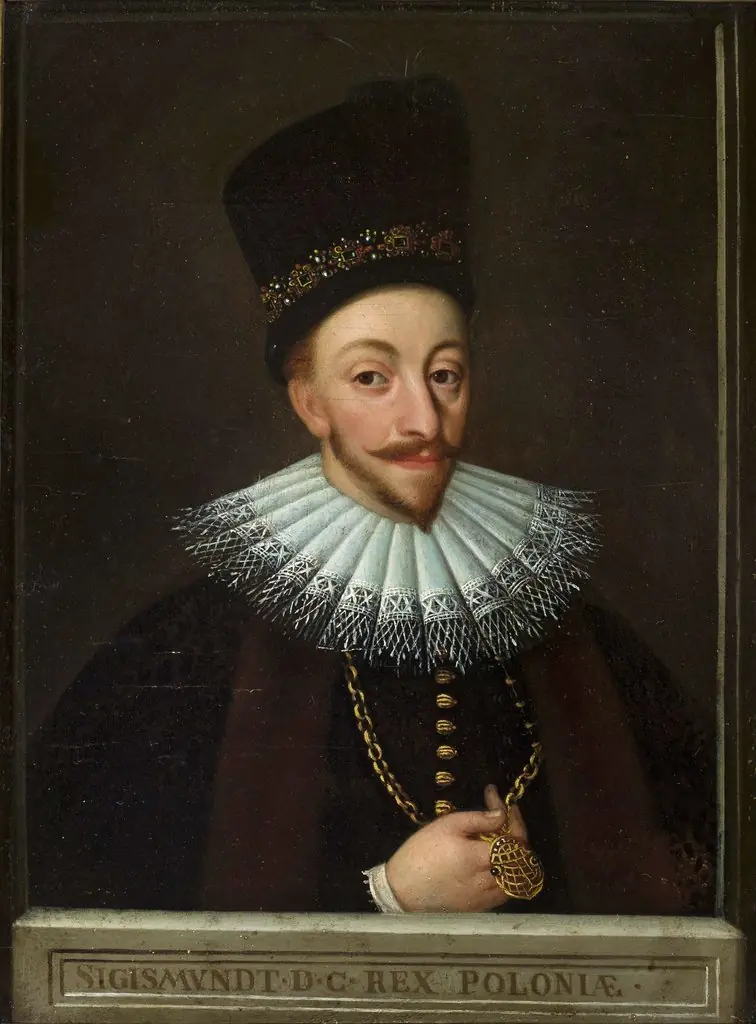 Portrait of Sigismund III Vasa (1566–1632), King of Poland
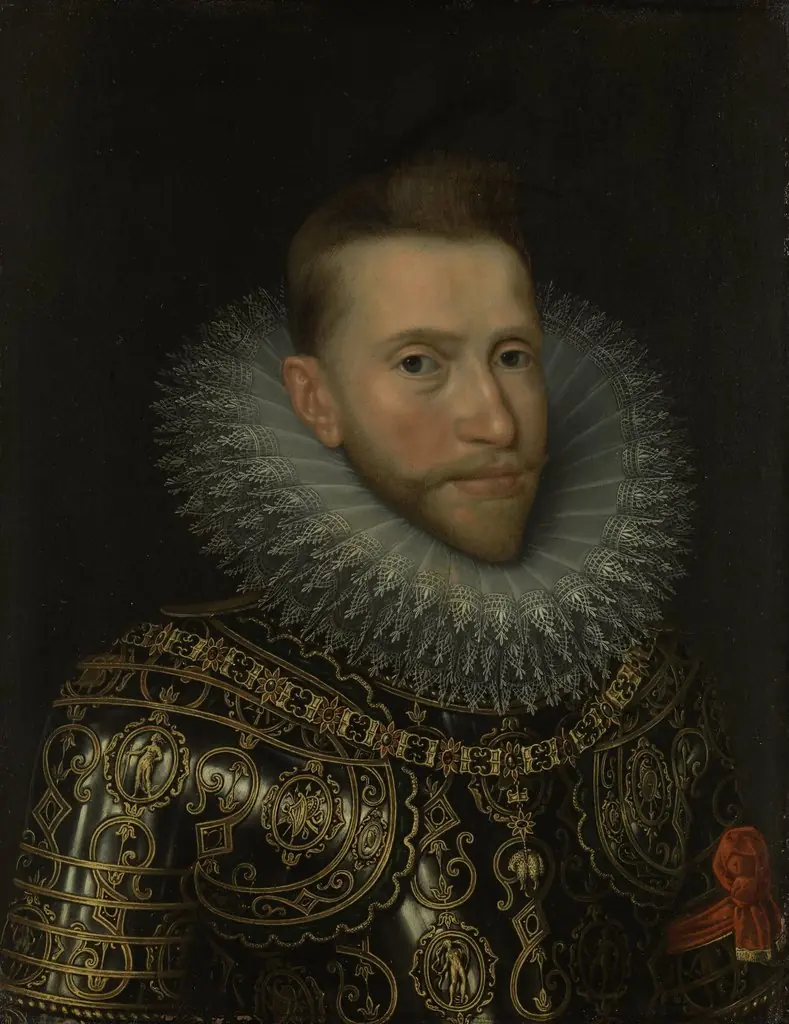 Albert VII, Archduke of Austria
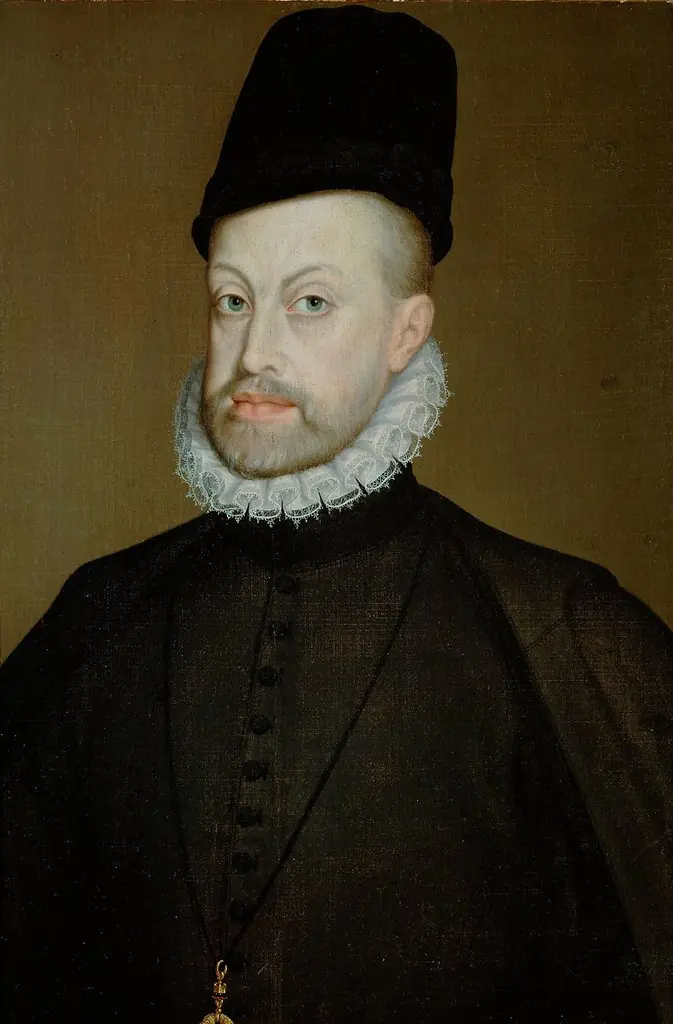 Portrait of Philip II of Spain
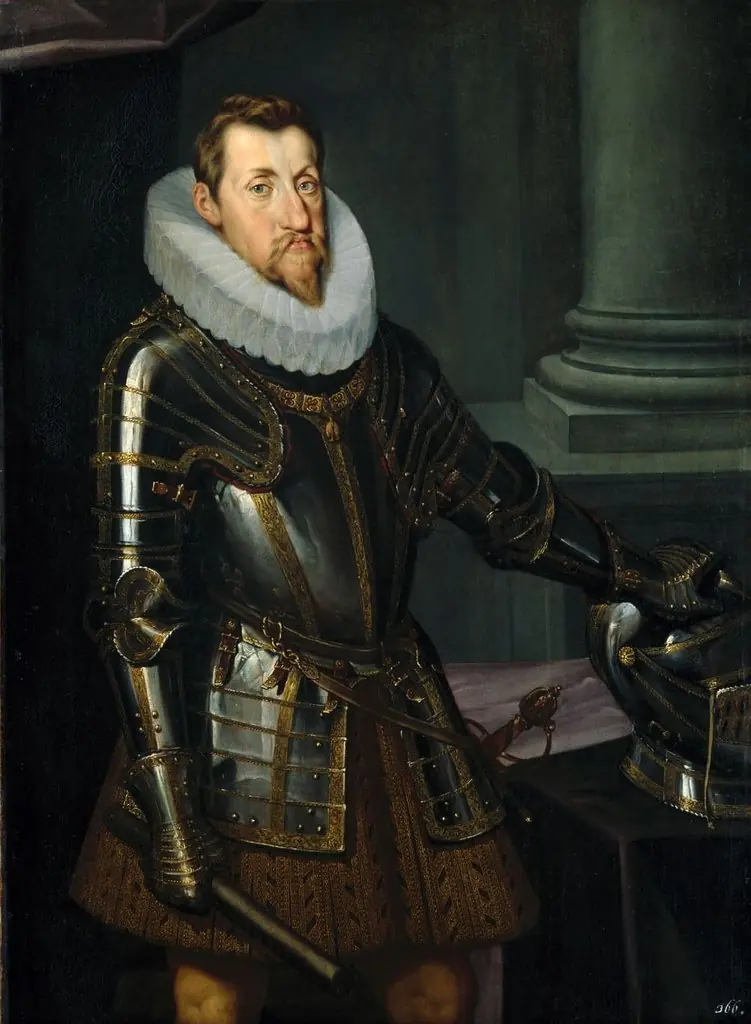 Portrait of Ferdinand II, Holy Roman Emperor (1578-1637)
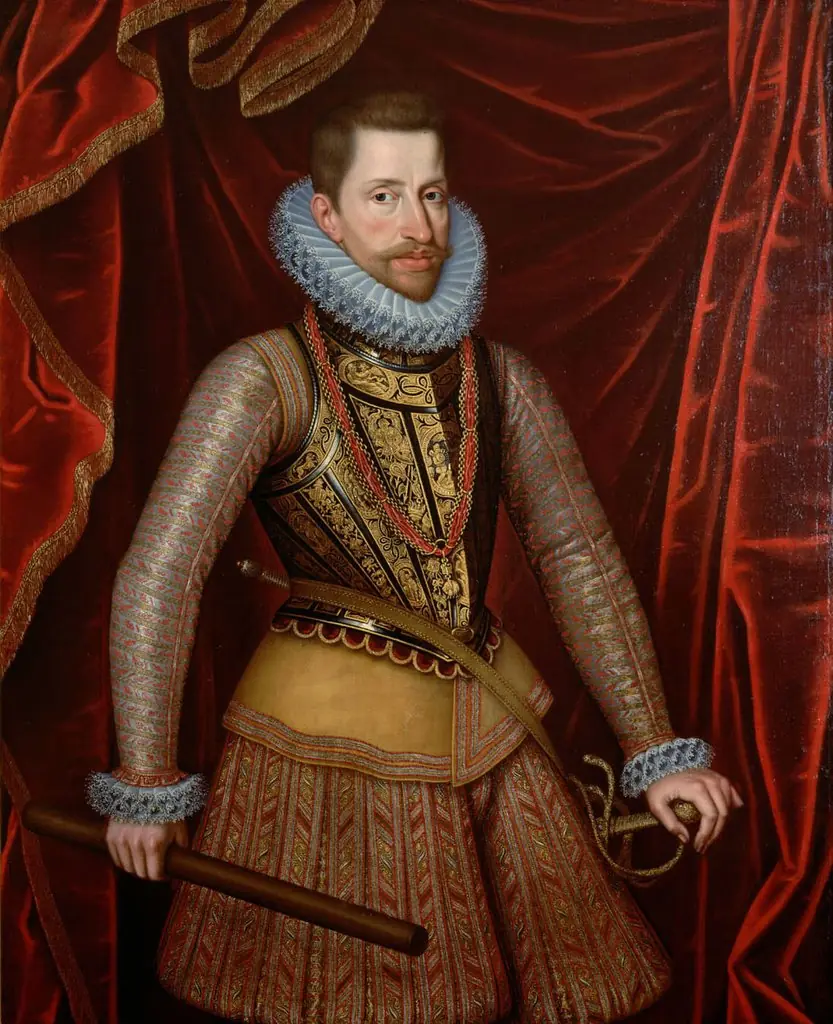 Portrait of Albrecht VII, Archduke of Austria (1559-1621)
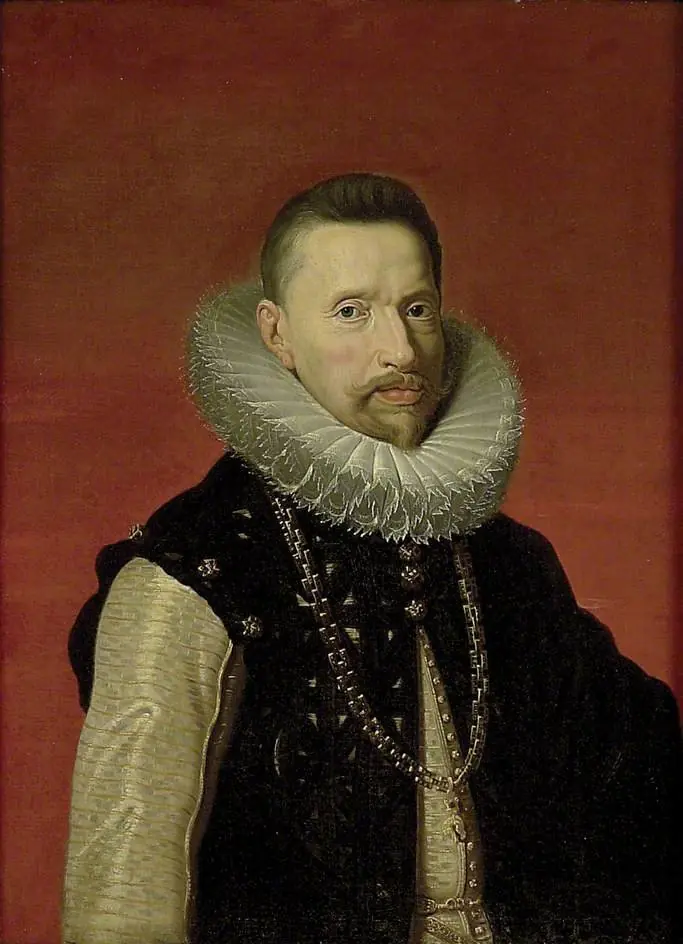 Archduke Albert of Austria
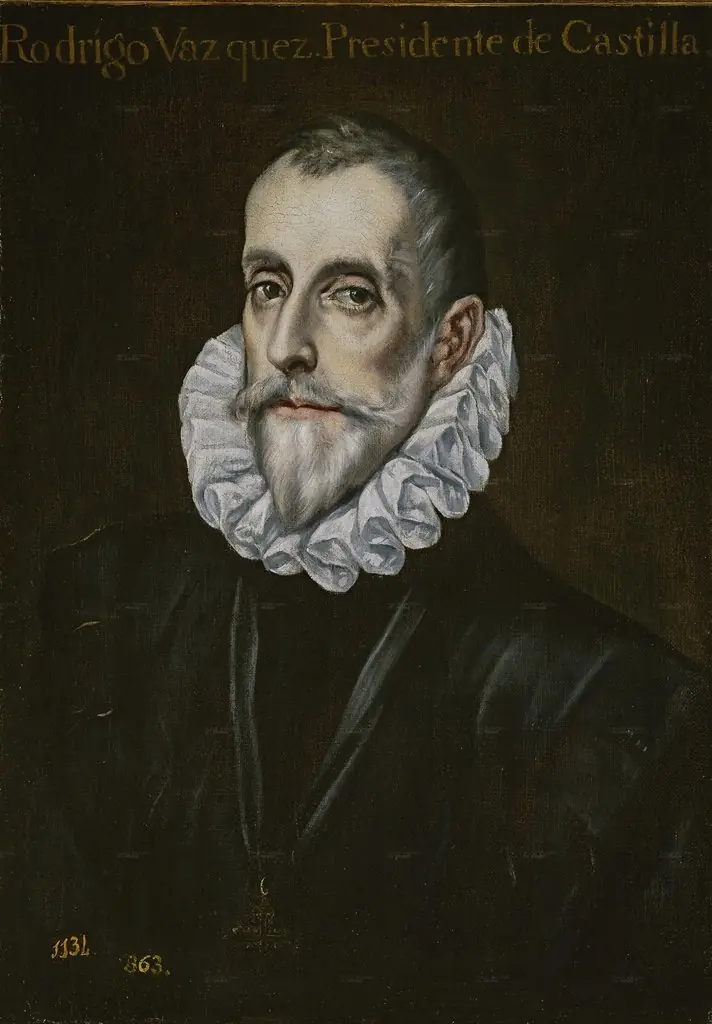 Portrait of Rodrigo Vázquez de Arce
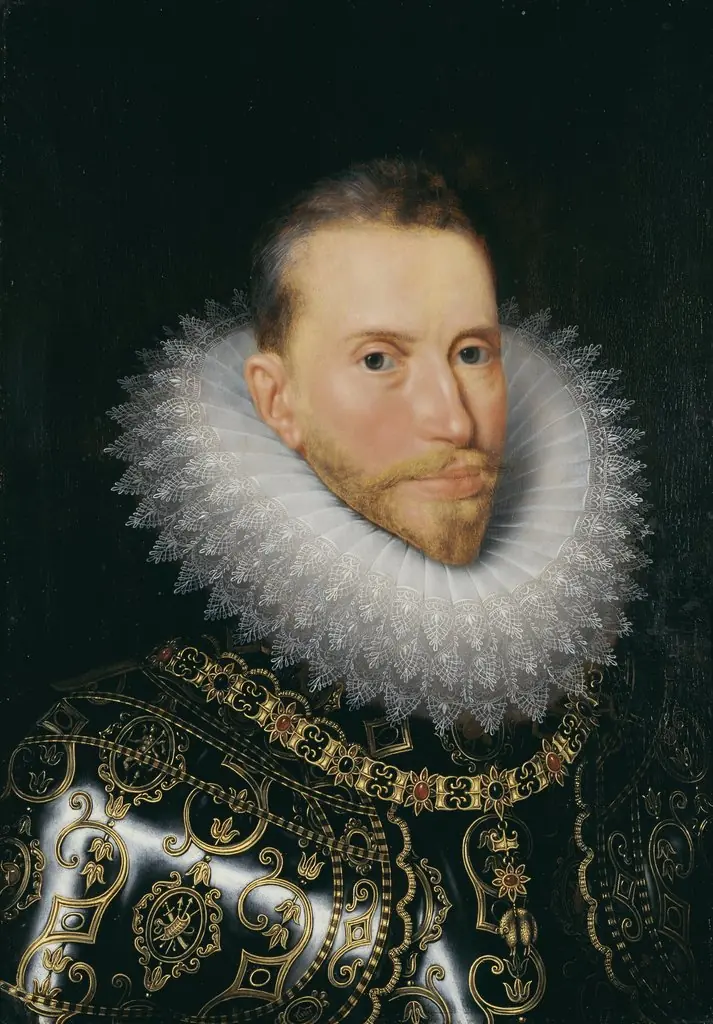 Portrait of the Archduke Albert
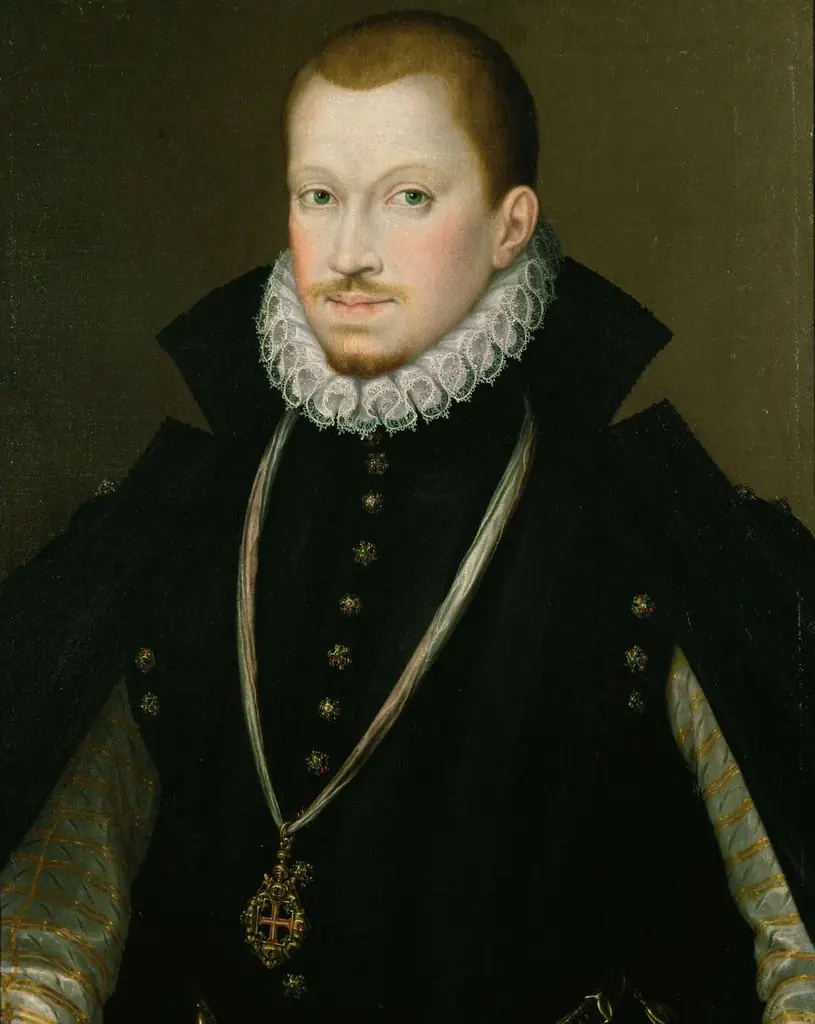 Don Sebastian (1554-nach 1578), König von Portugal, mit dem Kreuz des Christusordens, Halbfigur (beschnitten)