Artwork
Vapenice
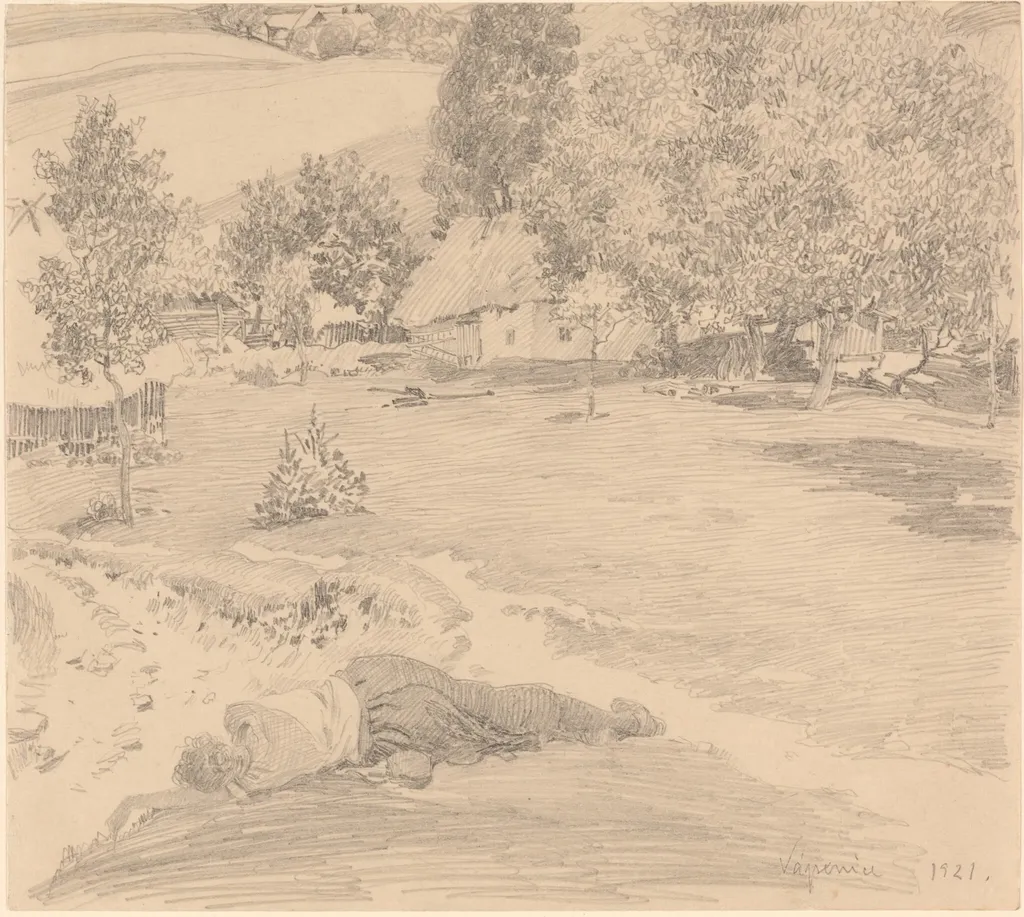
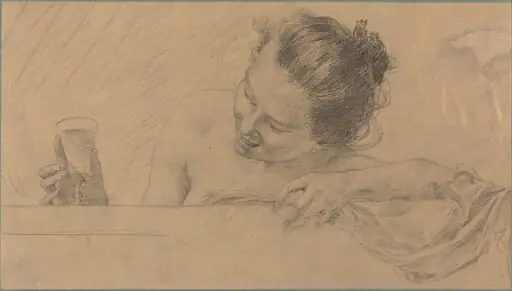
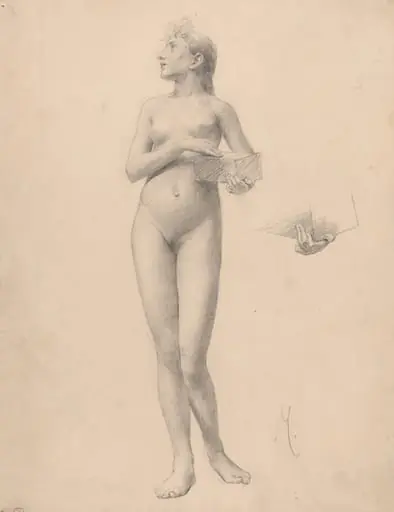
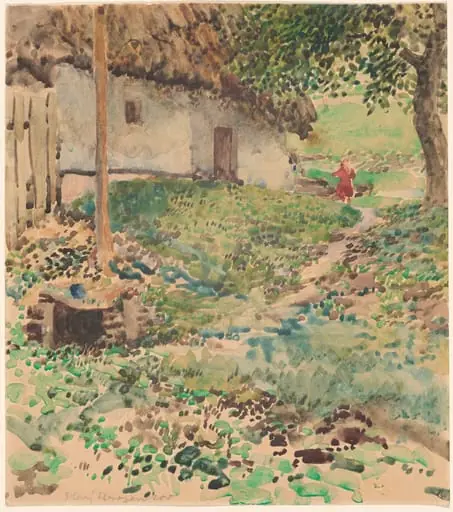
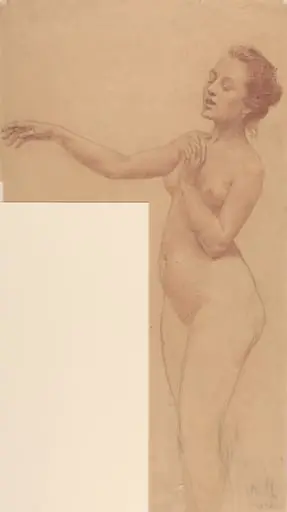
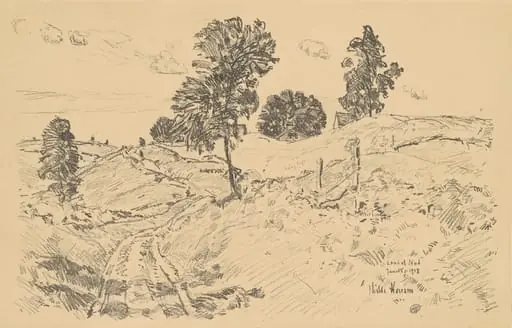
Vapenice is a graphite drawing by Karel Vitezslav Masek. It dates from 1921 and is held in the collection of the National Gallery of Art.
About this work
Overview
Vapenice is a graphite drawing by Czech artist Karel Vitezslav Masek, completed in 1921. It belongs to a body of work produced during the early years of Czechoslovakia’s independence, reflecting the artist’s engagement with intimate, observational subjects. The piece is modest in scale and material, emphasizing line and tone over color or elaborate composition.
Subject & Meaning
The subject of Vapenice is not explicitly documented, but its title suggests a reference to a place or personal memory. Masek often drew from quiet, everyday scenes, and this work likely captures a moment of stillness or local character. Its ambiguity invites contemplation rather than narrative explanation, aligning with the introspective tone of postwar Central European art.
Technique & Style
Executed in graphite, the drawing relies on delicate hatching and subtle gradations to suggest form and atmosphere. Masek’s hand is precise yet unadorned, avoiding dramatic contrasts in favor of restrained tonal variation. The composition feels spontaneous, as if sketched from direct observation, reinforcing a sense of immediacy and personal record.
History & Provenance
Created in 1921, Vapenice emerged during a period of cultural redefinition in the newly formed Czechoslovakia. It remained in private hands for much of the 20th century, with limited public exposure. Its current location and acquisition history are not widely recorded, reflecting its status as a lesser-known work within Masek’s oeuvre.
Context
Masek worked alongside other Czech artists exploring modernism through understated means, often turning away from grand historical themes toward personal and regional subjects. Vapenice fits within this trend, resonating with the broader European shift toward intimate, non-monumental art after the trauma of World War I.
Legacy
Though not widely exhibited or reproduced, Vapenice contributes to the understanding of Masek’s quieter, more personal approach to drawing. It stands as an example of how Czech artists of the era used simple media to convey emotional and spatial nuance, influencing later generations interested in the expressive potential of minimal means.
Artist & collection


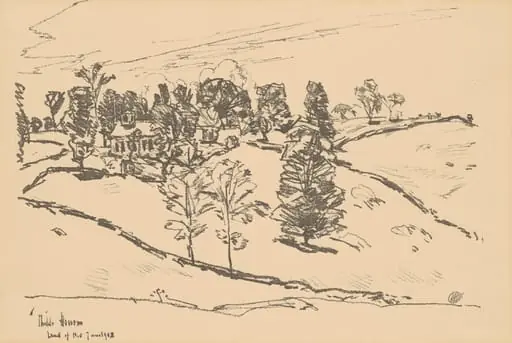 The Little School House, Land of Nod
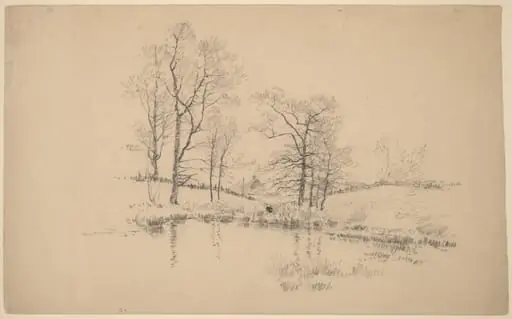 Meadow Pond, New York
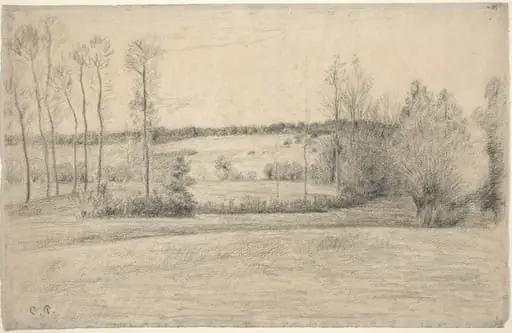 Trees and Meadows at Eragny
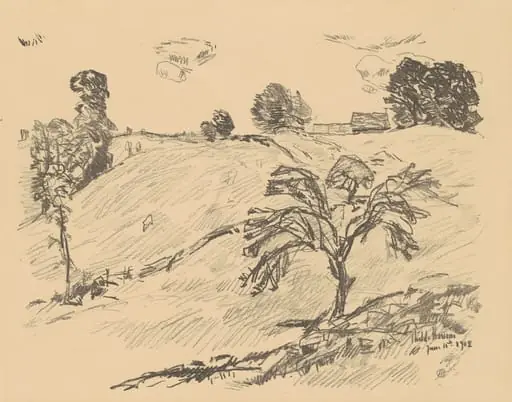 The Land of Nod
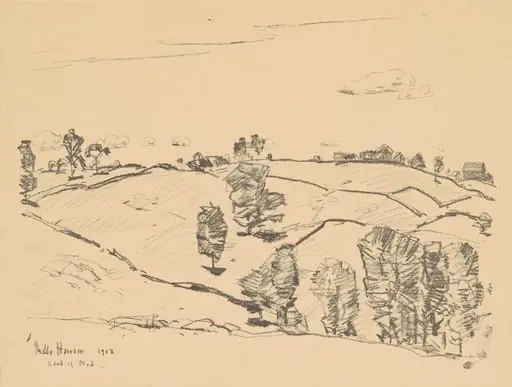 Stone Fences, Land of Nod
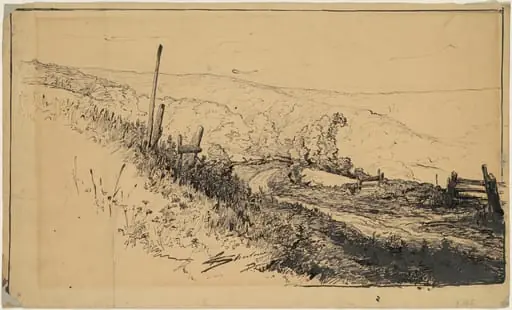 A Road in the Hills Near Dordrecht
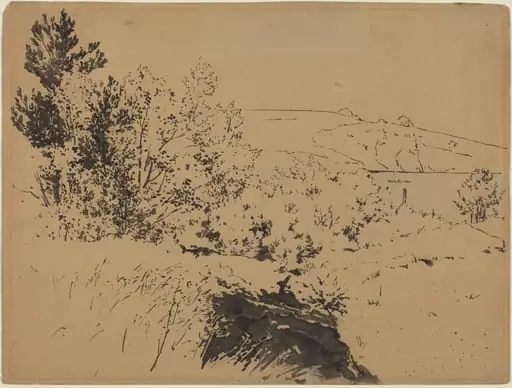 Coastal Landscape
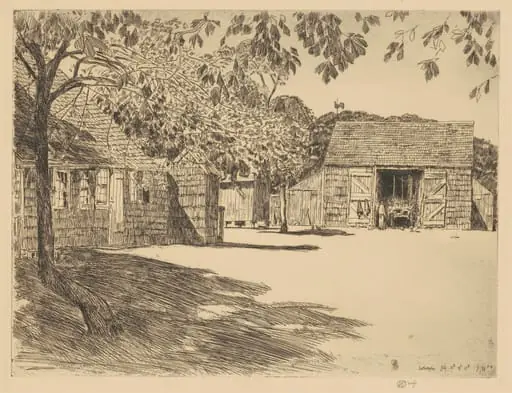 The Old Mulford Farm
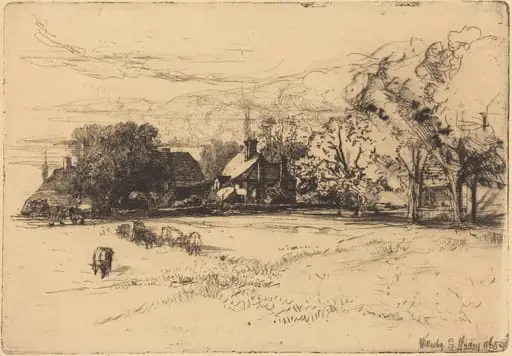 Old Willesley House
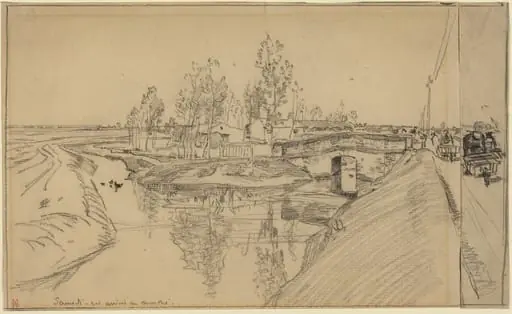 Arrivee au Marche
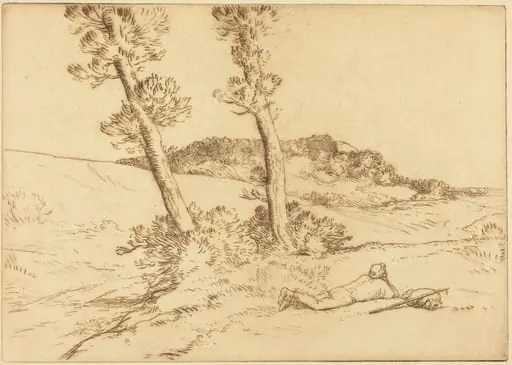 Traveler Reclining on the Grass (Le voyageur etendu sur le gazon)
 Landscape, Land of Nod