Artwork
Henri de Lorraine
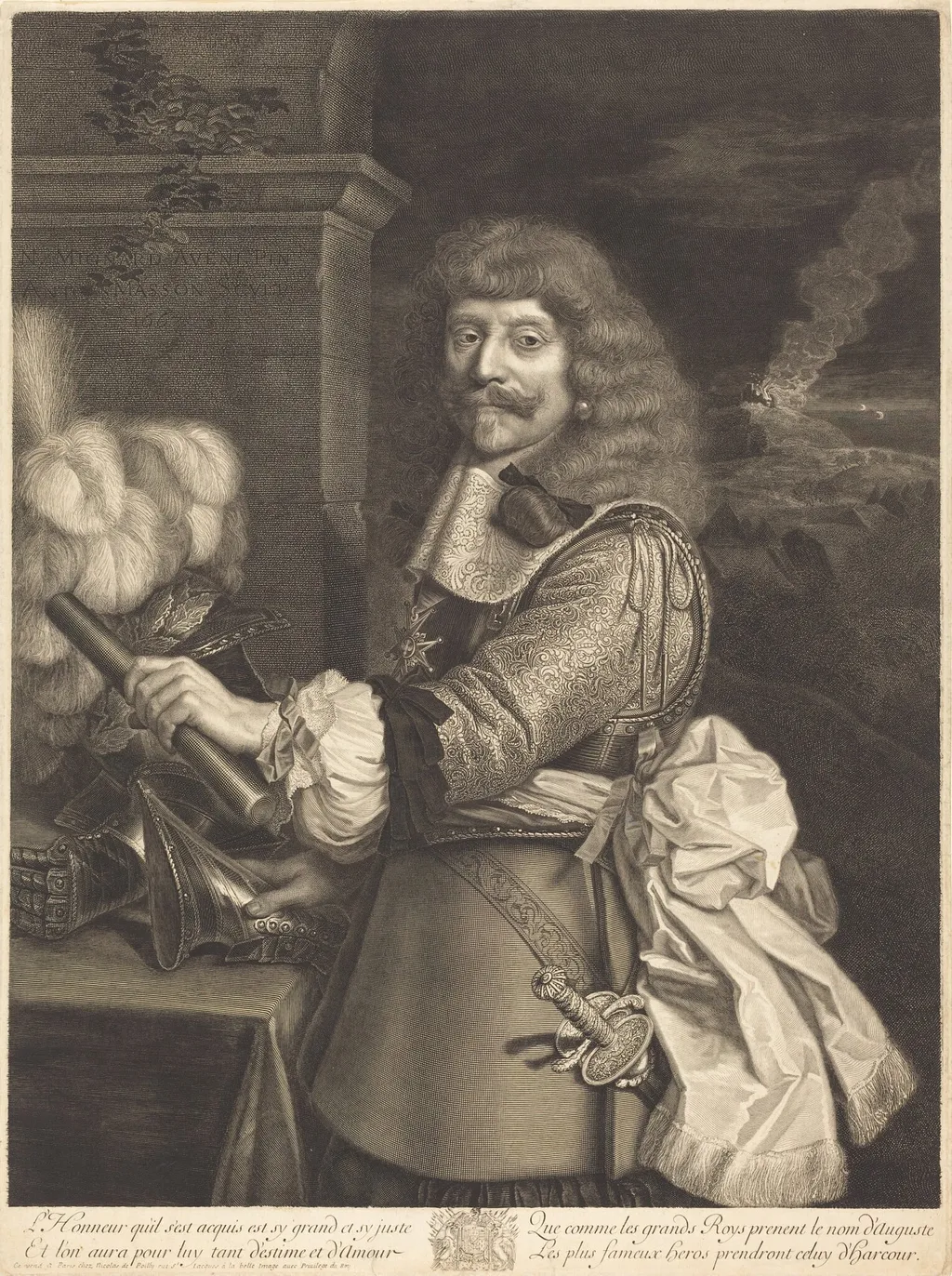
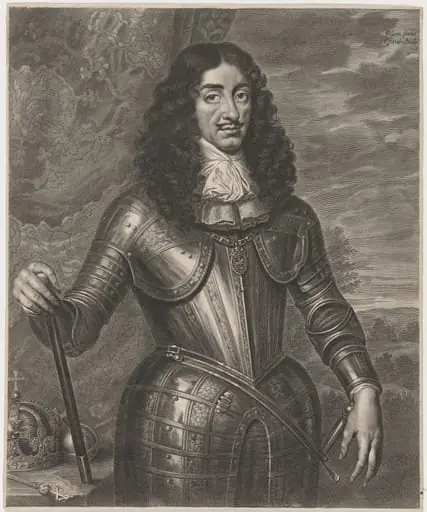
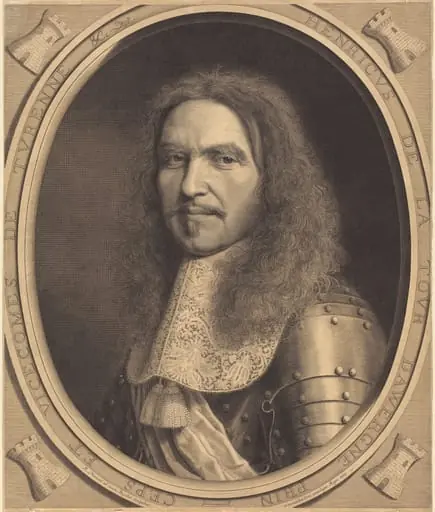
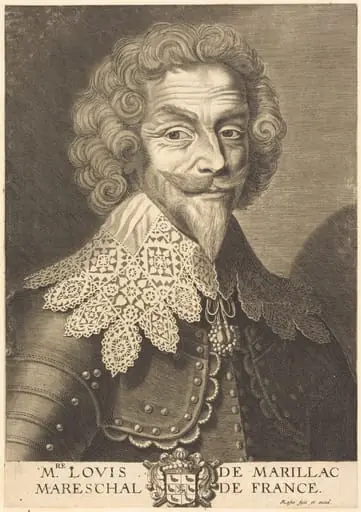
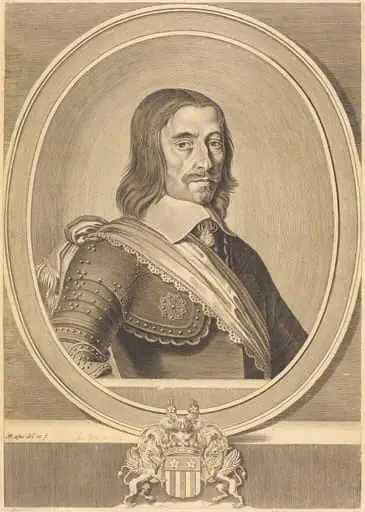
Henri de Lorraine is an ink print by the Baroque artist Antoine Masson. It dates from 1667 and is held in the collection of the National Gallery of Art.
About this work
Overview
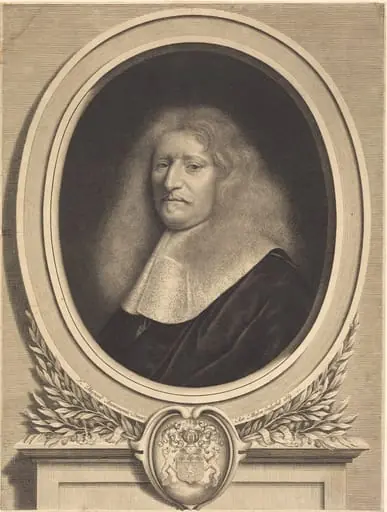
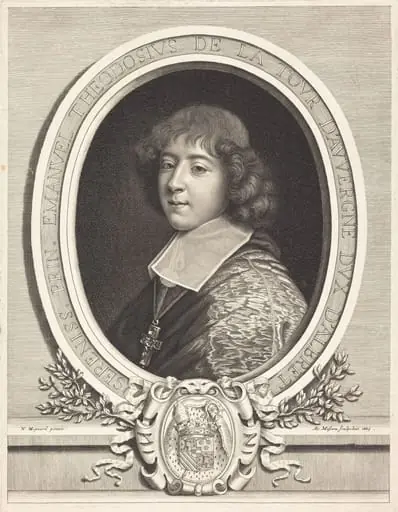
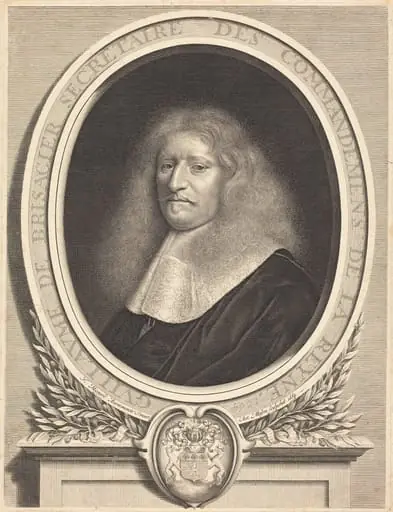
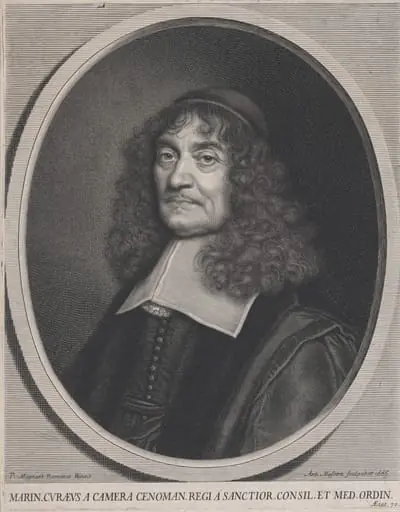
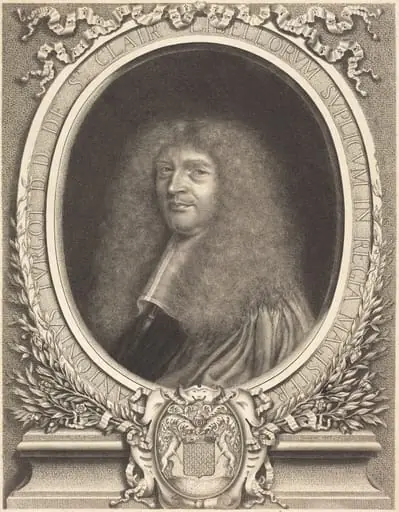
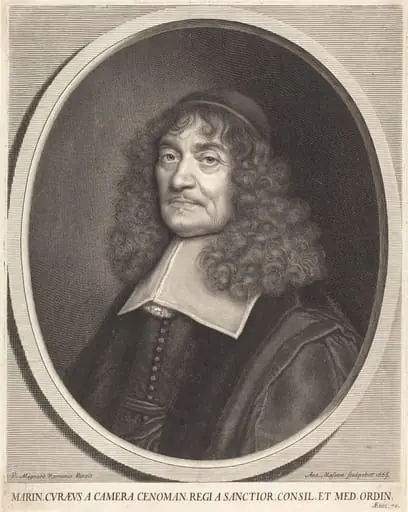
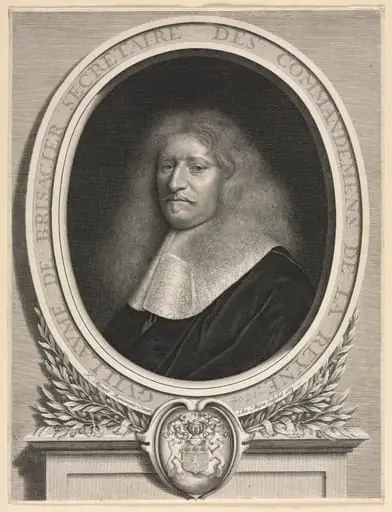
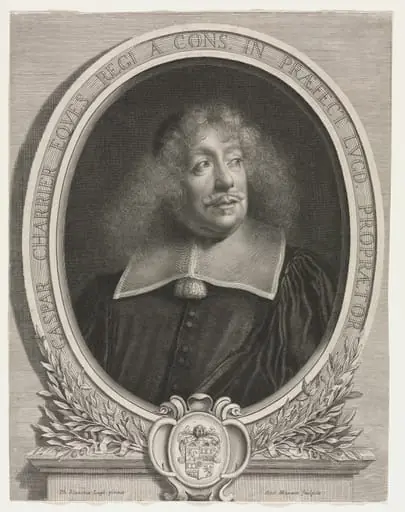
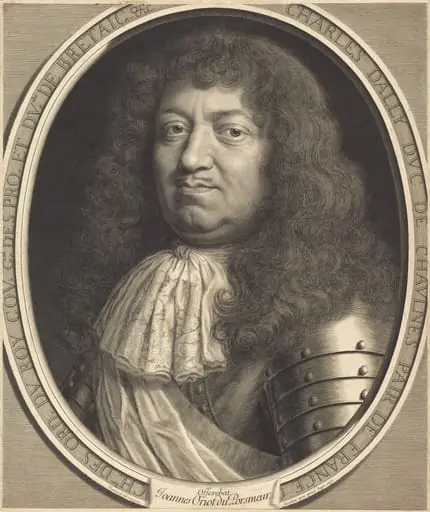
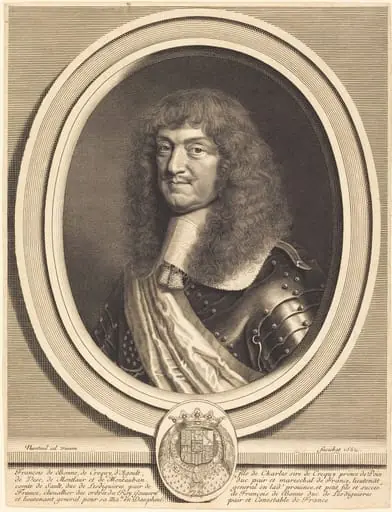
Antoine Masson’s 1667 engraving presents Henri de Lorraine, the count of Harcourt, who was nicknamed the “Cadet à la Perle.” Rendered in line engraving, the portrait forms part of a larger series of sixty‑eight plates that Masson produced, the majority of which are individual likenesses.
Subject & Meaning
The sitter, a French nobleman of the mid‑seventeenth century, is shown in elaborate court attire, clutching a glove and a sword. His curled wig, pronounced moustache, and solemn expression convey the dignified bearing expected of a high‑ranking aristocrat, while the distant, rocky backdrop with a faint shipwreck adds a subtle note of narrative tension.
Technique & Style
Masson employs tightly controlled line work to model the figure’s clothing, fur trim, and armor, creating nuanced gradations of light and shadow. The engraving’s texture relies on cross‑hatching and fine parallel strokes, a hallmark of the medium that allows intricate detail without the use of tone or color.
History & Provenance
A self‑taught engraver who began his career as an armorer, Masson specialized in portrait prints and gained official recognition when he was admitted to the Académie Royale de Peinture et de Sculpture in 1679. The Henri de Lorraine plate reflects his mature period and contributes to the body of work that secured his reputation among French printmakers.
Artist & collection
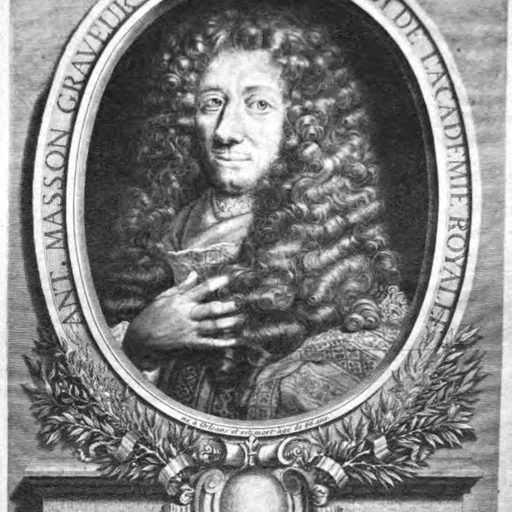
Artist
Antoine Masson (1636 – 30 May 1700, in Paris) was a French painter, but above all a line engraver, born at Loury, near Orléans.